TLDR
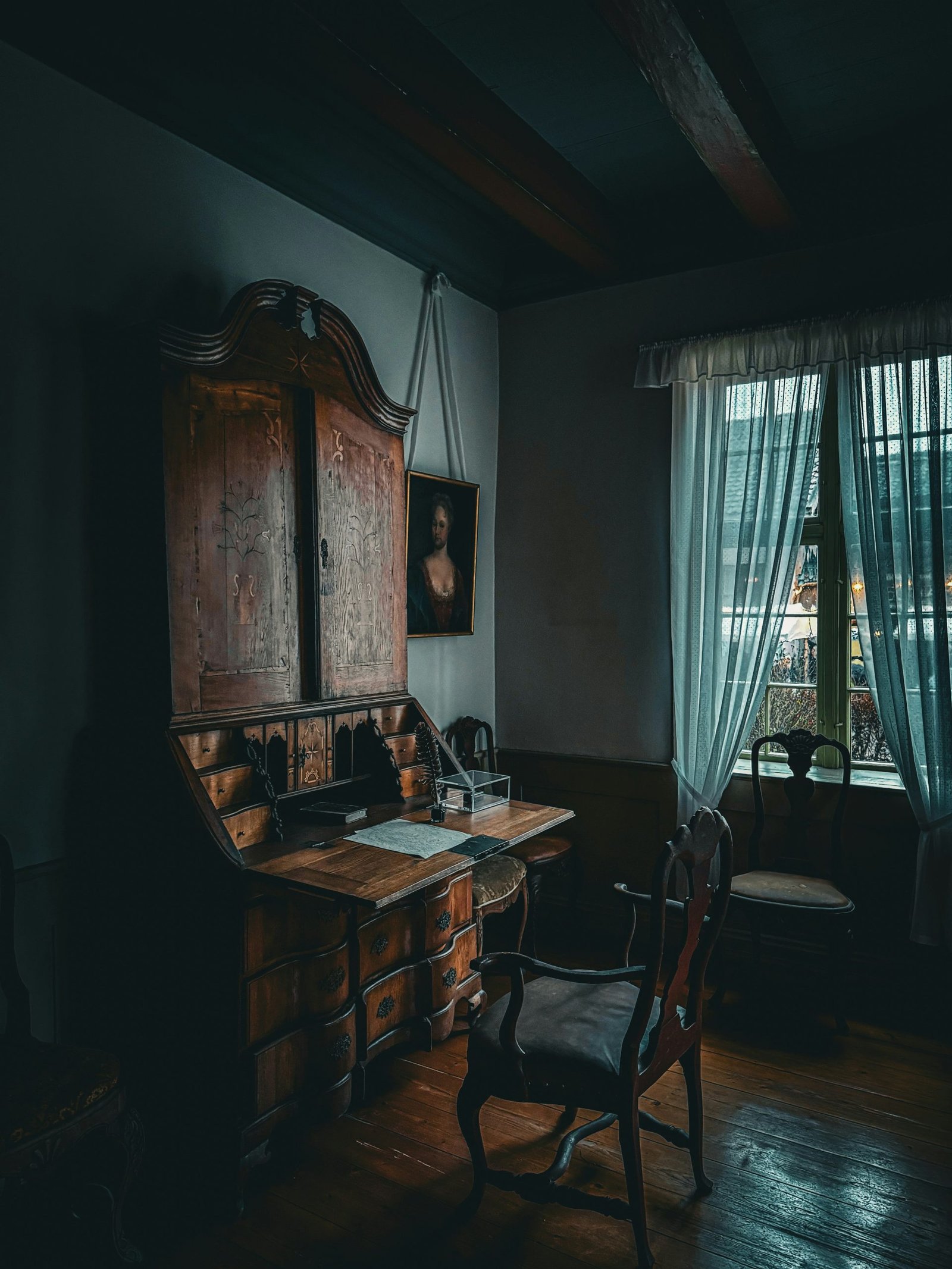
• Core Points: Mood-driven interiors with moody walls, candlelight, vintage furniture, dark textiles, and layered textures create a cozy Gothic look.
• Main Content: A curated set of ten ideas blends mystery and comfort through color, lighting, materials, and personal accessories.
• Key Insights: Subtle contrasts, proper lighting, and thoughtful texture layering can achieve Gothic warmth without sacrificing usability.
• Considerations: Balance darkness with lighter elements to avoid heaviness; select durable materials for everyday living.
• Recommended Actions: Gradually introduce Gothic accents—start with textiles and lighting, then add furniture and decorative pieces.
Content Overview
Gothic-inspired home decor has long been associated with mood, mystery, and a sense of coziness. The approach emphasizes creating atmospheres that feel intimate and enveloping, rather than austere or cold. The ten ideas presented here offer practical ways to infuse a space with Gothic charm while maintaining comfort and everyday livability. The goal is not to replicate a cathedral interior but to cultivate a personal sanctuary where darkness and warmth coexist through careful material choices, lighting strategies, color palettes, and layered textures.
Inspiration for this style often draws on classic Gothic aesthetics—soaked in history, romance, and drama—while embracing modern sensibilities. The resulting environments feel polished yet inviting, with a quiet luxury that emphasizes comfort as much as spectacle. This article synthesizes ten actionable ideas designed to help readers transform their rooms into cozy Gothic retreats they can enjoy daily.
In-Depth Analysis
1) Establish a Moody Foundation with Color
Color sets the entire tone of a Gothic-inspired room. Start with a deep, saturated base such as charcoal, midnight blue, or charcoal gray walls. These hues create a dramatic canvas that makes other elements—soft textiles, metallic accents, and aged wood—pop. To avoid a flat, oppressive feel, balance the dark walls with lighter ceilings, trim, or architectural features. Introducing an accent color—burgundy, plum, forest green, or antique gold—through accessories, artwork, or furniture helps prevent monotony and adds depth.
2) Layer Lighting for Atmosphere
Lighting is central to achieving a cozy Gothic mood. Combine multiple light sources at varying heights: a central ceiling fixture, table lamps, wall sconces, and candle-inspired lighting. Warm, amber-toned bulbs create a candlelit ambiance without the dedication of real flames. Dimmer switches allow you to modulate intensity across different zones, supporting both practical tasks and moodier scenes. Consider lighting with ornate details or matte black finishes to reinforce the Gothic aesthetic.
3) Embrace Vintage and Antique Furniture
Gothic interiors benefit from furniture with a sense of history. Look for pieces with carved detailing, arched silhouettes, or tapered legs in dark woods like ebony, walnut, or mahogany. Reclaimed timber, heirloom finds, and gently worn finishes contribute to a curated, lived-in vibe. When selecting vintage pieces, prioritize comfort and scale to ensure daily usability. A single statement chair, a carved console, or an antique mirror can anchor the room without overwhelming it.
4) Rich Textiles and Layered Textures
Textiles are essential for warmth and tactility. Combine velvet, heavy cotton, wool, and leather to create tactile interest and depth. Layer multiple textiles—curtains, throw blankets, cushions, and an area rug—in tones that complement the base color. The interplay of different textures helps soften the starkness of dark walls while preserving the room’s moody character. Metallics in brushed brass or aged gold can accentuate the luxurious feel.
5) Dark yet Functional Flooring
Flooring contributes significantly to the room’s ambiance. Dark hardwoods or composites with visible grain deliver warmth, while luxurious area rugs in rich tones help define seating zones and add comfort underfoot. A richly patterned or subtly textured rug can introduce visual intrigue without clashing with the walls. If a fully dark floor feels overwhelming, consider pairing it with a lighter rug to maintain balance.
6) Artistic and Architectural Focal Points
Strategic artwork and architectural details reinforce the Gothic mood. Classic portraits, dark abstract pieces, or botanical prints in ornate frames can anchor walls. Architectural elements such as arched doorways, crown molding, or paneled wainscoting contribute to a sense of depth and history. When selecting art, aim for pieces that evoke mystery, storytelling, or romantic nostalgia.

*圖片來源:Unsplash*
7) Accessorize with Gothic Accents
Personal touches reinforce the theme while keeping the space usable. Candlesticks, ornate mirrors, vintage clocks, and sculptural objects in metal or aged wood can punctuate the room. Use them sparingly to avoid visual overload; a few well-chosen pieces can have a strong impact. Textured ceramics, glass vessels, and prayer candles in tasteful containers can introduce subtle Gothic cues without feeling contrived.
8) Greenery for Contrast and Freshness
Plants may seem incongruent with a Gothic mood, but they provide vital contrast and life. Choose dark-leafed varieties or textured greens that retain visual interest in dim light. Planters in matte black, brass, or stone tones can integrate greenery into the Gothic palette. Plants contribute airiness and balance among heavy textiles and dark surfaces.
9) Scent and Sound to Complete the Atmosphere
A cohesive Gothic space often engages senses beyond sight. Subtle, non-intrusive scents such as amber, leather, or tobacco with vanilla notes can enhance mood without overwhelming. Soft background sounds or a curated music playlist with classical or ambient tunes can deepen the immersive experience. The goal is a nuanced ambience that complements visuals rather than overpowering them.
10) Practical Considerations for Everyday Use
A Gothic-inspired space must remain functional. Select durable fabrics and finishes that resist wear and are easy to clean. Consider furniture with comfortable seating proportions and accessible storage to maintain livability. Lighting should be versatile, enabling both tasks and relaxation. Finally, ensure the space reflects the resident’s personality and routines, so the design remains a true extension of daily life rather than a static display.
Perspectives and Impact
Gothic-influenced interior design has seen renewed interest as homeowners seek spaces that feel intimate and characterful. The trend emphasizes comfort and personal storytelling through carefully curated elements rather than mere replication of period styles. It invites homeowners to experiment with textures, lighting, and color in measured ways, creating environments that feel timeless rather than trendy. This approach also encourages sustainable choices—reviving vintage furniture, favoring quality over quantity, and avoiding excessive new production in favor of thoughtfully sourced pieces.
Future implications for living spaces include greater emphasis on adaptable lighting, multifunctional furniture, and sustainable materials that age gracefully. As designers balance drama with practicality, Gothic-inspired interiors may continue to evolve with technology that enhances comfort (for example, smart lighting that adjusts ambiance) while preserving the warmth and mood that define the style. Homeowners can expect more accessible guides that translate Gothic aesthetics into livable, modern environments.
Key Takeaways
Main Points:
– A moody color palette grounds the Gothic look, paired with layered textures and warm lighting.
– Vintage and antique pieces anchor the space with character while remaining functional.
– Thoughtful balance of darkness, texture, and accent colors creates depth without heaviness.
Areas of Concern:
– Overly dark rooms can feel claustrophobic; balances with lighter elements are essential.
– Ensembles that rely too heavily on one material or period can read as theme-driven rather than timeless.
– Maintenance considerations for darker fabrics and ornate pieces should be planned to ensure practicality.
Summary and Recommendations
To transform a living area into a cozy Gothic sanctuary, begin with a controlled, moody color foundation and layered lighting. Introduce vintage furniture with careful attention to scale and comfort, and incorporate rich textiles to add warmth and texture. Accent pieces—such as ornate mirrors, candlesticks, and art—should be selectively placed to reinforce the mood without crowding the space. Balance is crucial: pair dark walls with lighter ceilings or textiles to prevent the room from feeling oppressive. Finally, ensure practicality by choosing durable materials and integrating storage and seating that support everyday use. The result is a space that feels intimate, dramatic, and welcoming—a modern reinterpretation of Gothic charm that respects both aesthetics and daily life.
References
– Original: https://abeautifulspace.co.uk/10-cosy-gothic-home-decor-ideas-to-transform-your-space/
– Additional references:
– https://www.housebeautiful.com/design-inspiration/colors/gotja
– https://www.apartmenttherapy.com/gothic-home-decor-ideas-367742

*圖片來源:Unsplash*