TLDR
• Core Points: Cozy Gothic decor blends mood, mystery and comfort with moody walls, candlelight, vintage furniture, dark textiles and layered textures.
• Main Content: A comprehensive guide to creating a warm, atmospheric Gothic-inspired home through thoughtful color choices, lighting, furnishings, textiles, and accents.
• Key Insights: Balance dark elements with warmth, personalization, and practical styling to avoid heaviness while preserving drama.
• Considerations: Material durability, seasonal lighting, and budget-conscious sourcing to achieve lasting impact.
• Recommended Actions: Audit rooms for focal points, experiment with textures and candle lighting, and curate a tasteful Gothic palette using inexpensive updates.
Content Overview
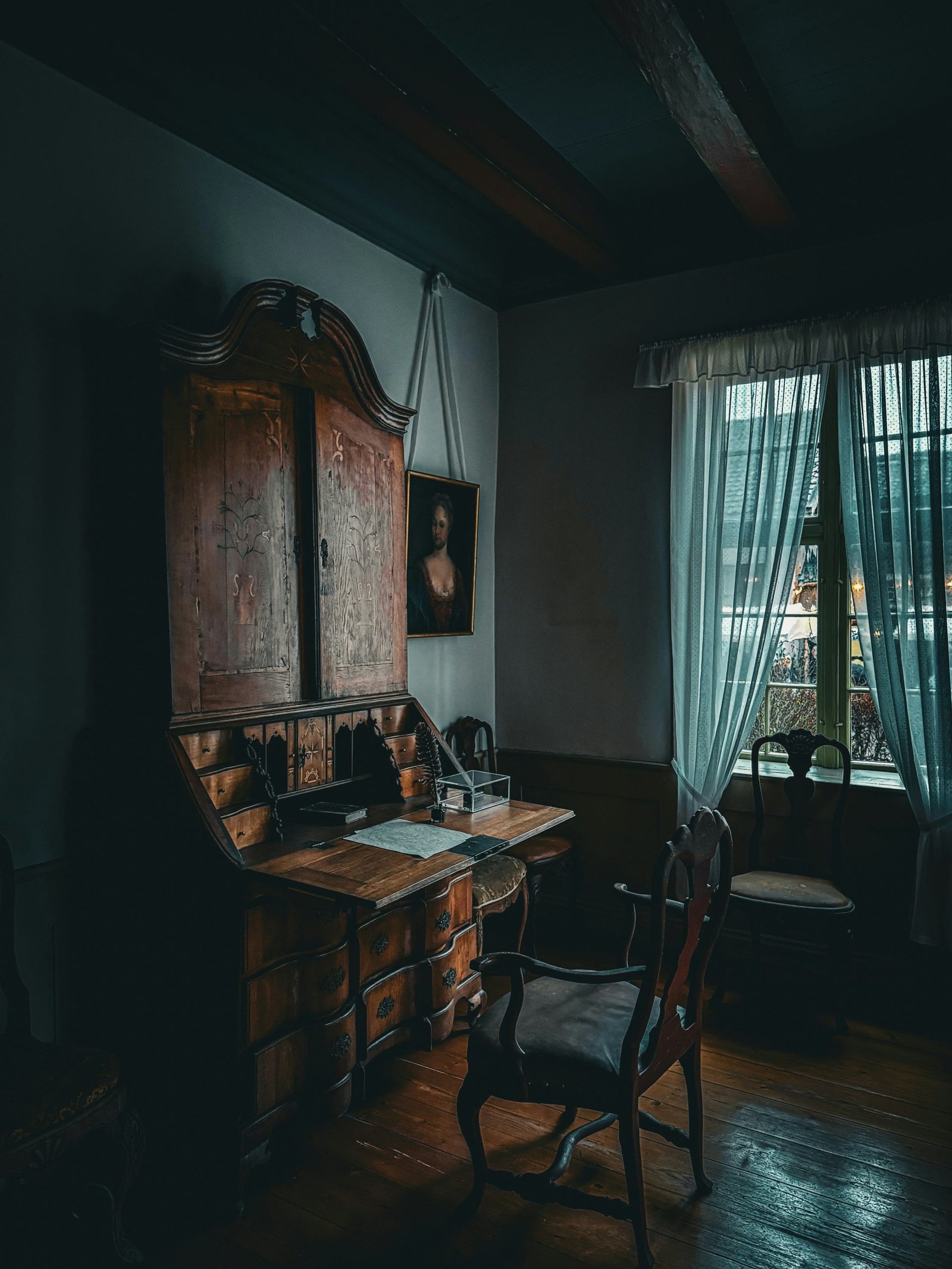
Gothic-inspired interior design centers on mood, mystery, and comfort. It embraces deep, saturated tones, candlelight, vintage or antique furniture, and layered textures to create spaces that feel timeless and intimate. This approach, while rooted in historical aesthetics, emphasizes practicality and warmth, ensuring living areas remain inviting rather than austere. The essence of cozy Gothic decor is to cultivate an atmosphere that is dramatic yet welcoming—where the dark palette acts as a backdrop for tactile surfaces, soft fabrics, and well-considered lighting.
A well-executed Gothic scheme does not rely solely on color alone. It incorporates a mix of materials such as wood, velvet, leather, velvet-tufted upholstery, brass or aged metal hardware, and textured wall coverings. Lighting plays a pivotal role, moving beyond harsh overheads to a combination of candle-like light and warm LED sources. Accents such as ornamental mirrors, vintage furnishings, botanical motifs, and subtle patterns contribute to the sense of depth and history in the space. The result is a home environment that feels curated, mysterious, and comfortable—a sanctuary with a touch of drama.
In-Depth Analysis
Gothic decor is not about replicating a single period; rather, it is about synthesizing elements that evoke a sense of age, character, and intrigue. The fundamental principle is to create contrast: the interplay between dark, moody surfaces and lighter textures or decorative accents to prevent the space from feeling too heavy or oppressive.
Color and wall treatments
– Deep hues such as charcoal, coal black, smoky blue, plum, and forest green form the core palette. These tones can be applied to walls, cabinetry, or accent pieces.
– Consider an accent wall in a rich color and balance with lighter ceilings, furnishings, and textiles to keep the room visually expansive.
– Textured wall coverings—like damask, subtle damask-inspired patterns, or aged wallpaper—add depth without overpowering the senses.
Lighting and atmosphere
– Layered lighting is essential. Combine ambient lighting with task lighting and accent lighting to sculpt shadows and highlight architectural details.
– Candle-inspired lighting (LED options that mimic candle glow) contributes warmth and intimacy. Real or flameless candles placed in strategic spots (mantels, chandeliers, under-shelf displays) reinforce the mood.
– Windows benefit from heavy drapery or textured curtains that absorb excess light, complemented by soft, indirect lighting to maintain a cozy feel after dark while preserving daylight charm during the day.
Furniture and textiles
– Vintage or vintage-inspired furniture anchors the Gothic aesthetic. Look for carved wood details, curved silhouettes, and antique hardware that convey a sense of history.
– Upholstery in rich fabrics such as velvet, velour, or brushed wool adds tactile luxury. Layering textiles—throws, cushions, and blankets—in varied textures deepens the space.
– Consider a mix of high-contrast textiles: a velvet sofa in a deep hue paired with lighter, patterned cushions to avoid monotony.
Decorative accents and motifs
– Mirrors with ornate frames, metallic accents (brass, antique gold), and architectural accessories evoke medieval or Victorian references without feeling dated.
– Botanical elements, dark floral patterns, and subtle Gothic motifs (e.g., arches, tracery) provide visual interest and texture.
– Art and wall decor should be thoughtfully curated to avoid clutter. Choose pieces with a narrative or historical feel that complement the overall mood.
Practical considerations
– Proportions and scale matter. Large rooms can handle deeper palettes and more substantial furnishings, while small spaces benefit from strategic pops of darkness balanced by lighter elements to avoid a claustrophobic vibe.
– Lighting efficiency and comfort should guide choices. Warm color temperatures (2700–3000K) create inviting warmth, while dimmable fixtures enable mood control.
– Budget-conscious sourcing can be achieved by mixing new, inexpensive pieces with a few well-chosen vintage items or antique finds. This approach preserves character without excessive expenditure.
Seasonality and maintenance
– Deep hues can show dust more readily, so regular dusting and occasional refreshes ensure the space remains vibrant.
– The Gothic aesthetic adapts well to seasonal shifts. In spring and summer, incorporate lighter textiles and greenery to maintain balance; in autumn and winter, lean more into richer tones and heavier fabrics for coziness.
Practical application: a sample room plan
– Walls: charcoal or deep blue, with one accent wall featuring a subtle textured wallpaper.
– Floor: wooden or dark hardwood with a softer, plush rug in a complementary tone.
– Furnishings: a vintage wood coffee table, a velvet sofa in a saturated hue, and an armchair with a carved wooden frame.
– Lighting: a chandelier or statement pendant with candle-like bulbs, supplemented by wall sconces and a few decorative candles.
– Accessories: ornate mirror, antique brass accents, botanical prints, and a curated collection of objets d’art.
– Textiles: layered throws and cushions in different textures, including velvet, silk, and wool.
– Art and decor: choose pieces with an old-world or romantic sensibility that reinforce the mood without overwhelming the space.
Maintenance of the look
– To preserve the cohesive Gothic feel, maintain a consistent color story and keep a limited, curated assortment of accessories. A clutter-free approach heightens the sense of mystery and calm.
– Regularly reassess the space to remove items that no longer contribute to the mood or functionality, ensuring the room remains comfortable for daily living.

*圖片來源:Unsplash*
Perspectives and Impact
The Cozy Gothic aesthetic has grown in popularity as people seek interiors that feel personal and immersive without sacrificing warmth. Its appeal lies in the ability to convey depth, history, and drama while remaining suitable for modern living. This design approach invites homeowners to craft spaces that narrate a story—spaces where everyday life unfolds within an atmosphere that is both intriguing and comforting.
Adopting a Gothic-inspired home environment can influence behavior and mood. The careful balance of darkness and warmth can foster a contemplative ambiance conducive to reading, relaxing, or intimate gatherings. The aesthetic also supports expressive, individualized styling—homeowners can mix antique finds with contemporary pieces to create a timeless collage that reflects personal taste rather than a strict period reproduction.
From a sustainability perspective, the Cozy Gothic look can be achieved with thoughtful, budget-conscious sourcing. Rather than pursuing a complete overhaul, homeowners can gradually incorporate key pieces—such as a statement mirror, a velvet sofa, or a carved wood console—to transform a space over time. This incremental approach aligns with responsible consumption while maintaining aesthetic momentum.
Future directions in Gothic-inspired interiors might emphasize blend with modern technologies and materials. For example, sustainable fabrics and low-VOC paints enable the same mood with improved health and environmental impact. Lighting innovations, including dimmable LEDs and smart controls, can further enhance the ambiance by enabling precise mood adjustment at different times of the day. The use of sustainable reclaimed wood and responsibly sourced textiles aligns Gothic drama with contemporary values around environmental stewardship.
As design sensibilities evolve, the Cozy Gothic concept remains adaptable. It can be scaled for apartments, lofts, or family homes, with adjustments to proportion, lighting, and storage solutions to fit different lifestyles. The enduring appeal lies in its capacity to merge solemn elegance with approachable comfort, producing spaces that are both timeless and livable.
Key Takeaways
Main Points:
– Cozy Gothic decor centers on mood, depth, and warmth achieved through dark palettes, layered textures, and strategic lighting.
– Balance is essential: pair dramatic elements with comfortable fabrics, functional furniture, and curated accessories to avoid heaviness.
– Personalization and sustainable sourcing can help realize a timeless, breathable Gothic-inspired space.
Areas of Concern:
– Potential heaviness or claustrophobia in overly dark rooms; ensure adequate lighting and contrast.
– Maintenance considerations for dark surfaces, including dust visibility and cleaning needs.
– Budget management to avoid over-spend on antique or statement pieces.
Summary and Recommendations
To transform a space with 10 Cozy Gothic Home Decor ideas, begin by defining a cohesive color story that anchors walls, furniture, and textiles. Layer lighting to sculpt atmosphere: combine ambient, task, and accent sources, and incorporate candle-like illumination for warmth. Integrate vintage or vintage-inspired furniture with luxurious textiles—velvet, wool, and rich fabrics—to achieve tactile richness without compromising comfort. Curate decorative accents thoughtfully, favoring ornate mirrors, brass hardware, and subtle Gothic motifs that evoke history without feeling antiquated.
Maintain balance by ensuring lighter elements—ceilings, cushions, and small decor items—counterbalance the darkness. This prevents a space from feeling overpowering while preserving drama and character. Consider sustainability and budgeting by mixing new pieces with carefully chosen vintage finds, allowing the look to evolve over time rather than demanding a complete, immediate overhaul.
In essence, Cozy Gothic interiors offer a versatile blueprint for creating intimate, stylish spaces that feel both mysterious and lived-in. With mindful sourcing, varied textures, and layered lighting, homeowners can craft rooms that function beautifully for daily life while offering a sense of narrative and atmosphere unique to Gothic-inspired design.
References
- Original: https://abeautifulspace.co.uk/10-cosy-gothic-home-decor-ideas-to-transform-your-space/
- Additional references:
- https://www.housebeautiful.com/room-decorating/colors/gothic-decor/
- https://www.serenaandluigi.com/blogs/ideas/how-to-create-a-cozy-gothic-interior
- https://www.apartmenttherapy.com/gothic-decor-ideas-367297

*圖片來源:Unsplash*