TLDR
• Core Points: Conservatories are experiencing a major revival in 2026, blending comfort, sustainability, and creative lighting to transform spaces.
• Main Content: The trends emphasize natural integration, bold colors, flexible layouts, and wellness-forward design to maximize light and usability.
• Key Insights: Outdoor-indoor harmony, multifunctional zones, and tech-enhanced comfort dominate modern conservatories.
• Considerations: Budget, climate suitability, and maintenance must be weighed when adopting bold materials or smart systems.
• Recommended Actions: Prioritize adaptable furniture, energy-efficient glazing, plant-heavy styling, and layered lighting to achieve a timeless yet contemporary conservatory.
Content Overview
Conservatories are seeing a robust resurgence in 2026, driven by homeowners seeking versatile, sunlit spaces that function as year-round living areas. The latest decor trends reflect a desire to blur the line between indoors and outdoors while prioritizing comfort, sustainability, and technical convenience. Designers emphasize light, air, and flexible layouts that accommodate work, relaxation, dining, and horticulture within a single, bright footprint. This article distills 10 prominent trends shaping conservatory aesthetics and functionality this year, offering practical guidance for integrating them into existing spaces.
Key themes include prioritizing large glass surfaces, sustainable materials, and nature-inspired palettes; crafting zones that can easily transition between activities; and leveraging lighting and smart technologies to extend usability beyond daylight hours. By adopting these trends thoughtfully, homeowners can create a resilient, stylish conservatory that remains inviting across seasons.
In-Depth Analysis
1) Expansive Glass and Light-Focused Design
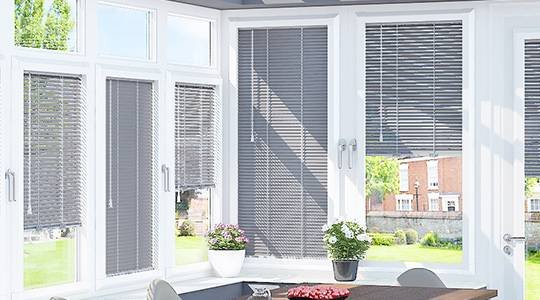
A defining feature of 2026 conservatories is the emphasis on maximal natural light. Large panes, minimal framing, and strategic glazing help create a seamless view of the outdoors while making the interior feel airy and connected to nature. Where budgets or structure permit, designers advocate for triple-glazed or low-emissivity glazing to improve insulation without sacrificing daylight. Light-diffusing treatments, such as sheer curtains or frosted glass, can soften glare during peak sun hours, while reflective finishes on furniture amplify ambient brightness.
2) Nature-Inspired Palettes and Materials
Color schemes favor soft neutrals grounded by botanical greens, sky blues, and earthy ochres. Materials lean toward tactile, sustainable options: rattan, bamboo, reclaimed wood, cork, and woven textiles provide warmth and texture. The trend prioritizes eco-conscious sourcing, with buyers seeking durable, low-maintenance options that age gracefully. In practice, this means pairing a light timber floor with linen upholstery, and accenting with potted plants or vertical greenery to reinforce the biophilic connection.
3) Flexible, Multi-Functional Layouts
Rather than fixed zones, 2026 conservatories embrace adaptable furniture and modular arrangements. Sofa-and-coffee-table configurations can be reconfigured for entertaining, while compact work niches or gallery corners offer flexibility for daily tasks. Folding screens, ottomans with storage, and lightweight, stackable seating enable quick reorganization to suit different activities—from casual lounging to formal dining.
4) Indoor-Outdoor Continuity
Conscious design strives to blur the line between inside and outside. This is achieved through outdoor-grade furniture indoors, seamless transitions to deck or garden spaces, and color or material echoes between the conservatory and surrounding landscape. Outdoor fabrics with UV resistance, weatherproof finishes, and easily washable surfaces extend the lifespan of a year-round living area that feels connected to nature.
5) Layered Lighting for Ambience and Function
A sophisticated lighting strategy combines ambient, task, and accent layers. Recessed ceiling fixtures, pendant lights, and wall sconces create a warm baseline, while adjustable task lighting supports reading, crafts, and work. Accent lighting highlights architectural features, plants, or artwork. Smart lighting systems enable scene presets that adjust color temperature and intensity to suit mood and activity, extending usability after sunset.
6) Sustainable and Low-Maintenance Upgrades
Energy efficiency remains a pivotal consideration. Energy-saving glazing, underfloor heating, and passive solar design elements help regulate temperature year-round. Low-maintenance materials—synthetic rattan, porcelain composites, and durable outdoor fabrics—reduce upkeep while maintaining a refined look. Many homeowners also explore rainwater harvesting and solar integration to improve sustainability and reduce running costs.
7) Statement Focal Points
Conservatories now often feature bold focal elements to anchor the space. This can be a sculptural plant arrangement, a dramatic textile wall hanging, a striking rug, or an eye-catching art piece. The goal is to provide visual interest without clutter, ensuring the room remains serene despite its multifunctional uses.
8) Green Walls and Vertical Gardening
Vertical planting systems and green walls are popular for adding life and air quality to the conservatory. They maximize vegetation without consuming precious floor space, creating a lush backdrop that enhances the sense of being outdoors. Modular planters, trellises, and pocket gardens can be customized to suit sun exposure and humidity levels.
9) Tech-Enhanced Comfort
Smart climate control, humidity management, and automated shading contribute to year-round comfort. Weather-aware automations adjust blinds, vents, and heating to maintain stable conditions with minimal manual input. Integrating charging ports, wireless charging surfaces, and smart speakers keeps the space functional for work and relaxation alike.

*圖片來源:Unsplash*
10) Artful Collections and Personal Expression
Beyond furniture, the conservatory becomes a curated space for art, photography, and collections. Thoughtful display solutions—gallery shelves, climate-controlled cases for sensitive items, and protective UV-filtering glass—allow owners to showcase objects while preserving them. A curated mix of heirlooms and contemporary pieces helps create a timeless, personalized environment.
Perspectives and Impact
The 2026 conservatory trends reflect broader shifts toward resilient, multifunctional living spaces that respond to climate realities and evolving lifestyles. As people increasingly work, entertain, and unwind at home, the conservatory emerges as a crucial transitional zone between indoor comfort and outdoor experiences. The emphasis on sustainable materials and energy-conscious design aligns with growing environmental awareness, while modular layouts support changing household needs without costly renovations. The integration of smart technology further enhances comfort and usability, enabling homeowners to tailor the space to time of day, season, or personal preference.
Practically, these trends encourage homeowners to reimagine previously neglected spaces. Even smaller conservatories can benefit from lightweight, flexible furnishings and strategic lighting to create a sense of openness. For new builds, architects and designers are prioritizing high-performance glazing, thermal breaks, and sun shading to maximize year-round comfort. Overall, the trend landscape suggests that conservatories will continue to grow in significance as primary living areas that combine beauty, wellness, and practicality.
Future implications include increased demand for skilled installation of energy-efficient glazing and climate-control systems, as well as a broader market for durable, stylish outdoor-indoor furniture. As homeowners seek personalized, low-maintenance solutions, designers may offer more modular, kit-based approaches that allow rapid customization without extensive builds. The role of biophilic design will likely expand, with more emphasis on plant health, air quality, and integrating living systems into interior architecture.
Key Takeaways
Main Points:
– Conservatories are shifting toward year-round, multi-functional living spaces with strong ties to nature.
– Large glazing, sustainable materials, and layered lighting are central to current designs.
– Flexible layouts and indoor-outdoor continuity maximize usability and comfort.
Areas of Concern:
– Higher upfront costs for high-performance glazing and smart systems.
– Maintenance considerations for outdoor fabrics and plant-heavy setups.
– Climate-specific challenges that may require professional guidance for optimal results.
Summary and Recommendations
The 2026 conservatory decor trends advocate for bright, breathable spaces that harmonize with the outdoors while delivering practical comfort and energy efficiency. To implement these trends successfully, homeowners should prioritize adaptable furniture, durable, low-maintenance materials, and integrated lighting that supports daily activities and evening ambiance. Embracing nature-inspired palettes and green walls can enhance mood and air quality, while smart technology ensures comfort and convenience across seasons. For those planning new builds or significant renovations, investing in high-performance glazing, effective insulation, and modular design components will yield long-term benefits in resilience and versatility.
In applying these trends, start with a clear assessment of how you use the space throughout the year, your local climate, and your budget. Seek professional guidance for glazing choices, climate control, and electrical planning. Then, gradually introduce elements: add a flexible furniture plan, retrofit or install smart shading and lighting, integrate a green wall or vertical planter, and curate a balanced mix of textures, colors, and art that reflects your personal style. With thoughtful execution, the conservatory can become a beloved, functional sanctuary that remains vibrant and relevant for years to come.
References
- Original: https://abeautifulspace.co.uk/10-epic-conservatory-decor-trends-for-2026/
- Additional references:
- https://www.architecturaldigest.com
- https://www.housebeautiful.com
- https://www.remodelista.com
Forbidden:
– No thinking process or “Thinking…” markers
– Article must start with “## TLDR”
Ensure content is original and professional.

*圖片來源:Unsplash*