TLDR
• Core Points: Urban balcony gardens are expanding with compact, sustainable, and stylish solutions in 2026, emphasizing modular design, low-maintenance plants, and multisensory experiences.
• Main Content: The trends favor scalable planters, vertical gardens, smart irrigation, eco-friendly materials, and a blend of greenery with seating and shade for versatile, welcoming outdoor spaces.
• Key Insights: Small spaces can be highly functional with thoughtful organization, weatherproof materials, and adaptable furniture that doubles as storage.
• Considerations: Maintenance routines, irrigation needs, and safety for shared or high-rise balconies require careful planning and adherence to building codes.
• Recommended Actions: Prioritize sunlight mapping, choose modular systems, select drought-tolerant species, and invest in durable, lightweight furniture and planters.
Content Overview
The rise of balcony gardening in 2026 reflects a broader shift toward making the most of urban outdoor spaces. As cities densify and living areas shrink, residents are transforming narrow ledges and compact balconies into functional green retreats. This trend is driven by a desire for fresh air, better aesthetic appeal, and a sense of personal oasis in the middle of a bustling city. Smart technologies, sustainable materials, and adaptable design concepts enable balcony gardens to be both low-maintenance and high-impact. The balance between form and function remains central: spaces that are visually appealing while being practical, weather-resistant, and easy to care for. The following trends capture the ways designers, homeowners, and urban dwellers are reimagining balcony spaces in 2026.
In-Depth Analysis
Balcony gardens have matured from decorative plant shelves to full-fledged outdoor rooms. The 2026 landscape emphasizes modularity and flexibility, allowing for easy reconfiguration as needs change—whether a shift to a herb garden for cooking, a flowering display for visual interest, or a quiet corner for reading. One core trend is the use of modular, stackable planters and rail planters that maximize vertical space without overwhelming the footprint. These systems are designed to be lightweight yet sturdy, enabling easy installation and rearrangement as plant heights and sun exposure evolve with seasons.
Vertical gardens remain a staple for limited spaces. Green walls, trellises, and living screens offer green presence without occupying precious floor area. For those with higher sun exposure, climbers and vining plants can create living canopies that provide shade and a sense of enclosure. On shaded balconies, shade-tolerant shrubs, ferns, and tropical-inspired foliage deliver lushness without compromising plant health. The choice of plant varieties is increasingly guided by climate, microclimates, and maintenance considerations, with a growing emphasis on drought-tolerant and low-water landscaping to reduce irrigation demands.
Irrigation technology is rising in popularity, with smart watering systems that monitor soil moisture, weather conditions, and user preferences. Connectable to smartphones, these systems help ensure plants receive appropriate amounts of water, reducing waste and preventing overwatering. Drip irrigation, pocket-sized moisture meters, and efficient pot designs contribute to healthier balcony ecosystems while conserving water—a critical factor in urban environments where water use and runoff matter.
Materials chosen for balcony gardens reflect a shift toward durability, sustainability, and weather resistance. Recycled composite woods, powder-coated metals, and UV-stable plastics are common, as they endure sun, wind, and rain with minimal maintenance. These materials also tend to be lighter than traditional timber, easing installation on balcony railings and walls. For seating and surfaces, tempered glass, weatherproof wicker, and high-density polyethylene (HDPE) options offer longevity and a refined aesthetic. Finishes and color palettes lean toward neutral tones with bursts of greenery, helping spaces feel larger and more cohesive with building exteriors.
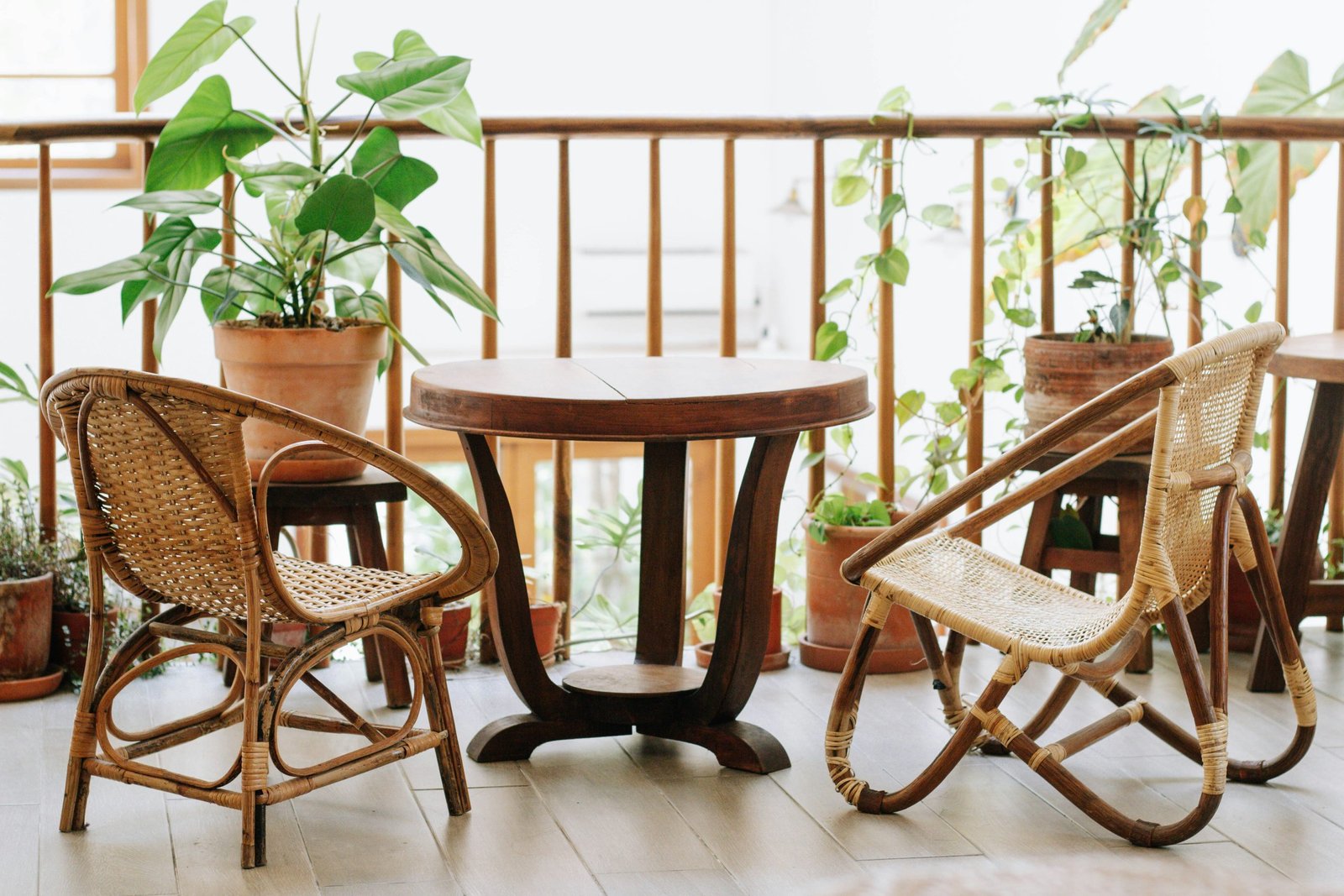
There is a growing convergence of garden design with outdoor living rooms. Seating areas—ranging from compact lounge chairs to foldable ottomans—are integrated with planters to create intimate zones. Multi-functional furniture that doubles as storage, planters with built-in seating, and hidden compartments help maximize every square inch. Lighting is equally important, with solar-powered or low-voltage fixtures that extend usability into the evening. Ambient lighting, warm color temperatures, and soft silhouettes contribute to a welcoming atmosphere without compromising functionality.
Edible gardening continues to ascend in popularity. Small herb patches, compact tomato trellises, dwarf fruit trees, and edible flower varieties enable balcony tenants to grow fresh produce and flavor-enhancing herbs. Vertical herb gardens and pocket planters bring herbs within arm’s reach for cooking. Even for those without a full sun balcony, clever placement and plant selection allow a surprising variety of edible greens to thrive, underscoring the balcony as a place for practical agriculture alongside aesthetic green spaces.
Sustainability aspects are increasingly highlighted. Reuse and repurpose strategies, such as repurposing shipping containers or pallets into planters, reflect a broader commitment to eco-friendly practices. Water collection through rain barrels or repurposed containers supports irrigation while reducing runoff and pressure on city water systems. The emphasis on longevity—choosing durable hardware and sustainable materials—ensures balcony gardens remain vibrant through changing seasons and renters’ moves.
Sensory experiences—the visual, tactile, and aromatic elements—are being prioritized. Fragrant plants, textured foliage, and flowering varieties provide multi-sensory engagement. The scent of lavender or jasmine, the tactile feel of fuzzy lamb’s ear, and the gentle rustle of eucalyptus leaves contribute to a calming, immersive outdoor environment. Designers encourage layering textures and colors to create depth and interest, making even small spaces feel larger and more dynamic.
Accessibility and safety considerations remain at the forefront. Handrails and guardrails must meet building codes and safety standards, especially on higher floors. Lightweight, stable furniture reduces the risk of tipping, and non-slip surfaces help prevent accidents in wet conditions. For rental properties, modular designs allow future tenants to adapt the space without permanent changes. Clear pathways, adequate clearance for doors, and appropriate weight ratings for planters are essential planning components.

*圖片來源:Unsplash*
Finally, the role of professional guidance is evolving. Landscape designers and garden planners increasingly provide remote consultations for balcony projects, enabling urban dwellers to access expertise without on-site visits. This is particularly helpful for renters or owners with unusual balcony shapes, limited daylight, or strict building restrictions. Virtual mood boards, 3D renderings, and shopping lists help translate a vision into a tangible, actionable balcony garden plan.
Perspectives and Impact
The accelerated adoption of balcony gardening in 2026 reflects broader urban living trends. As households seek ways to decompress from city life and improve air quality, balcony gardens offer a practical, scalable solution. They also contribute to mental well-being by providing a daily connection to nature, even in compact city real estate. The environmental footprint can be positive when balcony spaces utilize drought-tolerant species, recycled materials, and efficient irrigation systems. In shared or multifamily buildings, balcony gardens can enhance community atmosphere by encouraging neighbors to share tips, swap cuttings, and engage in micro-green initiatives.
Looking ahead, several developments could shape the evolution of garden balconies. First, continued improvements in lightweight, robust materials will make more ambitious designs feasible on smaller footprints. Second, automation and AI-driven care systems may simplify plant maintenance, helping novice gardeners achieve better results with less effort. Third, customization and personalization will drive demand for modular units that accommodate diverse climates, species, and user preferences. Finally, policy and building-code changes could either streamline balcony gardening or introduce new constraints, particularly around weight limits, drainage, and shared space usage.
From a social perspective, balcony gardens can influence neighborhood aesthetics and property values. Well-designed outdoor spaces are increasingly seen as extensions of home living quality, contributing to curb appeal and resident satisfaction. As more residents demand green, livable spaces, builders and property managers may invest in balcony-friendly infrastructures, such as built-in lighting, drainage solutions, and modular garden components, to facilitate sustainable greenery in urban settings.
Economically, the trend supports a market for compact gardening tools, space-efficient planters, and weatherproof furniture. Retailers and local suppliers may offer tiered product lines designed for balconies, including beginner kits, drought-tolerant plant bundles, and climate-adaptive planting guides. The industry could also explore rental or subscription services for seasonal plants, enabling residents to refresh green displays without heavy upfront costs.
Ultimately, 2026’s garden balcony trends suggest a practical, aesthetically pleasing approach to outdoor living in urban environments. The emphasis on modularity, sustainability, edible potential, and multisensory experiences indicates that balcony spaces will continue to evolve as essential components of modern city living. As design philosophy shifts toward more adaptable, low-maintenance solutions, balcony gardens will likely become standard features in many urban homes, offering a private green sanctuary amid the concrete landscape.
Key Takeaways
Main Points:
– Modularity and vertical design maximize limited balcony space.
– Eco-friendly materials and water-efficient systems are central.
– Multi-functional furniture and lighting enhance usability after dark.
Areas of Concern:
– Structural weight limits and building codes must be respected.
– Maintenance expectations should be realistic for rental properties.
– Adequate sun exposure or shading strategies are essential for plant health.
Summary and Recommendations
For urban dwellers looking to embark on balcony gardening in 2026, the key is to plan around space, sunlight, and maintenance capacity. Start with a clear assessment of balcony dimensions, weight limits, and sun exposure patterns. Prioritize modular planters, vertical gardening options, and durable, weather-resistant materials to create a scalable foundation. Choose a mix of drought-tolerant, low-water plants for easy care and incorporate edible varieties where possible to boost practicality. Invest in a simple smart irrigation system to ensure consistent watering, and pair the greenery with comfortable seating, shade solutions, and appropriate lighting to create an inviting outdoor room. Regular maintenance routines—small, scheduled sessions for pruning, checking irrigation, and rotating plants—will help preserve the health and beauty of the balcony garden throughout the year. As the balcony garden matures, consider expanding with additional modules or reconfiguring layouts to accommodate changing needs or seasons. By combining thoughtful design with sustainable practices, balcony gardens in 2026 can deliver a durable, enjoyable outdoor space that enhances urban living.
References
– Original: https://abeautifulspace.co.uk/10-garden-balcony-trends-in-2026-youll-see-everywhere/
– Additional reference ideas:
– Public or trade publications on urban balcony gardening trends and modular planter systems
– Guides on drought-tolerant plants suitable for high-rise balconies
– Resources on balcony safety, weight limits, and building code considerations

*圖片來源:Unsplash*