TLDR
• Core Points: Urban dwellers are transforming small balconies into verdant, functional retreats with modular design, low-maintenance greenery, and sustainable materials.
• Main Content: The trend article examines practical ways to maximize tiny outdoor spaces through smart planting, weatherproof furniture, and tech-enabled care.
• Key Insights: Balconies increasingly blend aesthetics with sustainability, safety, and multi-season usability, supported by modular systems and creative containers.
• Considerations: Budget, local climate, building restrictions, and maintenance commitment influence trend adoption.
• Recommended Actions: Start with a lightweight plan, choose drought-tolerant plants, invest in modular furnishings, and explore vertical gardens.
Content Overview
Garden balcony trends are taking center stage in 2026 as more people pursue urban living without sacrificing outdoor moments. Small outdoor spaces on apartment facades are no longer afterthoughts; they’re becoming essential extensions of the home. The shift reflects a broader interest in wellness, sustainability, and everyday green living, even when square footage is limited. This article compiles ten prominent trends shaping balcony gardens this year, illustrating how design, technology, and smart plant care come together to create inviting, low-maintenance outdoor rooms.
Key themes include modular and adaptable furnishings that maximize flexibility, container gardening that scales with seasonality, and resilient plants chosen for drought tolerance and local climate. There is a strong emphasis on safety and practicality—balconies must endure wind exposure, weight limits, and weather conditions, all while delivering shade, privacy, and functional outdoor dining or lounging spaces. Aesthetics are balanced with environmental considerations, incorporating recycled or sustainably sourced materials, water-wise irrigation, and composting when feasible. The result is a collection of balcony setups that can feel like miniature outdoor retreats without demanding extensive upkeep or large budgets.
This article synthesizes insights from designers, plant specialists, and urban living guides to present a comprehensive guide to the top ten garden balcony trends for 2026. Each trend is explained with its rationale, practical application, and tips for implementation to help readers decide which ideas best fit their balcony, climate, and lifestyle.
In-Depth Analysis
1) Modular, Flexible Balcony Furniture
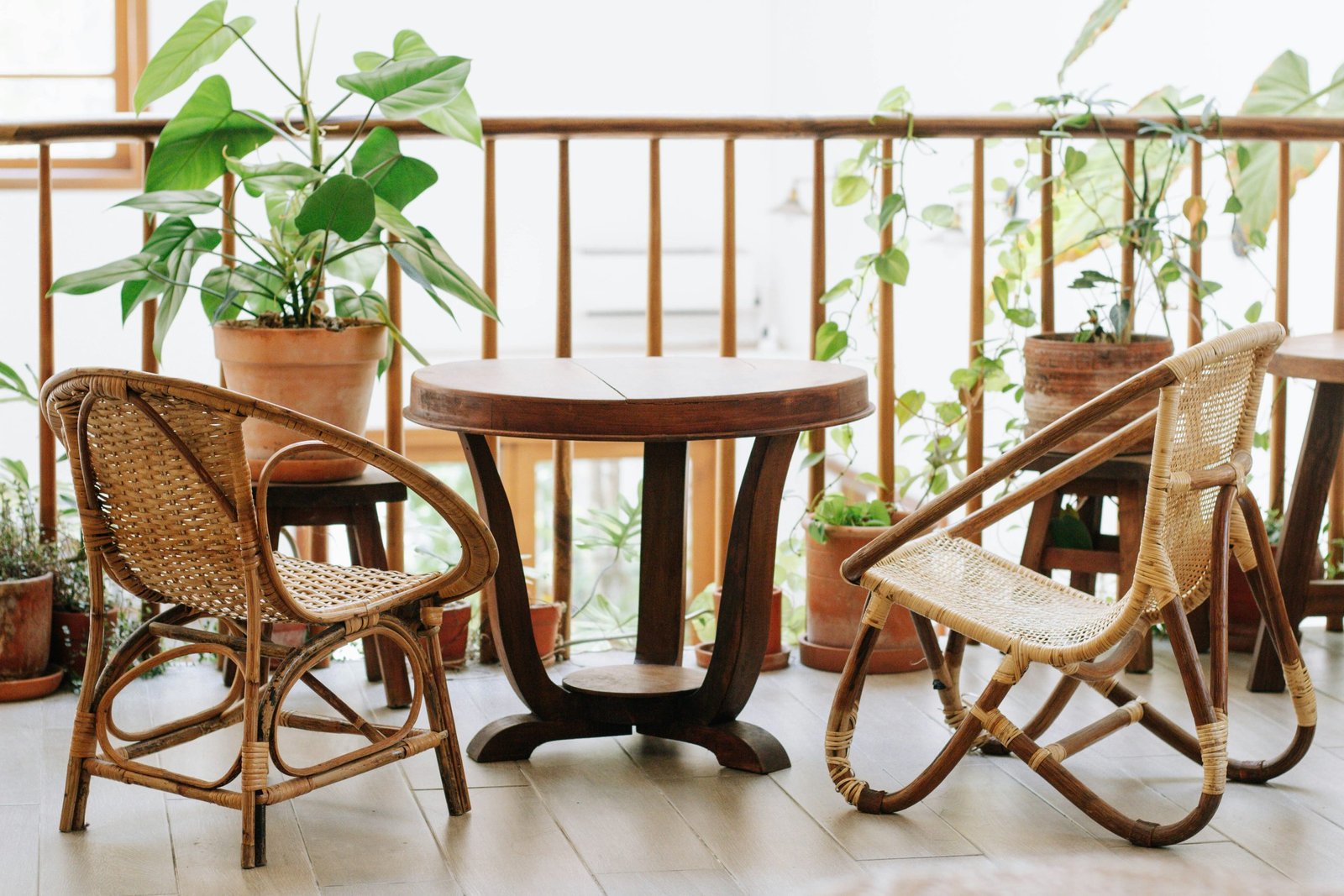
The demand for flexible outdoor furniture continues to rise. Instead of fixed dining sets, homeowners and renters favor modular pieces that can be rearranged to suit different occasions—coffee chats, al fresco meals, or quiet reading nooks. Lightweight frames, stackable chairs, and fold-down tables reduce weight and make seasonal storage easier. Textiles in outdoor fabrics are designed to resist fading and moisture, ensuring longevity in sunlit or rainy climates. The trend highlights versatility, allowing a balcony to transform within minutes from a breakfast spot to a small entertainment area.
2) Vertical Greenery and Wall Planters
Vertical gardens optimize space by growing plants upward rather than outward. Wall-mounted planters, trellises, and pocket planters enable herb gardens, flowering climbers, or compact vegetable beds on balconies with limited floor space. This approach improves air quality, adds privacy, and creates a living focal point. For practicality, homeowners are choosing lightweight, modular vertical systems that are easy to install and maintain, with built-in reservoirs or self-watering features.
3) Drought-Tolerant and Native Plant Selections
Water scarcity concerns and climate-aware gardening push many balcony gardeners toward drought-tolerant species. Native plants adapted to local conditions typically require less maintenance, fewer fertilizers, and better resilience against pests. Native grasses, succulents, and hardy perennials are popular choices. Pairing drought-tolerant plants with efficient irrigation—such as drip lines or moisture-retentive planters—helps sustain greenery through dry spells while minimizing water usage.
4) Weather-Resistant Materials and Finishes
Balcony environments expose furniture and décor to wind, rain, and sun. This year’s trend emphasizes weather-resistant materials like powder-coated metals, teak or eucalyptus hardwoods with marine finishes, and durable rattan alternatives. Protective coatings and UV-resistant textiles extend the life of outdoor furnishings. When selecting materials, buyers consider weight, maintenance requirements, and the balcony’s load-bearing capacity.
5) Privacy-Enhancing Design
Privacy remains a top priority for balcony gardens, especially in dense urban settings. Solutions include lattice screens, tall planters with evergreen screening plants, outdoor curtains, and strategically placed furniture to create intimate zones. Sustainable privacy elements—such as living walls or bamboo screens—provide shade, reduce glare, and soften the balcony’s silhouette without blocking natural light completely.
6) Lighting that Extends Use and Mood
Outdoor lighting now serves both practicality and ambiance. Solar-powered and low-voltage LED options highlight pathways, plants, and seating areas while conserving energy. Warm white lighting creates a welcoming atmosphere after sundown, and smart lighting systems enable schedules and color tuning. Lighting choices also consider safety, ensuring steps and edges are well-lit for nighttime use.
7) Container Gardening Systems with Smart Irrigation
Containers remain the backbone of balcony gardening. The 2026 trend emphasizes smart, modular container systems that are easy to reconfigure. Self-watering planters and compact irrigation controllers help maintain consistent moisture with minimal effort. Colorful, varied-planter arrangements add visual interest, while ongoing plant provisioning—whether herbs, small vegetables, or flowering annuals—keeps balcony spaces productive and inviting.
8) Multi-Season Usability: Heating, Cooling, and Shade
Balconies with year-round usability often employ shade solutions and microclimate adjustments. Retractable awnings, umbrella shade, and shade cloths help manage intense sun. Small outdoor heaters or fire pits provide warmth during cooler months in temperate climates, extending balcony usage. Strategic plant placement can create microclimates—cooler shaded zones beneath taller plants or wind-protected corners for comfortable seating.
9) Sustainable and Low-Impact Practices
Sustainability permeates balcony gardening through composting, rainwater harvesting, and the use of recycled or upcycled planters. Many urban gardeners choose refillable, recyclable, or biodegradable pots and shelves. Emphasis on reducing material waste aligns with broader environmental goals and city living realities, where resources and space are limited.
10) Personalization and Wellness-Oriented Spaces
Balconies are increasingly designed as personalized wellness zones. Soft textiles, outdoor rugs, a small herbal corner, and plant companions that encourage mindfulness contribute to a sense of calm. The trend blends aesthetics with well-being, turning balcony time into moments of relaxation, light exercise, or concentration—an important counterpoint to indoor routines.

*圖片來源:Unsplash*
Implementation tips and best practices
– Start with a realistic plan: measure the balcony, assess weight limits, and determine sun exposure hours to guide plant and furniture choices.
– Choose a core plant mix: select a few drought-tolerant ornamentals or culinary herbs that thrive in your climate and suit your balcony’s light.
– Prioritize lightweight, modular pieces: opt for easy-to-move furniture that can adapt to seasonal storage needs and weather conditions.
– Layer for privacy and microclimates: combine tall planters, hanging greenery, and windbreaks to create intimate zones and protect delicate plants.
– Invest in irrigation and drainage: ensure proper drainage, prevent water pooling, and consider a simple drip system or self-watering pots for consistency.
– Maintain year-round interest: rotate seasonal plants and use evergreen elements to keep structure and color through different seasons.
– Mind safety and building rules: check balcony weight limits, fire restrictions, and any community guidelines for outdoor modifications.
Perspectives and Impact
The ascent of garden balcony trends signals a broader shift in urban design and lifestyle. As cities densify and living spaces compress, balconies serve as essential outdoor extensions—places for gathering, relaxation, and personal well-being. The emphasis on modular design, vertical gardening, and sustainable materials points to a more adaptable, lower-maintenance approach to exterior space management. This reflects changes in consumer behavior, where people seek meaningful, low-effort greenery that integrates with rooftops, courtyards, and terraces.
Technological and design innovations support these trends. Smart irrigation systems, self-watering planters, and weather-resistant materials make balcony gardening more accessible to beginners and busy professionals alike. The use of native and drought-tolerant plants aligns with water conservation efforts and encourages biodiversity in micro-ecosystems that exist on balconies. Privacy solutions that double as green features demonstrate an elegant balance between openness and seclusion, a critical consideration in dense urban environments.
Looking ahead, several implications emerge. First, the market for modular outdoor furniture and balcony-specific gardening products is likely to grow, with more brands offering compact, stackable, and adaptable options tailored to small spaces. Second, urban planners and architects may incorporate balcony gardening as a standard element in building design, acknowledging the mental and physical health benefits of exposure to greenery. Finally, climate resilience will shape plant selections and irrigation strategies, with a greater emphasis on resilience to heat, wind, and drought.
Potential challenges also accompany these trends. Limited space means every square inch must be maximized without compromising safety. Balcony weight limits constrain container choices, especially when using water-retaining systems. Building policies may restrict certain installations, such as freestanding structures, heavy planters, or permanent vertical gardens. Maintenance remains a consideration, as some enthusiasts may underestimate the ongoing care required for healthy, thriving balcony greenery.
Overall, the 2026 garden balcony trends reflect a convergence of aesthetics, practicality, and sustainability. They encourage urban residents to cultivate personal oases that enhance well-being, contribute to environmental stewardship, and fit within the constraints of city living. The result is a suite of balcony designs that feel intentional, livable, and adaptable to diverse climates and lifestyles.
Key Takeaways
Main Points:
– Balconies are evolving into adaptable outdoor rooms with modular furniture and flexible layouts.
– Vertical gardening and native, drought-tolerant plants maximize space and resilience.
– Sustainability and privacy are integrated through materials, water-wise systems, and green screens.
Areas of Concern:
– Building restrictions and safety limits on weight and installations.
– Maintenance demands for year-round greenery in varying climates.
– Cost considerations for high-quality, weatherproof materials and smart irrigation.
Summary and Recommendations
In 2026, garden balcony trends emphasize turning small urban spaces into functional, stylish retreats that harmonize nature with daily life. The most actionable approach combines modular furniture, vertical greenery, drought-tolerant plantings, and smart irrigation to create a low-maintenance, year-round balcony garden. Start with a practical assessment of space, sun exposure, and weight limits, then select a core set of drought-tolerant plants and lightweight, modular furniture. Integrate vertical gardening elements to maximize greenery without sacrificing floor space, and invest in weather-resistant materials to ensure longevity. Add privacy features that double as green elements to create intimate zones while maintaining openness where desired. Finally, consider the long-term maintenance plan, including irrigation, seasonal plant rotation, and cleaning routines to keep the balcony inviting through the seasons.
By adopting these trends thoughtfully, urban dwellers can enjoy the mental health benefits of nature, increase the usability of outdoor spaces, and contribute to sustainable living—all within the constraints and opportunities of modern city life.
References
- Original: https://abeautifulspace.co.uk/10-garden-balcony-trends-in-2026-youll-see-everywhere/
- Additional references:
- https://www.apartmenttherapy.com/garden-balcony-design-ideas-367124
- https://www.housebeautiful.com/home-remodeling/garden-ideas/a36812367/small-balcony-garden-ideas/
- https://www.greenmatters.com/life/balcony-garden-ideas
Forbidden:
– No thinking process or “Thinking…” markers
– Article must start with “## TLDR”
Original content source retained as reference; interpretations are original and not direct reproductions.

*圖片來源:Unsplash*