TLDR
• Core Points: Urban balconies embrace compact, flexible greenery, modular design, and sustainable materials for year-round enjoyment.
• Main Content: The 2026 balcony garden craze emphasizes smart use of small outdoor spaces, climate-conscious choices, and personalized greenery ensembles.
• Key Insights: Versatility, low-maintenance setups, and multi-functional furniture dominate, while seasonal plants, vertical layouts, and privacy solutions shape the aesthetic.
• Considerations: Budget, weight limits, local climate, and maintenance capacity affect plant choices and design decisions.
• Recommended Actions: Prioritize modular planters, irrigation solutions, and weather-resilient species; plan for year-round interest with seasonal rotations.
Content Overview
Balcony gardening has surged in prominence as urban living becomes the norm. In 2026, homeowners and renters alike are turning to their vertical and relatively compact outdoor spaces to create green retreats, grow edible herbs, and extend living areas. The growing trend centers on maximizing utility without sacrificing style, leveraging compact planters, modular furniture, and smart irrigation to maintain lush displays with minimal upkeep. With limited space, designers and gardeners are prioritizing versatility—balconies that can function as a morning sunlit coffee nook, a shaded reading retreat, or a small dining area beneath a canopy of greens. In addition, climate-conscious choices—native species, drought-tolerant varieties, and recycled or recyclable materials—are common themes, aligning with broader sustainability goals. This article synthesizes ten trends shaping garden balconies in 2026, offering context, practical examples, and considerations for adopting these approaches in diverse urban environments.
In-Depth Analysis
1) Modular and Tiered Planters
As space is at a premium, modular and tiered planter systems have become essential. They enable gardeners to stack and rearrange growing areas without sacrificing floor space. These setups support a mix of flowering plants, herbs, and compact vegetables, while hidden compartments can house irrigation lines or storage. Pros include scalable growth and easier maintenance; cons may involve weight considerations and assembly effort. Selecting lightweight, durable materials such as high-density polyethylene (HDPE) or powder-coated aluminum helps address load and longevity concerns. For renters, modular options offer a reversible way to personalize a balcony without altering the structure.
2) Vertical Gardens and Wall-Mounted Greens
Vertical gardens maximize exposure to light and increase plant diversity on small balconies. Wall-mounted planters, pocket gardens, and trellis systems transform bare walls into living canvases. These installations can host a mix of trailing vines, compact herbs, and ornamental grasses, creating a dynamic backdrop. Maintenance is concentrated at accessible heights, reducing bending strain. When designing vertical displays, consider sun exposure, drainage, and airflow to prevent mold and root rot.
3) All-Season Comfort with Weather-Resilient Furnishings
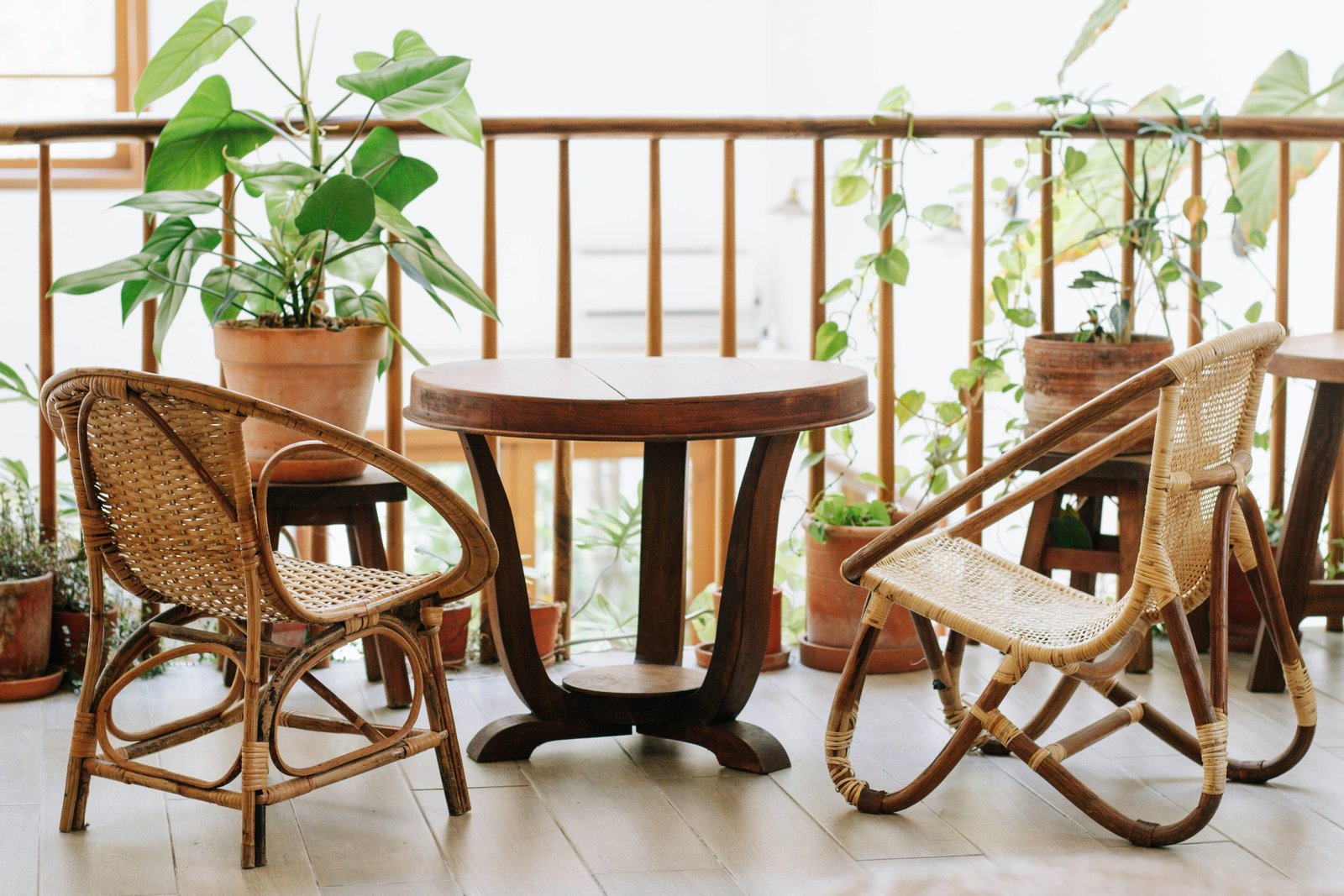
Balconies are increasingly treated as year-round living spaces. Weather-resistant furniture—teak, synthetic wicker, powder-coated metals, and fast-drying fabrics—encourage extended use beyond spring and summer. Cushions designed with water-repellent fabrics and removable, washable covers help sustain comfort through rain or humidity. Designers also advocate shade strategies, such as retractable sun sails or compact pergolas, to maintain comfort during hot days and protect plants from excessive heat.
4) Low-Water, Native, and Drought-Tolerant Plantings
Water-conserving plant selections are central to sustainable balcony gardening. Native plants or climate-adapted varieties typically require less irrigation, resist local pests, and attract beneficial pollinators. Drought-tolerant species, including succulents and certain Mediterranean herbs, suit arid or Mediterranean climates. A smart irrigation system with moisture sensors can further optimize water use by delivering precise amounts based on soil moisture and weather data.
5) Edible and Pollinator-Friendly Micro-Kitchens
Growing edible herbs, greens, and compact vegetables on balconies is increasingly popular. Micro-kitchens or herb islands allow cooks to access fresh ingredients close at hand. Companion planting and diverse crops support pollinators, even in tight spaces. To maximize yields, use vertical supports for climbing plants (such as dwarf beans or small cucumbers) and plan for staggered harvests. Ensure containers have adequate depth and drainage for root health.
6) Privacy Through Green Screens and Textural Layers
Balconies often double as an intimate retreat from neighboring spaces. Green screens—living hedges made from tall grasses, bamboo, or climbing vines—provide privacy while softening hard edges. Layered textures using grasses, ferns, and flowering perennials add depth and sound dampening. Privacy strategies also include lattices, trellises with grow-through plants, and balcony curtains or outdoor screens that can be drawn as needed.
7) Sustainable Materials and Recycled Décor
Environmental responsibility informs material choices on 2026 balconies. Recycled plastic or composite planters, sustainably sourced wood, and recycled metal accents reduce environmental impact. In addition, many designers emphasize items that can be repaired or repurposed rather than discarded, aligning with circular design principles. This approach not only reduces waste but also creates a cohesive, earthy aesthetic.
8) Lighting for Mood and Function
Lighting extends balcony usability into early mornings and evenings. Solar-powered LEDs, string lights, and lanterns create ambiance without relying heavily on electrical infrastructure. Task lighting near cooking or reading zones improves safety and usability. Smart lighting that adjusts intensity based on sunset and occupancy enhances convenience while reducing energy use.

*圖片來源:Unsplash*
9) Microclimate Zoning and Flexible Layouts
Even small balconies can support multiple microclimates. Zoning the balcony into sun-friendly and shade-tolerant areas helps plants thrive and the space feel organized. Flexible layouts with movable furniture and adjustable planters allow the space to adapt to seasonal sun angles and weather patterns. Thoughtful circulation paths prevent crowding and maintain a sense of openness.
10) Personalization Through Artful Plants and Accessories
The final trend emphasizes creating a balcony persona that reflects individual taste. Plant palettes, color schemes, and decorative accessories—such as ceramic pots, sculpture accents, and textile cushions—enable owners to craft a distinctive outdoor room. Harmonious palettes and cohesive styling make balconies feel like extensions of the interior, boosting overall enjoyment and property appeal.
Perspectives and Impact
The rise of garden balconies in 2026 reflects broader shifts toward urban greenery, wellness, and sustainability. As cities become denser, people seek pockets of nature that offer psychological relief, clean air, and opportunities for hands-on cultivation. Balcony gardens can contribute to urban biodiversity, particularly when residents incorporate native species and pollinator-friendly plants. The emphasis on modularity and multi-functionality mirrors living-space constraints in metropolitan areas, where people want outdoor areas that adapt to work, relaxation, and social life.
From an economic perspective, balcony gardening supports local plant suppliers, home improvement retailers, and outdoor furniture makers. For renters and building management, balconies that are designed for durability and ease of maintenance can improve tenant satisfaction and property value. In terms of climate resilience, water-conscious planting and durable materials help reduce environmental impact while maintaining aesthetic appeal.
Looking ahead, expect continued innovations in lightweight, modular systems, smart irrigation solutions, and climate-appropriate plant lists. As urban ecosystems evolve with changing weather patterns, balcony gardeners will increasingly rely on data-driven care—soil sensors, plant companions, and weather feeds—to optimize plant health and resource use. The trend also invites greater community engagement, with neighbors trading cuttings, sharing balcony design ideas, and collectively cultivating micro-green spaces in shared urban corridors.
Key Takeaways
Main Points:
– Urban balconies prioritize modular, scalable design with vertical gardening systems.
– Year-round usability hinges on weather-resistant furnishings and shade/lighting solutions.
– Sustainable plant choices, including natives and drought-tolerant species, support eco-friendly gardening.
Areas of Concern:
– Weight load and structural compatibility of heavy planters on older buildings.
– Maintenance responsibilities and access to water, especially in rental properties.
– Potential moisture or mold issues in poorly ventilated or shaded balconies.
Summary and Recommendations
The 2026 trend landscape for garden balconies centers on turning small, urban outdoor spaces into functional, beautiful, and sustainable extensions of the home. By embracing modular, vertical planters; weather-ready furnishings; and climate-smart plant selections, balcony gardens can deliver year-round enjoyment, edible yields, and a sense of tranquility amid city life. To get started, consider a phased approach: begin with a core set of modular planters and a small vertical wall, add weatherproof seating, and select a mix of native and drought-tolerant plants suited to the balcony’s sun exposure. Install a simple irrigation system with moisture monitoring to reduce water waste, and incorporate privacy screens or green walls to create a secluded retreat. With thoughtful planning, a balcony can become a versatile, low-maintenance oasis that enhances well-being and property value.
References
- Original: https://abeautifulspace.co.uk/10-garden-balcony-trends-in-2026-youll-see-everywhere/
- Additional references:
- https://www.bhg.com/home-garden/gardening/containers/balconies/
- https://www.apartmenttherapy.com/garden-balcony-ideas-367201
- https://www.greenbuildingscience.com/blog/balcony-gardens-urban-dwellers

*圖片來源:Unsplash*