TLDR
• Core Points: Urban balcony gardens are expanding with compact design, sustainable planting, modular furniture, and smart tech for low-maintenance greenery in 2026.
• Main Content: A shift toward accessible, stylish micro-greenscapes combines vertical farming, hardy plant choices, and multi-functional furniture to maximize small outdoor spaces.
• Key Insights: The trend prioritizes sustainability, privacy, and versatility, with emphasis on weather resilience and easy care.
• Considerations: Space limitations, local climate, and maintenance workload should guide plant and furniture choices.
• Recommended Actions: Start with a balcony assessment, choose modular planters, select weather-tolerant species, and integrate lighting and irrigation solutions.
Content Overview
In 2026, garden balcony trends reflect a broader move toward urban greening and emotional well-being through accessible outdoor spaces. As city life becomes denser and outdoor areas shrink, homeowners and renters alike are reimagining balconies as legitimate extensions of living space. The trend report highlights practical, stylish approaches that balance aesthetics with function, enabling people to grow fresh herbs and small crops, relax, entertain, and enjoy nature without requiring substantial square footage or high maintenance. Expect a focus on modular systems that can be configured to fit narrow widths, robust plant selections that survive fluctuating weather, and smart accessories that simplify care.
The core idea is transforming compact balconies into versatile, year-round environments. This includes vertical gardening to maximize vertical plane utilization, the use of weather-resistant materials, and furniture that folds away when not in use. Lighting, privacy screens, and water-efficient irrigation systems further enhance usability, particularly in urban settings with noise, sightlines, and limited sunlight. Across various markets, designers emphasize sustainability, affordability, and adaptability, ensuring balcony gardens can be installed by renters or homeowners without substantial renovations or investment.
In-Depth Analysis
Balcony green spaces have evolved from simple potted plants to curated micro-gardens that serve multiple purposes: edible harvesting, relaxation, and decorative impact. The 2026 trends underscore modular, scalable solutions. Instead of a single large planter, designers propose a combination of tiered stands, wall-mounted planters, and hanging containers that collectively accommodate a diverse plant palette while preserving floor space.
Vertical farming and trellis systems are a cornerstone of these trends. Climbing plants such as jasmine, clematis, or small-fruit vines can cover railings or privacy screens, offering shade and a visual barrier from neighboring units. For edible yields, compact varieties of herbs (basil, thyme, rosemary), leafy greens (lettuce, spinach), and compact vegetables (dwarf tomatoes, peppers) are favored due to their smaller footprint and quicker harvest cycles. The emphasis on low-maintenance crops aligns with busy urban lifestyles, where balcony owners seek beauty plus practicality without extensive gardening know-how.
Materials chosen for balcony systems prioritize weather resistance and light weight. Aluminum, teak, and powder-coated metals are common for frames and furniture, while planters emphasize UV-stable plastics or fiber composites to resist fading and cracking from sun exposure and temperature swings. For renters, adjustable, non-permanent installations that do not damage the balcony surface are particularly valuable, including freestanding railing planters and freestanding trellises.
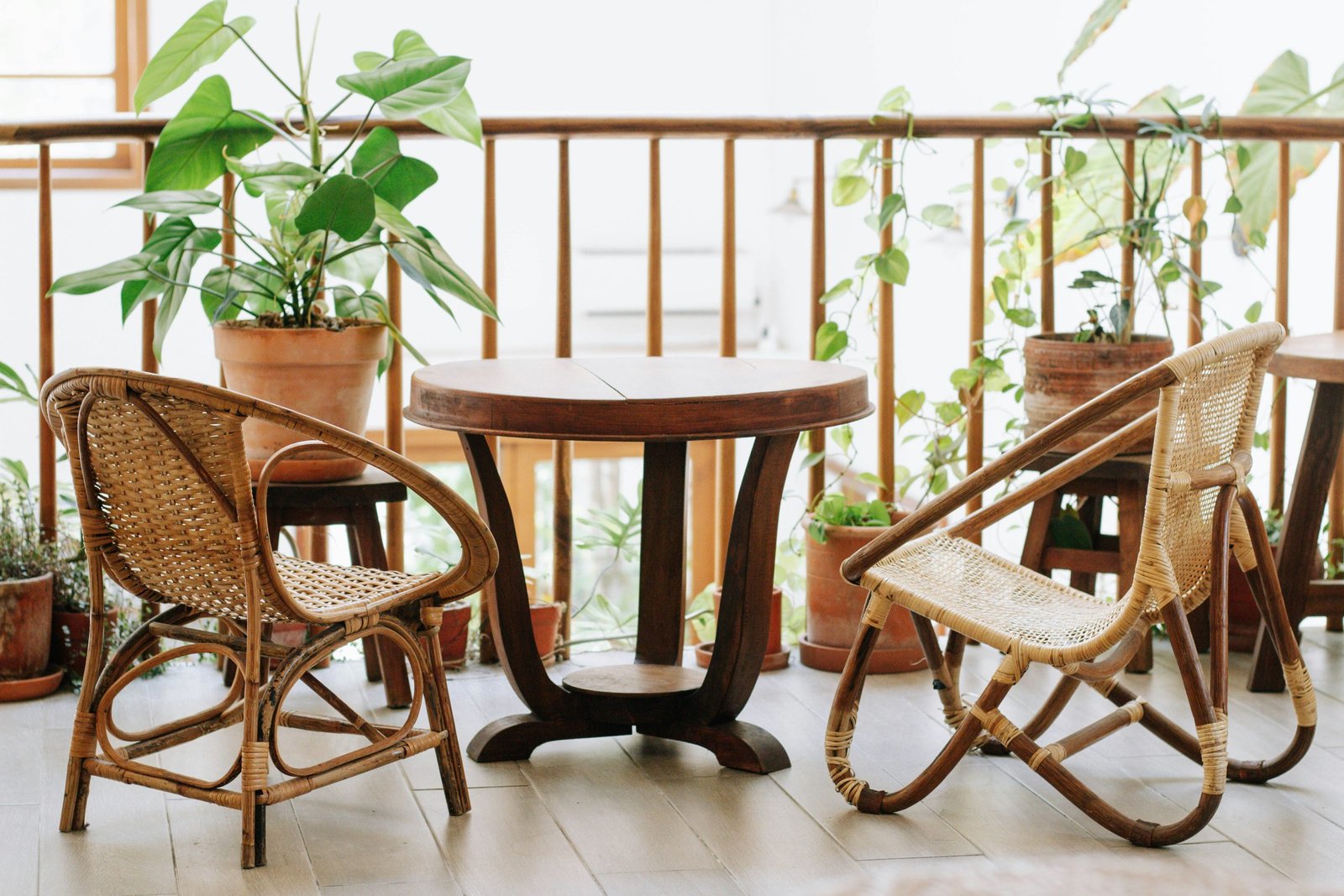
Furniture and accessories are designed for flexible use. Nesting tables, stackable chairs, and foldable loungers allow the balcony to adapt between morning coffee space, dining area, and evening relaxation corner. Cushions and textiles use water-repellent fabrics to withstand humidity and rain, with removable covers for easy cleaning. Lighting is selected for ambiance and safety, combining string lights, solar lanterns, and low-glare LED fixtures to extend usability into the evening without appreciable energy cost.
Automation and smart features appear increasingly in 2026 balcony designs. Soil moisture sensors, smart irrigation controllers, and weather-based watering schedules reduce water waste and maintenance effort. Some systems integrate with balcony lighting or automation hubs, enabling simple routines like “morning herbs” or “evening shade” sequences. While tech adoption varies by budget, even basic solutions—drip irrigation with a timer and self-watering planters—can meaningfully reduce daily upkeep.
Privacy remains a priority in dense urban settings. Privacy screens, lattices with plant coverage, and tall grasses or bamboo screens create a sense of seclusion. Green walls, composed of compact, root-friendly planting modules, offer both visual shelter and air purification benefits. The aesthetic effect is complemented by color theory and seasonal plant choices that ensure the balcony remains attractive through different times of the year.
Sustainability is a core thread running through all trends. Many balcony gardeners emphasize drought-tolerant and native plants that require less water and maintenance. Recycled or reclaimed materials for planters and furniture, as well as composting solutions within small spaces, help reduce waste and chemical inputs. For urban environments with limited soil volume, bioactive or soil-less mixes can provide necessary nutrients while minimizing mess and weight.
Color palettes for balcony design lean toward natural, soothing tones with accent colors inspired by seasonal blooms. Neutral bases—greige, sage, charcoal—are paired with pops of herb-green, terracotta, or flowering hues to create cohesive, year-round appeal. Textures are combined to create visual interest: matte planters against glossy metal, rough wood against smooth ceramic, and soft textiles tempered by sleek planters.
Maintenance expectations shape design choices. Balcony gardens are increasingly conceived as low-effort, high-reward projects. Self-watering planters, pre-grown herbs, and plant selections that tolerate less-than-ideal sun exposure are common. However, designers also stress the value of routine observation, such as checking for pests, rotating sun-loving plants to chase light, and seasonal pruning to encourage healthy growth.
Finally, the 2026 trend landscape highlights inclusivity and accessibility. Designs consider a wide range of mobility levels and dexterity, with adjustable-height planters, easy-access irrigation, and clear labeling of plant care instructions. This approach makes balcony gardening more accessible to beginners and seniors alike, expanding who can enjoy the benefits of balcony greenscape.

*圖片來源:Unsplash*
Perspectives and Impact
The rising prominence of garden balcony trends influences urban planning, real estate aesthetics, and personal well-being. As more people live in high-density housing, the value proposition of balcony spaces shifts from mere outdoor extension to a legitimate accessory living area. Balcony gardens contribute to mental health, offering a calming outdoor refuge, especially in cities with limited access to parks. They also support healthier eating by enabling home-grown herbs and compact vegetables, even in limited spaces.
Economically, these trends drive demand for compact, modular, and durable outdoor furniture and planters. Manufacturers are responding with lighter materials, easy-assembly systems, and designs tailored to renters who cannot perform permanent alterations. The trend also encourages the use of sustainable materials and circular design principles, as consumers seek to minimize environmental impact while maximizing longevity.
Environmentally, balcony gardens can improve air quality and microclimates in a building’s immediate environment. Green walls and dense plantings reduce heat island effects on balconies and neighboring interior spaces by providing shade and cooling through evapotranspiration. Water management strategies, such as rainwater harvesting and efficient irrigation, align with broader urban sustainability goals and can serve as practical educational examples for residents.
Socially, balcony gardens foster community connection. Neighbors may exchange cuttings, share balcony design tips, or trade excess herbs, turning private spaces into micro-communities. This social dimension adds value beyond aesthetics and sustenance, enriching urban life with communal engagement and shared knowledge.
Looking forward, continued innovation in balcony gardening will likely emphasize automation, multifunctionality, and inclusivity. As climate unpredictability grows, resilient plant selections, adaptive container systems, and user-friendly tooling will become standard. The focus on privacy and noise mitigation will persist, especially in dense urban cores. Designers will continue to push for solutions that are both stylish and practical, enabling a broader audience to cultivate green spaces in constrained environments.
Key Takeaways
Main Points:
– Balcony gardens are becoming multifunctional, space-efficient, and accessible to renters.
– Vertical farming and modular systems maximize small outdoor spaces.
– Low-maintenance, drought-tolerant, and native plant selections are prioritized.
– Privacy, lighting, and weather-resilient materials enhance usability year-round.
– Smart features and efficient irrigation reduce care time and water use.
Areas of Concern:
– Taxing urban climates or variable sunlight may limit plant choices.
– Balcony weight limits and structural considerations require careful planning.
– Care demands can rise if high-maintenance crops are chosen without adequate infrastructure.
Summary and Recommendations
The 2026 garden balcony trends indicate a comprehensive shift toward practical, stylish, and sustainable use of small outdoor spaces. By integrating modular planters, vertical farming, and weather-resistant materials, balcony gardens can deliver beauty, food production, and relaxation without demanding extensive time or space. To capitalize on these trends, urban dwellers should begin with a balcony assessment to understand sunlight exposure, weight capacity, and wind patterns. Selecting weather-tolerant, compact plant varieties—such as herbs, leafy greens, and dwarf fruiting options—can provide immediate harvests and ongoing satisfaction.
Investing in modular, non-permanent structures ensures adaptability for renters and seasonal reconfigurations. Pairing these with energy-efficient lighting and smart irrigation enhances usability, particularly in dry or variable climates. Privacy screens and green walls improve seclusion and microclimate, making balconies more inviting and comfortable during different times of day and year. Sustainable choices—recycled materials, composting, and native species—support environmental goals while reducing upkeep.
Overall, 2026 balcony garden trends empower individuals to transform even the tiniest outdoor corner into a thriving, year-round green space. With thoughtful planning and scalable solutions, anyone can enjoy the benefits of balcony gardening, from fresh herbs to restorative outdoor environments.
References
- Original: https://abeautifulspace.co.uk/10-garden-balcony-trends-in-2026-youll-see-everywhere/
- Additional references:
- https://www.architecturaldigest.com/
- https://www.housebeautiful.com/
- https://www.cnn.com/travel/article/balcony-garden-tips
Forbidden:
– No thinking process or “Thinking…” markers
– Article must start with “## TLDR”
Ensure content is original and professional.

*圖片來源:Unsplash*