TLDR
• Core Points: Refresh your space with natural textures, botanical accents, soft colors, and layered lighting to create a bright spring mantel vibe.
• Main Content: A curated set of decorating ideas focusing on texture, color harmony, seasonal flora, and personal touches to transform mantels for spring.
• Key Insights: Simplicity and cohesion often trump clutter; use varied heights and natural elements to achieve balance.
• Considerations: Choose a cohesive color palette, ensure proper lighting, and account for maintenance of fresh plants.
• Recommended Actions: Gather a few versatile decor pieces, introduce botanicals, swap the mantel accents seasonally, and adjust lighting for ambiance.
Content Overview
Spring invites renewal, and the mantel—a focal point in many living spaces—offers an ideal canvas to reflect that lively energy. The idea is to craft a display that feels fresh, inviting, and tailored to your home’s style, without overwhelming the space. The concepts highlighted here blend natural textures, gentle color schemes, and thoughtful composition to achieve a balanced spring mantel. While each idea stands on its own, they also pair well together, enabling you to mix-and-match elements to suit your room’s layout, lighting, and your maintenance preferences. This guide aims to provide practical, achievable steps to elevate your mantel decor for the new season while preserving a timeless, cohesive look.
In-Depth Analysis
Spring mantel decorating centers on four key principles: light, texture, color, and botanical accents. By attending to these elements, you can create a mantel that feels airy yet purposeful.
1) Embrace a Light Palette with Warm Neutrals
A spring mantel often benefits from a softened color story. Think warm neutrals like ivory, warm taupe, soft greys, and delicate creams as the base. These tones provide an adaptable backdrop for seasonal bursts of color—pale greens, blush pinks, sunlit yellows—without appearing loud. To avoid a monochrome feel, layer shades within the same palette: a light plaster vase beside a slightly darker ceramic charger, or a creamy runner paired with a taupe candlestick. The goal is harmony, not uniformity.
2) Layer Textures for Depth
Texture adds depth and interest in a mantel display. Mix materials such as woven baskets, ceramic vessels, glass hurricanes, wood accents, and metallic leaves. For example, pair a matte ceramic vase with a sleek glass bowl and a ribbed wooden tray. Textural variety makes a simple arrangement feel curated and rich. Don’t overdo it—allow negative space to breathe between elements to prevent a cluttered look.
3) Introduce Seasonal Botanicals
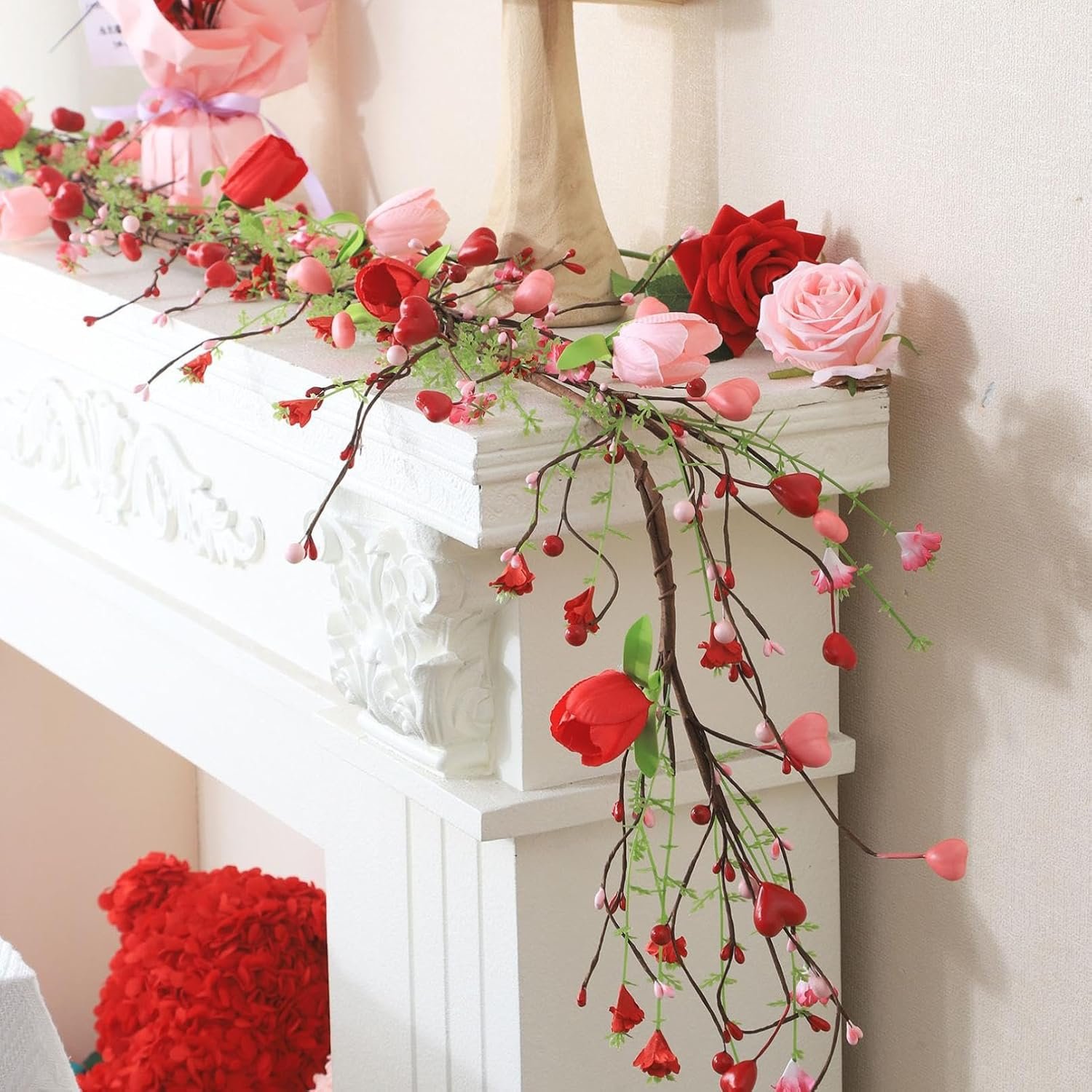
Fresh or preserved botanicals instantly signal spring. Consider a mix of greenery, florals, and branches that extend above and below the mantel line to create vertical visual interest. Eucalyptus, aspidistra leaves, olive stems, and protea can be paired with soft floral stems like ranunculus, peonies, or daisies. If real plants aren’t feasible, high-quality faux stems or dried arrangements can achieve a similar effect. Place taller elements off-center to guide the eye across the display, and use smaller accents to fill gaps.
4) Play with Height and Asymmetry
Varying heights creates an engaging rhythm. Use stands, pedestals, or stacks of books to elevate objects at different levels. An asymmetrical arrangement often feels more natural and contemporary than a perfectly symmetrical one. Begin with a dominant focal piece, such as a tall vase or a sculptural object, and complement it with supporting pieces at varying heights on either side. Ensure there is a visual anchor near the center so the display reads as intentional rather than random.
5) Light the Mantel for Mood
Lighting can dramatically affect how your mantel reads. If you have a nearby window, maximize natural light during the day and supplement with soft, warm lighting in the evening. Consider a couple of warm-toned candles or a small string of LED lights tucked behind a decor piece to create a gentle halo. Avoid harsh, bright lighting that can wash out the delicate spring tones. The objective is a warm, inviting glow that enhances texture and color without overpowering them.
6) Integrate Personal Touches
A mantel should reflect the home and its inhabitants. Integrate personal items such as a favorite framed photo, a meaningful keepsake, or a piece of handmade art. These items provide a narrative thread that resonates beyond seasonal aesthetics. When incorporating personal pieces, ensure they don’t dominate the display; they should feel like integral parts of the overall composition.
7) Consider Practicality and Maintenance
Spring decor often features fresh greens and flowers that require care. If you prefer low-maintenance options, select silk or preserved florals, or greenery potted in durable vessels. Place water-sensitive items in moisture-safe containers to prevent damage to the mantel surface. If you use real plants, choose easy-care varieties and place a tray or dish under any arrangements that could leak or shed petals.
8) Create Seasonal Cohesion with a Small Theme
Rather than overloading the mantel with disparate pieces, pick a small, cohesive theme—such as garden-inspired elements, a row of neutral vases with single stems, or natural wood accents—and repeat it across the display. Repetition creates rhythm, while a few well-chosen accents reinforce the theme.
9) Balance Modernity with Timelessness
Spring decorating should feel current without becoming dated. Consider a minimalist approach with clean lines, then soften the look with gentle textures and a couple of botanical touches. A modern metal or ceramic piece can pair beautifully with a vase of seasonal stems and a woven tray, striking a balanced blend of contemporary and timeless design.
10) Refresh and Rotate Throughout the Season
Spring is a season of change, so allow room for updates. Swap stems, switch out runner textiles, or replace a few decorative objects as the season progresses. This approach keeps the mantel feeling fresh and relevant, while requiring only a small ongoing investment of time and effort.
Practical application: a sample three-piece layout
– Centerpiece: A tall, slender vase with a sprig of greenery or a single branch of seasonal blooms.
– Left side: A low tray with a few curated objects (a small bowl, a candle, and a plant).
– Right side: A taller accessory (sculpture or vase) balanced by a short plant or book stack.
Keep a consistent color story across the pieces, and ensure there is negative space to avoid crowding.

*圖片來源:Unsplash*
Potential pitfalls to avoid
– Overcrowding: Too many items can feel chaotic and distract from the spring vibe.
– Heavy color: Dark or saturated colors can dampen the spring mood; keep color touches light and intentional.
– Neglecting maintenance: Fresh arrangements require regular care; plan for upkeep or opt for maintenance-free alternatives.
– Inconsistent style: A mantel that blends styles—rustic, modern, traditional—without a unifying thread can feel incoherent.
Perspectives and Impact
The act of decorating a mantel for spring is more than a seasonal trend; it reflects broader interior design principles that emphasize adaptability, serenity, and personal expression. A spring mantel, when designed with intention, can influence how a room feels and functions. It can set a welcoming tone for gatherings, provide a visual cue for the season, and offer a quick way to refresh a space without a full room overhaul.
From a psychological standpoint, lighter colors, natural textures, and organic shapes are associated with calm and renewal. Incorporating botanicals and soft lighting can contribute to a sense of well-being, which is especially valuable in living areas where family and guests spend time. In terms of home aesthetics, the mantel acts as a gallery-like surface; treating it as a small, curated exhibition encourages deliberate choices and reduces visual clutter elsewhere in the room.
Looking ahead, spring mantel decorating ideas are likely to continue embracing sustainability and personal storytelling. The use of natural materials, repurposed items, and locally sourced elements aligns with broader consumer preferences for eco-conscious design. As homeowners grow more comfortable with mixing styles, the mantel can become a testament to individual taste while still maintaining a cohesive interior.
Future implications include an increased emphasis on versatile decor that can transition across seasons. modular pieces, neutral foundations, and interchangeable accents make it easier to adapt the mantel throughout the year. Designers may also highlight deployable, lightweight elements that are easy to store, enabling quick seasonal swaps without heavy lifting or rearrangement.
Key Takeaways
Main Points:
– Use a light, cohesive color palette with varied textures to create a fresh spring mantel.
– Layer heights and use greenery or seasonal stems to introduce depth and vitality.
– Balance personal touches with a clear, uncluttered composition to maintain harmony.
Areas of Concern:
– Overcrowding the mantel with too many items can detract from the spring aesthetic.
– Choosing mismatched styles can break the visual flow; aim for a unifying theme.
– Relying solely on real plants may require ongoing maintenance; plan for alternatives if needed.
Summary and Recommendations
A well-executed spring mantel combines light color, varied textures, and thoughtful botanical accents to evoke a sense of renewal. The central idea is simplicity achieved through deliberate arrangement, not minimalism for its own sake. Start with a light base color and build with texture-rich objects and seasonal greenery, ensuring a balanced, cohesive look. Elevate the composition with height variation and a focal piece that anchors the display. Lighting—natural and soft artificial—plays a crucial role in bringing warmth to the arrangement. Personal touches should feel integrated rather than dominant, telling a small story about the home while remaining harmonious with the overall room design.
To implement these ideas:
– Select a neutral foundation and add two or three spring-forward accents in complementary colors.
– Layer two to three botanical elements with different heights, using a central focal piece to ground the display.
– Incorporate one personal item that resonates meaningfully but doesn’t overpower the arrangement.
– Choose lighting that offers warmth without glare; consider candles or warm LEDs for ambiance.
– Plan for seasonal updates, rotating stems and accessories to maintain freshness throughout spring.
With these steps, you can transform a mantel into a refreshing touchstone of spring that enhances the room’s atmosphere and reflects personal style, while remaining practical and easy to maintain.
References
- Original: https://abeautifulspace.co.uk/10-gorgeous-spring-mantel-decorating-ideas/
- Additional references:
- Interior design guidance on seasonally updating living spaces
- Articles on using texture and color in mantel styling
- Guides on incorporating botanicals into home decor
Forbidden:
– No thinking process or “Thinking…” markers
– Article starts with “## TLDR”
Note: This rewritten article is original content derived from the given topic and retains the essential ideas about spring mantel decorating while expanding for clarity and cohesion.

*圖片來源:Unsplash*