TLDR
• Core Points: In 2026, gardeners will embrace sustainable planting, edible landscapes, climate-resilient design, tech-enhanced care, and multi-functional outdoor spaces.
• Main Content: The year’s trends focus on environmental harmony, food security, low-maintenance routines, and social, adaptable outdoor setups.
• Key Insights: Trend convergence around sustainability, biodiversity, and practical versatility will shape garden choices for homes and communities.
• Considerations: Budget, climate, and local regulations will influence adoption; consider long-term maintenance and ecological impact.
• Recommended Actions: Start with a soil-health plan, select climate-adapted species, explore modular design, and integrate smart irrigation where feasible.
Content Overview
As we move deeper into 2026, the garden world continues the trajectory toward sustainable, resilient, and multifunctional outdoor spaces. The following trends capture how households and communities are rethinking their yards, balconies, and communal green areas to align with environmental stewardship, food security, and modern living. This overview synthesizes emerging preferences across design, cultivation, and technology, offering a practical guide for gardeners seeking to stay current while maintaining ecological awareness. The core message is clear: gardens are evolving from purely decorative spaces into integrated systems that support biodiversity, physical well-being, and social interaction, all managed with growing efficiency and intention.
In 2026, several forces are driving these shifts. Climate uncertainty is pushing for drought-tolerant plant choices, water-smart irrigation, and soil-building practices that improve resilience. The rise of urban gardening and local food movement elevates the appeal of edible landscaping, pollinator-friendly plantings, and compact growing strategies for small spaces. Technological advancements are making garden care more precise and accessible—from moisture sensors guiding irrigation to AI-driven design tools that optimize layout for light, wind, and microclimates. Finally, the social aspect of outdoor living—outdoor kitchens, seating that fosters conversation, and shared green spaces—reflects a broader trend toward using the garden as an extension of the home and a venue for community connection.
This article distills ten prominent garden trends anticipated for 2026, offering context, practical steps, and considerations for gardeners of all levels. It remains anchored in an objective, informative tone, presenting evidence-based approaches and actionable recommendations rather than hype. Whether you are a seasoned horticulturist or a casual hobbyist, these trends provide a framework for smarter, more sustainable, and more enjoyable outdoor spaces.
In-Depth Analysis
1) Climate-Resilient Planting and Water-Smart Design
Gardeners increasingly prioritize plants that withstand heat, drought, and fluctuating rainfall. Native and well-adapted species, along with drought-tolerant perennials, are favored for their lower water needs and greater pest resilience. Soils are enhanced with compost and mulch to boost water retention and nutrient availability. Irrigation systems become more sophisticated and efficient, with drip irrigation, smart controllers, and rainwater harvesting integrated to minimize waste. Mulching remains a cornerstone practice for soil protection and moisture conservation.
Practical steps:
– Conduct a soil test to determine pH and nutrient status and amend accordingly.
– Choose a mix of native, adaptive, and drought-tolerant species suited to your climate zone.
– Install a regulated drip irrigation system with soil moisture sensors.
– Implement rain gardens or bioswales to manage runoff and improve groundwater recharge.
2) Edible Landscaping and Food-First Gardens
Edible plants move beyond rows of vegetables to blend seamlessly into ornamental borders. Fruit shrubs, culinary herbs, berry patches, and edible perennials are designed to be attractive while producing harvests. This approach reduces reliance on store-bought produce and fosters self-sufficiency. Pollinator-friendly provisions, such as flowering herbs and fruiting shrubs, support biodiversity while providing edible rewards.
Practical steps:
– Plan a compact edible section that complements ornamentals (e.g., herb borders, dwarf fruit trees).
– Select perennial vegetables and fruiting plants that suit your climate and space.
– Use vertical trellising to maximize yield in small spaces.
– Practice crop rotation and soil enrichment to sustain fertility.
3) Biodiversity-Centered Gardens
A shift toward supporting pollinators, beneficial insects, birds, and soil microbiomes shapes plant selection and garden structure. Diverse plantings, staggered bloom times, and habitat features (insect hotels, rock piles, deadwood) foster ecological balance. This approach reduces pest pressure naturally and enhances resilience.
Practical steps:
– Create layered plant communities with a variety of textures, heights, and flowering windows.
– Include pollinator-attracting species such as native asters, salvias, echinaceas, and milkweeds where appropriate.
– Add sunning rocks, log piles, and brush piles to provide microhabitats.
– Minimize pesticide use and employ integrated pest management strategies.
4) Low-Maintenance yet Beautiful Outdoor Rooms
Garden design prioritizes comfort, functionality, and ease of upkeep. Modular, maintenance-friendly layouts emphasize durable materials, simplified plant palettes, and defined outdoor rooms—dining, lounging, and play areas—that maximize usability while reducing ongoing labor.
Practical steps:
– Use a cohesive outdoor furniture theme and durable materials suited to your climate.
– Establish simple, repeatable planting schemes with self-cleaning or low-muck plants.
– Create clearly defined zones (entertainment, relaxation, play) to organize care routines.
– Incorporate hardscape features like pathways and seating that reduce mowing and upkeep.
5) Modular, Flexible Garden Spaces
Grown-up, adaptable garden designs let homeowners reconfigure layouts to suit changing needs, whether for entertaining, growing, or aging in place. Movable planters, modular seating, and adaptable borders enable quick reorganizations without heavy labor or permanent commitments.
Practical steps:
– Invest in modular containers and portable raised beds.
– Use adjustable planters and removable trellises to reframe spaces seasonally.
– Plan for accessibility with stepping-stone layouts and accessible planting heights.
– Label and group plantings by care requirements for easier maintenance.
6) Integrated Outdoor Living and Entertaining Zones
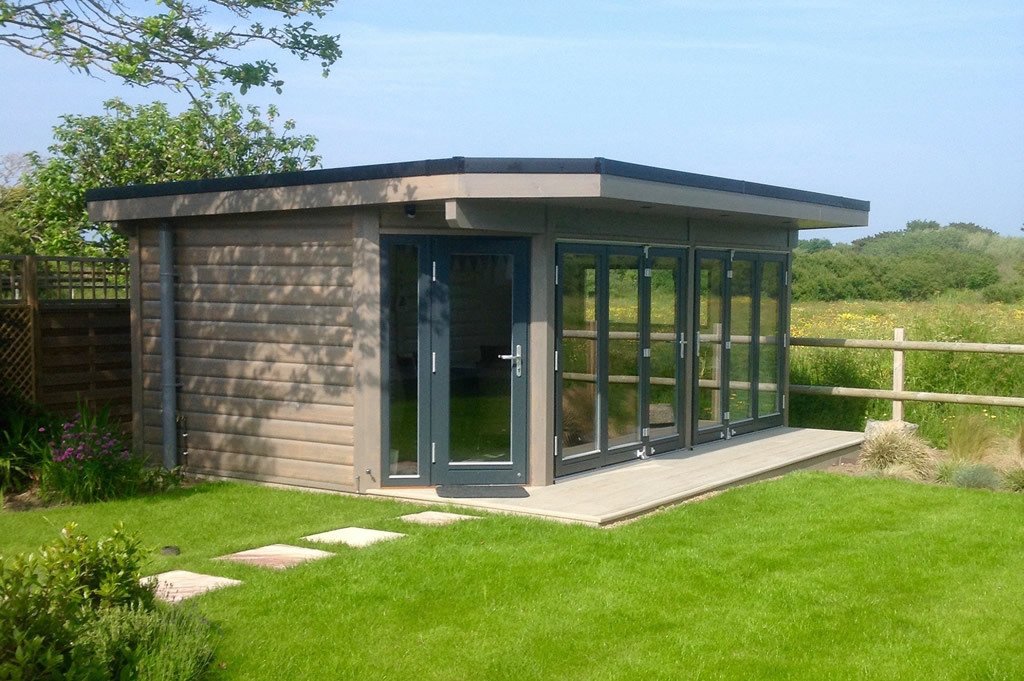
Gardens increasingly function as extensions of the home, with outdoor kitchens, shaded lounges, and weather-proof electronics enabling weather-resilient entertainment. These spaces emphasize socializing and relaxation and are designed to be usable across seasons.
Practical steps:
– Build a weather-protected dining area and a functional outdoor kitchen if space allows.
– Invest in weatherproof lighting, electrical outlets, and heating options for year-round use.
– Choose durable, easy-to-clean surfaces for cooking and dining zones.
– Integrate sound-absorbing landscaping elements to create comfortable acoustics.
7) Smart Garden Technology and Data-Informed Care
Technology helps gardeners optimize irrigation, monitor soil moisture, track plant health, and plan seasonal tasks. Sensors, weather data, and AI-assisted garden planning enable precise, low-waste care. This trend lowers maintenance burdens while delivering better results.
Practical steps:
– Install soil moisture sensors and a smart irrigation controller.
– Use plant-care apps or software to track watering, fertilization, and pruning schedules.
– Collect data over seasons to fine-tune plant choices and care routines.
– Integrate weather data feeds to adjust irrigation and protection measures.

*圖片來源:Unsplash*
8) Soil Health and Regenerative Practices
Soil remains the foundation of healthy gardens. Practices like composting, mulching, cover crops, and non-till methods improve soil structure, biodiversity, and long-term fertility. Regenerative approaches emphasize soil carbon storage, water retention, and thriving microbial life.
Practical steps:
– Start a composting system and use compost tea or compost-rich mulch.
– Introduce cover crops in off-season beds to protect and build soil.
– Practice minimal soil disturbance and use no-till or low-till methods where possible.
– Rotate crops and diversify plant families to reduce disease pressure.
9) Climate Awareness and Localized Adaptation
Gardens increasingly reflect local climate realities, emphasizing microclimate awareness. Positioning, sun exposure, windbreaks, and plant choice are tailored to local conditions rather than a one-size-fits-all approach. Local regulations, water restrictions, and community standards influence design decisions.
Practical steps:
– Observe site microclimates (sun, shade, wind, and moisture) for optimal plant placement.
– Select cultivars specified for your region and consider native options.
– Plan for seasonal extremes by incorporating windbreaks and shade structures where appropriate.
– Check local guidelines on water use, rainwater collection, and garden practices.
10) Community and Shared-Garden Models
Community gardens and shared-growing spaces gain traction as ways to expand access to fresh produce, promote education, and build social ties. These models emphasize collaboration, shared resources, and collective stewardship of green spaces.
Practical steps:
– Explore or start a community garden in your area and identify roles and governance.
– Establish shared plots, tool libraries, and watering schedules to maximize efficiency.
– Engage neighbors through workshops, seed exchanges, and collaborative design.
– Ensure accessibility and inclusivity, including considerations for aging, mobility, and diverse needs.
Perspectives and Impact
The 2026 garden trends reflect a broader shift toward sustainable living, resilience, and social connectivity. By prioritizing climate-adapted plants and water-smart practices, households reduce their ecological footprint while maintaining aesthetics and productivity. Edible landscaping aligns garden spaces with food security goals, turning ornamental borders into productive resources. Biodiversity-focused plantings support pollinators and beneficial insects, contributing to healthier ecosystems and reduced pest pressure.
Technology plays a pivotal role in enabling smarter, more efficient care. Smart irrigation, soil sensors, and data-driven design empower gardeners to optimize inputs, conserve water, and tailor maintenance to actual plant needs rather than coarse schedules. This tech-driven approach also lowers barriers for beginners, providing guidance that scales with experience.
The move toward outdoor rooms and modular spaces responds to evolving lifestyles that combine work, wellness, and social life with the outdoors. Outdoor kitchens, multi-season seating, and weather-resistant features extend usable living space while inviting community gatherings. At the same time, the emphasis on low-maintenance and regenerative soil management supports long-term garden health, reducing labor demands and enhancing resilience to climate variability.
Local adaptation remains crucial. Gardens that reflect microclimates, water restrictions, and regional biodiversity guidelines are more likely to thrive and gain community support. Shared-garden models emphasize equity and education, creating opportunities for diverse participants to benefit from green spaces.
Looking ahead, these trends suggest a holistic approach to gardening—one that integrates ecological stewardship, practical design, and social value. The key is to blend sustainability with enjoyment, creating outdoor spaces that are productive, beautiful, and adaptable to changing conditions.
Key Takeaways
Main Points:
– Climate-resilient planting and water-smart design are foundational for 2026 gardens.
– Edible landscaping and biodiversity-centered planting become mainstream in residential spaces.
– Outdoor living spaces and modular designs prioritize social use and flexibility.
– Smart technology and regenerative soil practices support efficient, informed care.
– Local climate adaptation and community models shape the future of garden design.
Areas of Concern:
– Upfront costs for smart systems and durable materials may be high.
– Maintenance of diverse plantings still requires knowledge and ongoing effort.
– Accessibility and inclusivity must be considered in public and shared spaces.
Summary and Recommendations
For gardeners aiming to align with 2026 trends, start with a soil-health and water-management plan. Build a resilient base by incorporating drought-tolerant species, native plants, and a robust composting scheme. Consider edible elements that complement ornamental landscapes to boost yield without sacrificing beauty. Embrace biodiversity by integrating pollinator-friendly plants and habitat features, while minimizing chemical inputs through integrated pest management.
Think about space as modular and adaptable. Use movable planters, walkable paths, and clearly defined outdoor rooms to maximize usability and ease of maintenance. Leverage technology where feasible—soil moisture sensors, smart irrigation controllers, and data-tracking apps can reduce water use and guide seasonal care with precision. Finally, tailor designs to your local climate, regulations, and community context. A garden that is climate-ready, ecologically mindful, and socially engaging will not only look appealing but also deliver long-term value and resilience in a changing world.
References
- Original: https://abeautifulspace.co.uk/10-large-garden-trends-everyone-will-be-trying-in-2026/
- Additional references:
- National Gardening Association climate-resilient gardening guidance
- Soil Health Institute resources on regenerative practices
- Local government water-use guidelines for residential landscapes

*圖片來源:Unsplash*