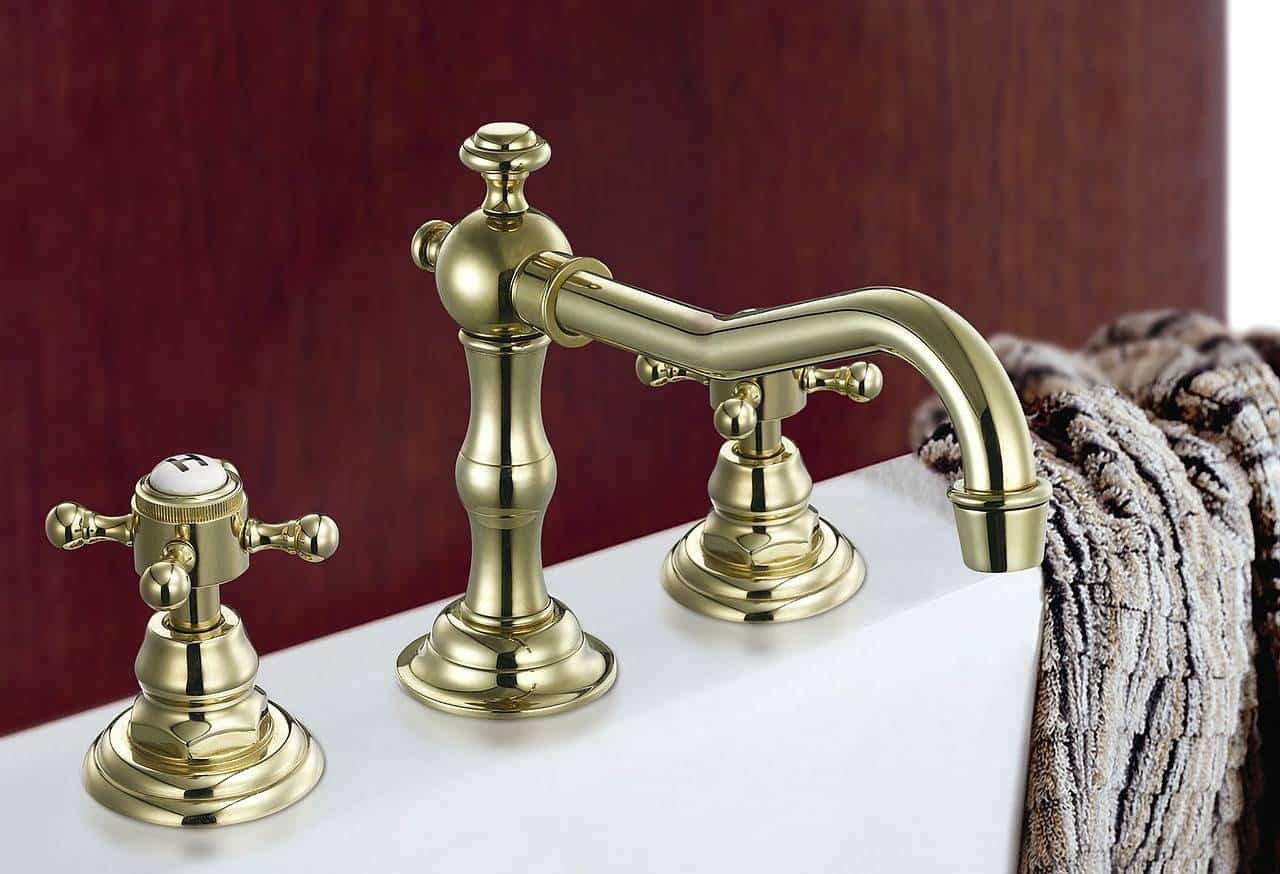
TLDR
• Core Points: Neutral palettes with warm undertones, moody greens, earthy browns, and crisp whites dominate 2026 bathroom color trends.
• Main Content: A guided overview of the top paint colors and how to use them to refresh a bathroom with style and practicality.
• Key Insights: Color influences mood, lighting, and perceived space; pairing with fixtures and textures is essential.
• Considerations: Lighting, moisture resistance, and stain-proof finishes should guide color and product choices.
• Recommended Actions: Select a base color family, test samples in natural and artificial light, and plan accents and cabinetry accordingly.
Content Overview
Bathrooms are increasingly treated as serene retreats rather than merely utilitarian spaces. In 2026, designers and homeowners alike favor color schemes that balance calm, warmth, and easy maintenance. The post highlights the 10 most popular bathroom paint colors that are shaping contemporary bathroom design, considering how each shade interacts with lighting, tile, vanity materials, and hardware. The goal is to create a cohesive look that feels contemporary without sacrificing practicality in a high-moisture environment. The color selections span a spectrum from soft neutrals to deeper hues, with recommendations on where each shade works best, such as walls, ceilings, cabinets, and trim. The article also emphasizes the importance of selecting high-quality bathroom-specific paints that resist humidity, mildew, and staining, ensuring longevity in busy family bathrooms and guest powder rooms alike. While trends evolve, the core principles remain consistent: balance, contrast, and texture elevate a bathroom’s aesthetic while maintaining a functional, easy-to-clean surface.
In-Depth Analysis
The 2026 color conversation for bathrooms centers on creating a spa-like experience through thoughtful color choices. Here, we explore the top 10 hues favored by professionals and design-savvy homeowners, along with practical guidance for implementation.
1) Soft Whites with Warm Undertones
White remains a foundational choice for bathrooms, particularly when aiming for a clean, airy feel. Soft whites with warm undertones (slightly creamy or eggshell hues) help rooms look brighter without the starkness of pure white. This approach works well in compact baths, where light-reflective surfaces can visually expand the space. Consider pairing warm whites with light wood vanities, alabaster countertops, and chrome or matte Black fixtures to preserve a timeless, refreshed look.
2) Misty Gray
Misty gray provides a subtle alternative to white while maintaining a calm, neutral backdrop. Gray tones with a hint of warmth avoid the clinical feel of cooler gray shades, making it versatile across various tile patterns and stone textures. This color pairs effectively with glass shower enclosures, brushed nickel hardware, and natural stone accents, creating a sophisticated, modern space.
3) Beige and Cream Neutrals
Neutral beiges and creams are popular for their ability to complement wood tones and natural textures. These shades offer warmth without overpowering other design elements, making them a reliable foundation for a bathroom that includes natural stone, bamboo accents, or rattan storage solutions. They work well in larger bathrooms where you want to cultivate a warm, inviting atmosphere.
4) Greige (Gray-Beige)
Greige remains a dominant performer in 2026, delivering the best of both gray and beige. It offers versatility for walls and cabinetry alike, adapting to various lighting conditions. Greige works especially well with large-format porcelain tiles, white or gray countertops, and matte brass or satin-nickel hardware, delivering a balanced, contemporary aesthetic.
5) Sage Green
Sage green taps into the growing interest in nature-inspired palettes. Soft, desaturated greens bring a sense of calm and freshness to a bathroom and pair nicely with warm woods, creamy ceramics, and natural textures. This shade excels in bathrooms with large windows or skylights, where natural daylight enhances its tranquil undertone.
6) Olive and Moss Greens
Deeper greens bring a moody, spa-like vibe that feels luxurious yet relaxing. Olive and moss tones are particularly effective on feature walls, vanity cabinets, or shelving units, creating depth and contrast when paired with lighter tile and white fixtures. These shades can be bold, so they’re often used as accent color rather than the primary wall finish.
7) Charcoal and Deep Blues
Darker hues like charcoal gray and navy blue provide dramatic, high-contrast options that still suit bathrooms with ample natural light. When used thoughtfully, these colors frame white or light gray fixtures and white tile, producing a striking, boutique hotel-inspired aesthetic. Moisture-resistant satin or semigloss finishes help keep their depth intact in damp environments.
8) Rich Terracotta and Clay Tones
Earthy terracotta and clay hues bring warmth and personality to bathrooms, resonating with terracotta tiles and warm wood accents. These colors work well on feature walls, vanity cabinetry, or even bathroom ceilings to add architectural interest. Pair with cool whites or stone textures to avoid a monochromatic look.
9) Navy and Midnight Blues
For a bold, sophisticated option, navy or midnight blue can anchor a room with high contrast against white fixtures and tile. This color reads as timeless rather than trendy when balanced with light countertops and metallic hardware. It’s particularly effective in larger bathrooms that can sustain a dramatic focal wall or cabinetry.

*圖片來源:Unsplash*
10) Soft, Muted Pastels
Gentle pastel tones—pale pinks, powder blues, or muted lilacs—offer a refreshing, playful alternative that remains tasteful. These shades can soften stark bathroom lines and pair well with white trim, glass accents, and chrome finishes. Pastels are especially appealing in powder rooms or bathrooms intended for guests, where a touch of whimsy can elevate the experience without overwhelming the space.
Implementation tips across the color palette:
– Test samples in multiple lighting conditions (morning, noon, and artificial lighting) to gauge true color.
– Consider the bathroom’s scale: lighter colors can enlarge small spaces, while darker hues create intimate, cocoon-like vibes in larger rooms.
– Use color strategically: paint walls, then consider lighter or darker tones for cabinetry, shelving, or an accent wall to create depth.
– Select bathroom-grade paints with moisture resistance, mold/mildew inhibitors, and washable surfaces to withstand humidity and routine cleaning.
– Coordinate with fixtures and hardware: finished metals (chrome, brushed nickel, matte black, brass) tie color choices together and influence perceived warmth or coolness.
– Integrate texture and materials: natural stone, wood vanities, ceramic tile, and textiles like towels and shower curtains can enhance or soften color effects.
– Plan lighting layers: ensure that ceiling, vanity, and accent lighting work with the chosen color to maintain a balanced ambiance.
Overall, 2026’s top bathroom colors encourage a blend of calm neutrals and expressive accents. The trend leans toward warm neutrals as a foundation, with greens and deeper blues offering personality, and earthy tones delivering warmth and sophistication. The practical aspect—choosing durable, moisture-resistant finishes—remains essential to maintain color integrity in the bathroom environment.
Perspectives and Impact
Color decisions for bathrooms extend beyond aesthetics, influencing perceived space, mood, and daily routines. The 2026 trends reflect a broader move toward creating peaceful, spa-like environments at home, where color harmonizes with natural materials and thoughtful lighting.
- Psychological and emotional impact: Warm neutrals and greens convey comfort and renewal, supporting relaxation during morning routines and evening unwinding. Moody blues and charcoal tones introduce a sense of luxury and quiet focus, which can improve the perception of a well-organized, clutter-free space.
- Lighting considerations: Natural light plays a pivotal role in how colors read in a bathroom. Lighter shades can maximize daylight, while darker hues require careful lighting planning to avoid a cramped feeling. In bathrooms with limited daylight, warming neutrals or soft greens can help brighten the space without glare.
- Material and finish synergy: The choice of paint must align with the bathroom’s materials (tiles, vanity, countertops) and the level of humidity. High-moisture environments demand paints designed for bathrooms, ensuring stain resistance, mold inhibition, and durable washability. The finish (matte, satin, eggshell) also affects maintenance and the perceived texture of the wall.
- Durability and maintenance: With busy family schedules, durable finishes that are easy to clean are critical. Colors that show less staining or require less frequent touch-ups offer practical advantages in high-traffic bathrooms.
- Market and design implications: The shift toward nature-inspired greens, warm neutrals, and bold blues suggests a broader trend toward personalized, statement-making spaces, while maintaining a balanced, timeless foundation. This can influence product development, including moisture-resistant pigments, durable topcoats, and color-fast formulations in bathroom paint lines.
Future implications for homeowners and designers include:
– Customization is key: Rather than following a single color everywhere, designers are recommending layered color schemes—base neutrals with curated accents—to create depth and flexibility for changing accessories.
– Environmentally conscious choices: Consumers may increasingly seek low-VOC or zero-VOC paints with durable finishes to reduce indoor air quality concerns without compromising color reproduction.
– Maintenance-driven selections: Finishes that resist water spots, soap scum, and mildew will be prioritized as part of long-term maintenance planning.
– Digital visualization: Tools that simulate bathroom lighting and color under different conditions can help clients visualize outcomes before committing to a color.
Key Takeaways
Main Points:
– Neutral bases with warm undertones form a versatile foundation for most bathrooms.
– Green shades (sage and olive/moss) bring nature-inspired calm and depth.
– Darker blues and charcoals provide dramatic contrast for focal walls and cabinetry.
Areas of Concern:
– Lighting can dramatically alter perceived color; improper lighting can undermine the intended mood.
– Moisture exposure demands high-quality bathroom-grade paints and appropriate finishes.
– Overusing bold colors can overwhelm smaller spaces; balance with neutrals and textures.
Summary and Recommendations
To craft a stylish and practical bathroom color scheme in 2026, start with a neutral, warm base to create a bright, inviting backdrop. Introduce nature-inspired greens or earth-toned accents to add depth and personality, while reserving deeper blues or charcoal for feature walls or cabinetry to create a focal point. Ensure you select bathroom-specific paints that resist humidity, mold, and staining, and choose finishes that align with the room’s lighting and cleaning needs. Test color samples in real-world lighting and observe how the color interacts with your fixtures, tile, and natural light throughout the day. Finally, plan for flexibility: incorporate textures, plants, and accessories that allow you to refresh the space with new accents without a full repaint.
In short, 2026 bathroom color trends favor thoughtful composition over bold, all-encompassing shifts. A well-balanced palette composed of warm neutrals, restrained greens, and strategic dark accents, paired with durable finishes, will help homes achieve a refined, spa-like bathroom that remains practical for everyday life.
References
- Original: https://abeautifulspace.co.uk/10-most-popular-bathroom-paint-colours-in-2026-top-trends/
- Additional references:
-https://www.bhg.com/home-improvement/paint/color-trends/
-https://www.houseandhome.com/decorating-design/color-trends/2026-bathroom-paint-trends/
-https://www.pinterest.com/pin/modern-bathroom-paint-trends-2026/
*圖片來源:Unsplash*