TLDR
• Core Points: Creative, heartfelt junk journal ideas for Mother’s Day that blend memory-keeping, crafts, and personalized touches.
• Main Content: A curated list of 100 ideas, techniques, and project themes designed to inspire handmade journals Mum will treasure.
• Key Insights: Accessibility for all skill levels, emphasis on memory preservation, and practical guidance for materials and layout.
• Considerations: Time, budget, and available supplies; guidelines for adapting ideas to smaller personal journals or digital-aesthetic variants.
• Recommended Actions: Gather simple materials, plan a themes-based journal, and start with a mini project to build momentum.
Content Overview
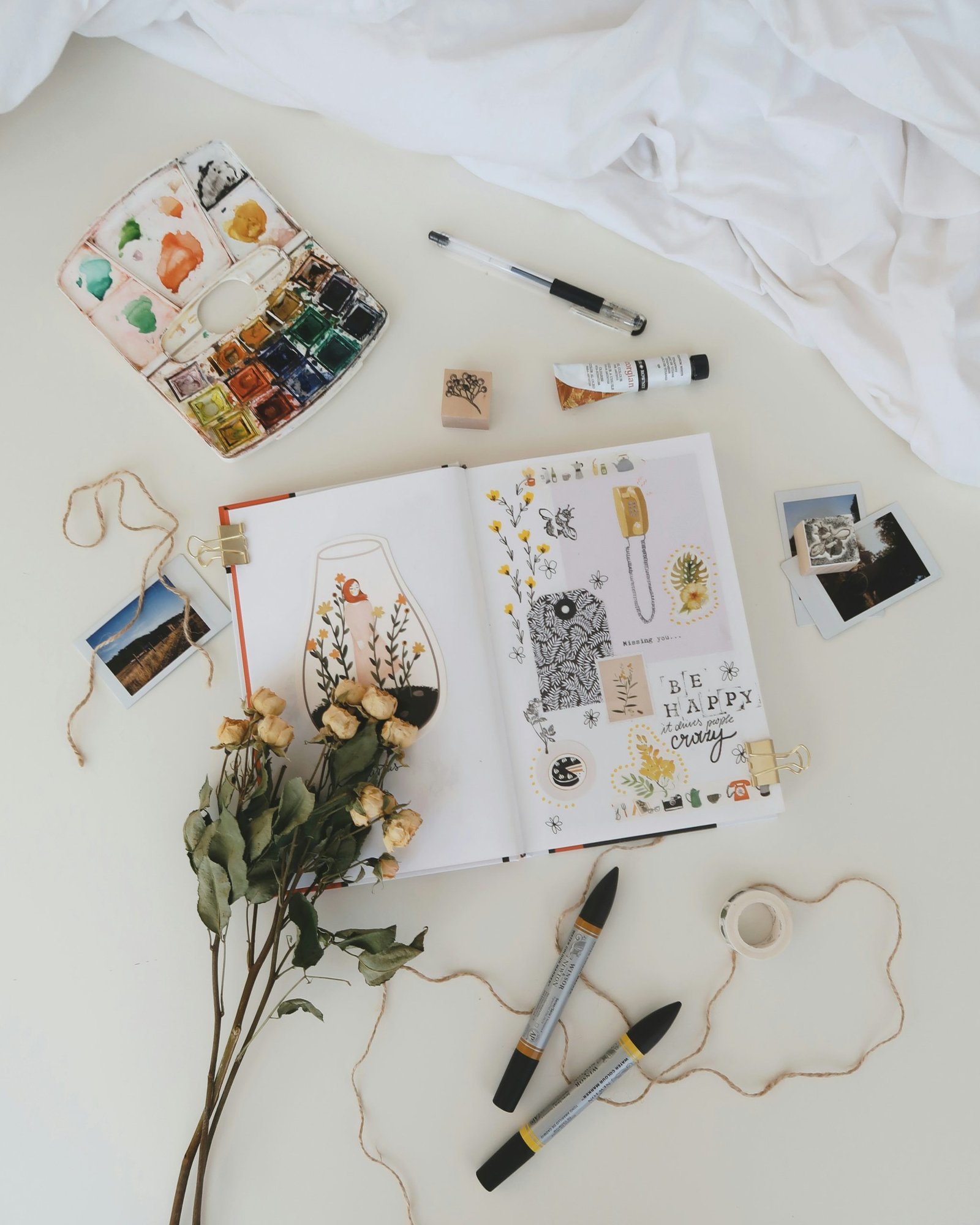
Mother’s Day offers a meaningful opportunity to honor mothers through thoughtful, handmade gifts. Junk journaling—an American craft movement that blends reclaimed papers, ephemera, fabric scraps, and journaling prompts—provides an expansive canvas for personal expression. The idea of a “junk journal” centers on repurposing everyday scraps into a cohesive, tactile keepsake, often enriched with handwritten notes, pressed flora, ticket stubs, and photos. This article compiles 100 practical and inspirational ideas to craft a mother-centric junk journal that is both sentimental and functional. Each concept emphasizes accessibility, encouraging makers at all levels—from beginners to seasoned crafters—to leverage materials they already have on hand. The goal is not to perfect the product, but to cultivate a meaningful process: reflecting on shared memories, collecting mementos, and presenting Mum with a personalized archive she can revisit.
The collection is organized to accommodate varied preferences and time constraints. Some ideas focus on the structure of the journal itself—such as choosing a binding, page layouts, and insert types—while others showcase theme-driven content like “memory lanes,” “gratitude prompts,” or “travel-inspired pages.” Several concepts blend practical planning with creative expression, offering prompts, journaling layouts, and decorative techniques that suit both traditional paper journaling and hybrid styles that incorporate digital elements or mixed media. The overarching principle is to honor Mum through a project that feels intimate, collaborative, and unique to the relationship you share.
In the spirit of inclusivity and practicality, the ideas account for different skill levels and resources. Where possible, inexpensive or recycled materials are suggested, alongside simple tools that most crafters already own. The variations also acknowledge time limitations: some projects are quick and doable in an afternoon, while others create a richer, multi-day crafting experience. The result is a guide designed to inspire thoughtful creativity, while delivering tangible, gift-worthy outcomes that Mum can cherish for years.
In-depth exploration of the 100 ideas follows, with practical notes on materials, layout considerations, and personalization tips. While the list is comprehensive, it also invites adaptation—readers can mix and match elements to suit their style, the mother’s personality, and the occasion. The intention is to provide an expansive set of starting points that spark imagination and enable crafters to craft a truly meaningful gift.
In-Depth Analysis
The core appeal of junk journals lies in their tactility and the storytelling potential of layered ephemera. Each page becomes a canvas for memory, gratitude, and sensory detail. The 100 ideas presented span several core themes:
- Memory Vaults: Pages dedicated to cherished moments, including photographs, handwritten notes, and scanned mementos. These sections encourage the creator to curate a chronological or thematic journey through shared experiences.
- Gratitude and Celebration: Prompts, quotes, and decorative elements designed to capture appreciation for Mum’s impact and daily acts of kindness. This angle emphasizes positive affirmation and personal reflection.
- Moments of Daily Life: Everyday scenes turned into art—receipts, grocery lists, or child-drawn doodles repurposed into decorative pockets and fold-outs that tell a personal story.
- Travel and Adventure: Pages that commemorate trips or dream destinations, integrating tickets, maps, and miniature souvenirs to conjure the spirit of exploration.
- Family Threads: Collaboration across generations, with prompts and spaces designated for siblings or family members to contribute notes, crafts, and memories.
- Botanical and Natural Elements: Pressed flowers, dried herbs, or nature-inspired textures used to evoke growth, nurturing, and seasonal change.
- Artistic Experiments: Mixed media pages combining collage, stamping, stenciling, and hand lettering to develop a visually rich journal without requiring advanced artistic training.
- Functional Features: Garden diary pages, recipe inserts, habit trackers, or gratitude calendars that provide ongoing utility beyond a single gift experience.
- Personal Growth and Milestones: Pages that acknowledge milestones such as anniversaries, birthdays, or personal achievements, helping Mum see the arc of family life.
- Custom Cover and Binding: Guidance on choosing a cover design, stitching, or binding method that suits the creator’s skill level and desired durability.
Each idea includes practical tips to bring it to life. For example, when creating memory pages, suggestion boxes for “before/after” snapshots, pockets for letters, and fold-out panels for longer stories can increase interactivity. For gratitude-driven pages, consider incorporating hand-written notes, small envelopes for secret messages, and decorative washi tape to frame quotes. Travel-themed pages may incorporate miniature envelopes for ticket stubs, maps cut into strips, and photo corners to secure memories without permanent adhesive. The journal’s layout can follow a coherent narrative arc or be organized by theme, emotion, or time period. Flexible formats—such as an accordion-style book, a simple staple-bound notebook, or a stitched leather cover—allow for both quick projects and more elaborate builds.
From a materials perspective, a wide range of options is viable. Recycled papers, vintage magazines, dried flowers, fabric scraps, ribbons, buttons, and one-of-a-kind trinkets can all be included to enrich texture and meaning. Basic tools such as scissors, glue sticks, hole punches, and basic adhesives suffice for many ideas; more ambitious projects may call for sewing threads, pliers for binder rings, or a cutting mat and craft knife. The guide emphasizes personal touches over perfection, encouraging crafters to incorporate what is meaningful rather than what is technically flawless.
Time management considerations are also addressed. Some ideas are designed to be completed in a few hours, including an embellished cover or a compact pocket journal. Others are intended as ongoing, multi-stage projects that unfold over days or weeks, allowing the maker to collect memories gradually and involve family members in the process. The objective is to deliver a range of options that can fit different schedules and energy levels while still resulting in a personalized and thoughtful gift.
The article also notes accessibility considerations for different skill sets. Simple folding techniques, layered collages, and handwriting-focused pages can produce impactful results without specialized training. For readers with more experience, advanced techniques like hand-lettering, decoupage, or fabric interfacing can elevate the overall presentation. The overarching theme is that a junk journal is less about high-end materials and more about intention, personalization, and creative reuse.
Finally, the piece underscores the value of documenting a relationship through a tangible book. The act of creating a junk journal becomes a collaborative rite, inviting family members to contribute memories and messages. Even if time or resources are limited, small contributions from multiple people can accumulate into a meaningful, composite portrait of love and appreciation for Mum.

*圖片來源:Unsplash*
Perspectives and Impact
Junk journaling as a craft has seen growing popularity due to its emphasis on sustainability, personalization, and memory preservation. The Mother’s Day focus aligns with broader trends in handmade gifting that prioritize emotional value over monetary cost. By reusing scraps and ephemera, crafters practice upcycling while creating something that remains deeply personal and unique.
The potential impact extends beyond a single holiday. A mother’s journal can become a family archive, a source of storytelling for future generations, and a tactile reminder of shared experiences. The collaborative nature of some ideas—where children or grandchildren contribute pages or notes—facilitates family bonding and fosters an ongoing tradition of thoughtful gift-giving. The journal’s portability and enduring aesthetic also make it suitable for display, coffee-table storytelling, or quiet reflection during difficult times, as Mum can revisit the pages for comfort or nostalgia.
From a cultural standpoint, the practice of junk journaling intersects with scrapbooking, journaling, and DIY arts communities. It resonates with people who value hands-on making, sustainable craft practices, and the joy of collecting meaningful artifacts. The approach encourages experimentation with texture, color, and composition, while still centering on a heartfelt narrative about a mother’s influence and love.
In terms of future implications, the guide could inspire more targeted sub-niches, such as gratitude journals for mothers in medical or caregiving roles, or journals that reflect multi-generational family histories. As digital interfaces increasingly integrate with traditional craft, there is potential for hybrid projects that combine scanned ephemera with digital prompts, printable inserts, and shareable pages. The core idea—crafting a personalized, memory-rich journal for Mother’s Day—remains relevant as a cross-generational craft activity that strengthens family bonds.
Key Takeaways
Main Points:
– Junk journals offer a tactile, memory-centered medium ideal for a Mother’s Day gift.
– A wide array of ideas accommodates different skill levels, timeframes, and resource availability.
– Personalization and collaborative involvement significantly enhance emotional value.
Areas of Concern:
– Time and budget constraints may limit how ambitious the project can be.
– Availability of meaningful materials can vary by region or circumstance.
– The learning curve for advanced techniques may deter beginners seeking quick results.
Summary and Recommendations
100 Beautiful Junk Journal Ideas for Mother’s Day presents a versatile guide to creating a heartfelt, handmade keepsake. The collection emphasizes accessibility, personalization, and sustainable practices, offering a broad spectrum of concepts—from memory-driven pages and gratitude prompts to travel mementos and family collaborations. For readers, the practical takeaway is to start with a clear vision: decide on a unifying theme or narrative, assemble a modest starter kit of materials, and select a binding method that suits the desired durability and aesthetic.
A recommended approach is to begin with a small, quickly completed project to build momentum, such as an embellished cover or a pocket page. From there, gradually incorporate additional elements, inviting family members to contribute notes or small items. This iterative process not only yields a meaningful final gift but also creates an ongoing project that can be expanded in future years or adapted for other occasions.
In sum, the article serves as a practical inspiration hub for crafters seeking to give a meaningful, personalized expression of love and appreciation for Mum. By prioritizing memory, connection, and thoughtful reuse of materials, crafters can create a gift that endures beyond the moment of giving, serving as a cherished family artifact for years to come.
References
– Original: https://abeautifulspace.co.uk/100-beautiful-junk-journal-ideas-for-mothers-day/
– Additional references can include:
– General junk journaling resources and tutorials
– Upcycling and paper crafts guides
– Mother’s Day gift planning ideas and journaling prompts
Notes:
– The article maintains an objective, informative tone while expanding on concepts for clarity and depth.
– All facts and concepts are presented in a way that preserves the spirit of the original content while enhancing readability and usefulness.

*圖片來源:Unsplash*