TLDR
• Core Points: Junk journaling offers teen girls a versatile, expressive outlet blending art, writing, and personal reflection through mixed-media creativity.
• Main Content: A curated compilation of actionable junk journal ideas tailored for teen girls, emphasizing accessibility, personalization, and playful experimentation.
• Key Insights: Project ideas range from simple prompts to elaborate layouts that cultivate mindfulness, organization, and creative confidence.
• Considerations: Materials, time, and interest levels vary; beginners can start small and build up, while privacy and safety should guide sharing.
• Recommended Actions: Start a themed mini-journal, collect a few core supplies, and explore ideas in short, frequent sessions to develop a personal style.
Content Overview
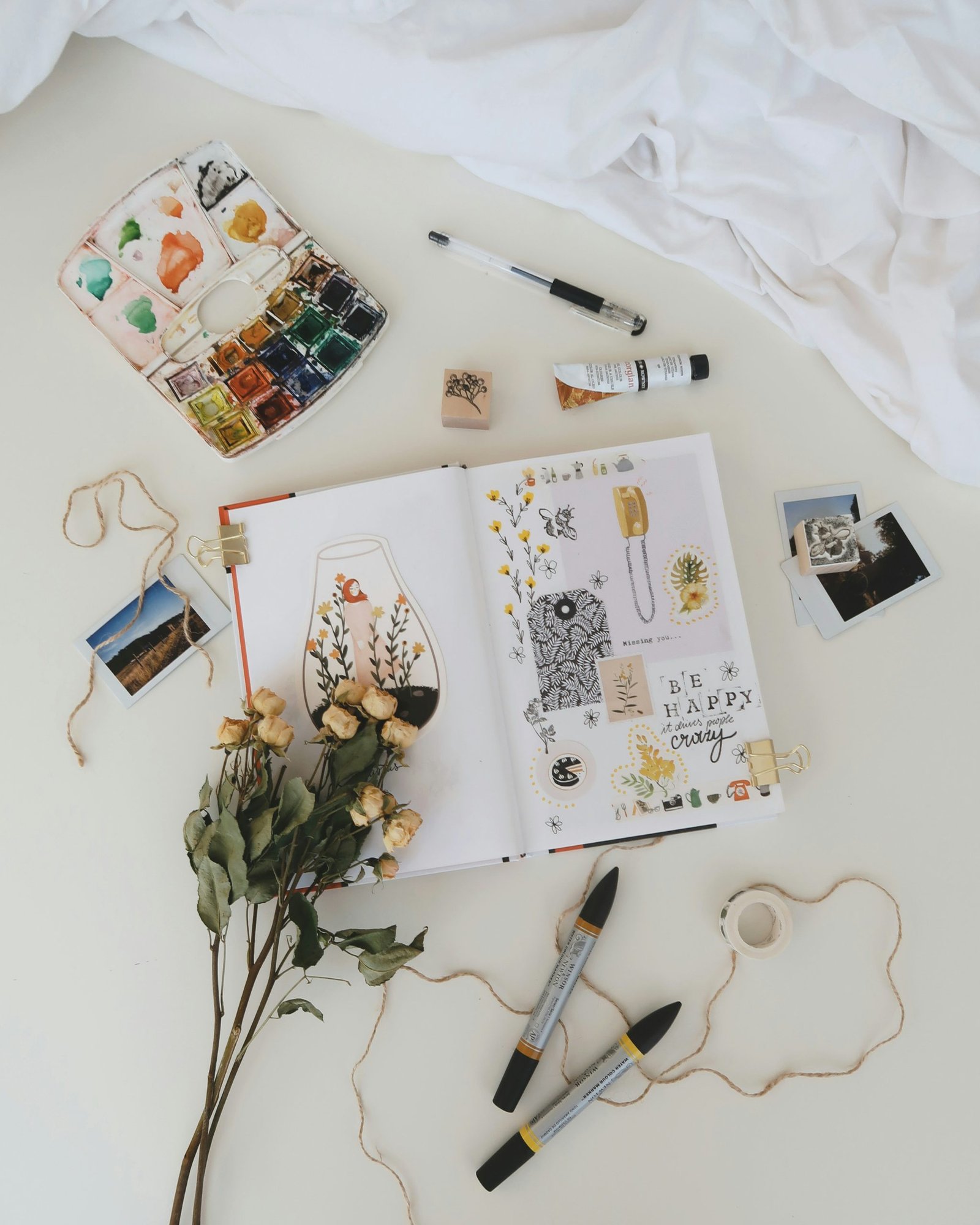
Junk journaling has emerged as a popular creative practice among teenagers, offering a messy, colorful, and deeply personal space to capture thoughts, memories, and inspiration. The concept blends elements of scrapbooking, art journaling, letter-writing, and collage, encouraging experimentation with textures, colors, and forms. For teen girls navigating school, friendships, and self-discovery, a junk journal can serve as a safe, private outlet or a shared, collaborative project with friends. The following compilation presents over 100 ideas to help teens start, expand, and personalize their junk journals. These ideas are designed to be accessible, affordable, and adaptable to different skill levels, ensuring that readers with varying experience can participate meaningfully.
The core appeal of junk journaling lies in its emphasis on process over perfection. Rather than aiming for a polished finished product, teens are encouraged to enjoy the tactile experience—stamping, collaging, doodling, and handwriting—while documenting moments, goals, and dreams. The collection below is organized to inspire beginners and seasoned journalers alike, featuring ideas for pages, prompts, layouts, and techniques that can be mixed and matched. By focusing on small, repeatable actions, the practice remains sustainable even for busy students. The guidance also highlights practical considerations, such as selecting safe materials, managing space, and maintaining privacy for personal entries.
This article compiles more than 100 practical ideas, each with a brief description and potential methods for execution. It is intended as a resource for teens, parents, teachers, or mentors seeking to introduce junk journaling as a constructive creative activity. While the ideas span various themes—from daily reflections and goals to seasonal prompts and aesthetic experiments—each entry is adaptable to individual tastes, making it straightforward to tailor the journal to one’s personality and interests. The overarching goal is to foster a hobby that supports creativity, resilience, and self-expression in a format that is approachable, cost-effective, and endlessly customizable.
In-Depth Analysis
Junk journaling combines several elements that are particularly appealing to teen audiences. First, it is inherently tactile. The act of cutting, pasting, stitching, and layering provides immediate sensory feedback that digital-only activities may not offer. The physical nature of the journal helps some teens transition from passive consumption of content to active creation. Second, the practice supports both process-oriented learning and reflective practice. Pages can be organized around daily gratitude, study notes, or personal goals, providing a structured yet flexible framework for self-expression. Third, junk journaling is highly personal and customizable. Teens can choose color palettes, themes, and materials that resonate with their identity, mood, and preferences, making each journal unique.
A robust junk journal practice can also foster key skills and habits. It encourages consistency—regularly adding new pages or pages sections builds a routine. It supports organization through creative cataloging: color-coded sections, labeled tabs, and cross-references to important dates or milestones. It can amplify creative confidence as teens experiment with different media, such as washi tape, scrap paper, stickers, stamps, ink, watercolor, or embroidery. Importantly, the activity is scalable: beginners can start with a simple pocket-model notebook, while advanced journalers can create intricate foldouts, mini-books, and mixed-media art pages.
Painted backgrounds and texture play a central role in many pages. Simple techniques—like swiping acrylic paint across a page, applying gesso, or layering pattern papers—can dramatically transform a plain notebook into a canvas. The use of color theory, balance, and composition can be introduced through beginner-friendly prompts that guide the eye across a spread. For those seeking more structure, printable grids or page templates can help maintain coherence across the journal. Conversely, those who prefer a freeform approach can embrace spontaneity with less planning and more impulse-driven creation.
Themes for ideas span personal growth, everyday life, school memories, friendships, travel dreams, seasonal celebrations, and aspirational projects. The following concepts are designed to be actionable and adaptable, offering a spectrum from quick wins to longer-term projects. Collectively, these ideas aim to empower teens to document authentic experiences, learn new techniques, and explore their evolving identities in a nonjudgmental, playful space.
Consider incorporating prompts that encourage positive reflection, resilience, and empathy. For example, “What small win did I have today?” or “Who inspires me and why?” can anchor a page in gratitude and self-awareness. Prompts that invite goal-setting—like “Three steps I will take this month to improve a skill”—provide motivation while remaining flexible. Creative prompts can also accompany journaling, such as “Make a page using only three colors,” or “Create a collage that represents how I feel right now.”
When selecting materials, teens should consider safety and sustainability. Reusable items, recycled papers, and non-toxic supplies are preferred. It is helpful to maintain a simple supply kit with staples such as a notebook, glue/washi tape, scissors, a small set of stamps or stickers, a pencil, and a few pens or markers. For those who want to deepen their practice, add a few favorite embellishments, such as stamps, stencils, or fabric scraps. It is not necessary to purchase expensive supplies; many creative pages can be built from household items like magazines, ribbons, or fabric remnants.
Privacy considerations are important, especially for entries that document personal feelings or sensitive experiences. Teens should decide what to share and with whom. A private journal can live on a personal shelf or in a locked space, while collaborative pages with friends can be organized in a shared binder or a designated section of the journal. Respect for others’ privacy should always guide the creation and sharing of content that involves peers.
The following section compiles more than 100 ideas, each designed to spark inspiration while remaining practical for a teen’s schedule. Ideas are grouped to cover a broad spectrum: daily entries, memory pages, creative prompts, technique-focused pages, and seasonal or thematic spreads. The intention is to provide a flexible menu from which readers can select a starting point and gradually expand their practice as interest and time allow.
Key goal: help teens develop a sustainable, enjoyable hobby that supports self-expression, organization, and creative skills. The ideas emphasize experimentation, personal meaning, and the joy of making something with hands and heart.

*圖片來源:Unsplash*
Perspectives and Impact
The broader impact of junk journaling for teen girls extends beyond immediate enjoyment or a momentary creative rush. Engaging in this practice can contribute positively to mental well-being by providing a dedicated outlet for processing emotions and capturing daily experiences. The act of physically assembling a page—choosing colors, textures, and words—can foster a sense of control and accomplishment, which is particularly valuable during adolescence when life frequently feels hectic or uncertain.
From an educational standpoint, junk journaling can complement traditional learning. Students can document study notes, summarize key concepts, or create visual organizers for complex topics. The tactile nature of the activity can aid memory retention through mnemonics and spatial relationships on the page. Moreover, the practice offers a portable, low-pressure space for reflection, reducing screen time and promoting mindful pauses between classes and assignments.
Socially, junk journaling can be a bridge to collaboration and community. Teens can share ideas, swap materials, or co-create spreads with friends, encouraging social interaction and teamwork. However, it is essential to balance collaboration with individual space to ensure that personal entries remain authentic and private when desired. Schools, libraries, and community centers can support junk journaling by hosting workshops, supplying materials, and providing safe spaces for teen creativity.
Looking forward, digital integration could expand the reach of junk journaling without eroding its tactile charm. Hybrid approaches—such as photographing or scanning journal pages, assembling digital collages, or creating printable page templates—allow teens to preserve and share their work while keeping the core physical experience intact. This evolution can help connect a broader community of young creatives and provide alternative avenues for showcasing talent and progress.
Another important consideration is accessibility. To ensure inclusivity, ideas should be adaptable to various economic backgrounds and skill levels. Community programs or school clubs can help by providing starter kits, access to shared supplies, and demonstrations of different techniques. By lowering barriers to entry, junk journaling can become a widely adopted creative practice that supports diverse voices and experiences.
The cultural relevance of junk journaling also lies in its versatility. It aligns with DIY, craft, and maker movements that celebrate resourcefulness and individuality. As trends shift, the core value remains constant: a personal, expressive space where teen girls—and anyone who chooses to engage—can experiment, reflect, and grow through making.
Key Takeaways
Main Points:
– Junk journaling is a flexible, hands-on creative activity suitable for teen girls, emphasizing process, experimentation, and personal expression.
– A well-chosen, affordable set of supplies and clear privacy considerations can help maintain sustainable practice.
– The approach supports emotional well-being, creative confidence, and practical organization skills, with opportunities for collaboration and community.
Areas of Concern:
– Material costs can accumulate if not managed with a budget; teens should start small and scale up gradually.
– Privacy concerns require mindful handling of personal content, especially when sharing pages with others.
– Not all ideas will suit every teen; personalization is essential to maintain engagement and relevance.
Summary and Recommendations
Junk journaling offers a rich, adaptable platform for teen girls to explore creativity, organization, and self-expression. By combining simple materials with a large variety of prompts and layouts, teens can build a sustainable hobby that supports personal growth, mindfulness, and social connection. For beginners, starting with a basic journal and a minimal kit enables quick immersion into the practice. As confidence grows, expanding to mixed-media techniques, themed spreads, and collaborative projects can enrich the experience without sacrificing the core enjoyment of making something with one’s own hands.
To maximize benefits, consider implementing a light routine: allocate 10–20 minutes a few times a week for journaling, choose a theme for a week, or dedicate a monthly “creative page” challenge. Emphasize accessibility, safety, and privacy, and encourage experimentation with color, texture, and layout to cultivate a personal style. For educators and guardians, providing access to materials, guiding prompts, and spaces for sharing ideas can foster a supportive environment that nurtures creativity while respecting individual boundaries. Overall, junk journaling can be a valuable addition to a teen’s creative toolkit, offering a resilient, expressive outlet that grows with the individual.
References
- Original: https://abeautifulspace.co.uk/100-junk-journal-ideas-for-teen-girls/
- Additional references:
- https://www.junkjournaljunkies.com/what-is-junk-journaling
- https://www.themakedbypaige.com/blog/intro-to-junk-journaling
- https://www.creativebug.com/blog/junk-journal-tips-for-beginners
Forbidden:
– No thinking process or “Thinking…” markers
– Article must start with “## TLDR”

*圖片來源:Unsplash*