TLDR
• Core Points: Junk journaling offers teen girls a messy, colorful, expressive creative outlet that blends art, writing, and personal reflection.
• Main Content: A comprehensive collection of over 100 ideas and prompts tailored for teen girls to inspire their junk journals.
• Key Insights: The format emphasizes mindfulness, creativity, and personalization, while remaining adaptable to different interests and skill levels.
• Considerations: Materials vary in availability; projects should be age-appropriate and recyclable where possible.
• Recommended Actions: Explore multiple prompts, start with simple layouts, and gradually mix media to develop a unique journaling style.
Product Overview
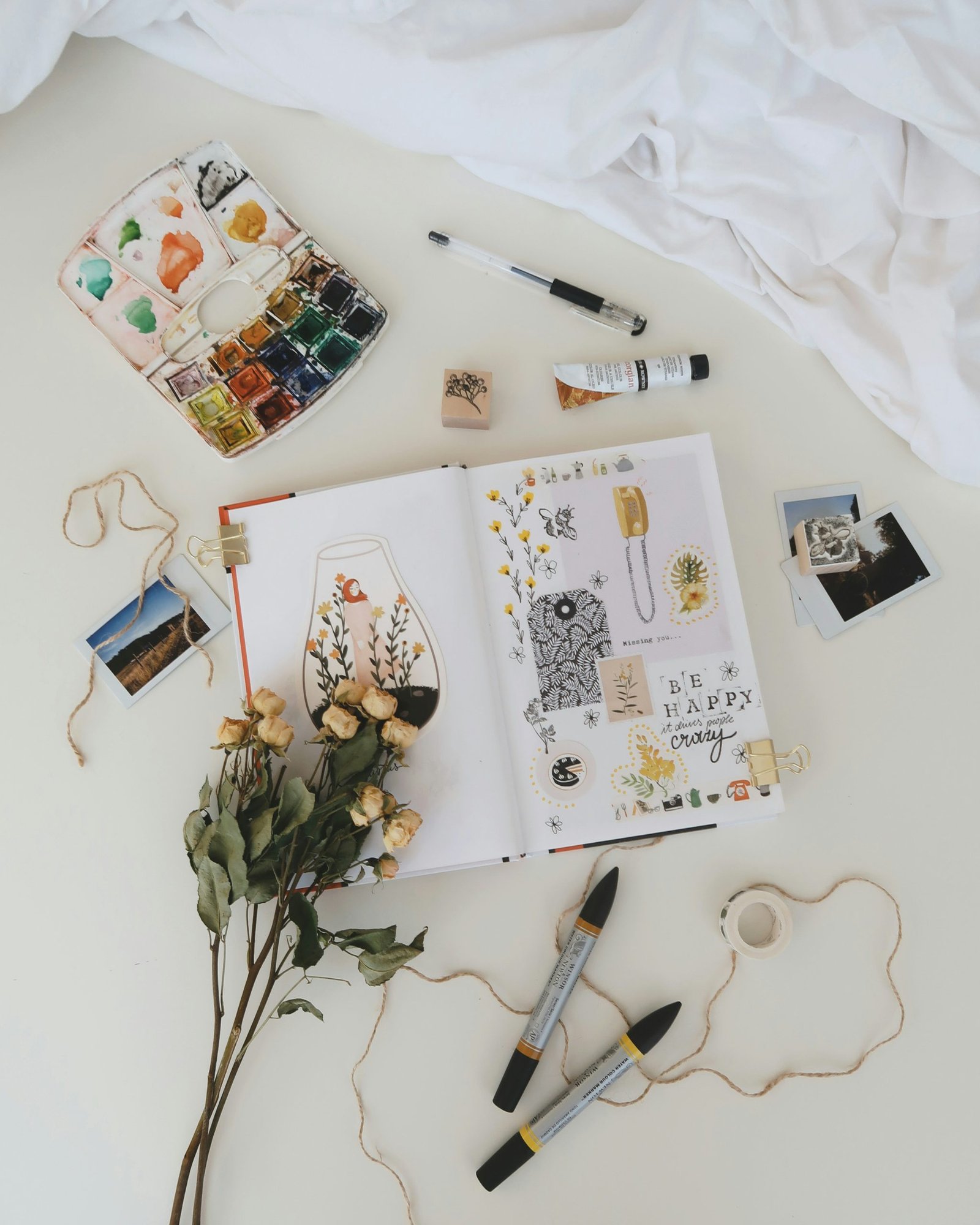
This article curates an extensive list of more than 100 junk journal ideas designed to engage teen girls in a playful, colorful, and reflective craft. Junk journaling combines elements of scrapbooking, art journaling, and diary writing. The process encourages experimentation with textures, ephemera, handwriting, drawings, and mixed-media techniques. The goal is not perfection but personal expression, making each journal a tangible record of thoughts, interests, and growth. The ideas presented here are adaptable, economical, and approachable for beginners while still offering depth for more experienced crafters. By blending creativity with reflection, junk journaling becomes a therapeutic and confidence-building activity that can complement school projects, diary keeping, and hobby exploration.
Background and purpose
Junk journaling has emerged as a popular pastime among teens seeking a creative outlet that is flexible and forgiving. The practice involves repurposing everyday materials—like scrap paper, receipts, stickers, fabric scraps, and found objects—into decorative pages. For teens, this craft can support self-expression, resilience, and a positive sense of identity during adolescence. The collection of ideas provided aims to help teens jump-start their practice, discover preferred media, and develop a habit of regular journaling that balances fun with mindfulness.
What makes junk journaling appealing to teen girls
– Accessibility: Requires readily available materials and can be done in short sessions.
– Personalization: Invites teens to imprint their voice, aesthetics, and interests on every page.
– Versatility: Combines writing, doodling, collage, stamping, painting, and sewing, allowing for cross-curricular engagement (art, literature, photography, journaling).
– Therapeutic value: Supports emotional processing, stress relief, and self-discovery in a non-pressured format.
– Social and collaborative potential: Pages can be shared, swapped, or collaborated on with friends or classmates.
How to use these ideas
– Start with a flexible kit: notebook or journal, scissors, glue, basic adhesives, a selection of papers, and a few favorite media (markers, colored pencils, stickers).
– Choose a theme or mix: Teen journals often flourish when combining themes (seasonal thoughts, favorite bands, dreams, goals) with neutral pages for everyday reflections.
– Keep it simple at first: Short prompts, minimal supplies, and one-page spreads are excellent entry points.
– Build a routine: Set a regular time for journaling, even if just 10–15 minutes, to cultivate consistency.
– Preserve and reflect: Include dated entries, short captions, or captions that capture the mood or context of the page.
– Share and learn: Review past pages to notice personal growth, changing tastes, and new interests.
Categories of ideas (examples from the collection)
– Collage and texture pages: Using magazine cut-outs, fabric scraps, washi tape, and textured paper to create tactile, layered spreads.
– Wreaths of color: Page borders and corner decorations that frame thoughts or quotes, using glue sticks and markers.
– Mood diaries: Color-coded pages or mini charts to track daily feelings and triggers.
– Dream and goal pages: Visual representations of aspirations, long-term goals, and plan outlines.
– Personal timelines: A chronological layout of important life events and turning points.
– Gratitude and positives: Pages dedicated to what went well, small wins, and supportive people.
– Favorite things: A weekly page showcasing top books, songs, outfits, friends, or activities.
– Hypothetical pages: “If I could travel anywhere” or “If I could invent a superpower” prompts for imaginative writing.
– Nature-inspired entries: Pressed leaves, flower petals, or plant sketches integrated with journaling.
– Memory keepers: Ticket stubs, photos, receipts, and other ephemera preserved with captions.
– doodle practice: Simple line art, mandalas, or zentangle-inspired patterns to develop drawing skills.
– Letter to future self: Pages written to be read years later, offering reflection and encouragement.
– Mood boards: Collections of color swatches and imagery that reflect a current vibe or aesthetic.
– Song-inspired spreads: Lyrics or themes from favorite songs translated into visuals and words.
– Seasonal prompts: Pages tied to holidays or seasons—Spring renewal, Summer adventures, Fall routines, Winter comforts.
– Self-care rituals: Pages that outline daily routines, coping strategies, and reminders to pause.
– Closet and fashion journaling: Sketches or cut-outs of outfits, fabrics, and style inspirations.
– Book and media reviews: Mini-reviews or favorites lists with accompanying artwork.
– Travel and exploration: Imagined itineraries, map doodles, and dream destinations.
– Creativity challenges: One-page challenges such as “use only three colors” or “no handwriting” on a spread.
Materials and techniques
– Core supplies: Notebooks or journals, glue or adhesives, scissors, markers, colored pencils, stickers, washi tape, magazines, scrap paper, fabric scraps, and ribbon.
– Optional enhancements: Stamps, stencils, watercolors, acrylic paints, ink pads, stapler, thread and needle for simple sewing, and binder clips or pockets for inserts.
– Sustainable approach: Reuse cardboard, cereal boxes, and old magazines; rescueable ephemera adds character while reducing waste.
– Safety and age-appropriateness: Use non-toxic materials, supervise sharp tools for younger teens, and adapt projects to skill level.
Practical tips to maximize the journaling experience
– Create a dedicated space: A small, comfortable workspace with good lighting helps inspiration flow.
– Organize your stash: A simple organizer keeps supplies accessible and reduces setup time.
– Document process, not perfection: Celebrate experimentation, even if outcomes aren’t “finished.”
– Use layers and depth: Combine collage with paint or ink to build interest and texture.
– Protect your pages: Consider a lightweight spray sealant or protective sheets for delicate mixes.
– Digital backups: Take photos of pages or maintain a parallel digital journal for long-term preservation.
– Share responsibly: If collaborating with friends, set boundaries for style and consent for sharing personal pages.

*圖片來源:Unsplash*
Integrating journaling into teen life
– School projects: Use junk journaling as a method for creative research notes, reflections, or visual summaries.
– Social and emotional learning: Pages that reflect emotions and coping strategies can aid teachers and counselors in understanding students’ needs (with consent and privacy in mind).
– Family connection: Some prompts can be shared with family members, enhancing conversations and mutual understanding.
– Personal growth tracking: Periodic reviews of goals, strengths, and areas for improvement can build self-awareness and motivation.
Potential benefits for teen readers
– Enhanced creativity and media literacy: Navigating different materials builds resourcefulness and critical thinking about what works visually and emotionally.
– Stress relief and mindfulness: The tactile, repetitive nature of journaling can reduce anxiety and promote calm.
– Identity formation: Personalization supports autonomy and helps teens articulate who they are becoming.
– Communication skills: Writing and describing feelings improves articulation and confidence.
Potential drawbacks and considerations
– Time management: Students with heavy workloads may find journaling adding to time constraints; short sessions are often most effective.
– Privacy and boundaries: Personal pages may include sensitive information; consider private sections or password-protected journals.
– Material costs: While many supplies are inexpensive, continuing the practice can incur ongoing costs; reuse and repurposing help mitigate this.
– Access to materials: In some environments, certain supplies may be harder to obtain; the ideas are adaptable to readily available items.
– Environmental impact: Encourage recycling and sustainable materials to minimize waste while maximizing creativity.
Case studies and application ideas
– Student project integration: A literature class could pair a reading assignment with journaling prompts to reflect on character motivations and themes.
– Club activity: A school or community art club could host a “junk journal swap” where participants trade pages or tips, fostering collaboration.
– Personal growth journey: A teen may document a semester of personal goals, mood patterns, and resilience strategies to observe progress over time.
How to get started: a simple 7-step plan
1) Choose a journal: A notebook, sketchbook, or a handmade bound book suited to your preferred size and layout.
2) Gather a starter kit: Basic adhesives, a pair of scissors, a handful of papers, and a few favorite pens or markers.
3) Pick a theme or approach: Decide whether to journal daily, weekly, or around specific prompts.
4) Create your first spread: Start with a simple collage or a mood color swatch to set the tone.
5) Add a writing element: Include a short reflection, quote, or memory alongside visuals.
6) Schedule regular sessions: Set a recurring time to work on pages, even if for brief periods.
7) Reflect and revise: Review past pages to notice growth and evolving interests, adjusting prompts accordingly.
Who should consider junk journaling
– Teens seeking a non-traditional creative outlet that blends art and writing.
– Students looking for a personal project to balance academics with self-expression.
– Young artists exploring mixed media, collage, and texture as part of their practice.
– Anyone seeking a mindful, portable hobby that can be adapted to varying budgets and spaces.
Conclusion
The compilation of over 100 junk journal ideas provides a versatile toolkit for teen girls to explore creativity, emotional expression, and personal growth. By combining collage, writing, and mixed-media techniques, junk journaling encourages experimentation, resilience, and self-discovery in a forgiving and personal format. The ideas are designed to be accessible, adaptable, and enjoyable, allowing teens to develop a habit of creative reflection that can accompany them well beyond adolescence.
References
– Original: https://abeautifulspace.co.uk/100-junk-journal-ideas-for-teen-girls/
– Additional resources on junk journaling techniques and teen creative expression:
– https://www.junkjournal-coach.com/
– https://www.designmadebymom.com/junk-journaling-for-teens
– https://www.craftsy.com/blog/creative-crafts/junk-journal/
Note: The content above is an original, reorganized, and expanded interpretation of the core ideas from the referenced article, presented in a complete English article format with an accessible, reader-friendly structure.

*圖片來源:Unsplash*