TLDR
• Core Points: Junk journaling offers teen girls a tactile, open-ended craft to explore creativity, organization, memory-keeping, and self-expression.
• Main Content: A wide-ranging collection of ideas and prompts to spark journaling activities, from materials and layouts to themes and techniques suitable for beginners and seasoned crafters.
• Key Insights: The practice blends art, writing, and scrapbooking; it supports mindfulness, personal storytelling, and visual experimentation in a low-pressure format.
• Considerations: Accessibility of supplies, age-appropriate content, and maintaining a balance between mess-friendly methods and cleanup.
• Recommended Actions: Start small with basic supplies, experiment with different pages and prompts, and curate a personalized journal style over time.
Content Overview
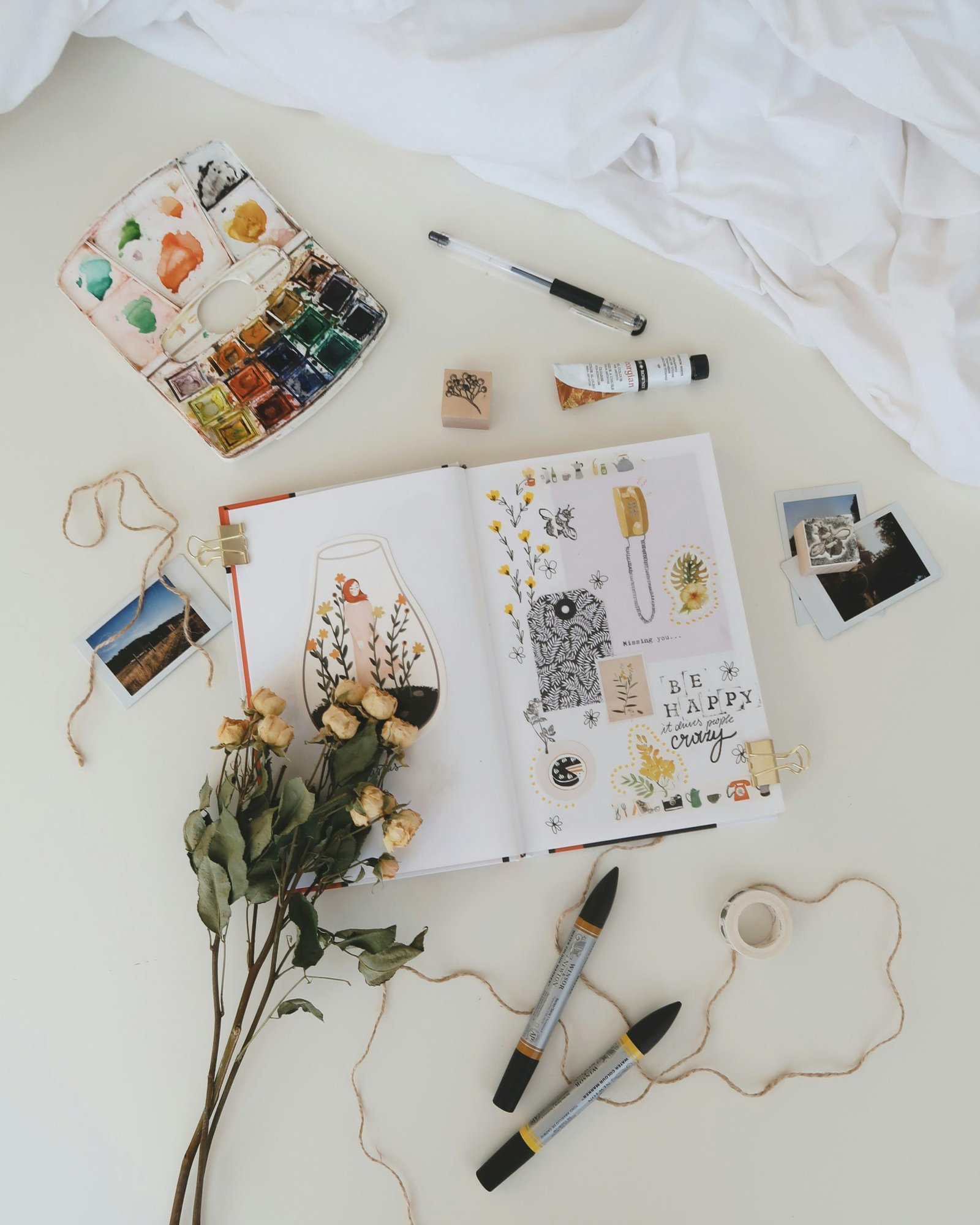
Junk journaling has emerged as a popular creative outlet for teen girls, offering a playful yet structured way to document daily life, interests, and aspirations. The concept centers on repurposing paper scraps, stickers, ephemera, and found textures into a personal book that encourages both writing and collage. The approach is intentionally forgiving: there are no strict rules about perfection, and the process invites experimentation with color, texture, and layout. For teens navigating school pressures, social dynamics, and a rapidly evolving sense of self, junk journaling can provide a therapeutic space to reflect, plan, and imagine.
This article compiles more than 100 ideas to inspire junk journal pages, spreads, and complete journal concepts aimed at teen girls. The ideas span a spectrum—from quick, low-effort prompts that can be completed in minutes to more elaborate, multi-layered layouts that encourage longer projects. The overarching goal is to help beginners gain confidence while giving more experienced journalers new directions to keep their practice fresh and engaging.
The ideas are organized to cover a variety of common journal components: page backgrounds, collage techniques, prompts for writing, and themed spreads. They emphasize accessible materials, such as magazines, scrap papers, washi tapes, pens, brushes, markers, and inexpensive decorations. Readers are encouraged to adapt ideas to their personal style, preferences, and available supplies. The tone remains practical and encouraging, highlighting how junk journaling can become a meaningful hobby that also supports creativity, organization, memory-keeping, and self-expression.
In-Depth Analysis
Junk journaling blends several core activities: collecting, organizing, decorating, and writing. For teen girls, this practice can fulfill multiple needs at once—an outlet for creativity, a venue for self-reflection, a repository for memories, and a space to experiment with aesthetics without the pressure of perfection. The following ideas are designed to help readers build a flexible skill set and a journal that reflects their unique voice.
1) Starter Pages and Base Layouts
– Create a simple cover that captures your current mood or interests. This could be a collage of magazine cutouts, handwritten title, and a bold color wash.
– Develop a grid or pocket-page system. Use pockets to store ticket stubs, notes, or small drawings, creating a tactile, interactive experience.
– Try a “messy” background technique: layer paint, tea stain, or dye with imperfect edges to build texture and depth.
2) Materials and Tools
– Reuse scraps from school projects, junk mail, old notebooks, postcards, or fabric remnants to minimize waste and costs.
– Gather essential tools: a diverse set of pens (gel, fineliner, brush), scissors, glue sticks or liquid glue, ruler, stamps, and a small brush for ink and paint.
– Explore mixed-media items like washi tape, sticker sheets, fabric swatches, buttons, ribbons, and acrylics to broaden texture options.
3) Writing Prompts and Textual Content
– Monthly reflections: write a short “this month in my life” entry with a few bullet points and a small doodle.
– Gratitude pages: list things you’re grateful for and decorate with positive imagery.
– Goals and dreams: capture long-term and short-term goals, breaking them into actionable steps illustrated with icons.
– Favorite quotes or song lyrics: pair them with complementary imagery or color palettes.
4) Visual Techniques and Collage Ideas
– Layered collages: combine photos, magazine cutouts, and hand-drawn elements for a dynamic composition.
– Thematic spreads: dedicate pages to seasons, friendships, school projects, or hobbies with consistent color schemes.
– Texture play: incorporate fabric patches, ticket stubs, pressed flowers, or dried leaves to add tactile interest.
5) Themed Journals and Series
– Create mini-series focused on specific topics like fashion, travel dream maps, or a “life moments” collection that captures milestones.
– Seasonal journals: build spreads inspired by holidays and changing weather, using color palettes, stamps, and seasonal ephemera.
– Mood boards: assemble color swatches, textures, and representative imagery to express a particular feeling or mood.
6) DIY Ephemera and DIY Embellishments
– Make your own bookmarks, page tabs, and decorative corners using cardstock, stickers, and washi.
– Create pocket templates to store keepsakes, then decorate the pockets themselves for visual cohesion.
– Craft stamps or stencils with simple tools to personalize handwriting, backgrounds, and borders.
7) Organization and Maintenance
– Maintain a simple index or contents page with page numbers and topics to improve navigation.
– Establish a regular but short journaling routine (e.g., 10–15 minutes daily or a few times per week) to build consistency without overwhelming time commitments.
– Store and protect finished pages in a binder or album to minimize damage and allow easy updates.
8) Safety, Accessibility, and Age-Appropriateness
– Ensure supplies chosen are non-toxic and safe for teen use, especially if shared in classrooms or clubs.
– Encourage accessibility by using available resources and avoiding expensive purchases; many impactful pages can be created with inexpensive materials.
– Promote privacy and consent when including personal stories or photos, particularly regarding sensitive topics or shared spaces.
9) Digital Complement and Hybrid Approaches
– Incorporate digital elements by scanning pages to create a mini digital scrapbook, then reprint or resize for physical pages.
– Combine handwriting with digital stamps and fonts to explore typography while maintaining the handmade feel.
10) Community and Sharing
– Start a small journaling club or buddy system to share ideas, swap ephemera, and give constructive feedback.
– Exhibit favorite pages in a classroom display or personal blog/portfolio, highlighting the journaling process rather than the finished product.

*圖片來源:Unsplash*
The breadth of ideas is intentional: they accommodate varied schedules, skill levels, and personal styles. For beginners, starting with a few simple prompts and a single type of collage can reduce intimidation and help establish a rate of progress. For more experienced journalers, layered techniques, larger spreads, and themed challenges can push creativity further and maintain engagement.
The article emphasizes that junk journaling is not about perfection; it’s about exploration, memory-keeping, and personal expression. It’s an ongoing practice that can evolve with tastes, friendships, and life events. By providing a wide spectrum of ideas, the piece aims to help teen girls discover what resonates most, while building a flexible toolkit that supports creative growth.
Perspectives and Impact
Junk journaling for teens intersects several cultural and developmental trends. First, it aligns with a growing emphasis on mindful, hands-on activities that counteract the passive nature of digital media. The tactile engagement of cutting, gluing, and writing can be calming and grounding, offering a sensory-rich alternative to screen time. Second, the practice supports narrative skill development. By choosing themes, arranging composites, and writing reflective entries, teens practice storytelling and self-expression in a structured yet open-ended format.
Educationally, junk journaling can support literacy and executive function. Planning pages, setting goals, and organizing materials require planning, sequencing, and decision-making. The process of curating ephemera and composing a cohesive spread trains visual literacy—understanding how color, texture, and composition convey meaning. Additionally, journaling can foster self-advocacy and confidence. When teens see their thoughts and experiences reflected in a tangible book, it can reinforce a sense of agency and personal value.
There are broader cultural implications as well. Junk journaling encourages resourcefulness and sustainability by repurposing everyday materials. It can become a collaborative activity—sharing supplies, exchanging ideas, and showcasing each other’s work—which strengthens peer connections and community belonging. The practice also respects diverse identities, allowing individuals to represent their cultures, interests, and personal narratives through collage and writing.
Future implications include expanding accessibility through school clubs, community centers, and online communities. As more teens engage with journaling, the potential for mentorship and peer feedback grows. There is also room for integrating journaling with other creative disciplines such as drawing, sewing, poetry, or photography, which can broaden appeal and enrich the creative skill set. From a mental health perspective, junk journaling could be integrated with well-being curricula to promote reflection, resilience, and self-care practices in teen populations.
However, several considerations deserve attention. While the activity is generally low-cost and low-pressure, it can become cluttered if not managed mindfully. Establishing simple organizational practices—like a central workspace, a clear storage plan, and periodic editing or curation—helps maintain a sustainable practice. Privacy is another important issue; teens should be mindful of sharing personal content online or with peers, and teachers or guardians should respect boundaries around sensitive material.
In sum, junk journaling offers a versatile, approachable, and meaningful way for teen girls to explore creativity, reflect on experiences, and develop organizational and expressive skills. The broad range of ideas presented supports both newcomers and experienced crafters, encouraging ongoing experimentation and personal growth.
Key Takeaways
Main Points:
– Junk journaling provides a forgiving, creative outlet combining writing, collage, and memory-keeping.
– A large spectrum of ideas supports beginners and seasoned journalers with varied interests and schedules.
– The practice benefits mindfulness, narrative development, and self-expression while encouraging resourcefulness.
Areas of Concern:
– Potential for clutter if not organized, and privacy considerations for personal content.
– Need for safe, affordable materials and inclusion of accessibility options for all teens.
Summary and Recommendations
Junk journaling is a flexible and engaging activity suitable for teen girls seeking a tactile alternative to purely digital expression. By offering more than 100 ideas across backgrounds, collage techniques, prompts, and thematic spreads, the piece provides practical guidance for creating personalized journals that reflect individual voices. The practice supports creativity, memory-keeping, and self-discovery while fostering organizational habits and mindfulness. To maximize benefits, readers should start with a small set of materials, experiment with a few prompts, and gradually expand their toolkit as confidence grows. Emphasizing accessibility, privacy, and sustainability will help ensure the activity remains inclusive and enjoyable for diverse audiences.
For educators, parents, and peers, junk journaling can be integrated into clubs, after-school programs, or creative literacy projects, offering a low-pressure path to develop writing and art skills. As teens continue to explore their identities and interests, junk journaling can evolve with them, becoming a lasting hobby or a stepping stone to more advanced creative ventures.
References
- Original: https://abeautifulspace.co.uk/100-junk-journal-ideas-for-teen-girls/
- Additional references:
- https://www.bustle.com/p/what-is-junk-j journal-ideas
- https://www.paperinstitute.com/blog/junk-journaling-101-benefits-and-ideas
- https://www.creativeboom.com/tips-tricks/junk-journaling-beginners-guide/
Forbidden:
– No thinking process or “Thinking…” markers
– Article must start with “## TLDR”

*圖片來源:Unsplash*