TLDR
• Core Points: Junk journaling offers teens a playful, expressive outlet combining collage, writing, and design; 100+ ideas provide varied techniques and prompts.
• Main Content: This guide explores versatile junk journal ideas tailored for teen girls, emphasizing accessibility, creativity, and personal storytelling.
• Key Insights: A mix of material-driven, technique-based, and theme-based ideas keeps journaling engaging and adaptable to different skill levels.
• Considerations: Consider available supplies, time, privacy, and personal comfort with messy, customizable layouts.
• Recommended Actions: Start with a simple kit, experiment with a few prompts weekly, and gradually build a personalized journal.
Content Overview
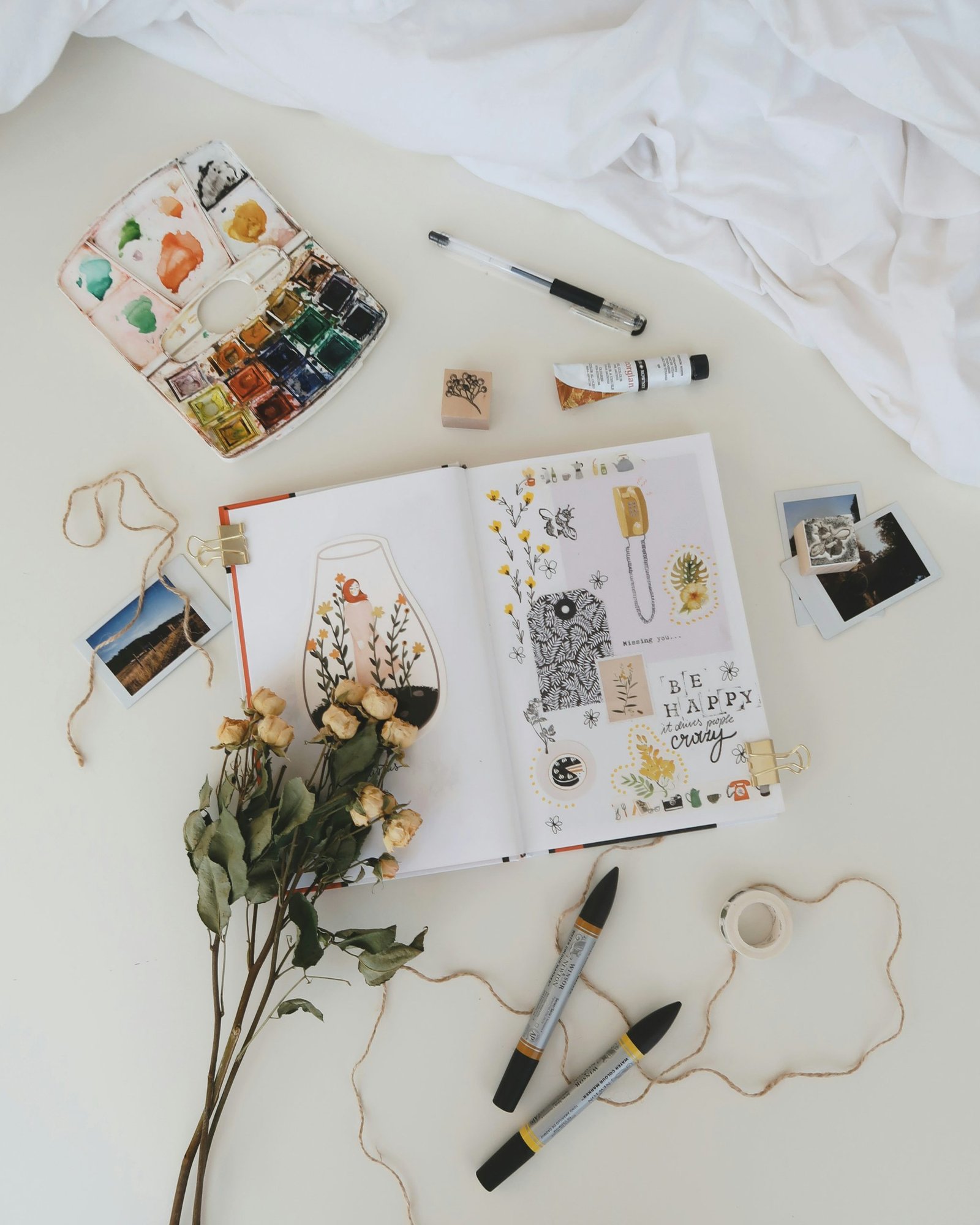
Junk journaling has emerged as a popular creative outlet for teenagers, especially teen girls seeking a hands-on, expressive activity that blends art, writing, and memory-keeping. The practice centers on assembling a journal from diverse found objects and craft supplies—scraps of paper, ephemera, fabric bits, stamps, stickers, washi tape, and more—while crafting unique pages that tell personal stories, document feelings, or capture daily moments. The appeal lies in its flexibility: there is no single right way to do it. Pages can be minimalist or richly layered; themes can be seasonal, aspirational, or introspective; and the process can be solitary, social, or classroom-friendly.
This comprehensive guide compiles over 100 junk journal ideas specifically curated for teen girls. The goal is to provide accessible options that suit varying skill levels, time commitments, and supply access. Whether a teen has a full art studio or a basic desk with a handful of supplies, these ideas encourage experimentation, self-expression, and the development of a personal creative voice. The concepts range from simple, quick pages to more elaborate spreads, ensuring ongoing inspiration for weeks or months of journaling.
The broader value of junk journaling extends beyond aesthetics. It can cultivate organizational habits, improve handwriting and design sense, and offer a private space for reflection. It also fosters sustainable practices by repurposing everyday materials. Importantly, teens should adapt projects to their own comfort with messiness, ownership of content, and desires for privacy—some pages may be shared with friends or teachers, while others remain personal.
In presenting these ideas, the emphasis is on practical execution. Each suggestion includes a straightforward description, potential materials, and tips to customize for different interests. The collection supports varied themes—memories, goals, school life, fandoms, hobbies, and self-care—while encouraging experimentation with color, texture, typography, and layering. With the right mindset, any teen can build a vibrant, meaningful junk journal that reflects who they are and how they see the world.
In-Depth Analysis
The growing popularity of junk journaling among teens reflects broader shifts in how young people engage with creativity. In an era of digital storytelling, many teens crave tangible, tactile activities that allow them to slow down, focus attention, and cultivate a personal artifact. Junk journals serve as a portable, flexible canvas for narrative, memory-keeping, and self-expression. The practice blends elements from scrapbooking, bullet journaling, art journaling, and memory keeping, but with less rigid structure and more room for improvisation.
A core strength of junk journaling for teen girls is its inclusivity regarding materials. Almost any paper-based item can become part of a page: storefront receipts, ticket stubs, magazines cuttings, colored paper, stickers, fabric scraps, label tags, pressed flowers, and even old notes. This openness invites experimentation with texture, color, and composition, enabling teens to explore design principles such as balance, contrast, rhythm, and hierarchy in a low-pressure environment.
The 100+ ideas presented below are grouped to cover common teen interests and practical constraints. The aim is to provide a spectrum—from quick, low-effort prompts to more involved, time-consuming projects—so journaling can fit into busy school schedules, extracurricular activities, and social lives. Each idea can be adapted to different sizes of journals, whether a compact notebook or a larger, handmade book.
Key themes include memory documentation, self-expression, goal setting, school life, hobbies, fandoms, and mindful journaling. Techniques emphasized range from collage and handwriting to drawing, stamping, stenciling, and mixed-media layering. Options also address accessibility and inclusivity, including ideas that require minimal supplies, or that can be done digitally and then printed for physical journaling.
In practice, successful junk journaling for teens often follows a simple workflow:
– Gather a small set of reliable supplies: a notebook or notebook insert, scissors, glue or glue sticks, a ruler, pens, and a selection of decorative elements (stickers, washi tape, magazine cutouts, tessellated papers).
– Create a few “starter” pages that feel approachable: a welcome page, a page about goals, a doodle-and-write page, and a memory page.
– Build momentum with short, repeatable prompts that can be completed in 15–30 minutes.
– Allow space for experimentation and error; the value lies in personal storytelling rather than perfect polish.
The ideas presented in this collection are designed to be adaptable. Teens can choose to focus on a single theme for a month, or mix several ideas within a single journal to reflect different facets of their lives. For example, a teen might maintain a “Daily Snapshots” spread that pairs a small photo or drawing with a few lines about a specific moment, or a “Mood Board” page that uses color palettes to reflect feelings over a week.
Beyond personal satisfaction, junk journaling can be a collaborative activity. Friends can create shared journals, swap pages, or host small journaling circles where participants exchange prompts and provide feedback in a supportive, constructive environment. This social aspect can help teens build confidence in their creative abilities, while still allowing for privacy and personal expression when desired.
The collection of ideas also acknowledges practical considerations:
– Time management: Not every page needs to be elaborate; quick, repeatable prompts sustain engagement without consuming too much time.
– Materials: Start with inexpensive or repurposed items to keep the practice accessible. Recyclable and recyclable items align with sustainability values many teens appreciate.
– Privacy and safety: Some pages may contain personal information or feelings; teens should retain control over what to share and with whom.
– Skill progression: A growing journal mirrors a teen’s evolving taste and abilities. Beginning with simple pages can build confidence to tackle more complex layouts later.
To ensure broad applicability, many ideas can be executed in a small space or with minimal tools. Others encourage more involved art techniques for those who enjoy crafting. The overarching purpose is to create a personal, meaningful record that encourages creative risk-taking, experimentation, and consistent engagement.

*圖片來源:Unsplash*
Perspectives and Impact
The appeal of junk journaling for teen girls lies in its alignment with contemporary needs for authenticity, creative autonomy, and stress relief. The process of assembling a journal—cutting, gluing, arranging, and writing—offers a tactile escape from screens, which can be appealing in an era saturated with digital content. Engaging in a physical art form can foster mindfulness, which is particularly valuable for adolescents navigating academic pressures, social dynamics, and identity formation.
From an educational standpoint, junk journaling supports literacy and visual literacy. Writing prompts integrated into journal pages encourage expressive writing, reflection, and critical thinking as teens consider what to include, how to frame a moment, and what visuals best represent their ideas. The collage aspect strengthens design awareness; teens learn to balance text and imagery, create focal points, and experiment with layers and textures.
Socially, shared journaling activities can enhance collaboration and communication skills. When teens exchange pages, give feedback, or collaborate on a journal, they practice constructive critique, empathy, and collective creativity. This collaborative element can be especially valuable in classroom settings, after-school clubs, or informal hobby groups. Yet journaling also preserves a private space for introspection, making it a versatile activity that respects both extroverted and introverted tendencies.
In terms of future implications, junk journaling could evolve into more structured formats that integrate digital components with traditional paper craft. For example, teens might incorporate scanned pages into digital scrapbooks or create printable templates to share with peers. Communities and educators may develop project-driven curricula that use junk journaling to document learning experiences, passages from literature, or science investigations in a creative, accessible way.
As with any creative practice, there are considerations to address. Some teens may initially feel overwhelmed by the suggestion of assembling a personal journal, especially if they are uncomfortable with the messiness or the idea of sharing private content. It is important to emphasize that the journal is entirely customizable: pages can be sparse or densely layered, personal or public, and created at any pace. With appropriate guidance and encouragement, junk journaling can become a sustainable, enjoyable habit that fosters self-expression and resilience.
In terms of inclusivity, the concept can be adapted to various cultures, languages, and interests. Teens can tailor prompts to reflect their identities, hobbies, and communities, ensuring the journals remain relevant and meaningful. The open-ended nature of the activity invites ongoing experimentation, making it possible for a teen to return to the practice after breaks and still pick up where they left off.
Key Takeaways
Main Points:
– Junk journaling is a flexible, creative outlet that blends collage, writing, and memory-keeping.
– A diverse set of 100+ ideas supports different interests, supplies, and time constraints for teen girls.
– The activity emphasizes personal storytelling, experimentation with materials, and mindful reflection.
Areas of Concern:
– Potential messiness and time demands may deter some teens; start with simple projects.
– Privacy considerations should guide what is shared and how journals are stored.
– Access to supplies can vary; prioritize low-cost, sustainable materials.
Summary and Recommendations
Junk journaling offers teen girls a practical, expressive, and adaptable creative outlet. The practice supports literacy, design thinking, emotional expression, and social collaboration while remaining accessible to varying skill levels and resource availability. By presenting more than 100 ideas, this guide aims to inspire ongoing engagement, helping teens build a personal creative archive that reflects their experiences, dreams, and daily life.
To maximize the benefits, teens should start with a small, manageable kit—one notebook, a handful of glue sticks, scissors, a few pens, and a curated set of decorative items. Beginning with a few starter pages, such as an introduction page, a goals page, a memory page, and a simple mood board, can establish a comfortable workflow. Gradually add new prompts, layers, and techniques as interest and confidence grow. Collaboration with friends or classmates can further enrich the experience, offering fresh perspectives and feedback while preserving personal boundaries and privacy.
Ultimately, the value of junk journaling lies in its capacity to capture a snapshot of a teen’s life in a format that is uniquely theirs. The journal becomes a running conversation with the self, a space to experiment with color, text, texture, and narrative, and a portable archive of personal growth. With thoughtful approaches to materials, time management, and privacy, junk journaling can be a sustainable and enjoyable habit that supports creativity, resilience, and self-discovery.
References
- Original: https://abeautifulspace.co.uk/100-junk-journal-ideas-for-teen-girls/
- Additional references:
- https://www.junkjournalqueen.com
- https://www.craftsy.com/post/junk-journaling-ideas-your-kid-will-love/
- https://www.apieceofrainbow.com/create-junk-journal/

*圖片來源:Unsplash*