TLDR
• Core Points: Empty notebooks can spark creativity and organization with diverse uses—from journaling and planning to art, learning, and memory-keeping.
• Main Content: A broad collection of 101 ideas to transform unused notebooks into personal tools, projects, and daily rituals.
• Key Insights: Customization, habit-building, and intentional prompts are central to turning emptiness into momentum.
• Considerations: Choose formats that suit your goals and schedule; balance structure with spontaneity.
• Recommended Actions: Pick a few ideas to start, layer in others over time, and track what resonates.
Content Overview
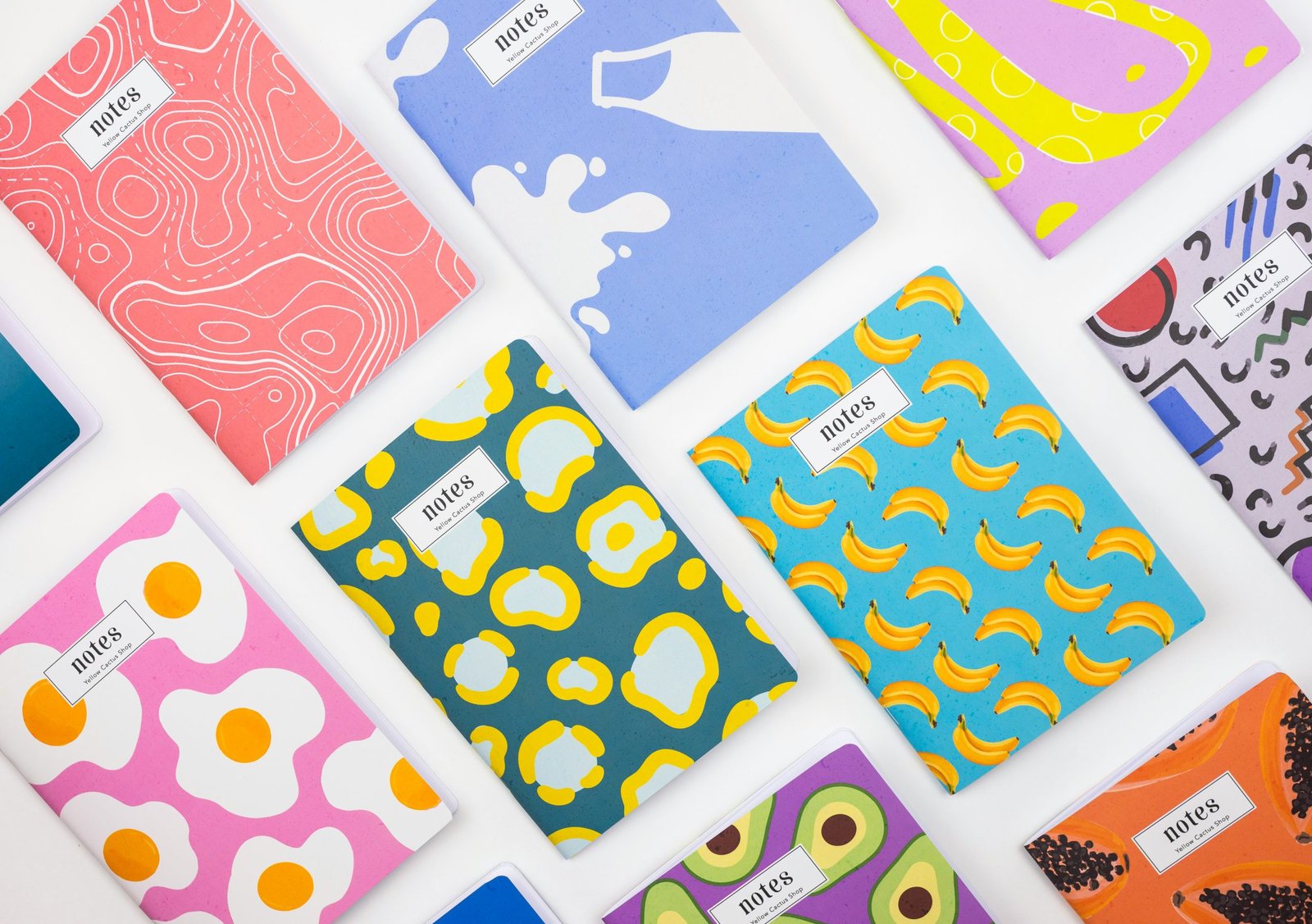
Many readers accumulate empty notebooks, drawn in by the promise of self-expression, organization, or creative exploration. Yet the blank pages can feel intimidating, leading to a cycle of purchase without use. This article provides a comprehensive, practical guide to breaking that cycle by offering 101 actionable ideas for putting those notebooks to work. The suggestions cover a wide range of purposes—personal reflection, goal setting, skill development, documentation, planning, and playful experiments—so readers can mix and match to fit their lifestyles and interests.
The central premise is simple: a notebook is a flexible tool, not a commitment to a single routine. By framing the notebook with specific intentions, or by creating small, repeatable workflows, anyone can cultivate a habit of writing, sketching, or organizing without feeling overwhelmed. The ideas are designed to be low-friction, scalable, and adaptable, ensuring that even the busiest person can find meaningful uses for their blank pages. The article emphasizes practicality while also inviting experimentation, recognizing that what works for one person may evolve over time as needs change.
This approach aligns with broader themes in personal productivity and creative practice: accessibility, intentionality, and sustainability. Rather than prescribing a rigid method, the list encourages readers to tailor their notebook use to their own rhythms, interests, and goals. In doing so, empty notebooks transition from symbols of unfulfilled intent to reliable, personalized tools that support daily life, learning, and growth.
In-Depth Analysis
The heart of this guide is a curated catalog of 101 ideas, each designed to be executed in a short amount of time and with minimal pressure. The ideas can be grouped into several broad categories, facilitating a reader’s ability to navigate and implement them:
1) Personal Journaling and Reflection
– Daily micro-journaling: 3-5 lines capturing a moment, feeling, or takeaway each day.
– Gratitude and intention pages: a quick prompt each morning or evening to set a tone for the day.
– Mood and energy tracking: simple color-coded or numerical scales to identify patterns over weeks or months.
– Memory snapshots: brief descriptions or sketches of meaningful events, preserving sensory details for future recall.
– Personal-growth prompts: weekly prompts focused on skills, values, and priorities.
2) Goal Setting, Planning, and Productivity
– Yearly or quarterly goals: high-level objectives with steps and check-ins.
– Habit tracking: a trackable chart for habits you want to form or maintain.
– Project planning: outlines, milestones, and resource lists for creative or professional projects.
– Note-taking templates: standardized pages for meetings, classes, or workshops to streamline information capture.
– Daily task capture: a simple inbox or to-do list that feeds a weekly review.
3) Learning, Skills, and Practice
– Language learning log: new vocabulary, phrases, and usage notes.
– Reading journal: summaries, quotes, and reflections from books.
– Skill-building sheets: structured practice logs for activities like drawing, photography, cooking, or coding.
– Field notes: observations from nature, travel, or everyday life to hone observation skills.
– Exercise and wellness logs: records of workouts, meals, sleep, and overall health trends.
4) Creativity, Art, and Expression
– Doodle or drawing prompts: a small space for spontaneous sketches.
– Creative challenges: daily prompts to spark imagination and experimentation.
– Poetry or micro-fiction: short pieces to develop voice and craft.
– Visual journals: a mix of sketches, collage, and color studies capturing moods and ideas.
– Mood boards and color studies: a living gallery of inspiration for future projects.
5) Organization, Documentation, and Keepsakes
– Capsule or memory book: a curated chronicle of favorite moments, tickets, photos, and mementos.
– Travel journals: maps, itineraries, clippings, and impressions from trips.
– Inventory logs: catalogs of belongings, tools, or digital assets for easy reference.
– Cheatsheets and reference pages: quick-look notes for formulas, codes, or processes.
– Gift and idea book: jotting down thoughtful ideas for loved ones and future occasions.
6) Practical and Everyday Use
– Budget and expense tracking: simple templates for income, expenses, and savings goals.
– Meal planning and recipes: weekly menus, grocery lists, and favorite quick meals.
– Household management: chores schedules, maintenance reminders, and service contacts.
– Contact and important information log: a safe place for critical numbers, passwords (securely), and addresses.
– Wellness rituals: a space to record daily self-care routines and reminders.
Implementation tips to maximize use:
– Start small: choose 1-2 ideas that align with current needs and test them for two weeks.
– Create a routine: designate a daily or weekly time for notebook work to build consistency.
– Use templates: pre-drawn layouts save cognitive load and reduce decision fatigue.
– Leave room to evolve: allow pages to morph as interests and circumstances change.
– Pair with reminders: use digital alerts or post-it notes to prompt regular journaling or reviews.

*圖片來源:Unsplash*
The overarching aim is to transform an empty notebook from an intimidating artifact into a personal toolbox. By selecting a few focal areas and gradually expanding, readers can experience tangible benefits without feeling overwhelmed. The ideas accommodate diverse personalities—from the meticulous organizer to the free-spirited creative—making the practice accessible to a broad audience.
Perspectives and Impact
Adopting an intentional approach to empty notebooks can influence several aspects of daily life and long-term development:
- Creativity and problem-solving: Regular journaling and creative exercises can enhance ideation, flexible thinking, and the ability to connect disparate ideas. Sketches and prompts reduce mental blocks and invite fresh perspectives.
- Learning acceleration: Structured practice logs and reflection prompts encourage deliberate practice, which has been shown to improve retention and skill mastery in various disciplines.
- Personal clarity and motivation: By articulating goals, tracking progress, and recording insights, individuals gain a clearer sense of direction and greater accountability.
- Stress reduction and mindfulness: Brief gratitude, reflection, and mood tracking can promote emotional awareness and reduce cognitive load, contributing to overall well-being.
- Sustainable habits: Small, repeatable tasks lower barriers to entry, helping people build lasting routines rather than pursuing intensive, unsustainable practices.
- Long-term value: Travel journals, memory books, and curated collections create tangible, sentiment-rich records that can be revisited for inspiration, nostalgia, or legacy.
Future considerations involve balancing the urge to document with the risk of over-organization. Some readers may prefer a highly minimal system, while others may enjoy elaborate, artful pages. Accessibility and privacy are also important: consider color choices, font readability, and how securely sensitive information can be stored.
The ideas also reflect broader trends in personal productivity and mindful living, where tools are designed to support human needs rather than enforce rigid formats. An empty notebook, when used with intention, becomes a catalyst for reflection, learning, and creative exploration rather than a mere accumulation of blank pages.
Key Takeaways
Main Points:
– An empty notebook is a versatile tool, not a burden, with broad applications across journaling, planning, learning, and creativity.
– A small number of focused practices can unlock ongoing engagement; structure is helpful but not restrictive.
– The practice benefits clarity, skill development, and well-being, with long-term value from memory-keeping and habit formation.
Areas of Concern:
– Overwhelm from too many ideas; readers may start many practices but finish few.
– Privacy and data security for personal information stored in notebooks.
– Maintaining motivation over time without visible outcomes or milestones.
Summary and Recommendations
To maximize the value of empty notebooks, begin with a small, clearly defined objective. Select 1-3 ideas that align with current needs—such as a daily micro-journal, a weekly goal page, and a simple habit tracker—and implement them for two weeks. Monitor how each format feels in daily life, adjusting prompts, templates, and frequency as needed. Gradually introduce additional uses, ensuring each new practice has a clear purpose and a realistic time commitment. The goal is to cultivate sustainable habits that enhance creativity, learning, and personal organization without turning the notebook into a source of stress.
If you’re unsure where to start, a balanced starter kit could include:
– A 2- to 3-minute daily reflection page (three lines: what happened, how it felt, what you learned).
– A weekly planning spread for goals and top priorities.
– A simple habit calendar to track one or two behaviors.
As confidence grows, expand with a reading journal, travel log, or creative prompt pages. The key is to maintain flexibility: let the notebook evolve with you rather than obliging you to fit a single mold. With intentional use, empty notebooks can become trusted companions that support growth, inspiration, and organization.
References
- Original: https://abeautifulspace.co.uk/101-ideas-for-empty-notebooks-creative-fun-totally-inspiring/
- Additional reading on journaling and habit formation:
-https://www.ncbi.nlm.nih.gov/pmc/articles/PMC5601010/
-https://jamesclear.com/habit-tracking - Broader context on creative productivity and personal planning:
-https://zenhabits.net/the-power-of-10-minute-plans/

*圖片來源:Unsplash*