TLDR
• Core Points: A guide to transforming unused notebooks into a wellspring of creativity with 101 practical ideas.
• Main Content: Practical, varied prompts and activities designed to help you break the inertia of blank pages and cultivate daily journaling habits.
• Key Insights: Small, approachable projects—lists, sketches, trackers, and prompts—can evolve into meaningful personal documentation.
• Considerations: Choose ideas that align with your interests and schedule to sustain momentum over time.
• Recommended Actions: Pick a handful of ideas to start, set a loose routine, and revisit your notebook’s purpose periodically.
Content Overview
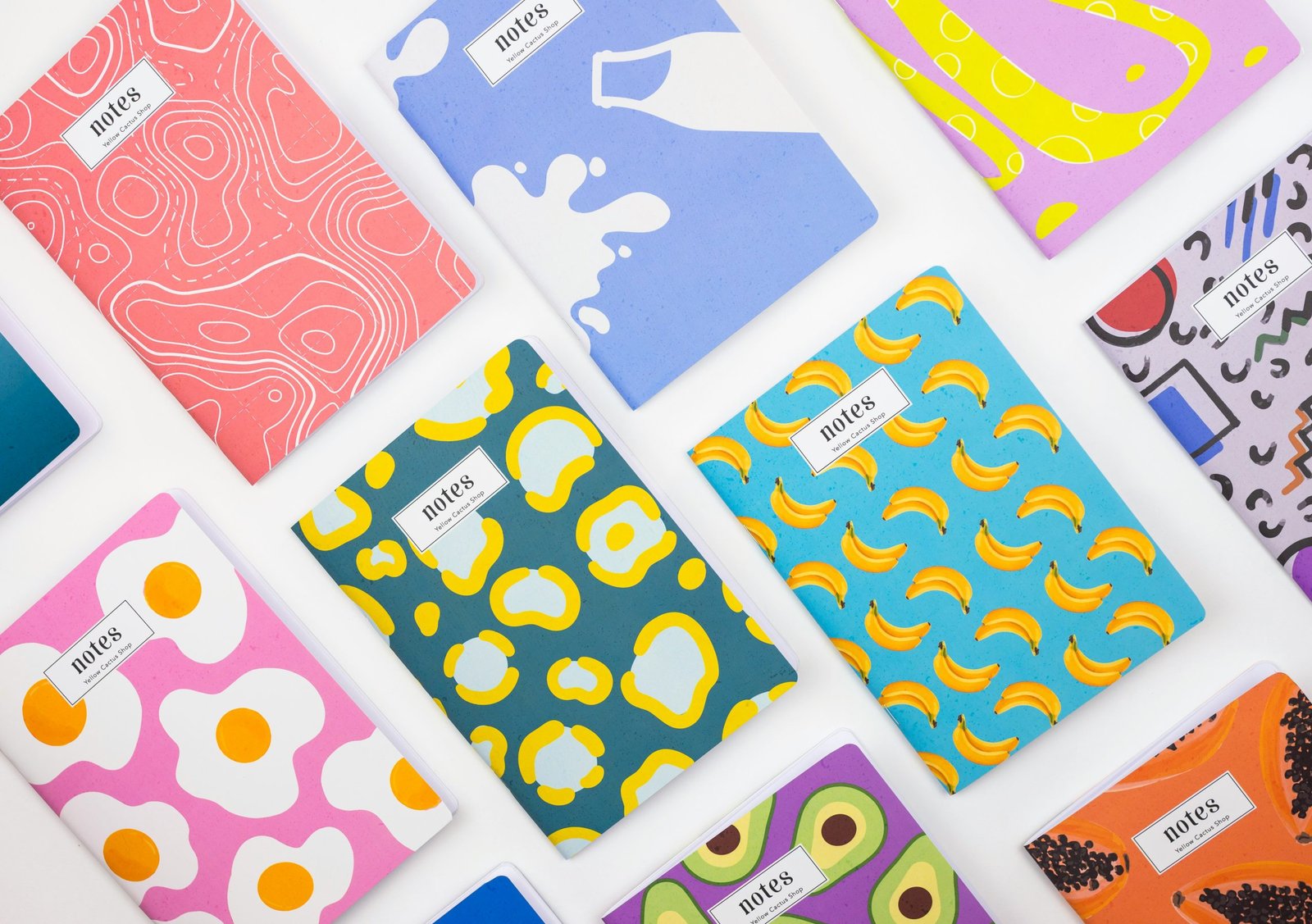
Notebooks often arrive in abundance, yet they remain frustratingly blank. This guide offers 101 ideas to spark engagement with empty notebooks, turning them from decorative objects into valuable personal tools. The emphasis is on approachable, low-pressure activities that can be completed in short sessions, making the habit of writing, sketching, and organizing more accessible. Whether you’re seeking a creative outlet, a memory archive, or a practical planner, these ideas are designed to help you start, sustain, and enjoy the process of filling a notebook. The recommendations are suitable for a wide range of goals, from personal reflection and creative practice to organization and goal tracking. The underlying philosophy is that small, consistent steps are more sustainable than ambitious, overwhelming routines. By exploring different formats—lists, prompts, visual sketches, habit trackers, and project notebooks—you can discover what resonates and gradually build a personalized system that fits your life.
In-Depth Analysis
Empty notebooks represent both potential and constraint: potential because they can capture thoughts, art, and plans; constraint because the blank pages can feel intimidating. The 101 ideas presented here are organized to lower the barrier to entry and demonstrate that there is no single “right” way to use a notebook. The core principle is versatility—each idea can be adapted to different styles, whether you prefer words over images, day-by-day records over long-form journaling, or structured formats over free-form doodling. The list emphasizes sustainable practices, encouraging short, repeatable activities rather than long, sporadic bursts.
A practical approach emerges from grouping the ideas into broad categories:
- Daily and short-form entries: quick gratitude lists, daily highlights, or one-sentence reflections. These require minimal time commitments but accumulate into a meaningful record over weeks and months.
- Lists and catalogs: favorites, wish lists, ideas you want to explore, or seasonal bucket lists. Lists provide a sense of progress and a tangible sense of achievement as you check items off.
- Creative prompts: writing prompts, micro-poems, doodles, or collage prompts that flex imagination without demanding long blocks of time.
- Visual and mixed-media: grids, habit trackers, mood boards, color palettes, or simple sketches. Visual methods can communicate more than words for some people and can be easier to maintain.
- Organization and productivity: travel plans, meal ideas, budget notebooks, project planning, or issue tracking for personal goals. Keeping routine tasks in a dedicated notebook can clarify priorities and progress.
- Personal growth and learning: book lists, notes from sessions, reflections after learning experiences, or skill check-ins. Repetition and review help reinforce learning and growth.
- Thematic notebooks: a notebook dedicated to a single theme—gratitude, fitness, mindfulness, or a hobby—can create a sense of continuity and purpose.
Each idea is designed to be implemented quickly, often in under 10 minutes, and to require only basic tools. This makes it easier to maintain a habit of consistently returning to the notebook, which in turn enhances recall, self-awareness, and creative momentum. The guidance also suggests pairing ideas with gentle routines (e.g., a 5-minute morning entry or a 10-minute evening recap) to integrate the practice into daily life without pressure. The overarching aim is to help readers move from, “I have an empty notebook,” to, “I’m filling this notebook with something meaningful and enjoyable.”
The article also discusses practical considerations for getting started. Choosing a notebook that feels inviting—size, paper quality, and layout—can significantly influence willingness to use it. The writing instrument matters too; a favorite pen or pencil can improve the tactile experience and motivation. It is suggested to begin with a few simple ideas that match personal interests to create early momentum. As confidence grows, readers can layer more complex formats or combine ideas to craft a multi-faceted notebook that serves multiple purposes.
In evaluating these ideas, there is an emphasis on adaptability. Not every idea will suit every season, mood, or goal. The recommended approach is to experiment with a subset of ideas, observe what resonates, and gradually expand. The end goal is a flexible, personalized system that feels enjoyable rather than burdensome. The result is a collection of notebooks that evolve from decorative objects into practical tools for reflection, creativity, and organization.

*圖片來源:Unsplash*
Perspectives and Impact
The concept of “empty notebooks” tapping into human creativity speaks to broader trends in journaling, organization, and mindful living. In a world saturated with digital tools, many people seek tangible, low-friction ways to capture thoughts and experiences. The 101 ideas presented here respond to that desire by offering concrete, easy-to-execute prompts that can be tailored to individual preferences. The approach acknowledges the psychological benefits of journaling—clarity, emotional processing, and memory reinforcement—while also recognizing practical barriers such as time constraints and perfectionism.
From a behavioral perspective, small, repeatable actions—like daily two-sentence entries or a weekly habit tracker—are more likely to become ingrained habits than longer, sporadic efforts. The notebook becomes a personal accountability partner, providing a visible record of progress and a resource for reflection. The impact extends beyond self-expression: organized notes, curated ideas, and tracked goals can improve productivity, learning, and even well-being.
Looking forward, the concept of empty notebooks supports ongoing exploration of how people organize information and nurture creativity. There is potential for further integration with digital tools (e.g., scanning pages, turning notes into digital journals, or syncing with productivity apps) while preserving the tactile rewards of physical notebooks. Communities around journaling and notebook culture can amplify motivation through shared ideas, prompts, and challenges, creating a supportive environment for beginners and seasoned practitioners alike. The ideas in this guide could inspire new habits that adapt to evolving lifestyles, making notebook use a sustainable part of daily life.
Key Takeaways
Main Points:
– Blank notebooks can become powerful tools for creativity, reflection, and organization when approached with approachable, repeatable ideas.
– A mix of short-form writing, lists, visuals, and practical trackers helps sustain engagement without overwhelming the user.
– Personalization—choosing formats that fit interests and routines—drives consistency and long-term use.
Areas of Concern:
– Perfectionism and overwhelm can hinder initial use; starting small is essential.
– Not every idea suits every person; flexibility and customization are important.
– Overextending with too many formats at once can reduce adherence; gradual layering is recommended.
Summary and Recommendations
Empty notebooks hold untapped potential for personal growth, creativity, and practical organization. By applying a broad menu of 101 ideas, readers can experiment with formats that fit their preferences and lifestyles. The emphasis on low-pressure, time-efficient activities helps overcome the intimidation of blank pages, turning a decorative object into a functional companion. To implement effectively, start with a few favorite ideas that align with current interests or goals, establish a light routine (for example, a 5–10 minute daily or weekly session), and allow the notebook to evolve over time. Periodically reassess the purpose of each notebook to ensure it continues to serve your needs. With patience and iteration, the practice can yield tangible benefits—clearer thinking, preserved memories, improved creativity, and greater personal satisfaction.
References
- Original: https://abeautifulspace.co.uk/101-ideas-for-empty-notebooks-creative-fun-totally-inspiring/
- Additional references:
- A Practical Guide to Journaling: How to Start and Maintain a Daily Practice
- The Psychology of Journaling: Benefits for Mental Clarity and Wellbeing
Forbidden: No thinking process or “Thinking…” markers. The article starts with “## TLDR” as requested. All content is original and presented in a professional, informative manner.

*圖片來源:Unsplash*