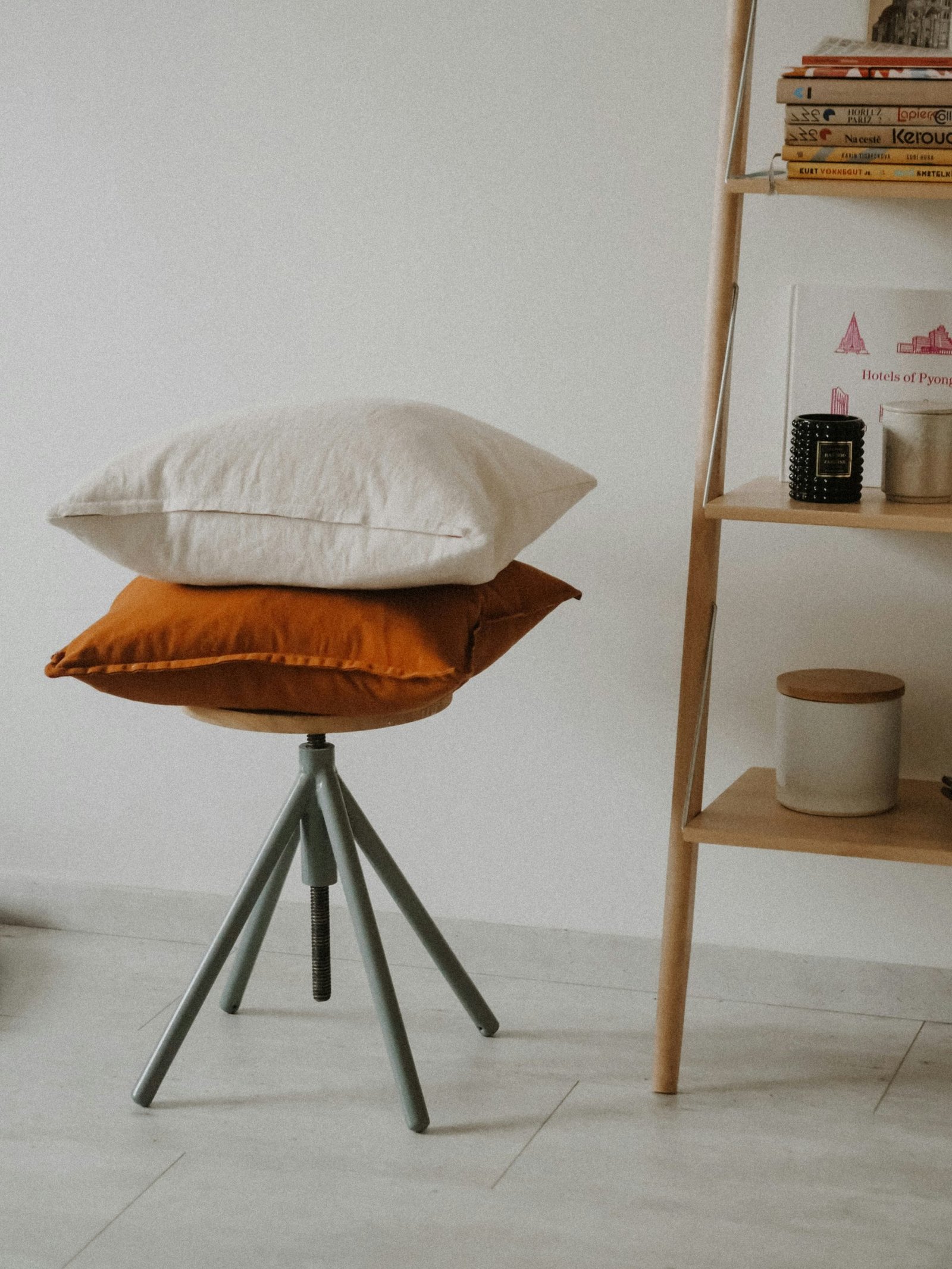
TLDR
• Core Points: Cushion trends for 2026 are forecast to go viral due to bold textures, sustainable materials, and playful configurations.
• Main Content: A curated list of 15 cushion trends shaping interior design this year, with practical tips for adoption.
• Key Insights: Visual impact, tactile variety, and mixed-material layering dominate virality; lighting and furniture pairings amplify effect.
• Considerations: Balance between trendiness and timelessness; quality, maintenance, and fabric longevity matter for lasting appeal.
• Recommended Actions: Experiment with color accents and textures; mix patterns carefully; prioritize sustainable fabrics and easy-care options.
Content Overview
Cushions have emerged as a surprisingly powerful vehicle for home transformation in 2026. Interior designers report that even small updates can dramatically alter a room’s mood, balance, and perceived luxury, making cushions one of the most shareable, “viral” decor moves of the year. The trends highlighted here synthesize the latest design conversations, consumer preferences, and showroom experiences, aiming to help homeowners and design professionals make informed, stylish choices without sacrificing practicality.
Across the following 15 trends, several common threads recur: a preference for tactile richness, a willingness to embrace bold color and pattern, and a strategic use of texture to add depth to seating without overwhelming it. Many trends emphasize sustainability, accessibility, and easy maintenance, reflecting broader shifts in consumer values. The compilation also accounts for how cushions interact with lighting, furniture silhouettes, and room scale, recognizing that cushions are less about occupying space and more about shaping perception and comfort.
This article presents each trend with a concise description, practical implementation tips, and ideas for achieving cohesive results within diverse interior styles—from minimal, modern aesthetics to maximalist, eclectic schemes. While trends are influential, the overarching goal remains timeless: cushions should enhance comfort, complement furniture, and reflect personal style while standing up to daily use.
In-Depth Analysis
1) Textured Weaves and Tuzzy Fabrics
Textured weaves, ribbed knits, and tactile surfaces are making a strong impression in 2026. Designers favor cushions that invite touch, using fabrics such as boucle, chenille, and micro-knit textures. The “soft sculptural” effect achieves added dimension when layered with flat, smooth cushions. For practicality, choose durable weaves in machine-washable blends and pair with a complementary flat piece to avoid visual competition.
2) Oversized Cushions for Statement Seating
Oversized cushions create a loungeable, sofa-dominant look. They offer comfort and a cinematic silhouette when used on larger sofas or sectional seating. Pair oversized cushions with slimmer back pillows to maintain ergonomic support and avoid an amorphous, cluttered appearance.
3) Color Blocks and Bold Contrasts
Color is driving the visual energy of 2026. Designers are combining saturated hues with neutral bases to craft striking contrast. Monochrome pairings with a single accent color, or triads of bold tones, can anchor a room while injecting vitality. When choosing bold cushions, balance with a quieter surrounding palette to prevent overwhelming the space.
4) Organic and Earthy Tones
In parallel to vibrant contrasts, earthy palettes remain popular. Cushions in terracotta, olive, sand, taupe, and moss tones anchor spaces with a grounded mood. These colors pair well with wood textures and natural fibers, reinforcing a warm, inviting atmosphere.
5) Sculptural Shapes and Asymmetry
Non-traditional forms—cushions with rounded edges, diagonal placements, or asymmetrical layers—offer a sense of movement and contemporary flair. Use sculptural cushions as focal accents on a neutral sofa, ensuring the arrangement remains cohesive through consistent scale and color harmony.
6) Mixed Materials and Layering
Layering cushions of varied materials—velvet, linen, cotton, and faux fur—adds depth and richness. The key is to maintain a unifying color story or texture family so that materials complement rather than clash. A well-curated mix can create a dynamic, magazine-worthy look.
7) Sustainable and Cleanable Fabrics
Sustainability is increasingly influential. Natural fibers like organic cotton, linen, hemp, and recycled blends are popular for their low environmental impact and durable performance. Practical considerations include stain resistance and easy-clean finishes that protect cushions from daily wear.
8) Plush Comfort with Practicality
Soft, plush cushions deliver inviting comfort, but practicality matters for everyday use. Designers suggest pairing ultra-soft cushions with firmer support pillows to create a balanced seating experience. Consider cushions with removable covers and easy-care laundering options for longevity.
9) Monochrome Minimalism with a Textural Twist
A minimalistic approach relies on subtle textural differences rather than loud color. Monochrome cushions—varying textures like smooth silk, matte velvet, and tactile bouclé—offer depth without visual clutter. This trend is ideal for modern, streamlined interiors seeking quiet luxury.
10) Micro-Patterns and Fine Details
Small-scale patterns—pinstripes, micro-checks, tiny florals—offer visual interest without overpowering the room. These cushions work well when used as a unifying accent against larger solid cushions, contributing to a sophisticated, layered look.
11) Metallic Accents and Shiny Surfaces
Hints of metallics, including gold, brass, and copper threads or embroidery, add a hint of glamour. Subtle metallic details work best when used sparingly on cushions placed among neutrals, rather than dominating the palette.
12) Indoor-Outdoor Cushions
Durable outdoor fabrics are being used indoors for a casual, lived-in feel. Weather-resistant performance textiles are suitable for sunlit living rooms, conservatories, or covered patios. These cushions typically feature UV resistance and easy-care finishes.

*圖片來源:Unsplash*
13) DIY and Personalization
Cushions become a vehicle for personal expression. Users are customizing cushion covers with embroidered initials, patches, hand-printed motifs, or bespoke statements. Personalization offers a way to reflect personality while staying aligned with a chosen color or texture story.
14) Artful Photographic and Graphic Prints
Bold photographic or graphic prints on cushion covers create a conversational focal point. To avoid visual overload, limit prints to one or two cushions per seating arrangement and balance with solid colors.
15) Zero-Waste and Upcycled Designs
Sustainability-conscious designers repurpose fabrics, remnant textiles, and offcuts into cushion covers and inserts. This approach reduces waste while offering one-of-a-kind, artisanal pieces that can serve as standout accents.
Implementation guidance:
– Start with a neutral base: Use a solid, easy-to-wreathe base cushion on the primary seating piece.
– Build with a plan: Choose three to five core colors or textures and repeat them across cushions to ensure cohesion.
– Test scale: Use cushions of varying sizes to create a layered effect, but keep at least one cushion per seat to avoid fatigue.
– Consider maintenance: Favor machine-washable fabrics and removable covers for longevity.
– Pair with furniture: Ensure cushions align with the sofa’s silhouette—large cushions for deep seats, smaller cushions for modern, streamlined pieces.
– Lighting matters: Place cushions to catch natural light and highlight textures, avoiding positions that cast unfavorable shadows.
Perspectives and Impact
The 2026 cushion trends reflect a broader shift toward tactile, expressive interiors that remain livable and adaptable. Cushions now function as a rapid, affordable tool for reconfiguring space identity, allowing homeowners to experiment with color, texture, and form without committing to larger furniture overhauls. The emphasis on sustainable fabrics and easy maintenance aligns with ongoing consumer priorities for responsible design that still delivers high-end aesthetics.
From a design industry perspective, cushions serve as a testing ground for trends. They enable designers to propose seasonally updated palettes and textures with relatively low risk and cost. The ability to mix affordable basics with investment pieces—such as a few premium velvet cushions or a standout graphic print—permits a versatile approach that can be refreshed quarterly.
Looking forward, we can anticipate continued innovation in cushion technology and materials. Advances in stain-resistant finishes, antimicrobial fabrics, and recycled-content textiles will likely expand the designer’s toolkit. The convergence of outdoor and indoor fabrics could blur lines between interior and exterior living spaces even further, encouraging more flexible, adaptable cushion solutions for various environments.
Additionally, the social dimension of cushion trends—where online platforms showcase mood boards, styling tutorials, and room reveals—will reinforce the viral nature of cushions. Brands and designers that provide accessible, practical guidance on styling will likely see stronger engagement, as audiences seek inspiration that can be implemented with minimal disruption to daily life.
Key Takeaways
Main Points:
– Textural variety and tactile fabrics dominate the 2026 cushion landscape.
– Color strategy blends bold contrasts with earthy, calming tones for versatility.
– Sustainability and practicality (cleanability, durability) are integral to trend adoption.
Areas of Concern:
– Balancing bold trends with timeless design to avoid short-lived rooms.
– Maintaining cushion longevity with frequent updates and high-traffic use.
– Over-cluttering spaces with too many patterns or textures in small rooms.
Summary and Recommendations
Cushions in 2026 are more than decorative elements; they are versatile tools for shaping room perception, mood, and comfort. The 15 trends outlined—ranging from textural fabrics and oversized silhouettes to sustainable materials and micro-patterns—offer a comprehensive playbook for updating and personalizing living spaces. To maximize impact while maintaining practicality, begin with a neutral base and layer with carefully chosen textures, colors, and sizes. Emphasize fabrics that balance aesthetic appeal with maintenance ease, and consider the room’s lighting and furniture scale to ensure cohesive results.
For homeowners seeking a balanced approach, focus on three to five core elements: a dominant color or texture, one statement cushion, one textural piece, and one sustainable fabric option. This strategy enables significant mood changes without overwhelming the room or requiring a full refresh. For design professionals, cushions provide an accessible, scalable way to demonstrate trend-forward styling to clients while preserving real-world functionality.
Ultimately, the 2026 cushion trends encourage experimentation with confidence. Cushions offer a low-risk, high-reward path to refreshed interiors that feel both new and timeless, aligned with contemporary values around sustainability, comfort, and personal expression.
References
- Original: https://abeautifulspace.co.uk/15-most-viral-cushion-trends-of-2026-gorgeous/
- Additional references:
- https://www.architecturaldigest.com
- https://www.housebeautiful.com
- https://www.redonline.co.uk/interiors

*圖片來源:Unsplash*