TLDR
• Core Points: Small laundry rooms can be stylish and highly functional with smart layouts, compact appliances, clever storage, and thoughtful organization.
• Main Content: Practical ideas range from vertical shelving and folding stations to multi-purpose cabinets, color schemes, lighting, and ventilation considerations for compact spaces.
• Key Insights: Maximizing wall space, choosing adaptable furniture, and prioritizing airflow and moisture control are essential for small laundry areas.
• Considerations: Budget, durability of space-saving solutions, and the balance between aesthetics and utility should guide design choices.
• Recommended Actions: Audit your current layout, list must-have features, and implement staged upgrades focusing on storage efficiency and ease of maintenance.
Content Overview
Small laundry rooms don’t have to feel cramped or uninspired. In fact, with the right approach, a compact space can deliver impressive efficiency and a pleasing aesthetic. This article gathers 21 actionable ideas for transforming a small laundry area into a organized, functional, and stylish zone. The suggestions emphasize maximizing vertical space, using multi-functional furniture, selecting compact or stackable appliances where possible, and incorporating thoughtful lighting and ventilation. While the designs are tailored to limited square footage, they remain adaptable to various home layouts, budgets, and personal tastes. The overarching goal is to create a laundry space that streamlines chores, reduces clutter, and blends with the home’s interior design.
In-Depth Analysis
Designing a small laundry room requires a strategic combination of layout optimization, storage efficiency, and material choices that withstand humidity and frequent use. The following themes reflect practical approaches that homeowners can implement incrementally or as part of a full renovation.
1) Vertical storage and wall-mounted solutions
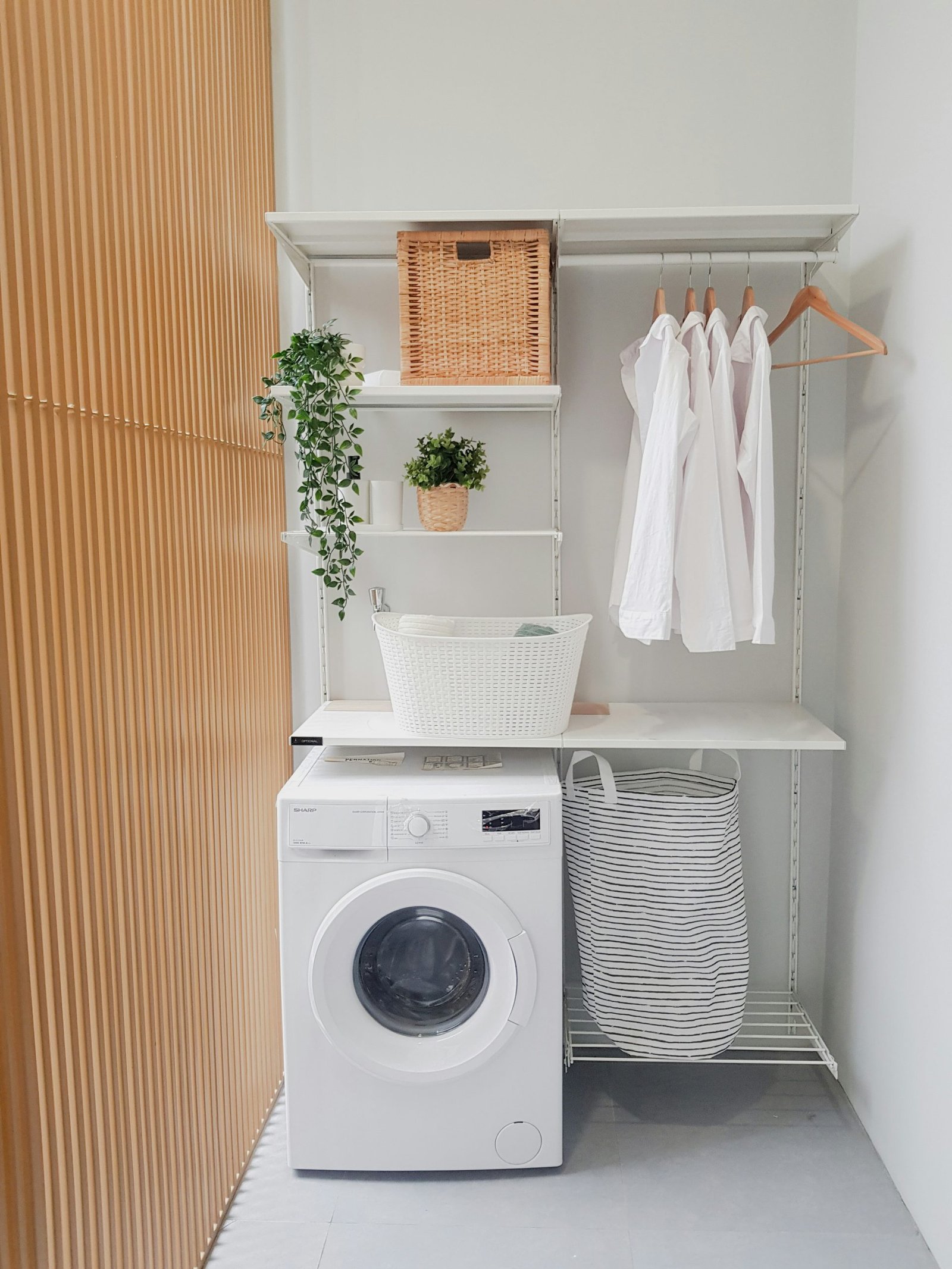
In compact spaces, walls become invaluable real estate. Installing wall-mounted cabinets or open shelving above the washer and dryer creates a dedicated area for laundry detergents, stain removers, and other supplies. Consider adjustable shelving to accommodate items of different sizes. A pegboard or grid panel can hold baskets, lint rollers, and cleaning tools, keeping the countertop clear for folding.
2) Compact, stackable, or front-loading appliances
If space is at a premium, opting for front-loading machines or compact models can free up floor space. Stacking units, when feasible, offer a vertical solution that allows for a counter or work surface on top. When selecting appliances, prioritize energy efficiency, reduced water use, and minimal vibration to maintain a quiet, peaceful laundry routine.
3) Folding and sorting stations
A drop-down or wall-mounted folding station provides a dedicated area for folding laundry without sacrificing floor space. For sorting, incorporate labeled bins or pull-out drawers within a vanity or cabinet to separate whites, colors, and delicates. A portable hamper or pull-out laundry basket can be tucked away when not in use.
4) Multi-purpose cabinetry
Built-in cabinets with closed doors help conceal chores and supplies, contributing to a tidy appearance. Include a mix of closed storage for detergents and cleaning products and open baskets or baskets on pull-out organizers for quick access to frequently used items. Soft-close hinges and durable finishes help preserve the cabinetry’s longevity.
5) Countertops and work surfaces
A sturdy countertop over the appliances or a wall-mounted work surface offers space for sorting, folding, and treating stains. If the room’s layout permits, a longer counter can run the full width of the space, creating an efficient workflow from sorting to folding.
6) Laundry zones within a larger room
In open-plan areas or kitchens that adjoin a laundry corner, designate a distinct zone using cabinetry, half-walls, or color contrast. A cohesive design ties the laundry area to adjacent spaces while maintaining a dedicated function.
7) Color, materials, and lighting
Light, neutral colors help small spaces feel larger and more airy, while consistent materials create a cohesive look. Consider moisture-resistant paint, tile backsplashes, or waterproof vinyl flooring that stands up to humidity. Layered lighting—ambient, task, and accent—improves visibility and mood. Under-cabinet lighting is particularly helpful for detailed tasks like folding or stain treatment.
8) Ventilation and moisture control
A small laundry room must manage humidity to prevent mold and odor buildup. Ensure proper ventilation via an exhaust fan or a window where possible. If a vented dryer is not feasible, consider a ventless dryer paired with a dehumidifier or an efficient heat pump for energy savings.
9) Laundry sink and utility stations
A compact utility sink can be a practical addition for hand-washing delicate garments, pre-soaking stains, or cleaning tools. A sink with a cabinet pedestal or integrated storage beneath increases functionality without consuming extra floor space.
10) Hidden hampers and pull-out solutions
Discreet laundry hampers—either concealed behind cabinet doors or integrated within a wardrobe system—help maintain a clutter-free room. Pull-out hampers or organizers inside cabinetry streamline sorting and reduce the number of trips to the laundry area.
11) The importance of door choices
The room’s door can significantly impact space perception. Pocket doors, bifold doors, or even a curtain can save clearance space compared with a traditional hinged door. If the door faces the main traffic flow, consider soft-close doors to minimize sound disturbance.
12) Smart storage for detergents and bottles
Use slim-tiered organizers or adjustable shelves to accommodate detergent bottles of varying heights. Clear canisters or labeled containers help users quickly locate supplies, reduce spills, and maintain a neat appearance.
13) Appliance garages and pull-out pantry-style storage
An appliance garage conceals a coffee maker, iron, or other devices when not in use. A pull-out pantry within reach of the washing area can store starches, stain removers, dryer sheets, and other essentials, minimizing clutter on countertops.
14) Drying racks and air-drying options
Wall-mounted or ceiling-mounted drying racks maximize vertical space. For delicate fabrics, consider retractable or fold-away racks that tuck away when not used. Drying lines or retractable clotheslines can be a practical alternative in rooms with limited electrical outlets or heat.

*圖片來源:Unsplash*
15) Sizing considerations for storage units
Choose storage units that fit the room’s width and depth with a comfortable clearance for doors and drawers. Custom-built or modular units offer flexibility to adapt to your space, style, and storage needs.
16) Sustainable and durable materials
In moisture-prone rooms, select materials that resist warping and staining. Quartz or solid surface countertops, moisture-resistant cabinets, and corrosion-resistant hardware are practical long-term investments.
17) Smart organization systems
Labeling, color-coding, and clearly defined zones streamline laundry routines. Consider adding a small chalkboard, whiteboard, or digital note system to track laundry cycles or maintenance tasks.
18) Kids and pets-friendly safety
If children or pets share the home, incorporate safety features such as childproof latches on cabinets, corner guards on shelves, and secure storage for cleaners out of reach.
19) Accessibility and ergonomic design
Place frequently used items at waist height to minimize bending. Ensure electrical outlets near work surfaces and plan for easy access to controls on the washer and dryer.
20) Aesthetics and personalization
Even in a utilitarian space, personal touches—such as color-coordinated baskets, decorative hooks, or a small indoor plant—can elevate the room’s appeal without compromising function.
21) Practical maintenance and longevity
Choose surfaces and fixtures that are easy to clean and resistant to moisture, stains, and corrosion. Regular maintenance, such as cleaning lint traps, wiping down surfaces, and inspecting seals, helps extend the life of the space.
Perspectives and Impact
The appeal of optimizing small laundry rooms extends beyond aesthetics. Efficient layouts reduce chore time, conserve energy and water, and lower household stress by keeping supplies organized and accessible. As urban living spaces shrink and housing designs increasingly favor open-plan interiors, many homeowners seek transitional or multi-purpose areas that serve laundry needs without dominating living spaces. The trend toward compact, modular, and moisture-conscious solutions also aligns with broader sustainability goals—lower energy consumption, better material choices, and longer-lasting installations.
In practice, small laundry spaces benefit from a holistic approach: a disciplined plan for storage and workflow, thoughtful material selections, and attention to ventilation. Designers and homeowners alike can leverage vertical space, flexible cabinetry, and integrated utilities to create zones that feel larger than their footprint. The result is a functional, low-maintenance area that supports daily routines while remaining aligned with the home’s overall style.
Future developments may emphasize smarter, more compact appliances, better sound insulation, and even more versatile modular systems that adapt to changing family needs. As technology advances, small laundry rooms could incorporate automation features—reminders for lint removal, smart sensors to detect moisture levels, or app-controlled machines that optimize wash cycles for energy efficiency. The ongoing focus on durable, moisture-resistant materials will likely persist, given the recurring exposure to humidity and detergents in these spaces.
Key Takeaways
Main Points:
– Maximize vertical space with wall-mounted storage and folding surfaces.
– Choose compact or stackable appliances to free floor area.
– Use multi-functional cabinetry and clearly organized storage to reduce clutter.
Areas of Concern:
– Moisture management and ventilation are critical in small laundry rooms.
– The balance between aesthetics and function must be carefully managed to avoid over-cluttering.
– Budget constraints can impact the ability to implement durable, moisture-resistant materials.
Summary and Recommendations
Transforming a small laundry room into a stylish, efficient, and durable space is highly achievable with deliberate planning and a focus on vertical storage, adaptable furniture, and moisture-conscious materials. Start by evaluating available wall space and determining must-have features such as a folding surface, a compact washing machine, and accessible storage for detergents and cleaners. Prioritize a cohesive design that aligns with the home’s overall style while maintaining practicality—ensuring easy access to controls, adequate lighting, and sufficient ventilation.
Implementation can be staged: begin with essential upgrades like a wall-mounted shelving system and a small folding station, then add additional features such as a pull-out pantry, a utility sink, or hidden hampers as budget allows. Regular maintenance practices, moisture control, and durable finishes will extend the life of the space and keep it looking fresh year after year. With thoughtful design choices, a small laundry room can become a well-organized command center that streamlines every wash and contributes positively to daily life.
References
- Original: https://abeautifulspace.co.uk/21-laundry-room-ideas-for-a-small-space/
- Additional references:
- https://www.houzz.com/magazine/small-laundry-room-ideas
- https://www.energystar.gov/products/space_and_water_heating/appliances
- https://www.apartmenttherapy.com/small-laundry-room-ideas-367497

*圖片來源:Unsplash*