TLDR
• Core Points: Smart design, compact storage, and clever organization can transform tight laundry rooms into functional, stylish spaces.
• Main Content: A curated set of practical ideas, from vertical shelving to hidden hampers, designed to maximize efficiency in small footprints.
• Key Insights: Small-space laundry rooms benefit from consistent color schemes, multifunctional furniture, and efficient electrical/plumbing layouts.
• Considerations: Measure constraints, ventilation, moisture control, and electrical safety are essential when planning updates.
• Recommended Actions: Audit your current setup, select a cohesive design plan, and implement prioritized improvements in stages.
Content Overview
In many homes, the laundry room is a high-use space that doubles as a staging area for chores, mending, and storage. When space is scarce, every square inch counts. The following ideas compile practical, stylish solutions to create a small laundry room that feels larger, operates smoothly, and remains easy to maintain. The emphasis is on maximizing storage, streamlining workflow, and introducing design cues that make the room feel intentional and calm rather than cramped. Readers will find a blend of proven organizational tactics, design tips, and product suggestions that support both aesthetics and function without requiring a full renovation. While the examples are adaptable to various layouts, they share a common thread: select items that perform multiple roles, optimize vertical space, and maintain a clean, cohesive look.
In-Depth Analysis
Small laundry rooms often suffer from clutter, limited counter space, and awkward appliance placements. The core strategy to overcome these challenges is to treat the room as a functional workspace with clearly defined zones: sorting and loading, washing and drying, folding and ironing, and maintenance/cleaning supplies. The following ideas explore styles, layouts, and organizational components that collectively improve efficiency and visual appeal.
1) Vertical storage and wall-mount systems
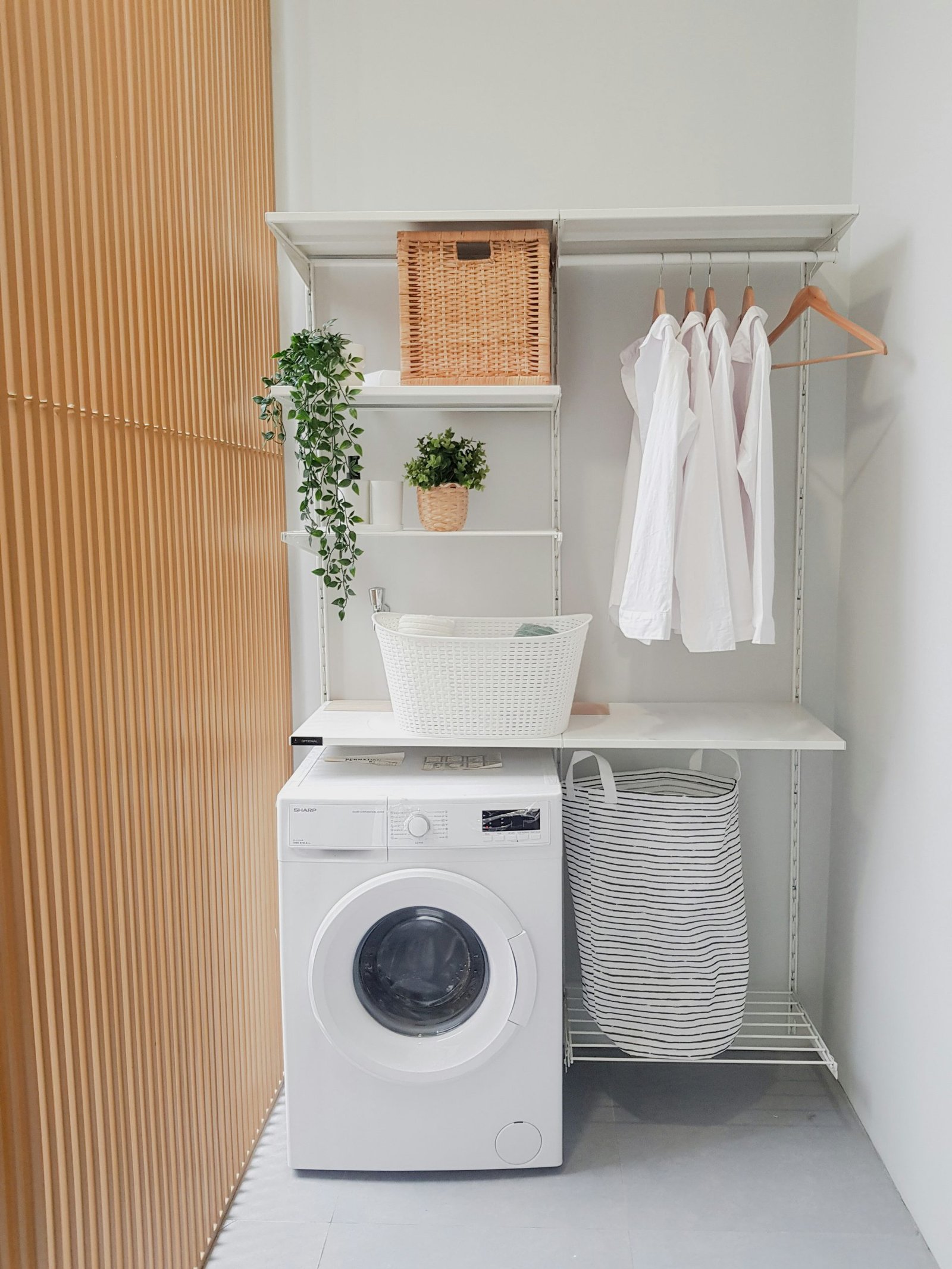
When floor space is tight, vertical storage becomes your best ally. Wall-mounted shelves, pegboards, and cabinetry extending to the ceiling can store detergents, dryer sheets, and cleaning tools without crowding the floor. Use modular units that can be reconfigured as needs change. A pegboard wall with labeled baskets offers easy access to frequently used items, while a slim, tall cabinet can conceal bulk supplies. To keep the area feeling open, select open shelves with baskets or closed cabinetry that matches the wall color.
2) Slim and stackable appliances
In many small laundry rooms, a stacked washer-dryer unit or compact machines that fit the width of the space allow for full use of the remaining footprint. If stacking is not feasible due to service or manufacturer recommendations, consider a compact top-loading washer with a width of 24 inches or less. Pairing a compact machine with a slim utility sink can deliver the same workflow with a reduced footprint. Ensure proper clearance for venting (for dryers) and accessibility for maintenance.
3) Multi-purpose countertops and folding space
A narrow but sturdy countertop above the washer and dryer creates a folding station and a surface for sorting and staging laundry. Materials should be moisture-resistant and easy to wipe clean. If counter space remains limited, consider wall-mounted fold-down tables that can be tucked away after use. For added efficiency, install a pull-out ironing board that tucks into cabinetry or a dedicated wall slot.
4) Hidden hampers and laundry sorting
Integrate hampers into cabinetry to reduce visual clutter. Consider pull-out bins with labeled sections for whites, colors, and delicates. A pull-out hamper beneath a counter provides convenient sorting while minimizing eye-catching clutter. For households with a lot of garments, a dedicated sorting area near the entrance or a magnetic or fabric divider can speed up the process without taking additional floor space.
5) Thoughtful lighting and color palette
Good lighting makes a small space feel larger and more functional. Use layered lighting: ambient fixtures for overall illumination, task lighting above folding surfaces, and accent lighting to highlight architectural details. A light, neutral color palette with a touch of contrast can make the room feel more expansive. Consider moisture-resistant paint or tiles in soft whites, light grays, or airy pastels to keep the room feeling bright.
6) Moisture control and ventilation
Laundry rooms are prone to humidity and condensation. Ensure proper ventilation with an exhaust fan or a vented dryer. Use moisture-resistant materials for walls and cabinetry, and consider a dehumidifier for rooms prone to dampness. Proper ventilation helps prevent mold and protects stored items.
7) Durable, easy-to-clean surfaces
Choose countertops, backsplashes, and cabinetry finished with materials that resist staining and moisture. Quartz or solid-surface countertops offer durability and cleanable surfaces. A wipeable backsplash protects walls from splashes and makes maintenance simple. Use vinyl plank or tile flooring with good water resistance and a non-slip surface for safety.
8) Built-in organization inside cabinetry
Inside cabinets, use adjustable shelves, drawer organizers, and pull-out trays to maximize every inch. Install vertical dividers for sheets and towels, and keep detergents in clearly labeled jars or containers to reduce visual clutter. Soft-close hinges can improve usability and reduce noise during late-night laundry sessions.
9) Laundry sink as a central hub
A utility sink adjacent to the folding area is a practical addition for pre-soaking, hand-washing delicate items, or cleaning tools. If space is limited, a shallow utility sink with a compact footprint can be integrated into a counter design. A wall-mounted faucet minimizes counter intrusion and makes cleaning tasks easier.
10) Space-saving solutions for cords and hoses
Cord management reduces hazards and keeps the space organized. Use solid cable organizers, discreet outlets, and cord covers to hide cords. For hoses, install wall-mounted hooks or retractable hose reels to keep hose lines tidy and accessible without occupying counter space.
11) Accessory storage that disappears
Keep everyday items within reach but out of sight by using behind-door organizers on the laundry room door, magnetic strips for scissors and small tools, and pull-out pantry-style organizers for detergents and fabric softeners. Rolling utility carts can be tucked into narrow gaps when not in use.
12) Integrating a small seating or lounging nook
If space permits, a compact bench with storage can provide a staging and seating area for folding, while also offering a place to sit when treating clothing or shoes before entering the home. Choose a bench with a hinged lid or drawers to maintain storage capabilities without consuming extra space.
13) Energy efficiency and water conservation
Opt for energy-efficient machines with appropriate ratings to lower utility bills. When possible, select washers with high spin speeds and shorter cycle times to reduce water use and energy consumption. Use cold-water washes when appropriate to preserve fabrics and save energy.

*圖片來源:Unsplash*
14) Custom cabinetry and color coordination
Custom cabinetry that fits the exact dimensions of the room minimizes wasted space. Coordinated color and hardware across the cabinetry create a seamless, streamlined look. If full customization is not possible, choose modular units that can be reconfigured later as needs evolve.
15) Access above and around doors
Utilize overhead space by installing cabinets above the doorway or between the ceiling and the top of the door frame. This often-overlooked space can hold seldom-used items or seasonal supplies. If you have a standard door frame, measure carefully to ensure cabinet depth does not impede door operation.
16) Floor plan optimization
A well-thought-out floor plan reduces unnecessary movement. Place the washer and dryer where you can load directly from the folding area, and ensure there is a clear path for transferring clothes to the drying area. Consider a compact L-shaped layout for efficiency in tight rooms.
17) White space and decluttering mindset
In narrow rooms, negative space prevents a crowded feeling. Avoid overcrowding with too many decorative items or nonessential storage containers. Keep surfaces clean and free of random items, which helps create a calm, organized atmosphere.
18) Smart technology integration
Automated or app-controlled washing machines, smart lighting, and energy-saving features can improve daily routines. If wiring permits, integrate smart plugs and sensors to monitor moisture levels, temperature, and humidity for proactive maintenance.
19) Seasonal and flexible storage options
Seasonal clothing and items can occupy significant space. Use vacuum-sealed bags, stackable storage bins, or underutilized vertical space to store seasonal items when not in use. Label bins clearly to simplify retrieval.
20) Durable hardware and finishing touches
Choose hardware and fixtures that withstand humidity and frequent use. Oil-rubbed bronze, brushed nickel, or matte black finishes can coordinate with most designs while maintaining durability. Soft-close drawers and quiet-running machines contribute to a more comfortable work environment.
21) Personalization with fabric and textiles
Add small touches to reflect your style, such as a durable rug underfoot, machine-washable curtains, or a color-coordinated mat near the sink. Textiles chosen for moisture resistance and easy cleaning can soften the look without compromising practicality.
Perspectives and Impact
Small-space laundry rooms reflect a broader design philosophy: maximize efficiency without sacrificing aesthetics. As homes trend toward multifunctional spaces, the laundry room often double-checks as a command center for household management. The ideas presented encourage homeowners to rethink typical layouts and seek flexible, scalable solutions. By prioritizing vertical storage, compact appliances, and integrated surfaces, households can create kitchens and bathrooms that share similar design language with dedicated laundry zones. These approaches reduce the mental load of mundane chores and can improve overall home organization.
Beyond immediate convenience, well-planned small laundry rooms contribute to energy efficiency and water conservation. Selecting energy-efficient appliances, pairing them with appropriate wash cycles, and using moisture-controlled environments all help reduce utility costs and environmental impact. The adoption of modular storage systems also makes it easier to maintain organization over time, particularly as family needs and laundry volumes change.
Future implications include the continued development of space-saving appliances and materials designed to resist moisture and wear. As builders and designers embrace compact layouts, there will likely be more access to in-wall plumbing solutions, integrated electrical sourcing, and smart-home integrations tailored for utility rooms. Homeowners can expect more customizable options for small-scale spaces that balance function, durability, and style.
Key Takeaways
Main Points:
– Prioritize vertical storage and multi-functional fixtures to maximize small spaces.
– Use compact, energy-efficient appliances and versatile countertops for folding and prep.
– Implement hidden or organized storage to reduce visual clutter and maintain flow.
Areas of Concern:
– Ensuring adequate ventilation and moisture control to prevent mold.
– Balancing storage with accessibility; avoid overloading cabinetry.
– Electrical and plumbing safety in compact configurations.
Summary and Recommendations
Transforming a small laundry room into a practical, stylish space is achievable through careful planning and selective investments. Start by measuring the room and identifying workflow zones: sorting, washing, folding, and maintenance. Prioritize vertical storage and vertical planning to free up floor space, then select compact appliances and a durable surface for folding. Integrate hidden storage solutions—bins, hampers, and shelves—to maintain a clean, cohesive look. Address moisture and ventilation early to protect surfaces and stored items. Finally, introduce a cohesive design palette and durable finishes to create a space that feels larger and more organized than its actual dimensions. By approaching the project in stages and focusing on multifunctional features, homeowners can achieve a small laundry room that is not only efficient but also a pleasant area to work in.
References
- Original: https://abeautifulspace.co.uk/21-laundry-room-ideas-for-a-small-space/
- Additional references:
- “Small Laundry Room Ideas: Design and Organization Tips” (insider home design resources)
- “Maximizing Vertical Storage in Small Spaces” (space planning guide)
- “Energy-Efficient Laundry Room Upgrades” (green home improvement guide)

*圖片來源:Unsplash*