TLDR
• Core Points: April invites fresh creativity with nature-inspired prompts, seasonal events, and personal reflection to enrich junk journaling.
• Main Content: A curated list of 30 journaling prompts aligned with April’s themes—flowers, renewal, holidays, and daily moments—to inspire artful journaling.
• Key Insights: Seasonal prompts deepen engagement, encourage experimentation with materials, and foster mindful storytelling in journals.
• Considerations: Balance structure with spontaneity; adapt prompts to available supplies and personal interests.
• Recommended Actions: Gather simple supplies, plan a month of journaling sessions, and customize prompts to suit your journal style.
Content Overview
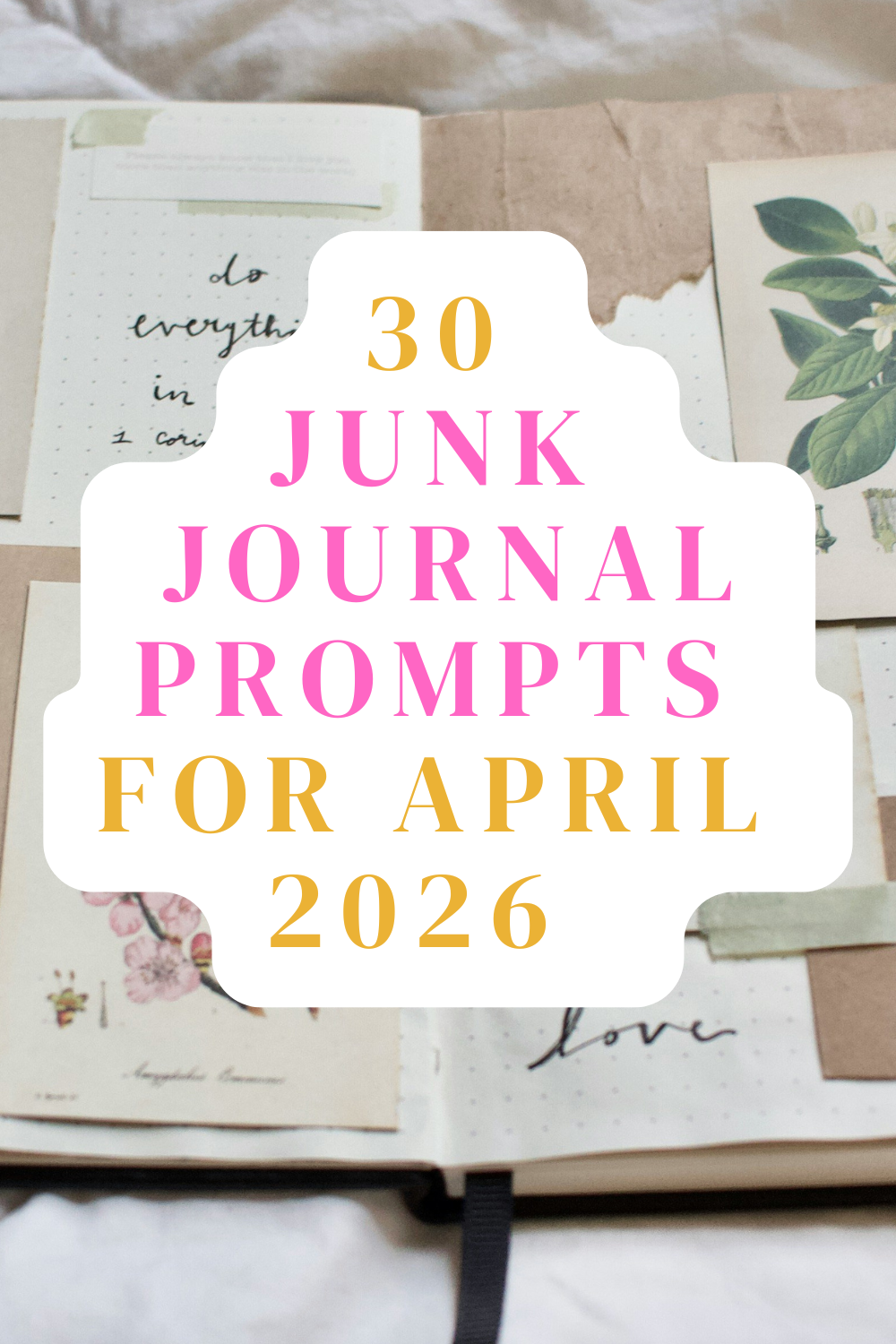
April marks a transitional period from late winter to full spring, carrying a sense of renewal and vibrant color. This makes it an ideal time to refresh one’s creative routine through junk journaling. Junk journaling blends found scraps, ephemera, text, paint, and stitching into a personalized narrative. The month’s prompts are designed to spark experimentation across techniques such as collage, painting, hand lettering, embroidery, and mixed-media layering, while also inviting reflection on personal growth and daily life. By tying prompts to April’s natural imagery—blooms, birdsong, longer days, and Easter celebrations—journalers can cultivate a playful yet focused creative practice. The collection emphasizes accessibility: you don’t need specialized art supplies, and even small, imperfect pages can become meaningful documents of your April experiences.
In-Depth Analysis
This month-long prompt series is structured to guide journalers through a progressive creative journey. The first set of prompts leans into observation—noting the textures of spring, the scent of fresh soil, and the colors appearing in gardens and landscapes. Early prompts encourage collecting bits of nature, such as pressed leaves or dried petals, and incorporating them into journal pages to establish a tactile foundation. As the month unfolds, the prompts broaden to storytelling and memory work. Writers and artists can juxtapose present observations with moments from past Aprils, creating layered narratives that reveal personal growth.
A central concept is resourceful creativity. Junk journaling thrives on repurposing everyday ephemera: a receipt from a spring Purchase, a café coaster stamped with a floral pattern, a map fragment highlighting a favorite walk, or a misprinted label from a thrifted book. Prompts invite experimentation with materials and techniques, including:
- Collage and layering: overlapping textures and papers to build depth.
- Texture exploration: sewing, stenciling, or embossing to add physical interest.
- Color studies: pairing April hues—pinks, yellows, greens, blues—with varying saturation.
- Lettering and writing: incorporating quotes, haikus, or personal reflections in hand-drawn typography.
- Memory journaling: capturing routines, seasonal rituals, and emotional shifts.
By presenting a diverse mix of prompts, the collection supports both beginners, who can focus on simple compositions, and advanced journalers, who may push the boundaries with mixed-media experimentation. The April timeframe also naturally lends itself to a cadence: weekly themes can help establish a sustainable routine, while daily prompts offer bite-sized challenges that keep motivation high.
The article emphasizes accessibility and inclusivity. It is not necessary to have a full art studio; many prompts can be completed with basic supplies such as scissors, glue, a notebook, pens, and a few scraps of paper. The goal is to foster a sense of play, curiosity, and consistent practice rather than perfection. For readers who are new to junk journaling, the prompts provide a guided, low-pressure entry point that can still yield meaningful creative outcomes.
From a broader perspective, April’s prompts align well with current trends in mindful creativity and slow living. Journaling with ephemera can serve as a personal archive of seasonal change, while the act of assembling a page can function as a meditative practice. These prompts also carry potential educational value for families and classrooms, encouraging kids and adults to observe, collect, and interpret the world around them through art and writing.
Future directions for similar content could include accompanying printable prompts, tutorial videos for specific techniques, or community challenges that encourage sharing spreads online. Supporting related resources—such as recommended supplies, recommended books on collage and journaling, or links to tiny tutorials—could enhance user experience and broaden engagement.

*圖片來源:Unsplash*
Perspectives and Impact
The 30 April Junk Journal Prompts offer a framework for sustained creativity through a month of themed activities. The approach recognizes that creative progress often arises from routine and small, repeatable tasks rather than sporadic bursts of inspiration. By tying prompts to April’s seasonal dynamics, journalers can cultivate a more engaged relationship with their environment, noticing details they might otherwise overlook.
From an educational standpoint, these prompts can be adapted for classroom or family use. Teachers and guardians can structure a shared journaling exercise that leverages local environment observations, encouraging students to collect natural items, document their findings, and reflect on changes over time. The prompts also support inclusive access: careful attention to using readily available materials ensures participants with varying resources can participate meaningfully.
In terms of long-term impact, maintaining a April-focused journaling habit can foster resilience and mindfulness. The act of slow, deliberate creation—whether through a single page a day or a few pages per week—can reduce stress, improve concentration, and provide an enduring record of seasonal transformation. The practice also serves as a creative outlet that can strengthen self-expression, which is particularly valuable in times of rapid change or uncertainty.
Looking ahead, expanding the prompt set to incorporate digital journaling options, audio-visual elements, or collaborative projects could broaden appeal. Integrating prompts with community prompts or social sharing guidelines might enhance motivation through accountability and peer feedback while preserving the personal, reflective essence of junk journaling.
Key Takeaways
Main Points:
– April is an optimal time to refresh creativity via nature-inspired junk journaling.
– A diverse set of 30 prompts encourages material experimentation and storytelling.
– The practice emphasizes accessibility, mindful participation, and sustainable routines.
Areas of Concern:
– Some readers may feel limited by minimal supplies; prompts could be expanded with low-cost DIY techniques.
– Others might want more structured guidance or tutorials for complex techniques.
– Potential overwhelm from daily prompts; a flexible approach is advisable.
Summary and Recommendations
The 30 April Junk Journal Prompts provide a thoughtfully designed entry point into seasonal journaling. By combining observation, memory, and mixed-media experimentation, the prompts help journalers cultivate a consistent creative habit aligned with spring’s renewal. The prompts are adaptable to varying skill levels and resources, making them suitable for individuals, families, and classroom settings. For readers seeking to deepen their journaling practice, a recommended approach is to select a manageable subset of prompts per week, mix in simple tutorials, and gradually introduce more complex techniques as confidence grows. Keeping a small materials kit on hand—scissors, glue, pens, a selection of papers, and a few found objects—can facilitate quick, satisfying progress. The overarching aim is to transform April into a month of intentional creativity, personal reflection, and a vivid, enduring record of seasonal change.
References
- Original: Abeautifulspace.co.uk. 30 April Junk Journal Prompts. https://abeautifulspace.co.uk/30-april-junk-journal-prompts/
- Additional references:
- The Art of Junk Journaling: Techniques and Ideas for Mixed Media Collage
- Seasonal journaling practices for mindfulness and creativity
- Basic supplies list for beginners in junk journaling

*圖片來源:Unsplash*