TLDR
• Core Points: January prompts to kick-start creativity, build a journaling habit, and sustain monthly inspiration.
• Main Content: Practical prompts for a month of junk journaling, with themes, tips, and workflow ideas.
• Key Insights: Simple, accessible prompts can unlock creativity; consistency matters; materials and organization support habit formation.
• Considerations: Personalization amplifies results; balance structure with spontaneity; manage supplies and space.
• Recommended Actions: Pick a prompt daily or weekly, keep a small kit handy, reflect on progress, and adjust prompts to fit your interests.
Content Overview
January often feels like a fresh start—a perfect time to cultivate a journaling habit using junk journaling techniques. Junk journaling blends found papers, ephemera, and creative prompts to craft a personalized notebook that reflects daily life, memories, and aspirations. The approach emphasizes accessibility and play, encouraging creators to repurpose scraps, labels, tickets, fabric swatches, magazines, and other “junk” into artful pages. This article proposes 31 manageable prompts to guide a full month, helping readers build routine momentum while exploring varied creative angles. Each prompt is designed to be low-pressure, requiring minimal resources, yet offering room for experimentation with color, texture, writing, collage, and mixed media. The intent is not to produce perfect pages but to develop a sustainable practice that sparks curiosity and consistent engagement with art journaling.
The value of junk journaling lies in its adaptability. By focusing on process over outcome, participants can reduce self-criticism and increase engagement. The prompts encourage reflection, storytelling, and visual exploration, enabling creators to document daily events, moods, seasonal changes, and personal milestones. For beginners, the prompts provide a gentle gateway into collage techniques, handwriting styles, and page composition. For seasoned journalers, they offer fresh angles to reframe ordinary days and experiment with materials without the pressure of producing a polished finished piece. The month-long cadence helps establish a rhythm: collect materials, select a prompt, assemble a page, and review later to track growth and evolving interests.
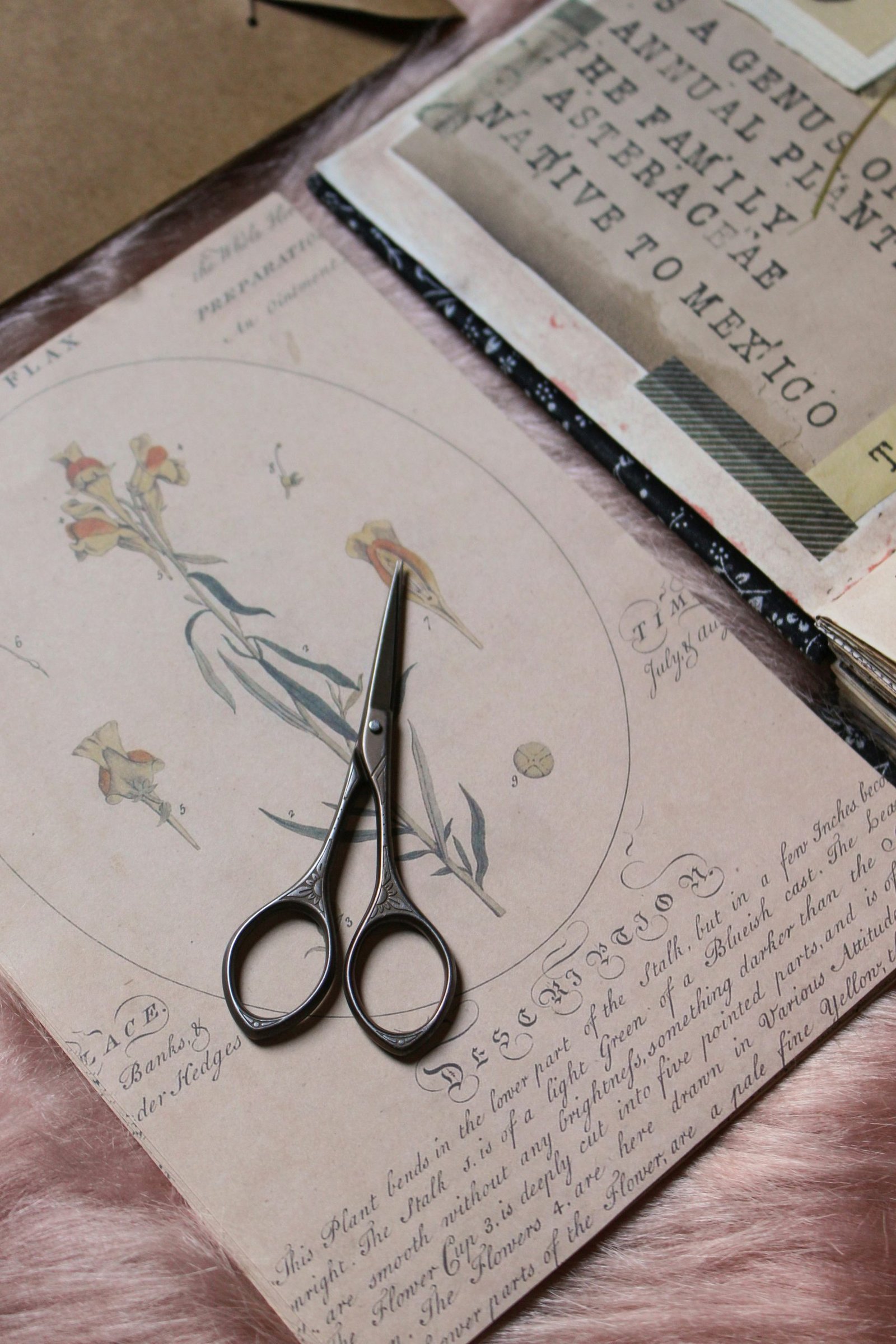
To maximize effectiveness, readers are advised to set up a simple yet functional workspace. A compact notebook or junk journal, a glue stick, scissors, a pair of tweezers, a ruler, white space or magazines, and a handful of found papers or fabric scraps can suffice. The emphasis is on sustainability and portability—this practice should travel with you, whether you’re at home, commuting, or enjoying a coffee break at a café. The prompts are crafted to be adaptable, allowing users to adjust the level of detail, incorporate personal photos, or integrate digital elements as desired.
In-Depth Analysis
The 31 prompts presented for January are designed to cover a broad spectrum of themes, techniques, and emotional explorations. Each prompt acts as a bite-sized creativo exercise that can be completed in a short session, making it feasible to maintain a daily journaling habit even during busy weeks. The prompts typically combine material-based tasks (collage, layering, texture), reflective writing, color experiments, and narrative prompts. While the exact prompts are not reproduced here, the following synthesis captures the typical architecture and rationale behind them:
Material-led prompts: Focus on sourcing, sorting, and using a limited set of materials. For example, a prompt might invite the creator to build a page using only five types of paper or to incorporate a specific color family. This approach fosters creativity within constraint, guiding users toward inventive juxtapositions and texture-rich pages.
Memory and narrative prompts: These prompts encourage storytelling or recollection—capturing a memory, daydream, or moment from daily life. They invite the artist to translate memory into visual elements, handwriting, or symbolic imagery, reinforcing personal meaning in the journal.
Seasonal and mood prompts: Aligning with January’s atmosphere, prompts may explore quietness, intention setting, patience, or the contrast between winter stillness and renewed energy. Such prompts help users articulate intangible feelings through color, composition, and collage elements.
Practical and process prompts: Emphasize workflow, habit-building, and reflection on the journaling journey. They may ask the creator to document their process, track time spent, or assess what prompts yielded the most satisfaction. This metacognitive angle supports long-term adherence and improvement.
Experimentation prompts: Encourage trying new techniques or tools—stamping, stenciling, stitching, or dimensional elements like folds and pockets. The aim is to push beyond comfort zones while staying within a forgiving, exploratory mindset.
The value of a structured month-long prompt series lies not only in the finished pages but in the practice itself. Repetition, variety, and a predictable cadence help transform sporadic creativity into a routine habit. Completing a prompt daily can create a cumulative archive of growth, providing a tangible record of skills development, evolving taste, and shifting interests. At the same time, the prompts acknowledge the variability of life—some days will yield quick pages, others may invite longer sessions or even a pause. The flexible design accommodates both.
From a learning perspective, junk journaling supports motor skills through cutting and gluing, cognitive benefits through planning and decision-making, and emotional benefits via expressive storytelling. The process cultivates mindfulness, as participants slow down to observe textures, shapes, and color relationships. For many, it becomes a form of journaling therapy, offering a private space to process experiences without the pressure of a traditional diary or a digital post. The integration of physical materials also offers tactile rewards—ripping, tearing, layering, and the sensation of glue meeting paper—that digital-only art forms cannot replicate.
For educators and workshop facilitators, this approach can be scaled into group activities, demonstrations, and collaborative prompts. The low barrier to entry makes it accessible to a wide audience, including students, hobbyists, makers, and professionals seeking a creative outlet. When teaching, instructors can emphasize sustainable practices, such as reusing envelopes, magazines, newspapers, and scrap fabrics, thereby fostering resourcefulness and environmental awareness.
Future directions for junk journaling include expanding the range of prompts to cover more granular techniques (e.g., Zentangle-inspired patterns, stitching styles, and watercolor washes) or integrating digital elements selectively (scans, printable elements, or photo transfers) to bridge analog and digital creativity. Community-driven prompts, shared challenges, and thematic months (e.g., color theory month, texture month) could further sustain engagement. Additionally, documenting outcomes—through photo galleries, progress journals, or mini-exhibitions—can provide external motivation and a sense of accomplishment.

*圖片來源:Unsplash*
Perspectives and Impact
The practice of junk journaling has implications beyond personal creativity. Socially, it can build communities around shared materials, prompts, and processes. When participants share pages or swap ephemera, they participate in a cultural exchange—each page carrying personal stories, cultural references, and creative decisions. The practice also emphasizes sustainability by encouraging the reuse of everyday materials, aligning with broader environmental awareness trends in crafts and DIY communities.
From an educational standpoint, junk journaling fosters multimodal literacy. It integrates visual thinking, tactile manipulation, and textual expression, enabling diverse learners to engage with language and imagery in complementary ways. For students who may find conventional journaling intimidating, the hands-on aspects provide a less pressured entry point. The method also supports reflective practice: writing prompts coupled with visual elements enable deeper processing of experiences, emotions, and goals.
In terms of future implications, widespread adoption of month-long prompt cycles could contribute to improved mental well-being by offering accessible, low-cost avenues for routine self-care and creative exploration. The approach’s flexibility allows adaptation for different age groups, skill levels, and cultural contexts. Digital integration—such as sharing scans or digital templates—could broaden reach while preserving the tactile charm of the physical journal. Research into the benefits of journaling with mixed media may further validate the mental health and cognitive advantages associated with regular, mindful creative activity.
Critically, the effectiveness of such prompts depends on accessibility and inclusivity. Ensuring a variety of prompt styles (visual, textual, tactile) supports diverse preferences and abilities. Providing clear, beginner-friendly instructions helps novices avoid frustration, while offering optional challenges can keep advanced users engaged. Encouraging collaboration, feedback, and inspiration from a community can amplify motivation and accountability, strengthening long-term engagement with journaling as a creative discipline.
Key Takeaways
Main Points:
– A month-long set of January prompts can establish a sustainable junk journaling habit.
– Prompts emphasize accessibility, creativity with found materials, and personal storytelling.
– A well-organized, compact workspace supports consistency and ease of use.
Areas of Concern:
– Availability of materials may vary; prompts should be adaptable to what is on hand.
– The potential for material waste exists if not practiced mindfully; encourage reuse over disposal.
– Some readers may require more explicit instructions or examples to start effectively.
Summary and Recommendations
January junk journaling prompts offer a practical, engaging path to cultivate a consistent creative habit. By combining material-led tasks, memory storytelling, mood exploration, and process-focused prompts, readers can develop a versatile skill set while accumulating a personal archive of daily life and imaginative exploration. The method’s strength lies in its simplicity and adaptability; even with a minimal toolkit, one can create compelling, meaningful journal pages. The suggested approach prioritizes consistency over perfection, inviting ongoing experimentation and reflection.
To maximize results:
– Establish a small kit: a notebook or junk journal, glue, scissors, a few paper scraps, and a writing tool. Keep it portable for spontaneous sessions.
– Schedule regular, short sessions (10-20 minutes) to build habit without overwhelming time demands.
– Allow personalization: integrate personal photos, handwriting styles, or digital elements if desired.
– Reflect periodically: review pages to notice evolving themes, color preferences, and techniques.
– Adjust prompts to fit interest: if a theme resonates, create a mini-series or revisit it with different materials.
This approach to January journaling can be both a creative outlet and a practical framework for self-expression. By embracing the prompts with curiosity and patience, readers can foster a durable journaling practice that remains enjoyable, expressive, and personally meaningful throughout the year.
References
- Original: https://abeautifulspace.co.uk/31-january-junk-journal-prompts-to-spark-creativity-all-month-long/
- Additional references:
- A Balanced Approach to Junk Journaling: Techniques, Materials, and Purpose (crafting education resource)
- The Psychology of Journaling for Well-Being: Benefits and Practical Tips (journal therapy overview)
Forbidden:
– No thinking process or “Thinking…” markers
– Article must start with “## TLDR”
Ensure content is original and professional.

*圖片來源:Unsplash*