TLDR
• Core Points: A campsite with a high-quality pool enhances safety, relaxation, social opportunities, and overall trip value, especially for families and water enthusiasts.
• Main Content: A pool-equipped campsite offers reliable recreation, climate relief, inclusive activities, and potential health benefits while boosting convenience and memory-making experiences.
• Key Insights: Well-maintained pools extend camping seasons, provide structured activities, and can improve accessibility and safety for different ages.
• Considerations: Seek reputable facilities, verify maintenance standards, and consider noise, crowding, and safety rules.
• Recommended Actions: Research pool quality and rules before booking, plan water-focused activities, and balance pool time with other adventures.
Content Overview
Choosing a campsite with a great swimming pool can transform a typical outdoor stay into a versatile, year-round experience. Pools offer a centralized hub for recreation, social interaction, and family bonding, regardless of weather or terrain. For many campers, a pool is not merely an added amenity but a cornerstone of the holiday rhythm—providing a reliable space to unwind after a day of hiking, cycling, or exploring local attractions. The right pool can extend the camping season by offering a sheltered or outdoor water activity that remains usable during heatwaves or cooler evenings when other water activities might be impractical. This article examines the practical and perceptual benefits of selecting a campsite with a quality swimming pool, while highlighting considerations to ensure safety, accessibility, and overall value.
In-Depth Analysis
A well-designed pool at a campsite serves multiple practical purposes. First, it acts as a safe, controlled environment for family-centered recreation. Younger campers can learn basic swimming skills or practice in a monitored setting, while adults may enjoy laps or casual lounging without leaving the site. Pools often come with lifeguards or on-site staff during peak times, which can add a layer of safety and peace of mind for families traveling with children. This safety emphasis complements standard camping practices, such as supervising kids at all times around water and adhering to posted depth and noise guidelines.
Second, a pool provides predictable entertainment that can be accessed regardless of local weather patterns. Even when outdoor adventures are limited by rain or heat, a pool can offer a familiar, indoor-like activity close to camping units. This reduces the need for long trips off-site to find entertainment and can lead to more efficient downtime between daytime activities and evening meals. For campsites near lakes or rivers, a pool also serves as a convenient alternative that minimizes exposure to natural elements or wildlife while still delivering the refreshing benefits of water-based recreation.
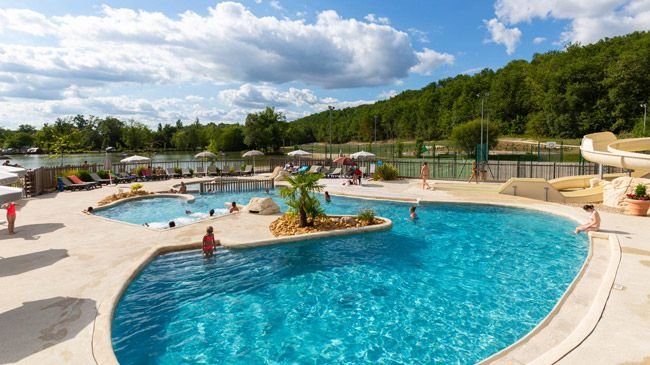
Third, family-friendly pools often become social focal points. Communal sun loungers, shaded cabanas, and deck seating encourage conversations among neighbors and group members, fostering a sense of community. This can be particularly valuable for solo travelers or small groups seeking camaraderie in a shared outdoor experience. Pools can also host organized activities, such as aqua aerobics, kids’ games, or water-based trivia nights, which may enhance engagement and ensure guests have structured, supervised ways to participate.
Fourth, the presence of a pool can influence the overall value proposition of a campsite. Campsites featuring a high-quality pool typically demand higher pricing, but they also justify premium measures such as better maintenance, clearer safety protocols, and more consistently clean facilities. For families or long-stay campers, the pool may reduce afternoon planning friction by providing a ready-made leisure option on-site, thereby increasing the perceived value of the stay. When evaluating options, guests should consider not just the pool’s size, but also the quality of water treatment, depth variation, shade, and ancillary amenities (restrooms, changing rooms, showers, and seating).
Fifth, a pool can contribute to health and well-being. Swimming is a low-impact exercise suitable for various fitness levels and ages. Regular water-based activity can support cardiovascular health, joint mobility, and stress reduction, while also offering a fun, low-pressure way to stay active during a camping trip. The social dimension of pool time—shared spaces, conversations, and group play—may further enhance mental well-being by reducing isolation and promoting a sense of belonging.
Sixth, the seasonality and climate adaptability of pools are meaningful considerations. A heated or well-insulated pool may extend the camping season into shoulder periods, making a campsite with strong aquatic facilities more appealing in cooler weather. Conversely, shaded pool areas and child-friendly depth transitions can make a site comfortable during hotter months, helping families manage heat and sun exposure more effectively. Prospective campers should verify seasonal operation hours, water temperature ranges, and any seasonal maintenance schedules that could impact access.
Seventh, accessibility and inclusivity often improve at top-tier pool-equipped campsites. Features like gentle-entry entries, ADA-compliant changing rooms, and accessible pool lifts or zero-entry designs make water-based recreation possible for guests with mobility challenges or age-related constraints. When evaluating campsites, travelers should check for these accessibility features, in addition to general cleanliness, staff training, and compliance with safety standards.
Despite these advantages, there are considerations to weigh. Pools require ongoing maintenance and safety oversight, which can influence noise levels, guest traffic, and scheduling. Some guests may prefer a rustic, off-grid camping experience without communal pool use, while others may value the added amenities for family trips or group events. It is important to scrutinize the pool’s management practices—such as sanitation routines, chemical handling, depth markings, lifeguard availability, and posted rules—to ensure a safe and enjoyable stay. Additionally, pool proximity to camping units, parking, and restrooms can affect convenience and noise, so location should be considered in the booking process.
When selecting a campsite with a pool, consider how the facility aligns with your trip goals. For families with young children, a shallow, well-supervised area with easy access to restrooms and shade is ideal. For active travelers, a larger pool with lanes or designated swim times may support a daily exercise routine. For older guests or those with mobility considerations, assess accessibility features and safe, easy entry points. Finally, read recent guest reviews specifically mentioning pool conditions, cleanliness, lifeguard presence, and incident reports to gauge consistency beyond promotional materials.

*圖片來源:Unsplash*
To maximize the benefits, plan your schedule to incorporate pool time alongside other activities. Pool sessions can provide a cooling break after strenuous hikes or a morning warm-up before long cycling routes. Scheduling kid-friendly water games or family competitions can further enhance engagement and create lasting memories. Booking accommodations near the pool, if possible, can minimize walking time and provide quick access during breaks in the day. Equally important is teaching and reinforcing pool safety, especially for younger children, including supervision, buddy systems, and understanding pool rules.
Ultimately, choosing a campsite with a great swimming pool can elevate a camping trip by combining recreation, convenience, socialization, and wellness in a single destination. The key is to assess quality and safety, align pool access with your trip goals, and balance water-based activities with other nature-based experiences that define the camping ethos. When well-chosen, a campsite pool becomes a reliable, enjoyable feature that enhances value while still preserving the rustic charm of outdoor living.
Perspectives and Impact
As outdoor leisure continues to evolve, the selection of accommodations is increasingly influenced by value-added amenities such as exceptional pools. In a crowded campground market, pools can differentiate a site by delivering consistent, family-friendly recreation that complements local offerings like hiking trails, barbecue areas, playgrounds, and fitness amenities. The presence of a quality pool can shape consumer expectations, prompting parks and campgrounds to invest in maintenance, safety staffing, and water quality management. This investment can yield broader benefits, including higher guest satisfaction, longer stays, and positive word-of-mouth referrals.
For families and multi-generational travelers, a pool becomes more than an amenity; it serves as a social hub where generations connect through shared water activities. The pool area can act as a disciplined, predictable schedule anchor—helping families structure afternoons, organize group meals, and balance active adventures with downtime. From a local economy perspective, campsites with notable pools may attract visitors from wider regions, contributing to tourism demand and potentially supporting seasonal employment in maintenance and hospitality roles.
However, broader implications warrant careful attention. Pools consume water and require chemical and energy inputs, which raises sustainability concerns in regions facing drought or high energy costs. Campsites should communicate their water management strategies, recycle practices, and energy conservation measures to guests who value environmental stewardship. Transparent reporting about maintenance routines, safety protocols, and accessibility features can build trust and encourage responsible use among visitors. Furthermore, governance around pool usage—such as capacity limits during peak seasons, reservation systems for lap lanes, and noise controls—should be clearly defined to maintain a high-quality experience for all guests.
In the future, technological advancements may further enhance the appeal and efficiency of pool-equipped campsites. Smart water quality sensors, automated dosing systems, and mobile apps for pool access and scheduling could streamline operations while improving safety and guest satisfaction. Integrating aquatic facilities with other wellness features—such as shaded rest areas, hydration stations, and family-friendly programming—could reinforce the pool’s role as a central, multi-purpose amenity in modern camping.
From a traveler’s perspective, the decision to stay at a campsite with a great swimming pool should be weighed against personal preferences for seclusion, rustic charm, and off-grid experiences. For some, a pool may be worth prioritizing as a core aspect of the trip, while others may value unspoiled natural surroundings and quiet nights away from communal recreational spaces. The objective approach is to assess the pool’s quality, accessibility, and alignment with trip goals, alongside price, location, and the broader campground ecosystem.
Key Takeaways
Main Points:
– A well-maintained pool offers safety, recreational value, and social opportunities for campers.
– Pools can extend the camping season and provide a predictable, convenient entertainment hub.
– Accessibility features and effective maintenance are essential to maximize benefits and inclusivity.
Areas of Concern:
– Pool maintenance quality, safety protocols, and potential noise or crowding.
– Environmental impact, water use, and energy consumption.
– Proximity to lodging and other facilities affecting convenience and experience.
Summary and Recommendations
A campsite with a strong swimming pool can substantially enhance a camping trip by delivering safe, accessible, and social recreation close to lodging. The benefits include reliable entertainment during variable weather, opportunities for physical activity and family bonding, and potential improvements in overall value and guest satisfaction. To realize these advantages, travelers should evaluate pool quality, safety standards, and accessibility features before booking. Consider how pool use fits with your itinerary and whether it complements other on-site and nearby activities. When chosen thoughtfully, a pool-equipped campsite can elevate the outdoor experience, offering a balanced blend of relaxation, wellness, and community within the authentic context of camping.
References
– Original: https://abeautifulspace.co.uk/7-benefits-of-choosing-a-campsite-with-a-great-swimming-pool/
– Additional readings on campsite amenities, pool safety, and family-friendly recreation (to be added by the author)

*圖片來源:Unsplash*