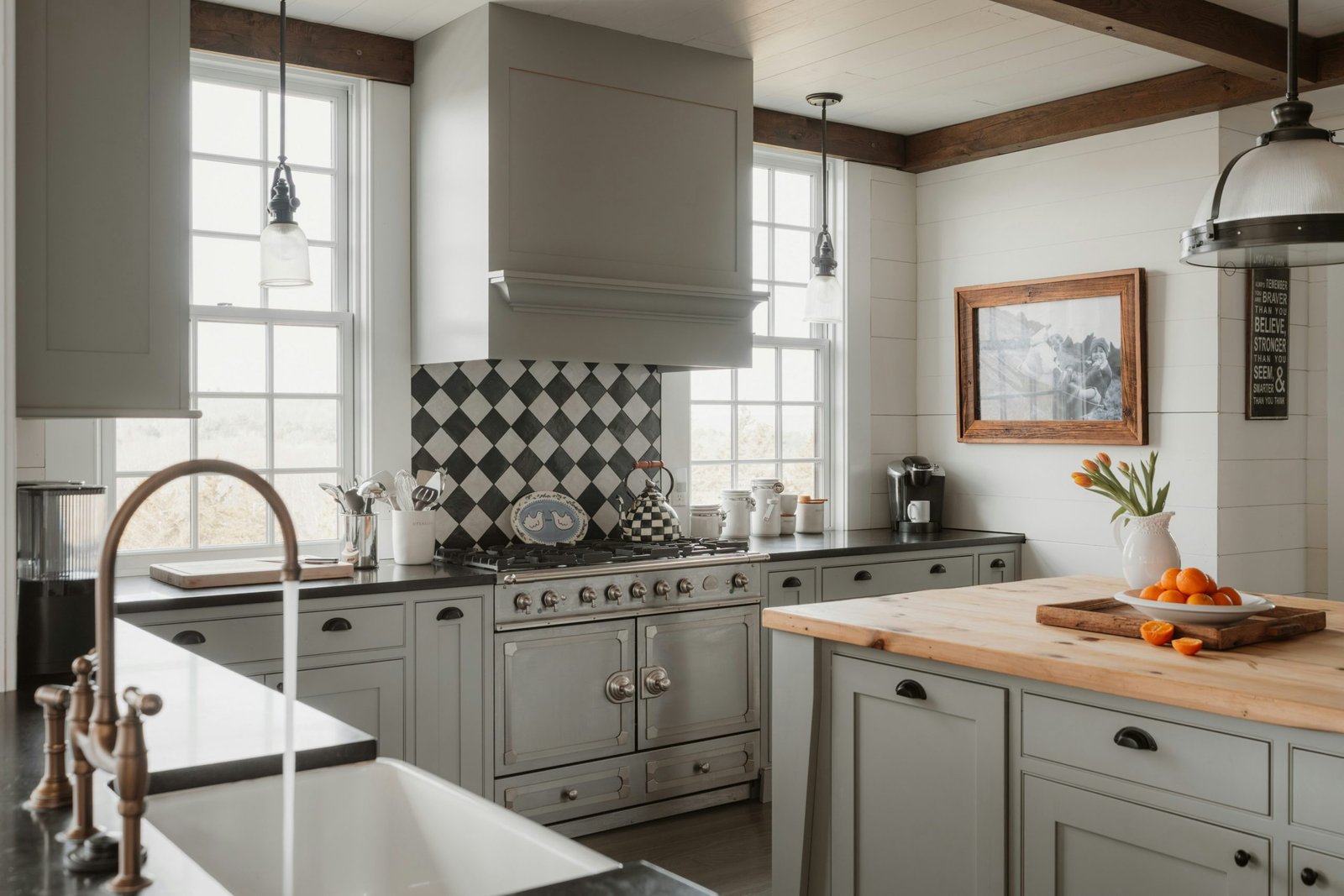
TLDR
• Core Points: In 2026, kitchens blend function with expressive wall art, focusing on color, texture, and personal storytelling through decor.
• Main Content: The most talked-about trends include curated gallery walls, nature-inspired motifs, warm earthy tones, statement typography, mixed media pieces, and DIY-friendly display methods.
• Key Insights: Art in the kitchen evolves from purely decorative to functional storytelling that enhances mood, productivity, and hospitality.
• Considerations: Balance bold art with practical needs, consider space, light, and maintenance, and curate pieces to avoid visual clutter.
• Recommended Actions: Audit current walls, define a cohesive theme, source varied textures, and plan a display that grows with your kitchen.
Content Overview
Kitchens are no longer spaces that merely support cooking; they have become design-forward hubs where wall art plays a crucial role in defining mood, style, and personality. In 2026, designers are focusing on wall art that is both visually engaging and practical for a busy kitchen environment. This trend roundup highlights how homeowners and professionals can curate wall displays that reflect individual taste while maintaining functionality and staying on-trend.
The era of the generic, generic-ready kitchen art is giving way to more intentional, curated approaches. Gallery walls, nature-inspired imagery, and warm, inviting color palettes dominate as homeowners seek to create spaces that feel welcoming to family and guests alike. Typography pieces with upbeat, inspirational messages or crisp, modern statements are also growing in popularity, offering a contemporary edge without overwhelming the room. In addition, designers are embracing mixed-media works that combine prints, textiles, and natural materials to add texture and depth.
This article synthesizes expert insights from designers who discuss why these trends matter, how to balance aesthetics with performance in a kitchen setting, and practical tips for selecting and arranging wall art that enhances functionality and comfort. Whether you are renovating, redecorating, or simply refreshing a single wall, the trends for 2026 provide a roadmap for creating a stylish, livable kitchen.
In-Depth Analysis
The rise of curated gallery walls in kitchens mirrors a broader move toward personalized interiors. A gallery wall allows homeowners to tell a story through a mix of art prints, photographs, and small decorative objects. In kitchens, where space can be at a premium, designers recommend starting with a focal piece—such as a large print or framed artwork—and building around it with a cohesive set of smaller pieces. This approach helps maintain visual harmony while enabling maximal expression.
Nature-inspired motifs are another dominant trend. Artists and designers are turning to botanical prints, coastal scenes, woodland imagery, and abstract representations of natural elements. These pieces bring a sense of calm and vitality to the kitchen, echoing the natural textures found in cabinetry, stone countertops, and wooden accents. Color-wise, nature-inspired art often employs greens, blues, and earthy tones that complement warm cabinet finishes and natural materials.
Color plays a pivotal role in 2026 wall art. Expect a move away from sterile neutrals toward warm, inviting palettes. Terracotta, ochre, sage green, and muted blues are popular choices that pair well with wood tones and metal hardware. Bold color blocks can serve as focal points on an otherwise neutral backdrop, while softer hues create a tranquil, cohesive environment. For those who prefer subtlety, muted tones and tonal art can still offer depth without overpowering a kitchen’s practicality.
Typography has remained a strong contender for kitchen wall art. Clean, modern type with concise phrases can inject personality without creating visual noise. Designers emphasize choosing typography with legible fonts and appropriate scale so messages are easily read from typical viewing distances in a kitchen. Inspirational quotes, calendar-style layouts, or witty kitchen-related phrases can add character while staying functional and easy to update as trends evolve.
Mixed media continues to gain traction as a way to introduce texture and tactility. Art that combines prints with fabric, wood, metal, or glass can reflect the tactile nature of a kitchen environment—think textiles, woven mats, or embossed surfaces paired with traditional prints. This approach helps to soften the often-sterile feel of a modern kitchen and introduces warmth and nuance to the space.
DIY-friendly display strategies are increasingly popular, enabling homeowners to refresh wall art with minimal cost and effort. Temporarily installed pieces, removable wallpaper, or magnetic frames offer flexibility for frequent updates. In smaller kitchens or rental spaces, these options make it possible to experiment with trend-forward displays without committing to permanent changes.
Beyond aesthetics, practical considerations guide choosing and placing art in the kitchen. Art should be durable and easy to clean, with materials that can withstand heat, humidity, and splash zones. Framing choices should protect against moisture, while positioning should avoid glare from overhead lighting or sunlight. The size and scale of each piece must coordinate with wall dimensions and the available viewing distance from the dining area or cooking zone.

*圖片來源:Unsplash*
The overall approach to kitchen wall art in 2026 is about building a coherent narrative rather than scattering disparate pieces. Homeowners are encouraged to define a guiding theme—whether it’s a nature-inspired calm, a modern urban vibe, or a warm, artisanal atmosphere—and curate pieces that reinforce that theme. When done thoughtfully, wall art becomes a backbone of the kitchen’s identity, enhancing both daily use and social experiences.
Perspectives and Impact
The current trajectory of kitchen wall art signals a broader shift in interior design toward spaces that reflect personal identities without compromising practicality. In this context, art functions as more than decoration; it is an instrument for mood-setting, inspiration, and social interaction. A kitchen that features curated art can positively influence the atmosphere during meals, gatherings, and everyday routines by creating a welcoming focal point and a sense of place.
As homes become more open-plan and multifunctional, kitchen walls are increasingly treated as intentional design canvases. The integration of art with adjacent dining or living areas fosters a seamless flow between spaces, reinforcing a unified home aesthetic. The rise of mixed-media and DIY-friendly approaches also democratizes interior design, empowering homeowners to experiment with professional-looking displays without heavy financial or time commitments.
Future implications include greater emphasis on art that adapts to seasonal changes and life events. Some households may rotate prints by season, swap out canvases to reflect holidays, or update typography to align with evolving family milestones. Technology may play a role as well, with digital displays offering dynamic art options or easily curated collections that update with a tap.
From a sustainability perspective, designers are exploring art sources that use responsibly produced materials, archival-quality frames, and long-lasting media. Choosing durable pieces reduces waste and extends the life of wall art investments. In rental homes, removable and reusable arrangements will be particularly valuable, enabling residents to personalize spaces while preserving property requirements.
As cultural trends influence art styles, kitchen walls will continue to tell diverse stories. Designers anticipate more pieces that celebrate local artists, regional landscapes, and global perspectives, allowing households to reflect their values and heritage through wall displays. The evolving role of kitchen wall art mirrors a broader move toward more expressive, personalized, and resilient interior environments.
Key Takeaways
Main Points:
– Gallery walls in kitchens enable personal storytelling and design cohesion.
– Nature-inspired imagery and warm color palettes dominate the trend landscape.
– Typography and mixed-media artworks offer modern, textural appeal.
– DIY-friendly and removable display options support frequent updates and flexibility.
Areas of Concern:
– Balancing bold art with kitchen practicality to avoid clutter.
– Ensuring art materials withstand humidity, heat, and cleaning.
– Managing cleaning and maintenance for textured or mixed-media pieces.
Summary and Recommendations
For readers seeking to align their kitchens with 2026 trends, start by defining a unifying theme that matches your home’s overall decor and the kitchen’s function. Consider a focal piece that anchors the wall and build a curated gallery around it with smaller companion works reflecting the same color family or motif. Incorporate nature-inspired art to bring serenity and connect with natural materials found in the kitchen, such as wood and stone. Introduce warmth with color-balanced pieces in terracotta, sage, or muted blues, ensuring that wall art complements cabinet finishes and hardware.
Incorporate typography sparingly, choosing legible fonts and scalable sizes so that messages remain readable from key viewing points. Explore mixed-media options to add tactile depth, but prioritize durability and ease of cleaning in a kitchen setting. Finally, leverage DIY and removable display strategies to experiment with configurations and refresh the space seasonally or as trends evolve. By following these steps, homeowners can craft kitchen walls that are stylish, functional, and welcoming, while staying aligned with the design conversations shaping 2026.
References
- Original: https://abeautifulspace.co.uk/7-kitchen-wall-art-trends-for-2026-beautiful-ideas/
- Additional references:
- https://www.houseandhome.com
- https://www.architecturaldigest.com
- https://www.elledecor.com

*圖片來源:Unsplash*