TLDR
• Core Points: Kitchen wall art in 2026 blends personal storytelling with bold, nature-inspired, and sustainable aesthetics to refresh culinary spaces.
• Main Content: Expect curated prints, mixed-media canvases, and sculptural pieces that balance texture, color, and function in modern kitchens.
• Key Insights: Trend shifts emphasize warmth, accessibility, and mindful sourcing, with a move toward versatile pieces that adapt across styles.
• Considerations: Budget, maintenance, and a unified design vision are key when selecting wall art for practical kitchen environments.
• Recommended Actions: Inventory current walls, identify a focal area, choose a mix of prints and three-dimensional elements, and source from sustainable or local creators where possible.
Content Overview
Kitchens have evolved beyond purely functional spaces; they are now expressive rooms that reflect personality and lifestyle. In 2026, designers anticipate a wave of kitchen wall art that both enhances aesthetics and complements the cooking workflow. The trend landscape includes a blend of inspired prints, textured surfaces, and three-dimensional installations that can withstand the humid kitchen environment while adding warmth and character. Rather than decoration for its own sake, modern kitchen wall art is about storytelling, mood-setting, and elevating everyday tasks into moments of visual pleasure. This article synthesizes key trends anticipated for 2026, offering practical guidance on how to select, place, and maintain wall art that aligns with functional kitchen design.
In-Depth Analysis
As kitchens become more open-concept and central to daily life, wall art plays a crucial role in shaping atmosphere. The 2026 trends foreground pieces that fuse artistry with practicality, ensuring selections complement lighting, cabinetry, and hardware without overwhelming the space.
1) Personal Narrative and Photo-Based Statements
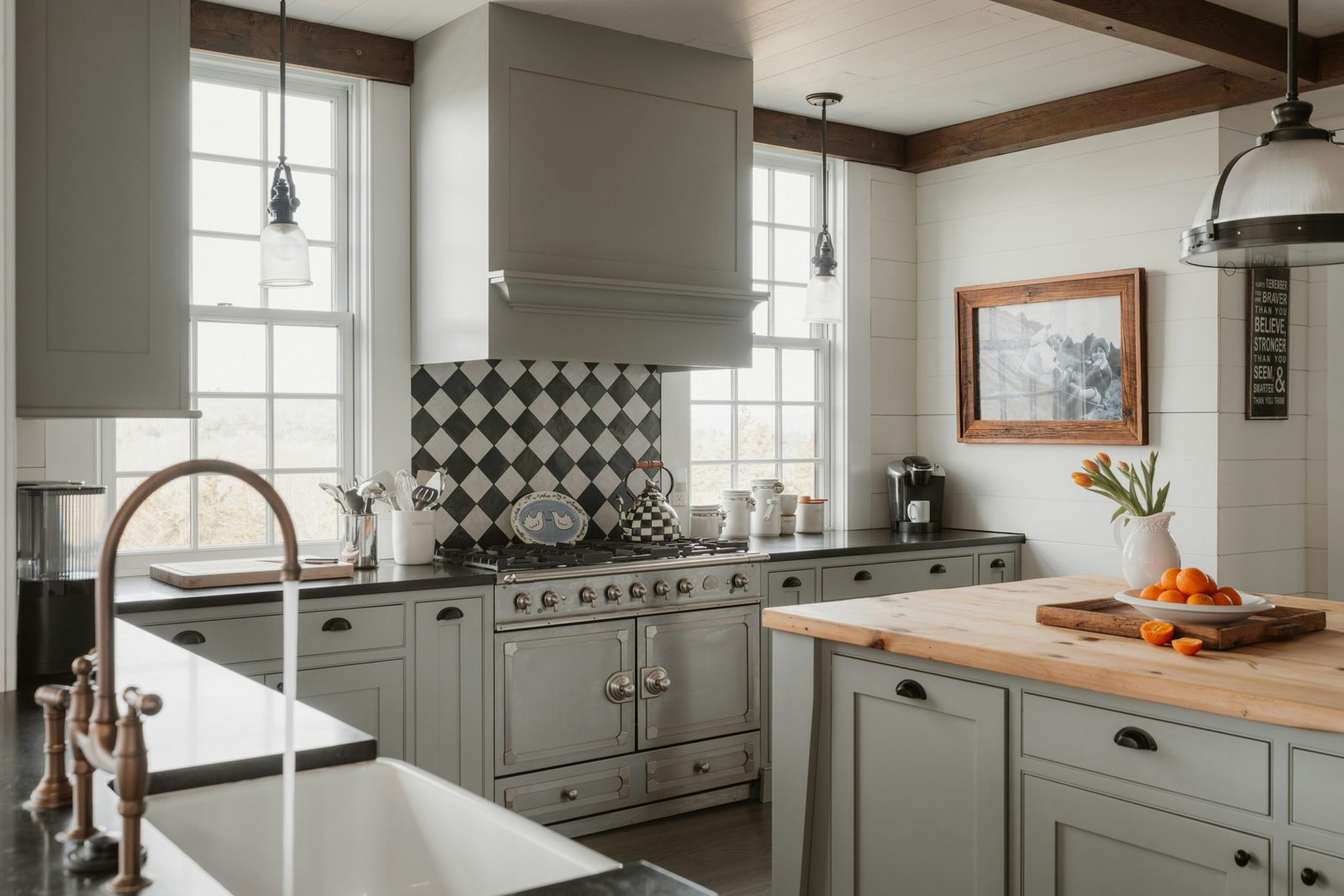
A growing trend involves wall art that captures personal stories or memories. Framed travel photos, family recipes, or commissioned portraits bring warmth and a human touch to the kitchen. To maintain cohesion, designers recommend selecting a consistent framing style, a unified color palette, or a curated set of images that tell a cohesive story rather than a random collection.
2) Nature-Inspired Motifs and Calming Palettes
Nature-inspired artwork—such as botanical prints, landscape photography, and abstract representations of natural forms—continues to resonate. Soft greens, terracotta tones, and muted blues help create a calming backdrop that complements natural materials like wood, stone, and ceramic. This trend also aligns with biophilic design principles, promoting well-being through connections to the outdoors.
3) Textured and Tactile Surfaces
Textures bring depth to walls in ways that paint alone cannot. Consider textile wall hangings, woven fibers, or canvas pieces with visible brushwork and layering. In kitchens, choose fabrics and fibers that are easy to clean or that are placed away from heat and splashes. Textured art adds dimension and a tactile focal point without dominating the room.
4) Mixed Media and Sculptural Elements
Three-dimensional art—such as wall-mounted ceramics, metal wall sculptures, or lightweight resin pieces—offers sculptural interest while remaining practical for everyday use. Mixed-media works can incorporate metallic accents or matte finishes to pick up kitchen lighting and hardware details, creating an integrated look across the space.
5) Color-Blocking and Bold Accents
For designers who want a statement, color-blocked artwork with bold, saturated hues can act as a counterpoint to neutral cabinetry. When used judiciously, a single bold piece or a carefully curated diptych can anchor the wall and guide the eye through the room. Balance is essential to avoid overwhelming smaller kitchens.
6) Typography and Functional Art
Typography—from simple worded quotes to recipe-themed canvases—adds a playful or inspirational note to the kitchen. In addition to aesthetics, typographic pieces can serve as design anchors that tie together textiles, dishware, and other decor elements. Ensure the typeface remains legible from common viewing points and distances.
7) Sustainable and Locally Sourced Works
Sustainability remains a central concern for many homeowners. Art sourced from local artists, or created using eco-friendly materials and processes, aligns with broader values around responsible consumption. Limited-edition prints, handmade ceramics, and upcycled materials provide unique character while supporting artists and reducing environmental impact.
Practical considerations for selecting kitchen wall art
– Humidity and splash zones: Choose materials and finishes that resist humidity and are easy to wipe clean where necessary. Avoid delicate fabrics or fragile pieces in high-traffic, splash-prone areas.
– Size and proportions: Measure wall space carefully and plan art dimensions that suit the wall, leaving room for surrounding cabinetry and fixtures. Consider a gallery wall with varying frame sizes for visual interest.
– Framing and protection: Use frames with sealed optical glass or UV-protective glass to preserve color and reduce glare from kitchen lighting.
– Lighting: Optimize wall art with ambient and task lighting. Picture lights, track lighting, or LED backlighting can enhance color and texture while adding depth.
– Cohesion with kitchen style: Ensure the art aligns with the overall design language—modern, rustic, industrial, or coastal—so it flows with counters, backsplashes, and hardware.
– Maintenance: Select art materials that are durable and easy to clean. For textiles, ensure easy removal and washing options or safe spot-cleaning methods.
– Budget and value: High-impact pieces can range from accessible prints to investment works. Consider rotating selections seasonally to refresh the space without a full redesign.

*圖片來源:Unsplash*
Case study concepts for 2026 installations
– Gallery-style grouping: A curated set of three to five prints in varying sizes arranged in a grid or salon-style layout can create a focal wall without overshadowing the workspace.
– Statement sculpture: A single sculptural piece with a bold silhouette—such as a ceramic wall planter or metal sunburst—can serve as a striking centerpiece above the dining or prep area.
– Floating shelf vignette: Combine small framed artworks with functional items like decorative jars and plants on a shallow shelf to blend art and utility in one horizontal display.
– Thematic monochrome series: A sequence of grayscale or monochrome pieces can give a sophisticated, cohesive aesthetic that works well with stainless steel appliances and white or gray cabinetry.
Emerging materials and production methods for 2026
– Sustainable prints: Recycled or responsibly sourced paper and archival inks reduce environmental impact while maintaining color fidelity.
– Handcrafted textures: Artists experimenting with hand-applied textures, painted surfaces, or ceramic elements add tactile dimension to the wall.
– Lightweight materials: Aluminum, composite panels, and thin veneers offer a lighter alternative to traditional canvas, easing installation on composite walls or rental properties.
– Custom commissions: Commissioned works tailored to a kitchen’s color palette and dimensions provide a unique, site-specific solution that can be adjusted for future renovations.
Tips for integrating wall art into existing kitchen layouts
– Start with a focal point: Choose one wall or space as the anchor for art, then build out with complementary pieces and accessories.
– Harmonize with hardware: Select pieces that echo or contrast with faucet finishes, cabinet handles, and lighting fixtures to create a unified look.
– Plan for seasonal updates: Use removable frames or lightweight canvases to rotate artwork with seasons or cooking themes without major investments.
– Pair art with plants: Small potted plants or hanging greenery near framed pieces can reinforce biophilic design principles and bring life to the wall.
Potential challenges and how to address them
– Moisture exposure: Use protective frames and place wall art away from direct steam or heat zones to extend longevity.
– Cleaning concerns: Favor washable surfaces or sealed prints that can withstand occasional cleaning with a damp cloth.
– Clutter risk: Resist overcrowding by employing a balanced mix of larger statement pieces and smaller accents, ensuring clear sightlines around work zones.
Conclusion
The kitchen of 2026 blends art and daily life, turning wall space into a gallery that reflects personal taste while remaining functional. By selecting a mix of narrative photos, nature-inspired motifs, textured surfaces, sculptural elements, bold color accents, typography, and sustainable works, homeowners can craft a kitchen environment that is warm, thoughtful, and visually engaging. Thoughtful placement, material choices, and ongoing maintenance will help ensure that wall art enhances rather than distracts from the cooking and dining experience. As design preferences continue to evolve, the most successful installations will balance aesthetics with practicality, creating kitchens that are both beautiful and enduring.
Key Takeaways
Main Points:
– Personal stories and nature-inspired art dominate the 2026 kitchen wall trend landscape.
– Textured and sculptural pieces add depth while remaining practical for kitchen use.
– Sustainability and local sourcing are increasingly prioritized in wall art selections.
Areas of Concern:
– Humidity and maintenance considerations can limit material choices.
– Overly busy walls may interfere with kitchen workflow and visual clarity.
– Budget constraints may require strategic planning and rotation of pieces.
Summary and Recommendations
To leverage the 2026 kitchen wall art trends, begin with a clear design brief that identifies the room’s function, color palette, and hardware style. Select a focal piece or a balanced trio that anchors the wall, then layer in complementary prints, textures, and small sculptures that echo the space’s materials and lighting. Prioritize materials resilient to kitchen conditions and consider sustainable or locally produced works to align with broader values. Plan for periodic refreshes through seasonal rotations or modular arrangements to keep the space feeling fresh without major overhauls. By combining storytelling, nature-inspired imagery, tactile textures, and smart production choices, homeowners can create kitchen walls that are not only visually appealing but also cohesive with daily practical needs.
References
- Original: https://abeautifulspace.co.uk/7-kitchen-wall-art-trends-for-2026-beautiful-ideas/
- Additional references (suggested):
- Design-focused resources on kitchen wall decor trends and biophilic design principles
- Articles on maintaining art in humid environments
- Local artist marketplaces or sustainable art guides for 2026
Forbidden:
– No thinking process or “Thinking…” markers
– Article must start with “## TLDR”

*圖片來源:Unsplash*