TLDR
• Core Points: Kitchen wall art trends for 2026 emphasize bold color, personal storytelling, mixed materials, and nature-inspired motifs to elevate functional spaces.
• Main Content: Designers highlight versatile displays, sustainable choices, and expressive gallery-style arrangements as kitchens become more social and stylish.
• Key Insights: The shift blends practicality with aesthetics, prioritizing texture, scale, and cohesive color narratives.
• Considerations: Choose art that tolerates humidity, consider framing and placement for viewing angles, and balance bold pieces with quiet backdrops.
• Recommended Actions: Curate a small, rotation-friendly collection; mix media; test layouts before committing; and select pieces with longevity in mind.
Content Overview
Kitchens have transformed from purely functional rooms into dynamic spaces that blend cooking, dining, and social interaction. In 2026, kitchen wall art is playing a pivotal role in defining mood, personality, and style. Designers are increasingly focusing on how art can complement modern cabinetry, lighting, and architectural features, rather than simply filling blank walls. The best kitchen wall art for this year combines practicality, durability, and design-forward thinking. From statement canvases and typographic prints to mixed-media installations and nature-inspired motifs, the range allows homeowners to express taste while maintaining resilience against humidity and kitchen activity. This article synthesizes current trends, offering guidance on selecting, arranging, and maintaining art that enhances the kitchen experience without compromising function.
In-Depth Analysis
The year 2026 marks a notable evolution in how people approach kitchen wall art. No longer confined to small, decorative prints, wall art has become a key component of interior design narratives. Several trends stand out as particularly influential:
Bold color storytelling: Kitchens are embracing art that injects color, whether through vibrant abstracts, saturated photography, or expressive murals. Bold hues can energize the space, frame complementary cabinetry, and create focal points that guide the flow of activity within the room. However, color should be chosen with intent, ensuring it harmonizes with existing materials such as countertops, backsplashes, and flooring.
Gallery-style displays with curated narratives: Rather than random selection, many households curate wall art as a cohesive gallery. This approach uses a deliberate mix of sizes, frames, and textures to form a narrative across walls or above countertops. A well-curated gallery can reflect personal experiences, travel memories, or thematic concepts (for example, a coastal color story or a botanical study) while maintaining visual coherence.
Mixed materials and textures: Artists and designers are experimenting with combinations of canvas, metal, wood, and fabric. Textured pieces, framed works, and shadow boxes add depth to the kitchen environment. Mixed-media installations can integrate functional elements, like chalkboard surfaces or magnetic areas, blending art with everyday kitchen tasks.
Nature-inspired motifs and organic textures: Botanical prints, abstract landscapes, and natural textures (bamboo, rattan, linen, jute) resonate with the growing interest in biophilic design. Such elements soften the kitchen’s hard surfaces and bring a sense of calm, even in high-traffic areas.
Humidity-resistant and easy-care choices: Given the kitchen’s moisture and heat, art selections increasingly emphasize durability. Materials like acrylic prints, high-quality UV-protected canvases, and sealed frames help ensure longevity. Frameless options or glass fronts can offer clean aesthetics with protection against humidity.
Typography and statement texts: Bold typography, inspirational quotes, or witty phrases remain popular. These works can set the tone for the space—playful, motivational, or serene—while remaining adaptable to future style shifts by swapping prints.
Sustainable and ethically produced art: Eco-conscious choices are increasingly important to homeowners. Recycled materials, responsibly sourced wood frames, and prints made with low-VOC inks align with broader sustainability goals without sacrificing design impact.
Custom and site-specific installations: Some kitchens benefit from custom art that fits specific wall dimensions or architectural quirks, such as above a pantry door, in a tight corridor, or over the kitchen island. Custom work ensures alignment with lighting plans, seating arrangements, and kitchen workflows.
Lighting synergy: The impact of wall art is amplified by thoughtful lighting. Accent lighting, picture lights, and integrated LED strips can sculpt shadows, highlight texture, and ensure legibility of prints during different times of day.
Global and cultural influences: Designers are drawing on diverse aesthetics—from Scandinavian minimalism to warm Mediterranean tones—to create a kitchen environment that feels personal yet curated. This globalization broadens the range of acceptable subjects and styles in kitchen art.
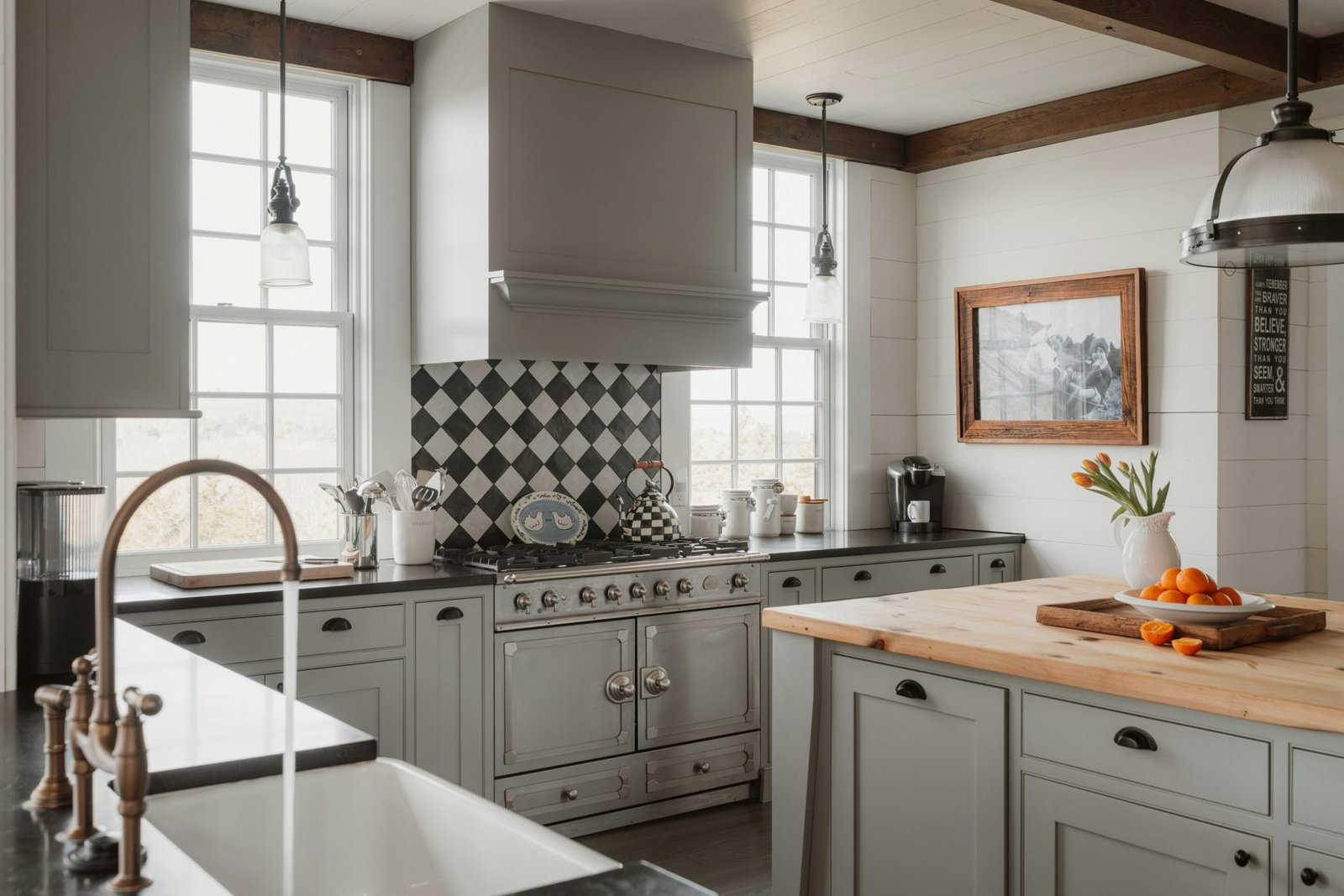
Placement strategies across the kitchen emphasize height, sightlines, and view from primary work zones. Above the sink, along the wall behind the dining area, or flanking a hutch or open shelving, art can anchor zones and guide movement. When selecting a layout, consider the typical kitchen tasks and conversations—art should remain legible and visually balanced when people gather around the island or at the dining table.

*圖片來源:Unsplash*
Careful framing and sizing are essential. Oversized pieces can create a bold declaration, while a cluster of smaller works can form an intimate gallery. In rooms with multiple light sources, it’s important to avoid glare and ensure consistent color rendering. Mounting height typically aligns with eye level for the primary viewing area, though kitchen-specific interaction (sitting at a counter) may require slightly lowered placements for the best view.
Accessibility and upkeep are also important. Framed art with protective glass or acrylic minimizes smudges, while washable surfaces or sealed canvases reduce the risk of staining from cooking splashes. When possible, opt for art that can be easily swapped or rotated to refresh the space without a major renovation or expense.
Overall, the 2026 trend landscape for kitchen wall art is about combining aesthetic ambition with practical resilience. Homeowners are encouraged to approach art as an extension of the kitchen’s function and personality—an element that can inspire and delight daily life while withstanding the unique demands of a busy culinary environment.
Perspectives and Impact
The shifting perception of kitchen wall art reflects broader changes in interior design and daily living. As kitchens become social hubs—where meals, work, and entertainment intersect—the walls surrounding these activities carry increased significance. Art is no longer a purely decorative accent; it is a communicative instrument that conveys owners’ identities and values, sets tones for gatherings, and complements the room’s architectural language.
From a practical standpoint, the 2026 trends emphasize durability and low-maintenance solutions. The kitchen’s humidity, heat, and frequent activity require art that can endure environmental stress without imposing excessive care routines. This has driven a preference for materials and finishes that resist moisture, fingerprints, and fading, while still delivering high aesthetic impact.
Economically, the trend toward gallery-style displays and customizable installations enables homeowners to invest in pieces with lasting value. A thoughtfully curated collection can evolve with the space, allowing for updates without complete replacement. This aligns with a broader consumer shift toward sustainable consumption, where fewer, more meaningful pieces replace disposable decor.
Culturally, the incorporation of global motifs and personal storytelling through art mirrors a society that values authenticity and connection. The kitchen becomes a space to showcase memories, travel highlights, and interests in a way that feels integrated rather than curated for guests. The result is a more lived-in, expressive home environment.
Looking ahead, the role of technology in wall art is likely to expand. Digital prints and augmented reality overlays could offer dynamic options that adapt to lighting conditions or time of day. While traditional framed works will remain popular, evolving formats may provide new ways to experience art in the kitchen without compromising practicality.
Key Takeaways
Main Points:
– Kitchens are increasingly treated as expressive spaces where art communicates personality and style.
– Bold color, curated gallery layouts, and mixed materials are central to 2026 trends.
– Durability and ease of care are essential given the kitchen environment, driving selection of moisture-resistant materials and finishes.
Areas of Concern:
– Potential glare or visibility issues in bright, sunlit kitchens.
– Overly dominating art can clash with cabinetry or disrupt workflow.
– Humidity and heat exposure may affect certain materials and pigments over time.
Summary and Recommendations
To embrace the 2026 kitchen wall art trends successfully, consider a balanced, purpose-driven approach. Start with a clear concept or color narrative that complements your cabinetry, countertops, and hardware. Build a small, rotating gallery that features a mix of sizes, textures, and media—such as prints, textiles, and metal accents—to create visual interest without overpowering the space. Prioritize durability by selecting pieces designed for humidity-prone environments, and protect works with appropriate framing or protective glazing. Pay attention to lighting; use a combination of ambient, task, and accent lighting to highlight art at different times of day and during gatherings. If possible, opt for customizable or modular displays that can adapt as your kitchen evolves. Finally, consider sustainability by choosing eco-friendly materials and ethically produced art, aligning with broader values without sacrificing design impact.
References
- Original: https://abeautifulspace.co.uk/7-kitchen-wall-art-trends-for-2026-beautiful-ideas/
- Additional references:
- https://www.interiordesign.net
- https://www.timeout.com/london/interiors
- https://www.housebeautiful.com/room-decorating/kitchens/

*圖片來源:Unsplash*