TLDR
• Core Points: Curtains in 2026 blend function with design, emphasizing texture, sustainability, and smart integration to elevate living spaces.
• Main Content: The year’s top trends showcase varied fabrics, tones, and layering techniques, along with practical considerations for maintenance and installation.
• Key Insights: Personalization, energy efficiency, and easy-care options dominate, while bold statements and minimalist approaches converge in versatile designs.
• Considerations: Lighting, room scale, and privacy needs guide fabric choices and layering; budget and durability remain important factors.
• Recommended Actions: Assess room goals, test fabric swatches, and plan layered treatments to achieve both style and practicality.
Content Overview
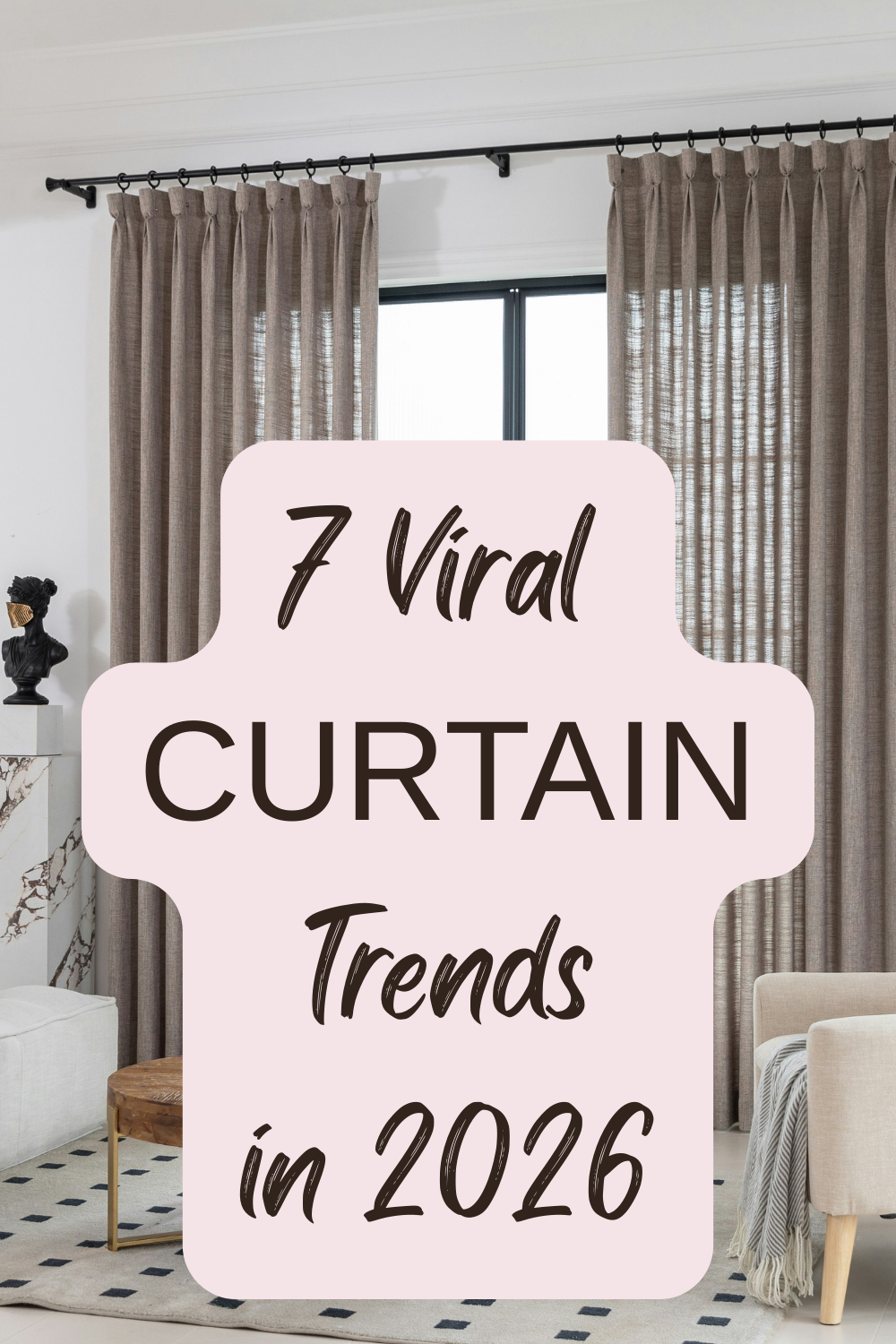
Curtains have evolved far beyond simple window coverings. In 2026, designers and homeowners are approaching window treatments as a critical element of interior mood, texture, and energy efficiency. The latest trends reflect a shift toward tactile fabrics, sustainable materials, and smart-home compatibility, while maintaining a broad appeal for various decor styles—from modern minimalist to cozy traditional. This article outlines seven of the most popular curtain trends for 2026, providing context, practical guidance, and ideas for adapting these trends to different spaces.
1) Textured and tactile fabrics
Textured fabrics—such as ribbed velvets, boucles, and woven jacquards—are taking center stage. These materials add depth and warmth, enabling even monochrome schemes to feel layered and inviting. The tactile quality of these fabrics helps absorb excess light and noise, contributing to a calmer room ambiance. Designers suggest choosing textures that complement existing upholstery and rugs to create a cohesive look.
2) Neutrals with depth
Neutral palettes remain a staple, but the emphasis has shifted from flat tones to layered neutrals with subtle undertones. Off-whites, warm beiges, and soft greiges pair with metallic accents and natural wood furniture to form sophisticated, versatile backdrops. Curtain designs using tone-on-tone weaves or slight color shading can introduce interest without overpowering the space.
3) Natural and sustainable materials
Sustainability is a defining factor in 2026 curtain choices. Organic cotton, linen blends, hemp, and recycled poly fabrics are gaining popularity for their lower environmental impact and breathable characteristics. Some brands highlight responsible dyeing processes and certifications, appealing to eco-conscious consumers who still want style and performance.
4) Soft metallics and warm accents
Metallic threads, foiling, or sheen in curtain fabrics offer a subtle luxe without being flashy. Warm metallics—bronze, antique gold, and champagne—work well with earthy tones and natural textures. These accents can elevate drapery panels, tiebacks, and hardware, providing a refined finish to the room.
5) Layering and versatility
Layered window treatments—combining sheer panels with heavier drapes or blackout linings—continue to be a dominant trend. Layering offers adjustable light control, improved privacy, and better insulation. Designers advise balancing layers so that the overall look remains cohesive; sheer layers can soften daylight, while heavier drapes can be drawn for movie nights or late sleepers.
6) Bold statements through color and print
While neutrals dominate, there is a growing appetite for bold color and expressive prints as accent elements. Jewel tones, rich greens, cobalts, or abstract prints can anchor a room and become a focal point. When using bold patterns, pairing with a neutral base helps maintain balance and prevent visual overload.
7) Smart and functional integrations
Smart-curtain solutions—motorized systems, remote control operation, and compatibility with home-automation platforms—are becoming standard in many homes. Features like programmable opening schedules, light sensors, and integration with climate controls enhance energy efficiency and daily convenience. Durable motors, quiet operation, and reliable battery backups are common criteria for buyers.
Context and practical tips
– Room size and lighting: Lighter fabrics reflect more light and can make small rooms feel airier, while deeper textures offer coziness in larger spaces. Sheers are ideal for daytime privacy, with heavier drapes providing nighttime insulation.
– Privacy vs. view: In urban settings, layered treatments allow daytime openness for views and nighttime privacy with closed panels.
– Color coordination: Use curtain color to tie together wall color, furniture wood tones, and rug patterns. If introducing bold color, consider making it a feature in a single panel or in decorative hardware.
– Maintenance: Natural fibers may require gentle cleaning methods and occasional professional cleaning. Stain-resistant finishes and easy-care blends can reduce upkeep.
– Hardware: Curtain rods, finials, and tiebacks can reinforce the design language—sleek, matte metals for contemporary spaces or ornate details for traditional rooms.
In-Depth Analysis
The evolution of curtain trends in 2026 reflects a broader emphasis on creating environments that are both aesthetically pleasing and functionally optimized. Textured fabrics and layered treatments are not merely about appearance; they influence acoustics and comfort by absorbing sound and guiding daylight into a room. The move toward neutrals with depth demonstrates a preference for timeless elegance that remains adaptable as furniture and decor shift with seasons or upgrades. Sustainable materials align with a growing consumer demand for responsible production, and the rise of soft metallics provides a nuanced way to introduce warmth and luxury without overpowering the overall design.
Color strategy in 2026 favors balance over bold overload. While bold hues and prints exist, many designers advocate a base palette of neutrals with selective pops of color or pattern to avoid visual fatigue. This approach also enhances resale value, as flexible color foundations are easier to adapt with future decorative accents.
Smart integrations represent a natural extension of curtain design into the broader smart home ecosystem. By enabling precise control over light, privacy, and energy use, motorized and remotely operable curtains can contribute to comfort and savings. Reliability, quiet motors, and robust battery life are critical for a seamless experience. The interplay between form and function is now more pronounced than ever, as consumers expect products that are not only beautiful but also efficient and convenient.

*圖片來源:Unsplash*
From a production perspective, designers are prioritizing fabrics that offer drape, durability, and easy care. Textile innovations, such as wrinkle-resistant blends and stain-repellent finishes, support busy households and high-traffic living spaces. At the same time, the market shows a continued appreciation for natural textures that bring warmth and tactile interest to interiors, aligning with a broader trend toward biophilic design principles.
The role of curtains in energy efficiency cannot be overstated. Heavier drapes with proper lining can significantly reduce heat loss in winter and minimize solar gain in summer, complementing window glass upgrades and insulating strategies. Layered treatments provide flexible responses to seasonal changes and varying daylight, enabling homeowners to optimize comfort and energy costs throughout the year.
Perspectives and Impact
Looking ahead, curtain trends will likely continue to evolve along three converging paths: personalization, sustainability, and smart technology. Personalization will drive more retailers to offer customizable fabrics, colors, and patterns to reflect individual tastes, while still leveraging standardized sizing and modular hardware to simplify installation. Sustainability will push suppliers to emphasize recyclable packaging, responsible dye processes, and longer-lasting materials that resist wear and tear. Smart technology will become more accessible, with affordable motorized options and better integration with voice assistants and home hubs.
The impact on interior design education and practice is notable. Designers must stay informed about textile innovations, regulatory standards for flame retardancy and safety, and the evolving market expectations around maintenance and durability. For homeowners, the trends offer a practical framework to assess needs—light control, privacy, insulation, and aesthetics—before selecting products. The overarching message is that curtains are a crucial, active component of a room’s design, capable of influencing mood, energy use, and daily rhythms.
Key Takeaways
Main Points:
– Textured fabrics and layered treatments enhance depth, light management, and acoustics.
– Neutral palettes with depth remain versatile foundations, enabling flexible style changes.
– Sustainable materials and responsible production practices are increasingly prioritized.
– Subtle metallic details and warm accents provide refined luxury without overpowering decor.
– Smart curtain solutions improve convenience, privacy, and energy efficiency.
– Bold color and prints appear as intentional accents to anchor a room.
– Maintenance, durability, and easy care are essential considerations for everyday practicality.
Areas of Concern:
– Fabric durability and colorfastness under prolonged sun exposure.
– Balancing bold patterns with neutral surroundings to avoid visual fatigue.
– Ensuring compatibility and reliability of smart motorized systems with existing devices.
Summary and Recommendations
Curtains in 2026 are more than decorative elements; they are strategic components of environmental comfort, energy efficiency, and personal expression. The seven trends highlighted—textured fabrics, depth-rich neutrals, sustainable materials, soft metallic accents, layering for versatility, selective bold color/prints, and smart integrations—offer pathways for designing spaces that feel cohesive, comfortable, and forward-thinking.
For homeowners and designers aiming to implement these trends, a practical approach is advisable:
– Start with a clear objective for the room: light control, privacy needs, and energy goals.
– Choose a base neutral palette with texture-driven fabrics to create warmth without overpowering the space.
– Consider sustainability credentials and care requirements when selecting materials.
– Use layering to provide flexible light control and noise dampening, balancing sheer and blackout options.
– Introduce subtle metallic or warm accent details through drapery hardware or trims to add depth.
– Explore smart motorized options for convenience and energy management, ensuring compatibility with your home setup.
– Test with samples in natural and artificial light to confirm fabric behavior and color under real conditions.
In short, 2026 curtain trends encourage thoughtful selection that blends beauty with practicality. By prioritizing texture, sustainability, and smart functionality, homeowners can achieve stylish window treatments that enhance comfort, reduce energy use, and adapt gracefully to changing tastes and needs.
References
- Original: https://abeautifulspace.co.uk/7-most-popular-curtain-trends-in-2026-stylish-window-ideas/
- Additional:
- https://www.architecturaldigest.com/
- https://www.housebeautiful.com/
- https://www.displayglazing.co.uk/curtains-trends-2026
Forbidden:
– No thinking process or “Thinking…” markers
– Article must start with “## TLDR”
Ensure content is original and professional.
*圖片來源:Unsplash*