TLDR
• Core Points: Curtains have evolved beyond mere function; in 2026, trends emphasize texture, sustainability, smart controls, and versatile styling to elevate living spaces.
• Main Content: This article identifies seven leading curtain trends for 2026, detailing materials, finishes, and practical styling tips to achieve a modern, cohesive look.
• Key Insights: Balance between fashion and function; emphasis on natural light, mindful fabrics, and adaptable hardware; integration with smart home systems is rising.
• Considerations: Budget, room function, and maintenance requirements must guide fabric choices and hardware installation.
• Recommended Actions: Assess each room’s light, privacy needs, and décor style; choose layered treatments; select fabrics with durable finishes; explore motorized or smart options where appropriate.
Content Overview
Curtains have moved well beyond their traditional role of providing privacy and light control. In 2026, they play a central part in interior design, offering texture, color, and a sense of atmosphere that can transform a space. The trend landscape highlights seven key directions that homeowners and designers are embracing to create stylish, functional windows. This overview explores how these trends manifest in fabric choices, hardware, and styling approaches, along with practical guidance on how to implement them in various rooms, from living areas to bedrooms and home offices. The aim is to equip readers with approachable ideas that combine aesthetics with practicality, enabling spaces to feel curated without sacrificing comfort or daily usability.
In-Depth Analysis
Curtains are increasingly viewed as a critical design element that can define a room’s mood, soften architectural lines, and regulate natural light. The seven trends highlighted for 2026 address a range of preferences—from organic textures and sustainable materials to minimalist silhouettes and tech-enabled solutions.
1) Layered Window Treatments for Depth and Flexibility
Layering remains at the forefront of curtain styling. Combining sheer panels with heavier drapery allows for versatile light control, privacy, and ambiance. The sheer layer softens sunlight and creates an airy feel, while the opaque panel can block light for movie nights or late mornings. This approach also adds visual depth and dimension to windows, making small or awkwardly shaped openings look more intentional. Designers recommend pairing light fabrics with moodier, structured drapery fabrics in complementary neutral tones or subtle patterns.
2) Natural Textures and Earthy Palettes
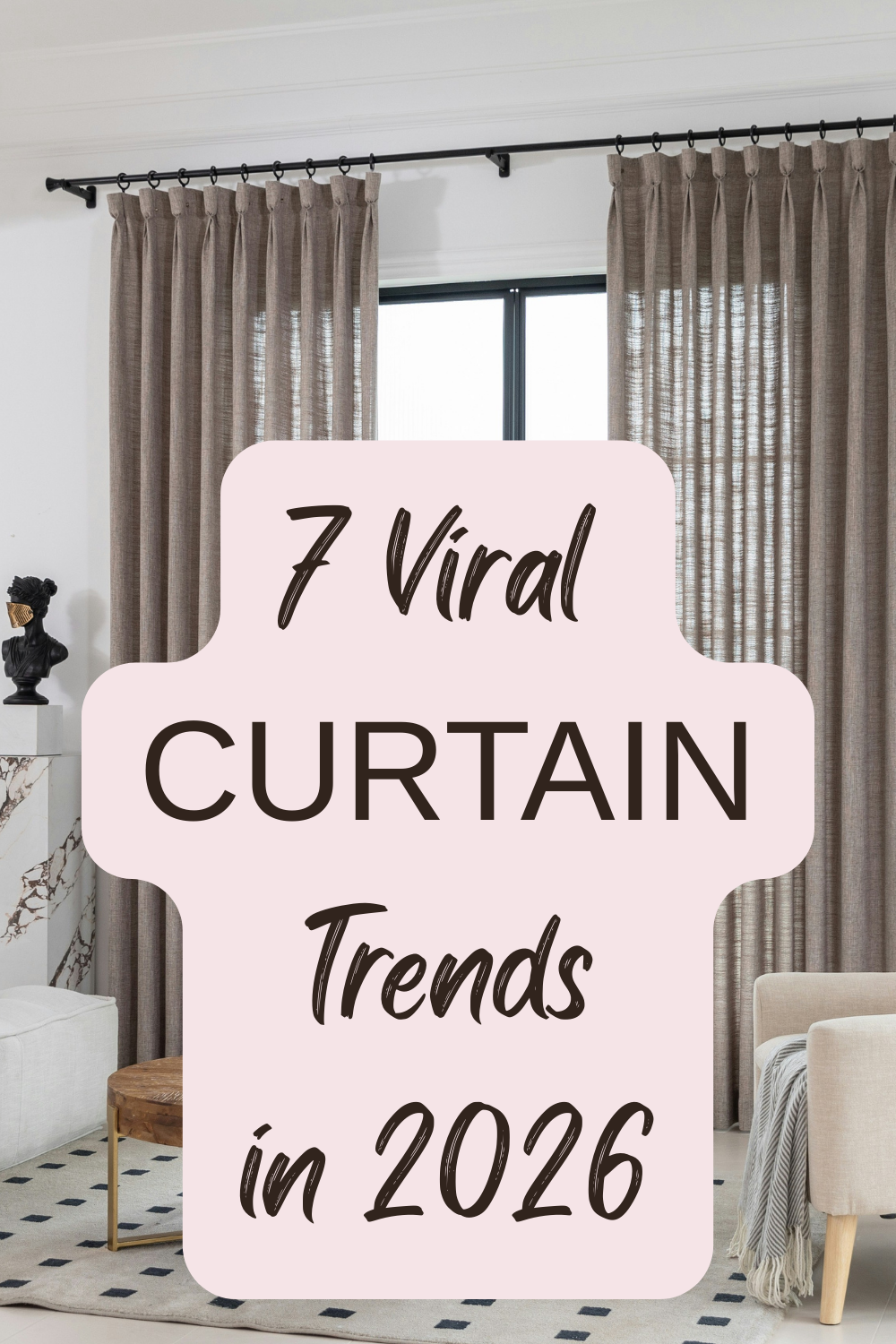
Materials that evoke nature—linen, flax, cotton blends, and textured weaves—dominate 2026 trends. Earthy color stories such as warm beiges, taupes, stone, and muted greens create a calming backdrop that pairs well with both contemporary and traditional décor. Textured fabrics add dimension without heavy prints, allowing window treatments to contribute to tactility and warmth in a room. For those seeking a coastal or rustic vibe, these materials offer an easy route to cohesive design.
3) Sustainable and Responsible Choices
Conscious consumption extends to curtain fabric and hardware. 2026 sees increased interest in responsibly sourced textiles, recycled fibers, and low-impact dyes. Homeowners are prioritizing longevity, easy-care finishes, and repairability to reduce waste. In addition, sustainable hardware—such as corrosion-resistant metals and responsibly manufactured track systems—supports durable, long-lasting installations. The moral and practical appeal of sustainable options aligns with growing expectations for eco-friendly interiors.
4) Minimalist Silhouettes with Soft Edges
Minimalist curtains with clean lines and understated folds remain popular, but 2026 invites a softening of rigidity. Rather than harsh pleats or heavy grommets, designers favor flat-panel or single-panel drapery with gentle, unobtrusive folds. Neutral colors and crisp hems create a streamlined look that still feels approachable. This trend works particularly well in modern interiors that emphasize light, openness, and simplicity.
5) Neutral Foundations with Strategic Accents
A reliable approach is to build room harmony with neutrals on curtains, then introduce color and texture through accessories and furniture. Neutral curtains act as a versatile canvas, allowing accent pieces—like throw pillows, rugs, or artwork—to create focal points. When selecting neutral fabrics, consider undertones (warm vs. cool) to harmonize with wall colors and other textiles in the space.
6) Performance and Easy Maintenance
Families and busy households appreciate fabrics that resist wrinkling, staining, and fading. Performance fabrics—treated for stain resistance, easy care, and durability—remain a practical consideration. In addition to maintenance advantages, these fabrics tend to hold color better over time, ensuring that the curtains retain their intended look with less upkeep. Users can choose from washable options or care-free synthetic blends that mimic natural textures.

*圖片來源:Unsplash*
7) Smart and Motorized Window Treatments
Technology increasingly supports convenience and energy efficiency. Motorized tracks and smart-home integration enable seamless control of light and privacy with voice commands or automated schedules. For larger windows or hard-to-reach installations, motorization provides practicality while maintaining a tidy aesthetic. While higher upfront costs exist, the long-term benefits include enhanced comfort, child safety, and potential energy savings through better light management.
Implementation Tips
– Start with a clear plan for each room: define the level of privacy, light control, and the mood you want to establish.
– Use layering to maximize flexibility: sheer panels for daytime privacy paired with heavier drapes for evening sealing.
– Select fabrics with appropriate care requirements based on room use; kitchens and bathrooms may benefit from moisture-resistant options.
– Consider hardware that complements the curtain style: slim profiles for minimalist looks; decorative rods or brackets to add personality to traditional settings.
– Evaluate budget against long-term value: invest in durable, timeless fabrics for high-traffic rooms, and reserve trend-forward choices for spaces that can be refreshed more frequently.
Perspectives and Impact
The 2026 curtain trends reflect a broader shift toward design that is both aesthetically pleasing and functionally adaptive. Layered treatments, natural textures, and neutral foundations offer versatility, enabling homeowners to refresh spaces with minimal overhauls. Sustainable materials respond to rising environmental awareness and a desire for longer-lasting products that reduce waste. Minimalist silhouettes aligned with soft edges balance modern aesthetics with warmth, preventing interiors from feeling sterile.
As smart home technologies become more accessible, motorized curtains offer tangible benefits beyond convenience. They enable more precise control of daylight, which can influence circadian rhythms, room temperature, and energy usage. The synergy between design and technology positions curtains as active contributors to a home’s comfort and efficiency rather than passive accessories.
Looking ahead, fabric technology may further expand the performance and sustainability aspects of curtains. Blends that combine resilience with a natural look, colorfast finishes, and easy-care care labels will likely become more prevalent. Manufacturers may also offer more customization options, such as tailored lengths for varied window types and integrated motor systems that fit within existing track layouts.
Homeowners should also consider regional climate influences when selecting trends. Lighter fabrics may be preferable in warmer climates to maintain airflow while preserving privacy, whereas layered approaches with heavier drapes can provide insulation in cooler regions. The evolving market invites a personalized approach—combining trends with practical needs and the existing interior design language of a space.
In terms of accessibility and inclusivity, thoughtful design can ensure that curtains are usable by all household members. This includes choosing hardware heights and operating mechanisms that are easy to reach and safe for children or elders, as well as considering simple maintenance routines that encourage regular use and care.
Key Takeaways
Main Points:
– Layered window treatments enhance flexibility and depth.
– Natural textures and earth-inspired palettes create calming, versatile spaces.
– Sustainable materials and responsible manufacturing are increasingly prioritized.
– Minimalist silhouettes with softened edges offer modern elegance.
– Neutral curtain foundations allow for easy accent updates.
– Performance fabrics reduce maintenance and extend longevity.
– Motorized and smart window treatments improve convenience and energy management.
Areas of Concern:
– Higher upfront costs for premium fabrics and motorized systems.
– Potential maintenance needs for specialized performance textiles.
– Compatibility with existing tracks or hardware may require customization.
Summary and Recommendations
Curtain design in 2026 emphasizes a harmonious blend of style, practicality, and ecological mindfulness. The seven trends presented—layering, natural textures, sustainability, minimalist yet soft silhouettes, neutral foundations, performance fabrics, and smart automation—offer a comprehensive framework for creating windows that are both beautiful and functional. To implement these ideas effectively, start with a room-by-room assessment of light, privacy, and daily use. Favor layered treatments to maximize control and ambiance, and select fabrics that align with both the room’s function and the desired mood. Embrace neutral bases to maintain flexibility, then introduce color or texture through accents or decorative details. Where budget allows, invest in high-quality, durable fabrics paired with reliable hardware, and consider motorized systems for high-traffic or hard-to-reach windows. By aligning fabric choices, hardware, and styling with the room’s needs and the household’s routines, curtains can become a central element of contemporary design that enhances comfort and energy efficiency.
References
- Original: https://abeautifulspace.co.uk/7-most-popular-curtain-trends-in-2026-stylish-window-ideas/
- Additional references:
- https://www.architecturaldigest.com/
- https://www.housebeautiful.com/
- https://www.countryliving.com/
*圖片來源:Unsplash*