TLDR
• Core Points: Curtains in 2026 blend function with fashion, embracing sustainability, smart features, and versatile textures to elevate interior design.
• Main Content: The article surveys seven curtain trends shaping windows this year, from eco-friendly fabrics to tech-enabled shades, with practical styling advice.
• Key Insights: Modern curtains act as focal decor, require thoughtful layering, and should harmonize with lighting, color palettes, and room function.
• Considerations: Balance aesthetics with privacy and light control, consider room climate, and assess maintenance needs for advancing fabrics.
• Recommended Actions: Identify key trends that suit your space, test fabric samples, and consult a professional for installation and automation options.
Content Overview
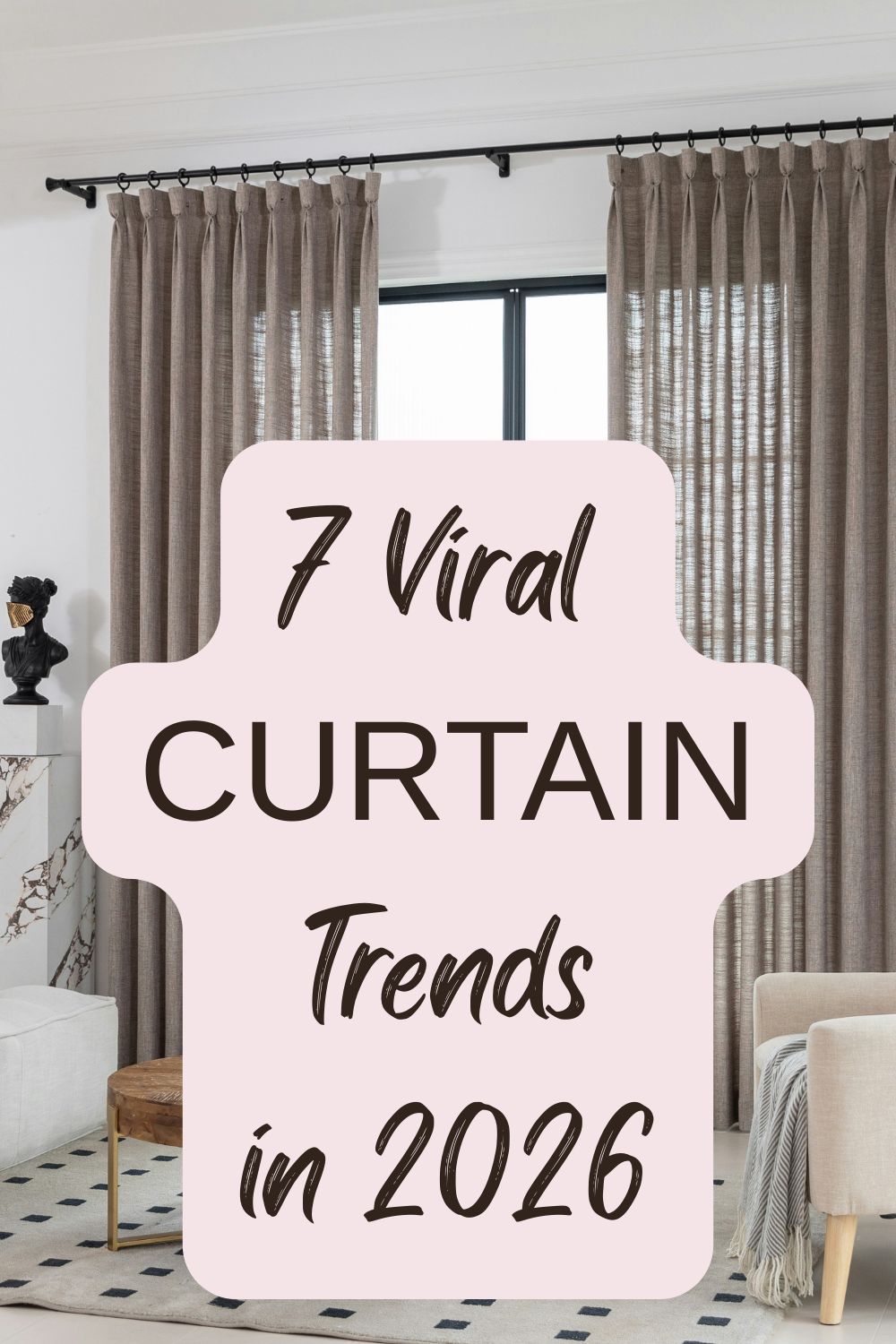
Curtains have evolved far beyond mere window coverings. In 2026, they are an essential element of interior design that combines practicality with style. The trend landscape emphasizes sustainability, customization, and technological integration, allowing homeowners to tailor light, privacy, and ambiance to suit varying needs and seasons. The seven trends outlined below reflect a broader shift toward versatile, eco-conscious, and low-maintenance solutions that still deliver high aesthetic impact. By understanding these trends, readers can make informed choices about fabrics, colors, patterns, hardware, and smart features that align with their architectural style and daily routines.
The first trend centers on eco-friendly materials. Environmentally conscious fabrics such as organic cotton, linen blends, hemp, and recycled synthetics are gaining prominence due to lower environmental footprints and improved performance. These fabrics offer natural textures and air permeability, which can aid in temperature regulation and acoustics, while still providing sufficient light diffusion and privacy. The second trend highlights texture and layering. Designers are embracing multi-layered window treatments—sheers combined with opaque drapes, or textured blinds paired with soft curtains—to create depth, control light, and adapt to changing moods and daylight conditions throughout the day. Third, bold color and pattern selections are making statements. While neutrals remain timeless, there is a confident move toward richer hues, subtle patterns, and color-blocked combinations that elevate a room’s character without overwhelming the space.
The fourth trend focuses on functional technology. Motorized and remote-controlled shade systems enable precise light management, privacy, and energy efficiency. These smart solutions integrate with home automation platforms, allowing schedules, scenes, and voice control. The fifth trend emphasizes sustainability in accessories and hardware. Beyond fabrics, consumers are selecting durable, responsibly sourced curtain rods, finials, and tracks, choosing finishes that resist corrosion and wear while complementing the drapery and hardware hardware ecosystem. The sixth trend explores performance fabrics designed for climate and maintenance. Materials with UV resistance, wrinkle resistance, and easy-clean properties reduce upkeep and extend the curtains’ longevity, particularly in high-traffic rooms or spaces with intense sun exposure. The seventh trend considers the cultural and global influences shaping curtain aesthetics. Designers are drawing inspiration from diverse textile traditions, resulting in patterns and textures that add a sense of place and storytelling to interiors.
In practice, the article offers practical guidance for applying these trends. For sustainability-focused choices, it suggests verifying certifications, exploring lower-impact dye processes, and prioritizing fabrics with durability to minimize waste. For layering, it recommends pairs of sheer and opaque garments to sculpt light while preserving privacy. When considering color and pattern, it advises testing samples in natural and artificial light to understand true hues in various times of day. For technology, it outlines key considerations such as compatibility with existing home systems, battery life (for wireless options), and ease of maintenance. For hardware, it emphasizes choosing materials and finishes that coordinate with room hardware and are rated for longevity. Finally, for performance fabrics, it notes attention to cleaning methods and the potential need for professional cleaning or spot treatment.
Overall, the 2026 curtain trends encourage homeowners to think holistically about window treatments—how they influence light, acoustics, privacy, energy efficiency, and the room’s overall atmosphere. The aim is to achieve a cohesive look that remains adaptable to changing seasons, decorative shifts, and evolving technologies.
In-Depth Analysis
Curtain trends in 2026 reflect a convergence of aesthetics, sustainability, and smart home integration. The move toward eco-friendly fabrics is driven by rising consumer awareness of environmental impact and the desire for healthier indoor environments. Organic or recycled materials offer durability and texture while reducing exposure to chemical treatments and petroleum-based fibers. Linen, cotton blends, hemp, and responsibly sourced synthetics provide a balanced mix of breathability, drape, and care requirements. Importantly, manufacturers are increasingly transparent about sourcing, certification, and lifecycle considerations, enabling shoppers to make informed choices.
Texture and layering remain central to modern window styling. Layered window treatments allow greater control over light levels and privacy throughout the day. A sheer provides ambient light diffusion and softness, while a heavier curtain or panel adds blackout capability and visual weight. This approach also enables dynamic styling: open sheers during daylight to maximize view and openness; close opaque panels in the evening for privacy and insulation. The layering concept extends to combining different textures and materials—cords, tassels, and tactile fabrics—to create nuanced depth and interest.
Color and pattern decisions in 2026 skew toward versatility and statement against neutral backdrops. While the timeless appeal of neutrals continues, designers are embracing deeper, saturated colors such as forest greens, navy blues, and warm clay tones. Subtle patterns—geometric motifs, soft florals, or tonal stripes—provide visual interest without overpowering a space. Color-blocked or contrasting trims can add a contemporary edge. The key is to consider the room’s existing palette, natural light, and the desired mood; darker colors can ground a space and offer dramatic contrast, whereas lighter hues can enhance airiness and openness.
Technology-driven shading options are increasingly common. Motorized systems, remote controls, and integration with home automation platforms offer precise control over lighting, privacy, and energy usage. These systems can be programmed to adjust at specific times of day, align with solar patterns, or respond to voice commands via smart assistants. For homeowners with large or hard-to-reach windows, automated shades reduce effort and improve daily routines. It is essential to evaluate installation requirements, power sources, and compatibility with existing smart ecosystems to avoid compatibility hurdles and ensure reliable performance.
Hardware and installation trends complement fabric choices. Durable tracks or rods made from corrosion-resistant metals or engineered polymers can withstand heavy fabrics and frequent use. Finial designs range from minimal and discreet to bold decorative accents, helping to tie the window treatment to the room’s decor. When selecting hardware, consider finish harmonization with other metal elements in the space, wall color, and the hardware’s maintenance needs. For eco-minded buyers, sourcing responsibly manufactured hardware with low environmental impact is another meaningful consideration.
Performance fabrics address practical concerns beyond aesthetics. UV resistance helps protect furnishings from sun damage, while wrinkle resistance makes it easier to maintain a polished look with less ironing. Easy-care fabrics that are machine washable or simple to spot-clean are particularly desirable for households with children or pets, or for spaces like kitchens and lounges where upkeep is a consideration. Some fabrics offer moisture resistance or stain repellents that extend the life of curtains in high-humidity environments, such as bathrooms or basements.
Global influences are shaping curtain design in contemporary interiors. Designers draw inspiration from textiles around the world, incorporating traditional patterns with modern silhouettes. This cross-cultural approach brings richness and narrative to windows, allowing a space to reflect heritage or travel-inspired aesthetics while remaining cohesive with contemporary furniture and color schemes.
Choosing the right trend mix depends on several factors: room function, light requirements, climate, and personal style. For living rooms where daylight is abundant, layering with sheer and opaque panels can balance brightness and comfort. For bedrooms, blackout options with noise-reducing properties can improve sleep quality. Kitchens and bathrooms benefit from easy-care fabrics and moisture-resistant materials that withstand humidity and splashes. In homes with large windows, motorized shades offer convenience and energy savings, especially when integrated with smart thermostats and lighting systems. For spaces with high ceilings or strong architectural features, longer drapes or tailored gaps can emphasize verticality and proportion.

*圖片來源:Unsplash*
The article also emphasizes practical implementation steps. Begin with a clear assessment of goals: How much light control is needed? What level of privacy is required? What is the desired mood or style? Next, select a fabric family that aligns with these goals, considering environmental impact, care requirements, and durability. Then plan layering strategies and determine appropriate hardware and color schemes. Finally, explore automation options, including power sources, control methods, and integration with existing devices or home ecosystems. Sample swatches under different lighting conditions (natural and artificial) help confirm color and texture choices before committing to a full installation.
In summary, 2026 curtain trends reflect a holistic approach to window treatments—one that prioritizes sustainability, adaptability, and technology while maintaining a strong design sensibility. The most successful implementations balance practicality with aesthetic intention, creating windows that not only control light and privacy but also contribute meaningfully to a room’s atmosphere and energy efficiency.
Perspectives and Impact
As window treatments evolve, their impact extends beyond individual rooms and into broader design practices and consumer expectations. The increasing emphasis on sustainability signals a shift in the market toward products that are not only stylish but ethically produced and durable. This can influence pricing, retail strategies, and the availability of certified materials. For homeowners, the trend toward eco-friendly fabrics may drive demand for third-party certifications (such as GOTS for organic textiles or Oeko-Tex certifications for safe dyes), which helps buyers make more informed choices and fosters transparency in the supply chain.
Smart home integration represents a longer-term shift in how people interact with interior environments. Automated shades and motorized systems offer tangible benefits: improved energy efficiency through timed or sensor-based light management, enhanced privacy with minimal effort, and better accessibility for individuals with mobility challenges. As these systems become more affordable and easier to install, they may become standard components in new builds and renovations. This technological trajectory also raises considerations about cybersecurity, data privacy, and system reliability, encouraging manufacturers to adopt robust security practices and transparent documentation.
Culturally, the blending of global textile influences into curtain design reflects a broader trend toward personalization and storytelling in interiors. Rather than simply selecting a color, homeowners can weave cultural references and travel-inspired motifs into their spaces. This can foster a sense of connection and identity within a home, particularly in urban settings where personal expression through decor becomes a focal point.
From an industry perspective, the trends could influence manufacturing processes, supply chains, and product development. Emphasis on durability and easy-care fabrics may drive innovations in textile engineering, such as more resilient coatings, stain-resistant finishes that remain breathable, and fabrics that maintain drape and texture after repeated washing. Hardware developments could focus on sustainability and ease of installation, with lighter-weight, recyclable materials and modular designs that simplify customization.
Looking ahead, the 2026 trends suggest several future implications:
– Market diversification: A broader range of fabrics, patterns, and hardware will be available to accommodate diverse budgets and preferences.
– Longevity and maintenance: Consumers will increasingly value low-maintenance materials that retain aesthetics over time, influenced by lifestyle demands and occupant turnover in homes.
– Energy-conscious design: Automated shading solutions will align with broader energy-saving goals, contributing to lower utility costs and improved indoor climate control.
– Customization at scale: Advances in digital printing, modular hardware, and scalable automation will enable more personalized and accessible window treatments for various room sizes and configurations.
Overall, the trends indicate a mature market where form and function harmonize with sustainability and technology. Homeowners who adopt these principles can expect enhanced comfort, improved energy performance, and enriched visual appeal, while designers and manufacturers will continue innovating to meet evolving consumer expectations.
Key Takeaways
Main Points:
– Eco-friendly fabrics and responsible sourcing are increasingly prioritized in curtains.
– Layering remains a core styling approach for light control and depth.
– Technology and smart shading are becoming standard features in many homes.
Areas of Concern:
– Balancing high-tech features with privacy and cybersecurity considerations.
– Long-term maintenance and cleaning requirements for advanced fabrics.
– Ensuring color and pattern choices remain timeless amid evolving trends.
Summary and Recommendations
Curtain trends in 2026 center on sustainable materials, layered textures, bold but versatile color choices, and greater automation. Consumers should approach window treatments as a design-influencing element that impacts light, privacy, energy use, and room ambience. To implement these trends effectively:
– Prioritize fabrics with certified sustainability credentials and durability.
– Plan layering thoughtfully to achieve flexible light control and privacy.
– Consider color and pattern in context with the room’s palette and natural light.
– Explore motorized or automated shading options for convenience and energy efficiency, ensuring compatibility with existing smart home systems.
– Choose hardware and finishes that align with the room’s style while emphasizing durability and ease of maintenance.
– Assess cleaning requirements and care instructions to maintain the curtains’ look over time.
By taking a holistic approach to window treatments, homeowners can achieve a balanced, stylish, and functional result that stands up to daily use and evolving interior design trends.
References
- Original: abeautifulspace.co.uk – 7 Most Popular Curtain Trends in 2026 (Stylish Window Ideas)
- Additional references:
- Global textile sustainability certifications (e.g., GOTS, OEKO-TEX)
- Smart home shading technologies and automation standards
- Current interior design sources on layering and color/pattern trends
*圖片來源:Unsplash*