TLDR
• Core Points: The cosy corner trend blends comfort, texture, and personal symbolism to transform small spaces into inviting retreats.
• Main Content: It centers on thoughtful layout, tactile materials, warm lighting, and accessible DIY touches to create intimate nooks for work, reading, or relaxation.
• Key Insights: Multifunctional design, sustainable materials, and a shift toward slower living drive the trend, with emphasis on personalization.
• Considerations: Space, budget, and maintenance matter; not all rooms suit every corner, and over-cluttering can undermine comfort.
• Recommended Actions: Assess available space, pick a role for the corner, curate a small set of favorite elements, and invest in adaptable lighting and textiles.
Content Overview
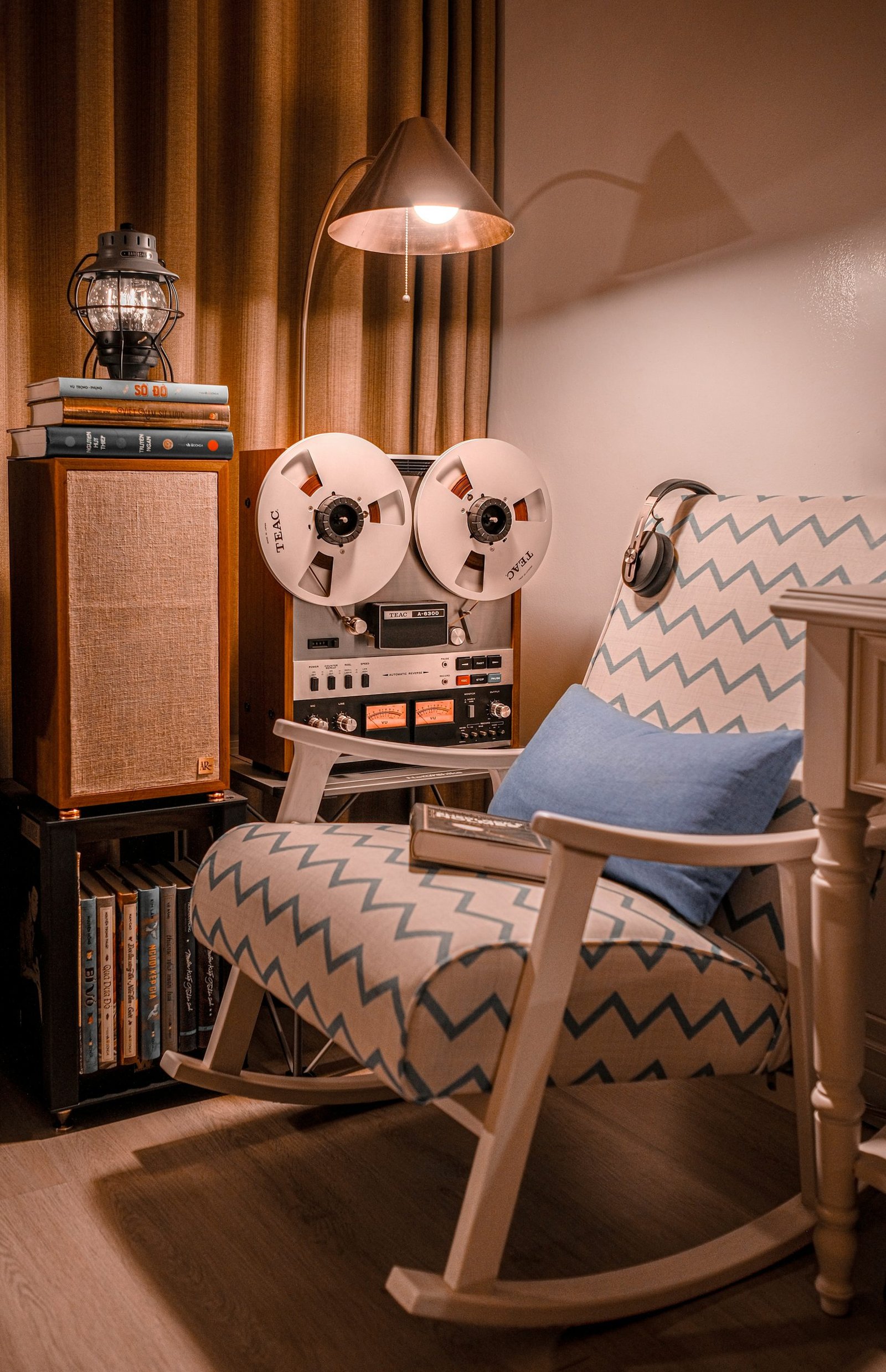
The cosy corner concept has surged in popularity across residential interiors, work-from-home setups, and even hospitality spaces. It’s not a single style but a design philosophy that prioritizes comfort, sensory richness, and personal meaning. At its core, a cosy corner is a compact, dedicated area within a larger room where elements such as seating, lighting, textiles, and personal touches are combined to invite pause, focus, and gentle reprieve from daily bustle.
The appeal lies in its versatility. A cosy corner can function as a reading nook, a meditation or quiet-wortk retreat, a study space, or a cozy gaming or crafts corner. It is particularly well-suited to small or open-plan homes where individual rooms may be limited, because it provides a dedicated micro-environment without demanding major renovations. The trend emphasizes accessible, everyday materials and an unforced, lived-in aesthetic. Rather than a pristine showroom look, cosy corners invite warmth, texture, and subtle personality through natural fibers, tactile surfaces, and soft lighting.
As designers and homeowners explore ways to incorporate this trend, several core principles emerge. First, the layout matters: a backrest-friendly seat, a stable surface for books or devices, and enough clearance around the area to avoid crowding. Second, lighting is central to ambience. Layered lighting—ambient, task, and accent—offers flexibility for different activities and times of day. Third, textiles and surfaces play a crucial role in comfort and acoustics: plush throws, cushions, rugs, and wall coverings with sound-absorbing properties can transform a hard-edged room into a welcoming refuge. Fourth, personal touches matter: curated objects, plants, photographs, and artwork that evoke meaning enhance the sense of belonging in the space. Finally, sustainability and simplicity are increasingly valued as people seek low-stress, low-maintenance environments that still feel intentional and stylish.
This article delves into why the cosy corner trend resonates so broadly, how to design one effectively, the impact it has on daily living, and practical steps to implement the concept in various rooms—from living rooms and bedrooms to office nooks and entryways. It also considers potential challenges, such as selecting the right size for the space, avoiding over-clutter, and balancing function with aesthetics. Throughout, the emphasis remains on creating a personal, versatile, and durable corner that remains inviting for years to come.
In-Depth Analysis
The rise of the cosy corner reflects broader shifts in how people use space at home. In an era where many tasks blend into one environment—work, study, leisure—there is a growing desire for alternate zones that can be activated for a single purpose without removing the room’s versatility. A well-conceived cosy corner does not require an expansive footprint; rather, it leverages strategic placement and careful material choices to maximize impact.
Key design strategies include:
Purpose-driven layout: Identify the primary function of the corner—reading, writing, crafting, or unwinding—and arrange components accordingly. A supportive chair or compact settee paired with a small side table and a shelf or basket for essentials often suffices. Accessibility is crucial; the area should invite use without feeling cramped or off-limits.
Layered lighting: A mix of ambient light, task lighting, and ambient accents creates depth and mood. A dimmable floor lamp, a warm-toned table lamp, and perhaps a small string of fairy lights or candles can offer flexibility for morning routines or evening relaxation. Light temperature matters; warmer tones (roughly 2700-3000K) tend to foster comfort, whereas cooler temperatures can be energizing for work.
Texture and materiality: A cosy corner thrives on tactile surfaces. Soft textiles such as wool throws, velvet or linen cushions, and a textured rug contribute warmth and sound insulation. Materials like wood, rattan, wicker, and ceramics can ground the space and add visual interest without overwhelming the senses.
Color and tonal harmony: Gentle, cohesive palettes with a few contrasting accents help the corner feel intentional rather than cluttered. Neutral bases with occasional pops of color in small accessories create focus points without compromising serenity.
Personalization: The corner becomes meaningful when it includes items that tell a story—family photographs, travel mementos, a cherished plant collection, or a favorite artwork. Personal touches reinforce the space’s purpose and invite longer, more meaningful engagement.
Sustainability and simplicity: Many designers favor durable, easy-to-care-for fabrics and locally sourced materials. The goal is to enable long-term use with minimal maintenance while maintaining a warm, lived-in feel.
Adaptability: The best cosy corners accommodate change. Removable or lightweight elements can refresh the space seasonally or as needs evolve. For example, easily reversible textile choices or modular seating can transform a corner from a quiet retreat to a functional workspace.
Implementation across rooms:
– Living room: Convert an alcove, window seat, or small nook into a reading corner with a comfortable chair, a compact side table, a footstool, and a warm throw. Add a floor lamp with a soft glow and a small plant to bring life to the space.
Bedroom: A corner near a window can become a private sanctuary. Consider a low-profile chair or pouf, a floating shelf for books, and a cozy rug. Soft lighting and a minimal bedside cabinet can complete the setup.
Home office: A focused corner with ergonomic seating, a desk or lap surface, task lighting, and organizational solutions can improve mood and productivity. Use warm color accents and textiles to soften the environment.
Entryway or hallway: A compact bench or chair with a small coat rack and a plant creates a welcoming micro-space that invites pausing before entering or leaving the home.

*圖片來源:Unsplash*
Common challenges and solutions:
– Space constraints: If space is truly limited, consider wall-mounted shelving, foldable seating, or a compact chair with a slim profile. Vertical storage and multi-functional furniture help maximize the effect without overcrowding.
Maintaining calm: Too many elements can disrupt the intended serenity. Start with a clear plan, select a few anchor items, and add accessories gradually.
Budget considerations: High-end materials are not mandatory. Quality over quantity; invest in a durable chair, a good lighting source, and essential textiles. Seasonal updates can be achieved with affordable textiles and accessories.
Maintenance: Choose fabrics that are easy to clean and durable. Removable covers or washable textiles simplify upkeep, ensuring the cosy corner remains inviting over time.
In practice, the trend is less about following a rigid formula and more about cultivating an intentional, personal space that supports moments of rest or focus within the larger room. It’s a design mindset that champions comfort without sacrificing function, and it invites a slower, more mindful approach to everyday living.
Perspectives and Impact
The cosy corner trend reflects a broader cultural shift toward intimate, human-centered environments. In a time of screens and constant connectivity, people crave spaces that can physically slow down time. The appeal lies not only in aesthetics but in the psychological benefits of having a defined zone that signals rest, focus, or rejuvenation.
From a design perspective, cosy corners encourage experimentation with materials and textures. They invite homeowners to balance warmth with practicality, and they push manufacturers and retailers to offer versatile, compact options suitable for smaller homes or rented spaces. This has spurred innovations in compact furniture, modular systems, and decorative items that are both attractive and functional.
The trend also intersects with sustainability. As people seek longer-lasting and more meaningful decor, there is a shift toward durable textiles, responsibly sourced wood, and plant-forward styling. The emphasis on personal storytelling aligns with contemporary expectations of authenticity and individuality in interior design.
Future implications include broader adoption in shared living environments, workplaces, and hospitality. Micro-nook concepts could become standard for mixed-use spaces, where a quiet corner supports focused work or restorative moments. As interior design continues to embrace wellness and comfort, the cosy corner is likely to evolve with smart lighting, adaptable seating, and even embedded climate control to optimize comfort.
Yet challenges will remain. Designers must navigate diverse architectural constraints, from high ceilings in urban lofts to compact apartments with limited natural light. Accessibility and inclusivity should guide corner design, ensuring that seating heights, reach, and visibility accommodate a wide range of users. Finally, the ongoing balance between aesthetics and practicality will determine how often such spaces are updated or refreshed in response to changing tastes and living patterns.
Key Takeaways
Main Points:
– A cosy corner is a compact, purpose-driven space within a larger room designed for comfort, focus, or relaxation.
– Layered lighting, tactile textiles, and personal touches are essential components.
– Personalization and sustainability drive widespread appeal and long-term satisfaction.
Areas of Concern:
– Over-cluttering or mismatched scales can undermine comfort.
– Space limitations and budget constraints require thoughtful planning and flexible solutions.
– Maintenance and cleaning considerations should influence material choices.
Summary and Recommendations
The cosy corner trend embodies a practical approach to creating intimate, multifunctional spaces within existing rooms. By prioritizing comfort, texture, light, and personal meaning, it’s possible to transform small areas into powerful, mood-enhancing refuges. The key is to design with intent: begin with a defined purpose for the corner, choose a restrained palette and high-quality essentials, and then layer in texture and personality gradually. This approach supports a sense of calm, improves usability, and adapts to changing needs over time.
For homeowners looking to adopt the trend, start by analyzing your space to determine the most suitable corner location. Select one primary function—reading, relaxation, or work—and build around it with a comfortable seat, a stable surface, practical storage, and flexible lighting. Incorporate a few treasured objects or plants to anchor meaning, but avoid overcrowding. Use durable, easy-to-clean textiles and materials to maintain a welcoming atmosphere.
Finally, consider future-proofing your cosy corner by choosing modular or adaptable furniture and fabrics that can be refreshed with seasonal accents without a full redesign. With thoughtful planning and a personal touch, a cosy corner can become a cherished part of daily life, offering a reliable space for rest, reflection, and gentle productivity.
References
- Original: https://abeautifulspace.co.uk/7-reasons-the-cosy-corner-trend-is-everywhere-how-to-create-one/
- Additional references:
- https://www.apartmenttherapy.com/how-to-create-a-cozy-reading-nook-210109
- https://www.housebeautiful.com/room-decorating/living-room/a22715528/cozy-nook-ideas/
- https://www.mydomaine.com/cozy-reading-nook-ideas-5183411
Forbidden:
– No thinking process or “Thinking…” markers
– Article starts with “## TLDR”

*圖片來源:Unsplash*