TLDR
• Core Points: The cosy corner trend offers accessible comfort, adaptable styling, and practical space optimization for modern homes.
• Main Content: It blends texture, light, and personal touches to create intimate, versatile nooks suitable for work, reading, or relaxation.
• Key Insights: Strategic layout, tactile materials, and mindful lighting elevate small spaces; personalization is key.
• Considerations: Balance, budget, and maintenance are important to sustain a cosy corner without clutter.
• Recommended Actions: Assess your space, choose a focus area, invest in key textiles and lighting, and gradually build your corner with intention.
Content Overview
The cosy corner trend has grown from a decorative niche into a widespread design impulse embraced by many homeowners and designers. At its core, a cosy corner is a small, dedicated space within a room—often a living room, bedroom, or hallway—designed to feel warm, inviting, and somehow “owned” by the user. It is not merely about aesthetics; it is about creating a retreat that invites daily use: a reading chair by a window, a compact desk tucked into a quiet alcove, or a window-seat with cushions that becomes a momentary sanctuary during a busy day. The appeal sits at the intersection of comfort, practicality, and personal expression, allowing people to tailor corners to their routines, hobbies, and mood.
A growing body of home styling guidance highlights several reasons why cosy corners resonate in contemporary interiors. First, they offer a practical solution to open-plan spaces where separate zones are needed for different activities but can feel expansive and impersonal. Second, they support well-being by providing calm, low-stimulation environments where one can unwind, focus, or escape for a moment. Third, they are highly adaptable, enabling changes with seasons, tastes, or life stages without requiring a full-room remodel. Fourth, the trend democratizes interior design: you do not need a grand architectural feature to realize a cosy corner—corner nooks, window seats, and small side alcoves can all be transformed with thoughtful styling. Finally, the trend aligns with broader consumer preferences for sustainable living and tactile, texture-rich interiors that engage the senses.
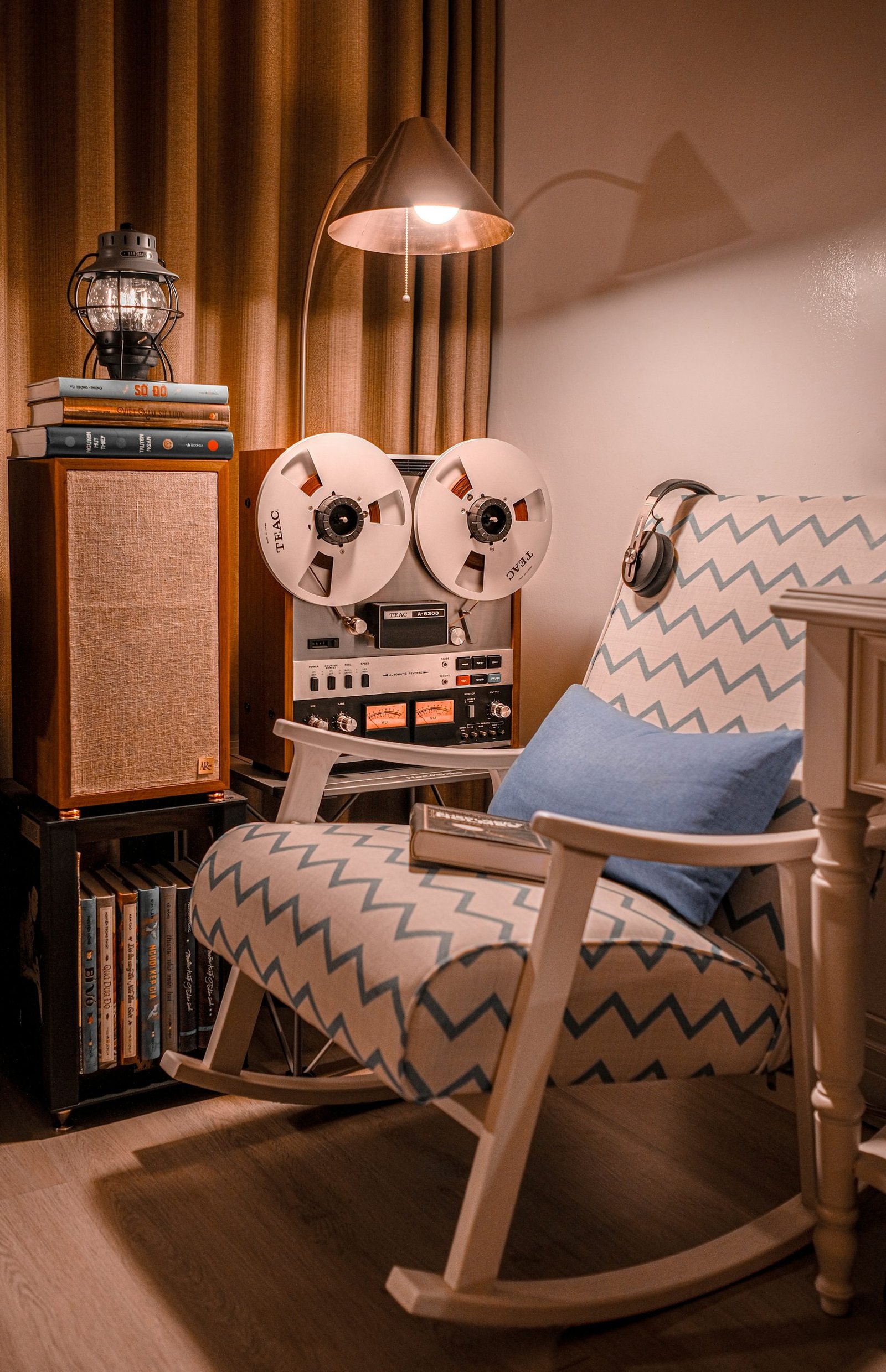
In practice, creating a cosy corner involves a deliberate approach to layout, materials, lighting, and personal touches. The most effective corners balance function and mood. They are often anchored by a single, comfortable seating option—such as a deep, cushioned chair or a small loveseat—and built up with layers of textiles like throws, cushions, and a soft rug. Materials play a central role: natural fibers like wool, chenille, cotton, and linen introduce warmth and softness, while wood, rattan, or bamboo adds organic texture. Lighting is crucial; a combination of ambient, task, and accent lighting can transform a corner from merely cozy to truly inviting at different times of day. Personal touches—books, plants, photographs, artwork, or mementos—confer authenticity and make the space feel inhabited rather than staged.
Though a single corner can be a simple addition to any room, the trend encourages mindful curating rather than maximalism. The goal is to create a sense of quiet and refuge without creating clutter or competing with the rest of the room. In smaller homes or apartments, a cosy corner can become a meaningful focal point that serves multiple functions: a reading nook by a sunlit window, a compact study spot, or a momentary retreat during a busy day. In larger spaces, it can act as a transitional zone that offers a pause between social areas and private spaces. The versatility of cosy corners makes them appealing across various architectural styles, from modern minimalism to traditional hygge-inspired interiors.
The rise of the cosy corner trend also reflects a broader design ethos that prioritizes lived-in comfort and personal storytelling. Rather than chasing perfect symmetry or pristine surfaces, many homeowners are embracing the idea that home should feel welcoming and restorative. This shift has led to a proliferation of corner-focused ideas, from simple seat-and-light arrangements to more elaborate setups with built-in seating, display shelves, and intimate lighting schemes. The trend is especially popular with people who spend significant time at home, who want flexible, low-effort ways to create daily rituals around reading, journaling, crafting, or listening to music.
In sum, the cosy corner trend is not a passing fad but a thoughtful response to how people live today. It recognizes the value of small, well-designed spaces that offer comfort, customization, and a touch of luxury within the everyday environment. By focusing on comfort, texture, light, and personal relevance, homeowners can transform any room into a softer, more inviting place to dwell.
In-Depth Analysis
The enduring appeal of cosy corners lies in their adaptability and how they respond to real-life routines. People need spaces that support concentration, relaxation, and social interaction in measured doses. A cosy corner can fulfill all three, depending on how it is configured and used. The tactile nature of textiles is central to the experience. A carefully chosen rug can define the space, while plush cushions invite touch and lounging. The layering of materials—soft upholstery, warm wood, metallic accents, and natural fibres—engages multiple senses, creating a multi-dimensional ambiance that is comforting rather than visually loud.
Layout strategies emphasize proximity and intention. The ideal cosy corner is typically positioned near natural light or a quiet wall, ensuring it does not disrupt traffic flow in a room. If space allows, a corner with a window frame offers a direct link to the outside world, brightening mornings and providing a view that can ease stress. For those working or studying, a compact desk or lap desk can turn a cosy corner into a productive zone without sacrificing comfort. Conversely, for relaxation-focused corners, a deep lounge chair, a small side table for tea or a book, and a soft throw may be all that is needed.
Lighting is a critical driver of the corner’s mood. Layered lighting—which combines ambient, task, and accent sources—allows the user to tailor the atmosphere for different times and activities. A floor or table lamp with adjustable brightness can transform the space from bright and focused to dim and intimate. Accent lighting, such as a wall sconce or small string lights, adds warmth and personality without overpowering the room. The choice of bulbs matters: warm white or soft amber tones tend to cultivate a cozy, inviting aura as opposed to harsh, cool light.
Textile choices dictate the tactile experience. The use of natural fibers such as wool, cotton, and linen not only adds comfort but also aligns with sustainable design principles. Layering textures—think a chunky knit throw over a velvet or wool cushion, paired with a woven rug—creates depth and visual interest. Colour palettes for cosy corners often lean toward earthy tones and muted hues that contribute to a restful vibe. However, seasonal updates are simple and cost-effective: swap in lighter textiles and brighter accents for summer, then revert to richer textures as days grow shorter and cooler.
Storage and organization are sometimes overlooked but essential components of a successful cosy corner. Because the space is intimate, it benefits from discreet storage that keeps surfaces clear. A small basket for magazines, a wall-mounted shelf for books, or a slim chest that doubles as a side table can maintain order without sacrificing comfort. The objective is to cultivate a space that feels curated and calm rather than cluttered and chaotic. This is particularly important in smaller rooms where every inch of floor and surface counts.

*圖片來源:Unsplash*
Personalization is the final, indispensable ingredient. A cosy corner should reflect the user’s tastes, interests, and routines. Display items that spark joy or provide utility—favorite novels, a musical instrument within reach, a potted plant that improves air quality, or photographs that evoke fond memories. The most successful corners are those that feel instantly usable: a nook you look forward to spending time in, not a decorative display that sits unused.
Another dimension of the trend is its accessibility. You do not need a dramatic architectural feature or a high budget to create a cosy corner. Start with a chair, a small side table, and a good lamp; add a throw and a couple of cushions, then evaluate how the space feels at different times of day. From there, you can gradually layer in additional elements that improve comfort and function. The key is incremental progress: small, thoughtful additions over time yield the most cohesive and enduring result.
Perspectives and Impact
As the cosy corner trend continues to shape interior design discourse, its impact extends beyond aesthetics. It informs how people think about daily rituals, personal well-being, and the use of limited space in modern homes. The concept aligns well with urban living realities, where many residents operate within compact footprints and require multifunctional areas that can be reconfigured for work, rest, or socializing. By promoting dedicated zones within larger rooms, cosy corners encourage intentional living—spaces that are defined by purpose rather than by generic, undifferentiated space.
Moreover, the trend intersects with sustainability and responsible consumption. Since cosy corners emphasize comfortable, durable textiles and timeless design rather than fast-fashion trends, they often encourage longer product lifecycles and fewer overall purchases. When thoughtfully chosen, the components of a cosy corner—such as a quality chair, a well-made rug, and a dependable light source—can endure changes in décor without becoming obsolete. This durability supports a slower, more mindful approach to interior design, which holds appeal for consumers who want to invest in spaces that endure.
The future of cosy corners will likely involve smarter integration with smart home technologies and modular furniture systems. For instance, subtle lighting that can be controlled via voice or app can enhance convenience while preserving the warm, intimate ambiance. Modular seating that can be reconfigured to accommodate one person or several may become a standard feature in mid-sized living rooms, bedrooms, and study alcoves. In addition, a growing emphasis on biophilic design—bringing nature indoors through plants and natural materials—will further enrich cosy corners by improving air quality and adding a sense of vitality and growth to the space.
As designers continue to study human behavior in domestic spaces, cosy corners may evolve to become not just aesthetic decisions but strategic tools for mental health and productivity. Quiet, well-lit, and comfortably furnished corners can provide predictable environments for focus or restorative breaks, which can have measurable positive effects on mood and performance. In a world where homes are often multifunctional, the ability to switch a single, intimate space between different modes—reading, working, relaxing—will be especially valuable. The trend thus holds promise for adaptive interiors that respect both our physical needs and our emotional well-being.
Key Takeaways
Main Points:
– Cosy corners are small, dedicated spaces within a room designed for comfort, focus, or relaxation.
– They rely on texture, warm lighting, and personal touches to create a welcoming atmosphere.
– Flexible layouts and mindful storage help maintain order and function in compact spaces.
– Personalization and sustainability contribute to longer-lasting, meaningful design.
Areas of Concern:
– Risk of clutter if corners accumulate too many items without purposeful organization.
– Budget considerations, as high-quality textiles and lighting can add up.
– Potential over-saturation in a room, which could overwhelm other design elements.
Summary and Recommendations
The cosy corner trend is more than a decorative impulse; it represents a practical approach to living well in varied spaces. By carving out intimate, multi-functional nooks within larger rooms, homes gain pockets of tranquility, productivity, and personal expression. The most successful cosy corners are defined by thoughtful layout choices, tactile materials, layered lighting, and a clear sense of purpose. They should reflect the user’s needs and routines while maintaining a calm, uncluttered aesthetic that can adapt over time.
To implement a cosy corner in your home, start with a clear goal: what function do you want it to serve? If reading is the priority, invest in a comfortable chair, warm lighting, and a small bookshelf or magazine rack. If you need a workspace, incorporate a compact desk, an ergonomic chair, and accessible storage for supplies. Then build outward with textiles and accessories that enhance comfort and personality without overpowering the space. Seasonal updates—like swapping in lighter fabrics for summer or richer textures for winter—can keep the corner feeling fresh and inviting without requiring a full redesign.
Remember that the essence of the cosy corner is intention. Every element should contribute to comfort, usability, and a sense of personal refuge. By approaching the corner as a daily ritual rather than a static display, you create a space that evolves with you and remains a beloved part of your home.
References
– Original: https://abeautifulspace.co.uk/7-reasons-the-cosy-corner-trend-is-everywhere-how-to-create-one/
– Additional readings on small-space design, textured interiors, and lighting strategies for intimate spaces
– Practical guides on selecting textiles and furniture for comfort-focused corners
Note: This rewritten article preserves the core insights about the cosy corner trend, expands on practical implementation, and provides a cohesive, informative piece suitable for readers seeking to understand and apply the concept in real homes.

*圖片來源:Unsplash*