TLDR
• Core Points: The cosy corner trend blends comfort, texture, and personal vignette styling to create intimate, inviting spaces that adapt to many rooms.
• Main Content: It offers practical guidance on crafting a warm nook using lighting, seating, textiles, color, and personal touches.
• Key Insights: This trend emphasizes scale, accessibility, and versatility, enabling comfort without sacrificing functionality.
• Considerations: Balance between coziness and clutter, budget planning, and ensuring the nook complements overall decor.
• Recommended Actions: Assess space, define function, gather tactile textiles, and layer lighting to build your own cosy corner.
Content Overview
The cosy corner concept has surged in popularity as a defining element of modern interior design. It centers on creating a small, self-contained area that invites rest, reading, reflection, or intimate conversation. The appeal lies in turning any corner of a home into a curated micro-space that feels warm, personal, and instantly relaxing. Designers and homeowners alike embrace cosy corners because they offer a flexible, low-commitment approach to update a room’s atmosphere without requiring a full redesign. This article explores seven core reasons the trend has spread across diverse spaces, outlines practical steps for assembling a cosy corner, and discusses how to tailor the setup to different needs and aesthetics. By understanding the essentials—lighting, seating, textiles, color, and personal touches—readers can implement a nook that elevates daily living while harmonizing with existing decor.
In-Depth Analysis
The rise of the cosy corner reflects broader shifts in how people experience and value home. In an era where rooms are increasingly multifunctional, a well-designed nook provides a dedicated retreat within the open-plan layout. The first reason for its ubiquity is accessibility. A cosy corner does not demand large square footage or major renovations. It can be created in a quiet alcove, an empty end of a sofa arrangement, or even a window seat. The result is a high-impact design win with relatively modest effort and cost. The second reason is the emphasis on tactile comfort. Textiles—soft throws, plush cushions, natural fiber rugs, and layered textures—invite touch and prolonged stays. The material diversity not only enhances warmth but also adds depth and visual interest, preventing the space from feeling flat.
A third driver is lighting, which shapes mood more than any single element. Layered lighting—ambient, task, and accent—transforms a simple seating area into a versatile retreat. A cosy corner benefits from a mix of warm ambient light, a nearby floor or table lamp for reading, and a few ambient accents such as candles or a small string of fairy lights. Lighting not only improves usability but also reinforces the sense of intimacy. The fourth rationale centers on personalization. Unlike a generic seating arrangement, a cosy corner thrives on curated objects—books, a plant, artworks, or a cherished memento—that reflect the inhabitant’s personality. This personalization elevates emotional resonance and makes the space feel lived-in rather than staged.
Functionality is the fifth consideration. A corner should serve a clear purpose, whether it’s reading, relaxing, working briefly, or nursing a cup of tea while watching the world go by. Items included should support that function without turning the area into a cluttered storage zone. The sixth reason is adaptability. The shift toward adaptable design means cosy corners can be rearranged as seasons change or as needs shift. Lightweight furniture, modular seating, and portable lighting enable easy reconfiguration, keeping the concept fresh while preserving comfort. Finally, sustainability and material honesty contribute to the trend’s appeal. Natural materials, responsibly sourced textiles, and a restrained color palette create a sense of calm and timelessness that persists beyond fashion cycles.
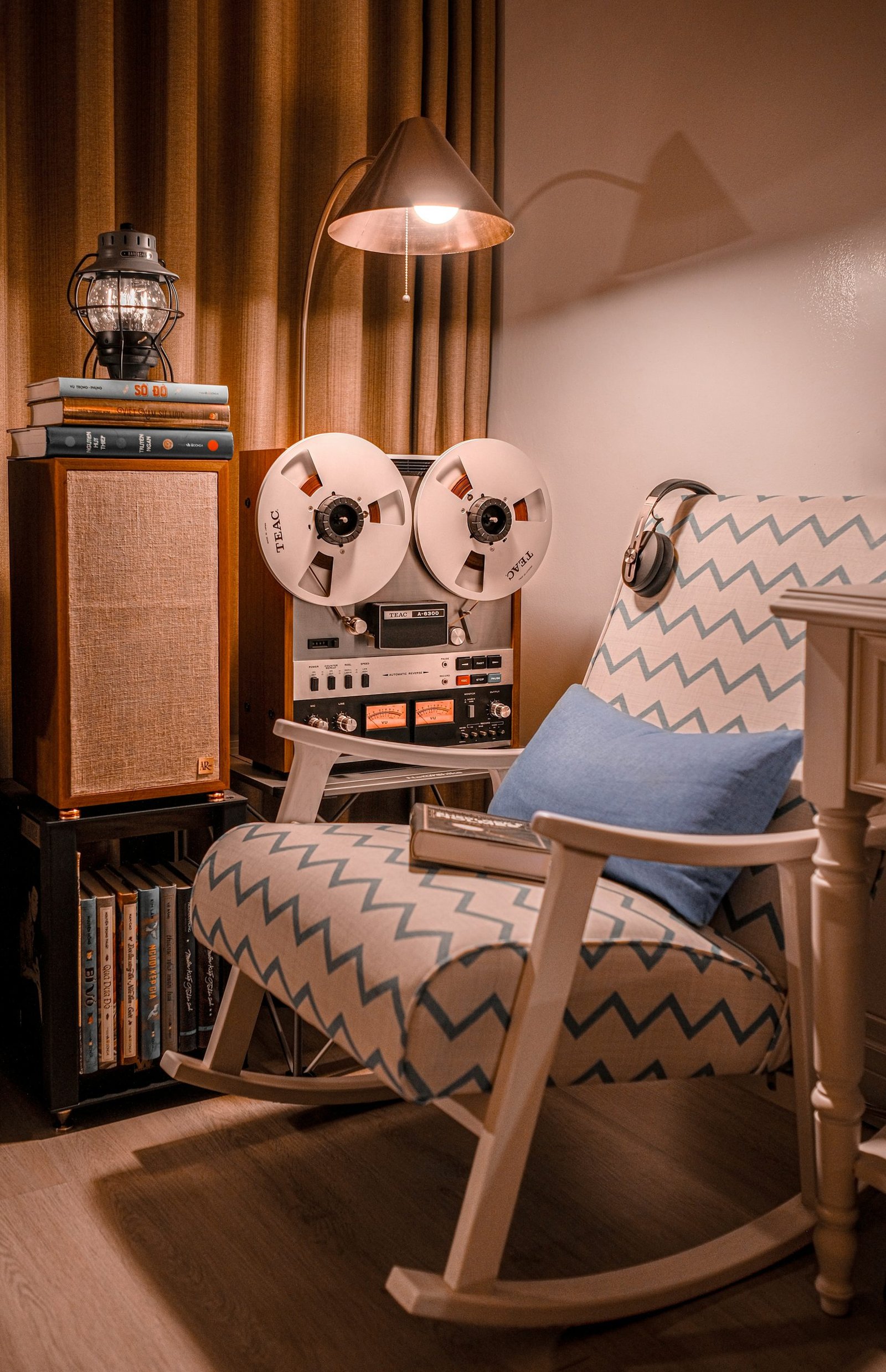
Practical steps to create a cosy corner begin with evaluating space. Identify a spot with adequate natural light if possible, or plan for lighting that can mimic daylight hours and enhance mood on darker days. Choose a comfortable seating option—an armchair, a small loveseat, or a compact bench—that fits the space and encourages lingering. Layer textiles deliberately: a chunky knit throw, a selection of cushions with varying textures, and a soft rug help define the boundary of the nook and add tactile richness. Color plays a vital role; warm neutrals, soft greens, or muted blues can establish a calming ambiance. Avoid a monochrome dead-end by introducing a subtle contrast through accessories or a single bold accent hue.
Personal touches anchor the space. A carefully chosen stack of favorite books, a plant with pleasing textures, a framed photograph or artwork, and a small tray with a cup or candle can make the corner feel instantly welcoming. Storage considerations are essential to prevent clutter from creeping in. A side table or a small basket can hold essentials, while keeping the space visually clean. Finally, incorporate flexibility. If the nook is near a window, consider a movable side table or a lightweight chair that can be relocated to accommodate different activities or guest arrangements.
The trend also translates well across types of spaces. A cosy corner can enliven a living room, a bedroom, a hallway, a home office, or even a compact apartment corner. In each setting, the core principles remain consistent: comfort, function, and a sense of personal sanctuary. What changes is scale and the specific elements chosen. For example, a bedroom nook might lean more toward a serene palette, a plush reading chair, and subdued lighting, while a living room corner might introduce a larger seating option and a more dynamic textile mix to anchor a broader seating arrangement.
Considerations for optimal results include avoiding over-accessorizing, which can make the space feel crowded. Some people worry about creating too many soft textures in a small area; the solution is proportion and balance. Curate a handful of meaningful items and consider the overall rhythm of the room so that the nook complements rather than competes with adjacent spaces. Budget-conscious designers can achieve a compelling result with second-hand finds or upcycled pieces, as long as the wear and tear are thoughtfully integrated into the design. Finally, consider accessibility and ergonomics. The seating should be comfortable for extended use, the lighting should be adjustable for different activities, and the height and scale of tables and storage should suit the user’s needs.

*圖片來源:Unsplash*
In addition to aesthetics, the cosy corner can positively influence mood and well-being. Creating a dedicated space for rest and contemplation supports mental health by offering a brief escape from daily stresses. This is especially meaningful in homes where work-life balance is a constant negotiation. A well-conceived nook can also function as a quiet zone for reading, journaling, or practicing mindfulness. When approached with intention, the corner becomes more than a decorative flourish; it becomes a small, reliable tool for mental reset and comfort.
The fashion-forward appeal of the cosy corner lies in its timeless, flexible nature. It is not tied to a single style or trend; instead, it invites experimentation with different textiles, colors, and forms. The result is a space that remains relevant as tastes evolve. For designers and homeowners alike, the trend offers a structured method to infuse character into a room through a singular, focused area rather than a full-scale makeover. While not every space may accommodate a designated nook, the principles can still inform how to inject sacral, cozy moments into everyday living. The key is to balance function, form, and personal resonance.
Future implications of the cosy corner trend point toward more hybrid spaces, where multifunctionality and emotional comfort take precedence over rigid design rules. As cities become denser and housing smaller, the demand for intimate, low-footprint zones will likely rise. The ongoing conversation about sustainability also encourages more intentional material choices and a preference for durable, well-made pieces that age gracefully. In education and hospitality, the concept could influence how spaces are designed to feel welcoming and intimate, even in shared or public environments.
Key Takeaways
Main Points:
– The cosy corner is a small, self-contained space designed for comfort, reading, or reflection, adaptable to many rooms.
– Layered lighting, tactile textiles, and personal touches are essential to its effectiveness.
– Personalization and flexibility enable the nook to adapt to changing needs and styles.
Areas of Concern:
– Risk of clutter or overwhelming textures if not carefully curated.
– Balancing comfort with practicality to avoid sacrificing function.
– Budget management to achieve quality without excess.
Summary and Recommendations
If you want to bring the cosy corner into your home, start with a clear purpose for the space. Identify a nook that can accommodate comfortable seating and ensure it has access to or plans for suitable lighting. Prioritize textiles that invite touch and warmth, choosing a cohesive color palette that aligns with the surrounding room. Layer elements with intention: a main seating piece, supportive cushions, a throw, a rug, and a few personal items that tell your story. Add a small table or shelf for essentials, but resist the urge to over-accessorize. Plan for flexibility with lightweight, movable pieces so the corner can evolve with your needs or seasons. By focusing on comfort, simplicity, and personal meaning, you can create a cosy corner that feels welcoming, timeless, and genuinely yours.
In time, a well-executed cosy corner becomes more than a decorative feature—it becomes a reliable space for rest, creativity, and connection. Its strength lies in its ability to adapt to different rooms and lifestyles while maintaining a sense of warmth and sanctuary. If you embrace its core principles and tailor them to your space, you can enjoy a nook that remains stylish, functional, and emotionally resonant long after the latest design fads have faded.
References
– Original: https://abeautifulspace.co.uk/7-reasons-the-cosy-corner-trend-is-everywhere-how-to-create-one/
– Additional readings on interior design trends, multifunctional spaces, and cozy decor concepts.

*圖片來源:Unsplash*