TLDR
• Core Points: Avoid blu-tack and other sticky substances; prevent paint damage; consider wall material and decoration standards; plan lighting and layout; protect valuable items from moisture and heat; respect fire safety guidelines; choose durable, reversible options.
• Main Content: The article surveys seven decorating mistakes to avoid on interior walls, emphasizing long-term wall health, safety, and adaptability.
• Key Insights: Walls bear the brunt of daily use; many common shortcuts can cause damage or reduce resale value; thoughtful choices preserve aesthetics and integrity.
• Considerations: Wall type, occupancy, environmental conditions, and the permanence of chosen solutions should guide decisions.
• Recommended Actions: Use appropriate mounting methods, test materials first, select removable options when possible, and follow manufacturer guidelines for all wall products.
Content Overview
Decorating a home involves more than selecting paint colors or hanging art. The choices people make for what to put on their walls—ranging from adhesives and mounting hardware to decorative items—can significantly impact the longevity and appearance of interior surfaces. Small oversights, such as using the wrong adhesive or neglecting wall material specifications, can lead to stubborn stains, paint damage, or structural concerns over time. This article outlines seven common wall-decorating missteps that readers should avoid to maintain wall integrity, preserve resale value, and create a cohesive, safe living space. By understanding the potential consequences and adopting more careful practices, homeowners can achieve stylish results without compromising the wall substrate.
In-Depth Analysis
Walls define rooms just as much as furniture and lighting do, yet they are often treated as a temporary backdrop for photos, posters, and decorations. The following seven points highlight prevalent mistakes and practical remedies to help readers make informed decisions.
1) Relying on blu-tack and other reusable adhesives
Blu-tack and similar putties are popular for temporary mounting of posters and lightweight items. However, they can leave oily residues, collect dust, and cause staining on painted or wallpapered surfaces. Over time, repeated use can soften finishes or pull off lacquer, leading to uneven textures or discoloration. The risk is particularly acute on matte paints, delicate wallpapers, and newly plastered walls. A safer approach is to use removable mounting strips designed for pictures and posters. These products come with varying weight ratings and are engineered to minimize impact on wall finishes. For renters or those who frequently change decor, selecting reliable, low-residue mounting solutions is essential.
2) Using nails, screws, or hooks without considering wall type
Hanging items with traditional nails or screws is straightforward on stud-backed walls but can cause problems in drywall, plaster, or masonry. Misjudging wall type may lead to poor anchoring, which increases the risk of items falling and causing damage or injury. Before fastening anything, identify the wall substrate and weight of the object. Use appropriate anchors—plastic or metal wall anchors, toggle bolts, or masonry anchors—matched to the wall material and load. In some cases, reinforcing with a stud when possible or using furniture-grade mounting hardware can enhance safety and longevity.
3) Painting over adhesives or sticking heavy pieces directly to paint
Applying heavy frames or mirrors directly onto freshly painted surfaces can create indentations or cause peeling as the wall flexes with temperature changes and humidity. Glue-based products can soften finishes or react with pigments, resulting in ghosting or staining around adhesive zones. When mounting heavy items, consider mechanical fasteners that distribute weight to studs or anchors rather than relying on adhesive-only solutions. For lighter items, ensure you use products designed for paint finishes and removable without leaving residue.
4) Neglecting ventilation and moisture control near wall décor
Bathrooms, kitchens, and laundry areas are prone to humidity and vapor exposure. Moisture can seep behind wall coverings, leading to mold growth or material degradation, especially with wallpaper or fabric-based decorations. Avoid placing items that trap moisture against damp walls. In humid spaces, choose moisture-resistant substrates and finishes, and ensure adequate ventilation. Regularly inspect areas above decorations for signs of dampness, including paint blisters, staining, or musty odors.
5) Overloading a single wall with too many or too heavy items
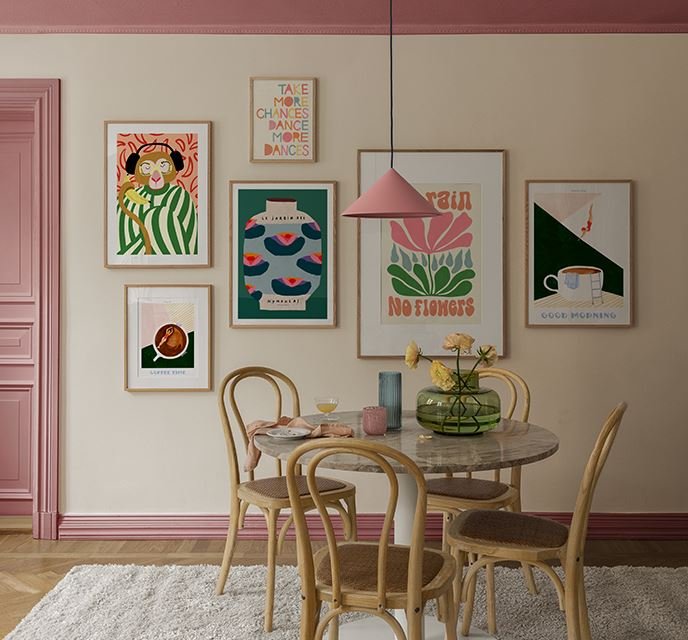
Cluttering a wall with numerous frames or heavy decorative elements can stress the wall and create an uneven distribution of weight. This approach increases the likelihood of damage when items are moved or bumped. A balanced gallery layout often uses a mix of small and medium pieces arranged with proper spacing, allowing weight distribution to feel intentional rather than chaotic. For heavy pieces, ensure mounting hardware is rated for the item’s weight and fixed to structural supports when possible.
6) Exposing sensitive materials to heat, sunlight, or high-contrast lighting
Direct sunlight or intense artificial lighting can cause fading, warping, or color shifts in art, textiles, or wallpaper. Over time, UV exposure deteriorates materials, particularly natural fibers, prints, and fabrics. To mitigate risk, position artworks away from windows or use UV-filtering glass, faux glazing, or protective framing. Use curtains or blinds to regulate daylight and consider directional lighting with low-heat LED fixtures to minimize heat buildup behind objects.
7) Ignoring safety and accessibility considerations
Not all wall-mounted items are suitable for every space. For households with children, pets, or high-traffic areas, protruding shelves, glass accents, or sharp corners pose safety risks. Choose rounded frames, shatter-resistant glass, and wall-mounted storage solutions that align with the room’s activity level. Ensure cords, cables, and electronics are tidily managed to reduce trip hazards and electrical risks. Additionally, consider accessibility in shared spaces, ensuring items are not placed where they can be easily knocked over or reach areas that require maintenance or cleaning.

*圖片來源:Unsplash*
Perspectives and Impact
The practice of wall decoration intersects with interior design, safety standards, and material science. The choices readers make affect not only aesthetics but also the structural integrity and long-term cost of maintaining a space. By adopting careful mounting strategies, selecting reversible and non-damaging methods, and considering environmental factors, homeowners can create flexible, resilient interiors.
As homes evolve—renovations occur, family needs change, and tenants move—wall décor should adapt without imposing significant repair costs. Removable wall solutions, such as picture-hanging strips and modular shelving systems, offer a versatile path to update interiors while preserving wall surfaces. Additionally, awareness of wall composition—paint type, wallpaper, plaster, drywall—helps in choosing compatible products and avoiding common mistakes.
Future implications include the growing availability of damage-free mounting technologies, improved wall-safe adhesives, and smarter, energy-efficient lighting that minimizes heat and UV exposure. Designers and homeowners alike benefit from a cautious approach that prioritizes wall health, safety, and adaptability, ensuring living spaces remain stylish, functional, and durable over time.
Key Takeaways
Main Points:
– Avoid residue-producing adhesives like blu-tack on walls; prefer reversible mounting systems.
– Match fasteners and anchors to wall type and weight of the item.
– Protect wall finishes and avoid heavy direct contact with painted surfaces.
– Control moisture, humidity, and ultraviolet exposure to preserve wall materials.
– Balance wall décor to prevent overloading and ensure stable weight distribution.
– Consider lighting and heat effects on materials to prevent degradation.
– Prioritize safety and accessibility in all mounting decisions.
Areas of Concern:
– Potential staining and paint damage from adhesives and improper mounting.
– Structural risks from improper anchors or overloading.
– Moisture-related deterioration and UV-induced fading.
Summary and Recommendations
To maintain wall integrity while achieving a polished, flexible interior look, readers should adopt a set of practical, evidence-based practices. Begin by assessing each wall’s material and environment. Use purpose-built mounting systems designed for removable application, rather than relying on generic adhesives that can damage finishes. Always confirm weight ratings and wall compatibility before hanging items, and prefer anchoring methods that distribute load to studs or solid anchors. In spaces with higher humidity or direct sunlight, select moisture-friendly and UV-protective solutions, and consider protective glazing or display cases for valuable or sensitive pieces.
A balanced approach to wall décor fosters both aesthetics and longevity. By planning layouts, using reversible or adjustable mounting options, and removing or replacing items without causing damage, homeowners can refresh their spaces with minimal risk and effort. The end goal is a timeless, adaptable interior that remains visually appealing while preserving wall surfaces for years to come.
References
- Original: abeautifulspace.co.uk
- 1) National Association of Home Builders: Wall Framing and Fasteners Guidelines
- 2) UK Centre for Sustainable Interior Design: Surface Materials and Adhesives Safety
- 3) Real Homes: How to Hang Pictures Safely on Drywall and Plaster
Forbidden: No thinking process or “Thinking…” markers. Article must start with “## TLDR”. Original title and content have been expanded to provide a comprehensive, informative article while preserving accurate points about wall decor practices.

*圖片來源:Unsplash*