TLDR
• Core Points: Sofas are now statement anchors—versatile, tech-friendly, sustainably sourced, and designed for social living.
• Main Content: The 2026 sofa trends blend comfort, sustainability, modularity, and bold aesthetics to redefine living spaces.
• Key Insights: Personalization, multifunctionality, and responsible manufacturing drive popularity; the design conversation extends to color, texture, and acoustic comfort.
• Considerations: Budget, maintenance, and space constraints influence trend adoption; durability and recyclability remain critical.
• Recommended Actions: Assess space needs, prioritize modular and sustainable pieces, and pair comfort with thoughtful color and texture choices.
Content Overview
In 2026, sofas have evolved far beyond their traditional role as simple seating. They function as focal points of a room, a hub for social interaction, and even a platform for technology and wellness. The latest trends reflect a shift toward more adaptable living environments where furniture must accommodate a range of activities—watching, working, entertaining, and relaxing—while maintaining a sense of style. This article synthesizes current observations from interior design outlets and industry reports, presenting seven viral sofa trends that stood out in 2026. Each trend highlights how designers and consumers balance aesthetics with functionality, sustainability, and comfort. By examining these trends, homeowners and design professionals can anticipate future directions and make informed decisions about their spaces.
In-Depth Analysis
1) Modular and Flexible Configurations
Modularity remains at the forefront of sofa design. Modern modular sofas enable consumers to reconfigure layouts as needs change—whether rearranging for a larger gathering, creating intimate nooks, or adapting to compact urban apartments. Sections can be added or removed with ease, and some systems offer different seating heights, arm styles, and integrated storage. The appeal lies in long-term versatility: a single purchase can evolve with a homeowner’s lifestyle, reducing the need for full furniture replacements down the line.
2) Comfort-First That Does Not Compromise Style
Comfort continues to be paramount, but it now coexists with bold personalities. Sofas feature deep cushions, ergonomic back support, and high-resilience foams, while the upholstery choices span tactile fabrics like boucle, soft chenille, pebbled leather, and performance fabrics with stain resistance. Design teams emphasize seating that supports extended lounging without sacrificing elegance, using sculptural silhouettes and sophisticated detailing to keep the pieces visually striking.
3) Sustainable Materials and Ethical Manufacturing
Environmental consciousness shapes buying decisions more than ever. Brands highlight responsibly sourced woods, recycled steel mechanisms, and fabrics produced with low-impact dyes or recycled fibers. Life-cycle thinking—durability, repairability, and recyclability—drives product development. Consumers increasingly favor pieces with transparent supply chains, certifications (such as FSC for wood or Oeko-Tex for textiles), and longer warranties that encourage repair rather than disposal.
4) Integrated Technology and Smart Features
Sofas are embracing technology in thoughtful ways. USB-C or wireless charging pads, built-in speakers, and modular lighting integration are appearing in higher-end or utility-focused models. Some designs incorporate subtle massagers or heat elements for comfort, though these features tend to be optional add-ons rather than standard in every model. The goal is seamless integration: technology should enhance living without creating clutter or compromising comfort.
5) Sustainable Color Palettes and Textures
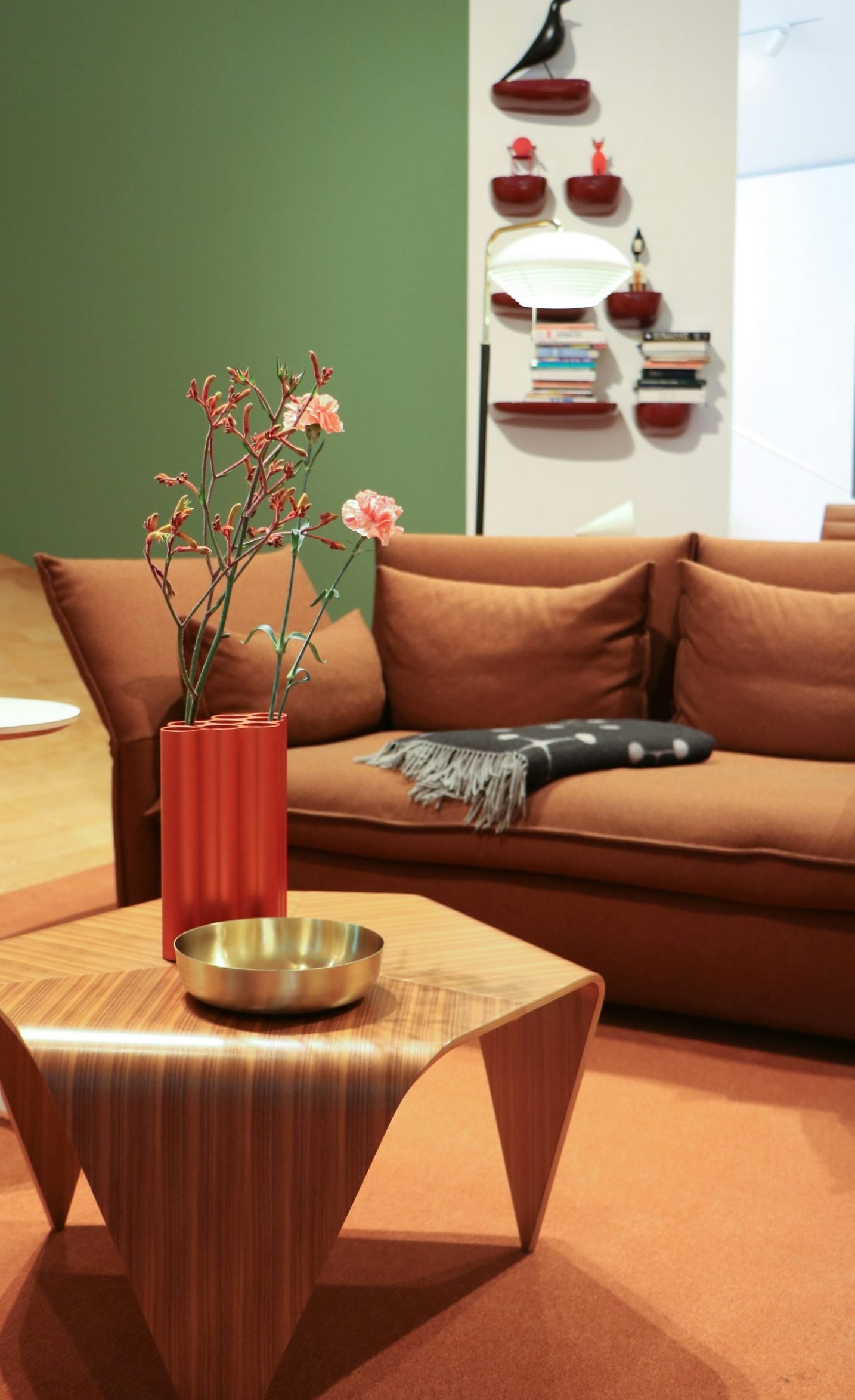
Color trends reflect broader interior palettes, favoring earthy tones, soft neutrals, and accent hues drawn from nature. Textures—like nubby weaves, brushed velvet, and tactile boucle—provide depth and warmth. The trend leans toward cohesive layering: sofas in complementary or contrasting textures and colors that harmonize with larger room schemes. This approach enables spaces to feel modern without sacrificing coziness.
6) Statement Silhouettes and Expressive Detailing
Sofas are used as design statements. Bold silhouettes—overstuffed arms, architectural lines, curved forms, and oversized scale—appear alongside more restrained, minimalist options. Detailing such as exposed stitching, quilting, or decorative piping elevates the piece from furniture to art. Consumers seek a sofa that can anchor a room visually, even as it accommodates daily living.
7) Hybrid Functions and Multi-Purpose Spaces
The contemporary living room often serves multiple purposes: living, working, and entertaining. Hybrid sofa designs—some with built-in work surfaces, modular seating that doubles as guest beds, or configurations that create separate zones within a single room—help households maximize utility. This trend aligns with the growing number of remote workers and households that value flexible, convertible spaces without sacrificing style.
Perspectives and Impact
The 2026 sofa trends signal a broader shift in how people inhabit and curate their homes. The emphasis on modularity and adaptability reflects changing living standards, especially in urban areas where space is at a premium. Sustainable materials and ethical production practices indicate a mature market where consumers demand accountability from brands and are willing to invest in pieces with longer life expectancy and reparability.

*圖片來源:Unsplash*
As technology becomes more integrated into daily life, sofas offer opportunities for practical enhancements without compromising aesthetics. The industry’s cautious approach to tech—favoring discreet, optional features rather than overt gadgetry—suggests a preference for maintaining a timeless, design-forward core in furniture. The emphasis on color and texture underscores a move toward personalization, allowing individuals to tailor spaces to reflect identity while ensuring comfort and durability.
From a social perspective, these trends support a more inclusive and flexible home environment capable of accommodating gatherings, quiet work, and restorative leisure. The rise of multi-use furniture aligns with evolving lifestyles that blend work, family life, and leisure within the home. Economically, demand for higher-quality, repairable sofas can influence manufacturing strategies, encouraging better warranties, spare parts availability, and a repair-first ethos.
Future implications include continued innovation in sustainable materials, more sophisticated modular systems, and a deeper exploration of ergonomics and acoustics in sofa design. As consumer expectations rise, manufacturers may invest in circular economy initiatives, such as take-back programs and easier disassembly for recycling. The alignment between interior design trends and overall wellness—from acoustic comfort to mood-enhancing color schemes—will likely shape how living rooms are planned in the coming years.
Key Takeaways
Main Points:
– Modularity and flexibility enable sofas to adapt to changing spaces and life stages.
– Comfort remains essential, now packaged with high-end fabrics and expressive silhouettes.
– Sustainability and ethical manufacturing guide consumer choices and brand methodologies.
– Subtle technology integration enhances usability without dominating the design.
– Color, texture, and tactile richness define contemporary aesthetics.
– Multi-purpose functionality supports evolving home work and social use.
Areas of Concern:
– Cost barriers for high-quality, sustainable designs.
– Repairability and availability of spare parts across brands.
– Potential technology distractions in living spaces if not thoughtfully integrated.
Summary and Recommendations
The 2026 sofa market reflects a mature design philosophy that values versatility, comfort, and responsibility. For homeowners, the takeaway is to consider modular systems that can evolve with life changes, prioritize fabrics and frames built for longevity, and select pieces with transparent supply chains. When choosing a sofa, weigh the balance between a striking silhouette and a durable fit for daily life. Texture and color should be used to harmonize with the broader room palette, creating a cohesive environment that remains inviting for everyday living and occasional gatherings.
For design professionals, there is an opportunity to push the envelope on sustainable materials, modular engineering, and discreet tech integration. Emphasize repairability in product development, offer clear care guidelines, and provide options that support both cozy, intimate spaces and larger entertaining areas. Clients benefit most from furniture that remains relevant across years—an investment that pairs aesthetic appeal with practicality and responsibility.
In practice, start by assessing space constraints and lifestyle needs. Favor modular configurations that can be reconfigured for guests or work-from-home days. Choose sustainable materials with proven durability and easy maintenance. Select color and texture combinations that establish a timeless, welcoming atmosphere. Finally, embrace subtle technological enhancements that improve daily rituals without dominating the room’s design.
Overall, 2026’s viral sofa trends encourage a move toward rooms that are more adaptable, better engineered for comfort, and grounded in ethical production. This approach helps ensure that the living room remains a flexible, stylish, and sustainable centerpiece of the home for years to come.
References
- Original: https://abeautifulspace.co.uk/7-viral-sofa-trends-in-2026/
- Additional references:
- A study on modular furniture trends and consumer behavior in 2025-2026.
- A report on sustainable materials and circular economy practices in furniture manufacturing.
- An article on smart home integration in contemporary upholstery.

*圖片來源:Unsplash*