TLDR
• Core Points: Sofas in 2026 fuse comfort, sustainability, and bold statements, with modular designs, artisanal textiles, and tech-integrated features leading the way.
• Main Content: The year’s sofa trends emphasize adaptability, eco-conscious materials, and curator-style aesthetics that blend function with fashion.
• Key Insights: Personalization and responsible sourcing drive consumer choices; durability and easy care remain critical.
• Considerations: Production impact, maintenance requirements, and compatibility with diverse living spaces must be weighed.
• Recommended Actions: Prioritize modular layouts, invest in durable fabrics and finishes, and explore tech-enabled comfort options for future-ready living rooms.
Content Overview
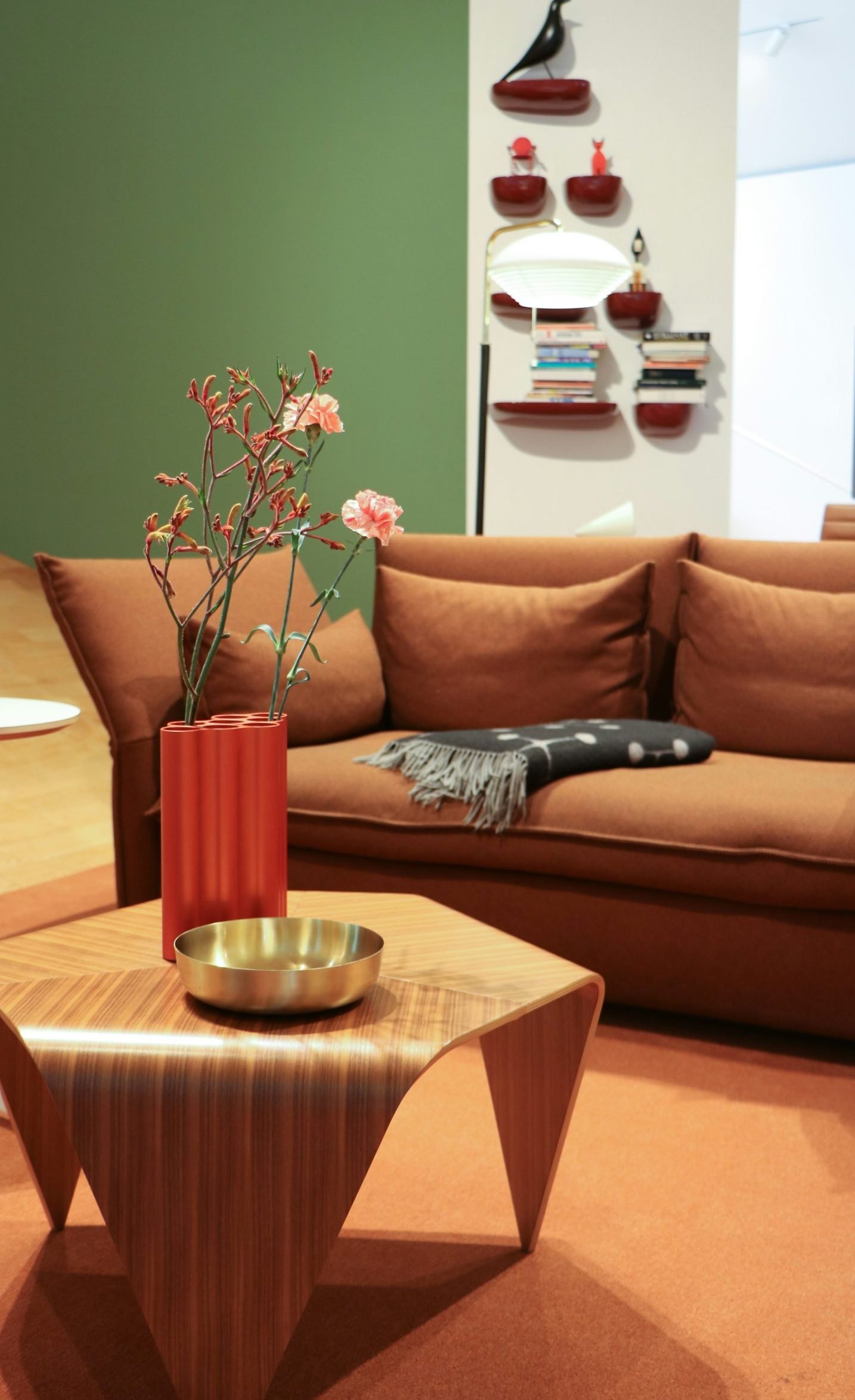
The year 2026 marks a pivotal moment for sofas, transitioning from purely functional furniture to dynamic anchors of interior design. The modern living room increasingly reflects a balance between practicality and personality, where a sofa can define the room’s mood, function, and longevity. As consumers seek spaces that can adapt to shifting lifestyles—work-from-home setups, hosting needs, tiny apartments, or expansive lounges—the demand for versatile, aesthetically striking, and responsibly produced sofas rises. This article synthesizes seven viral trends shaping sofa design and consumer behavior in 2026, drawing on design showcases, market reports, and expert commentary from interior design platforms and industry publishers.
Sofas this year are characterized by modular configurations that can be rearranged to fit different rooms and occasions, elevated materials that emphasize both texture and sustainability, and a growing integration of technology to enhance comfort and convenience. Brands are experimenting with pioneering upholstery, eco-friendly fillings, and artisanal craftsmanship, while consumers increasingly favor pieces that offer long-term value, effortless maintenance, and a sense of story. Against this backdrop, the sofa remains a focal point for expression—an anchor for everyday living, social gatherings, and personal retreat.
In the broader context, these trends align with evolving home-buying patterns, evolving urban housing constraints, and a heightened awareness of environmental impact. The 2026 sofa landscape reflects a combination of minimal waste production, timeless silhouettes with contemporary twists, and customizable options that empower buyers to tailor furniture to their unique spaces. The following sections explore the seven viral trends in depth, followed by practical recommendations for consumers, designers, and retailers.
In-Depth Analysis
1) Modular Mastery: Reconfigurable Sofas that Grow with Your Space
Modular sofa systems continue to dominate contemporary living rooms. Consumers favor pieces that can morph from intimate two-seat setups to expansive lounge configurations without sacrificing design coherence. Modules with interchangeable arms, ottomans, and chaise sections enable homes to adapt to seasonal hosting, family expansion, or changes in room layout. The appeal lies not only in flexibility but in the ability to personalize proportion, scale, and seating depth. For renters and homeowners alike, modular designs also offer easier room reconfiguration during renovations or relocation. Materials are increasingly chosen for durability under frequent reassembly, with reinforced frames and high-tolerance upholstery.
2) Statement Silhouettes: Bold Shapes Bring Drama to Everyday Living
Overstuffed curves, architectural lines, and sculptural profiles give sofas an instant focal point. The trend blends comfort with drama, allowing a single piece to anchor an entire room’s design narrative. Popular silhouettes include rounded corners that soften a space, as well as geometric, angular frames that convey modern sophistication. Fabric choices span tactile textures—from bouclé to tweed and velvet—each delivering a distinct mood. The key for 2026 is balance: a bold form should harmonize with surrounding furniture and architectural details to avoid overwhelming the space.
3) Sustainable Luxury: Responsible Materials and Ethical Production
Environmental responsibility remains central to buying decisions. Consumers increasingly scrutinize the lifecycle of a sofa—from the sourcing of raw materials to manufacturing processes and end-of-life recyclability. Reclaimed woods, FSC-certified hardwoods, natural latex foams, and plant-based or recycled fibers are gaining traction. Dyes with low environmental impact, reduced water usage, and non-toxic finishes contribute to healthier indoor air quality. Brands are communicating transparent supply chains and offering repair services, spare-part availability, and take-back programs to extend product lifespans.
4) Textural Richness: Layered Fabrics and Sensory Surfaces
Texture is a powerful design tool in 2026. Bouclé, chenille, sherpa, and woven textures create inviting tactile experiences that elevate a sofa beyond a mere seating surface. The trend stresses contrasts—soft upholstery paired with contrasting piping, legs, or metal accents—to add depth. In addition to fabric texture, developers emphasize thread counts, weave patterns, and performance fabrics that resist staining and wear. Color is used judiciously, with earthy neutrals and rich jewel tones offering flexibility to mix with various palettes.
5) Tech-Integrated Comfort: Subtle Automation for Everyday Ease
Smart features are moving beyond gadgetry to practical enhancements that improve daily living. Integrated wireless charging surfaces, USB-C hubs, hidden speakers, and sensor-based cushions that adjust firmness or temperature are becoming more common, especially in premium lines. This technology is typically integrated discretely to maintain aesthetics while delivering added comfort. The emphasis remains on seamless experiences rather than conspicuous tech, ensuring that the sofa still reads as a design object rather than a gadget display.
6) Sustainable Upholstery: Performance Fabrics for Real Life
Performance fabrics that resist staining, fading, and pilling while maintaining softness are in high demand. Fabrics designed for busy households—children, pets, and frequent entertaining—offer longevity without sacrificing feel. Microfiber, synthetic blends, and treated natural fibers balance resilience with a luxurious touch. Many brands now provide extensive fabric swatch libraries, so buyers can evaluate how a material performs under real-world conditions before committing to a purchase.
7) Craft and Customization: Artisan Details Meet Mass-Produced Accessibility
Buyers seek furniture with provenance. The integration of artisanal details—hand-stitched seams, exposed welting, wood inlays, and bespoke finishes—gives sofas a sense of craftsmanship. At the same time, scalable production methods and customization options make these designer elements accessible at more approachable price points. This trend reflects a broader consumer desire to own pieces with a story and a degree of uniqueness, without sacrificing the benefits of standard manufacturing and warranty support.
Cross-cutting themes
– Versatility and longevity: Consumers look for pieces that adapt to evolving life stages, spaces, and tastes, prioritizing durability and timeless design over fast fashion.
– Minimal maintenance: Easy-care fabrics and finishes reduce the time and effort required to keep a sofa looking good, which is especially important for high-traffic living areas.
– Sourcing transparency: Clear information about materials, supply chains, and sustainability methods builds trust and supports informed purchasing decisions.
– Space optimization: In smaller homes, compact or multi-functional designs that maximize seating without overwhelming the room are particularly valuable.

*圖片來源:Unsplash*
Perspectives and Impact
The 2026 sofa landscape reflects broader shifts in interior design and consumer behavior. As homes become more personalized environments, the sofa serves as both a practical seating solution and a canvas for personal expression. The modular trend aligns with growing trends in flexible living—where rooms morph from workspaces to entertainment zones with little friction. This adaptability is especially relevant in urban areas where living spaces are frequently reconfigured to accommodate guests, telework, and leisure.
Sustainable practices are not merely a passing fad but a defining criterion for many buyers. The emphasis on responsibly sourced materials and repairability signals a market that values durability and ethical production. This trend is likely to drive continued innovations in fiber blends, wool and natural fiber certifications, and circular economy models such as take-back programs and component recycling.
Technology’s role, while growing, remains subtle. The aim is to enhance comfort and convenience without detracting from the sofa’s aesthetic integrity. As home ecosystems expand with smart devices, designers are exploring ways to integrate technology that complements interior design rather than competes with it. The result is a more intuitive user experience where the sofa contributes to a cohesive, smart living environment.
Craftsmanship remains central to perceived value. The rise of artisan detailing within mass-produced lines demonstrates that consumers appreciate unique touches and a sense of heritage. Manufacturers are responding with hybrid production methods that maintain economies of scale while offering customization options and visible handmade elements.
From a market perspective, retailers that emphasize transparency, durable materials, and after-sales support stand to gain. Education about fabric performance, care, and warranty coverage can help consumers make confident long-term decisions. The ongoing emphasis on value—where a sofa is a long-term investment rather than a disposable purchase—may influence pricing strategies and after-sales services.
Looking forward, the 2026 trends suggest a continuous evolution toward flexible, sustainable, and aesthetically compelling seating solutions. As designers refine modular systems and textiles, and as consumers demand more responsible production practices, the sofa will likely assume an even more central role in shaping how we live, work, and entertain at home.
Key Takeaways
Main Points:
– Modular systems enable adaptable, scalable seating configurations.
– Bold silhouettes provide focal points while maintaining balance with room design.
– Sustainability and transparent sourcing influence consumer trust and purchasing decisions.
Areas of Concern:
– Environmental impact across the entire lifecycle of a sofa, including end-of-life disposal.
– The potential for higher upfront costs associated with premium materials and customization.
– Maintenance requirements for performance fabrics and complex modular setups.
Summary and Recommendations
For consumers seeking a 2026 sofa, the guiding principles are adaptability, durability, and responsibility. Start with modular designs that can reconfigure as needs shift, ensuring the pieces fit comfortably within your space both physically and aesthetically. Prioritize materials with proven durability and low environmental impact—natural fibers, recycled content, and finishes with verified certifications. Consider performance fabrics that withstand daily wear, spills, and pet or child activity, and evaluate the ease of cleaning and repair options.
In terms of style, look for bold silhouettes that complement your space without overpowering it. Balance dramatic shapes with subtler surrounding elements, such as neutral walls or restrained lighting, to create a cohesive room. If you value craftmanship, seek out sofas that showcase artisanal details, but ensure these elements are integrated in a scalable, cost-effective manner.
Technology should enhance comfort in a discreet way. Evaluate features that offer genuine convenience—wireless charging, integrated lighting, or flexible seating options—without turning the sofa into a gadget showcase. Finally, prioritize brands that provide transparent supply chains, repair services, and take-back programs, aligning your purchase with a long-term, sustainable mindset.
To maximize value, compare warranties, after-sales support, and available customization options. A well-chosen sofa in 2026 can serve as a durable, stylish centerpiece that adapts to changing lifestyles, supports sustainable practices, and remains relevant for years to come.
References
- Original: https://abeautifulspace.co.uk/7-viral-sofa-trends-in-2026/
- Additional references (suggested):
- A guide to modular sofas and living room planning from a major interior design publication.
- A report on sustainable upholstery materials and lifecycle thinking in furniture.
- Industry insights on performance fabrics and consumer preferences in 2026.

*圖片來源:Unsplash*