TLDR
• Core Points: In 2026, sofas are shaping rooms as centerpiece anchors blending comfort, sustainability, and bold aesthetics.
• Main Content: The top 7 viral sofa trends fuse multifunctional design, eco-conscious materials, modular flexibility, and statement silhouettes, redefining living spaces.
• Key Insights: Personalization, responsible production, and technology-infused comfort drive mainstream adoption of new sofa archetypes.
• Considerations: Balance trend-driven choices with durability, cleaning practicality, and room proportions.
• Recommended Actions: Assess space, prioritize modular configurations, and select materials and colors with longevity and care in mind.
Content Overview
As interior design evolves in 2026, sofas have moved beyond mere seating to become design anchors within living spaces. This shift reflects a broader trend toward furniture that blends form and function, while also addressing sustainability, versatility, and technology integration. The following seven trends have gained viral traction, appearing in design editorials, influencer feeds, and showroom conversations alike. They collectively signal a consumer preference for pieces that can adapt to different activities, seasons, and aesthetics without compromising comfort or environmental responsibility.
First, the rise of modular sofas continues to redefine how rooms are used. Users are no longer limited by fixed configurations; instead, they mix and match sections to accommodate family life, entertainment setups, or quiet reading corners. Second, durability and sustainable materials are non-negotiables. Reclaimed and recycled fabrics, natural fibers, and responsible sourcing are common criteria, with longevity and easy maintenance weighing heavily in purchasing decisions. Third, bold silhouettes—oversized cushions, rounded arms, and sculptural profiles—offer visual drama while remaining practical for lounging and everyday use. Fourth, color and texture play a central role in setting a room’s mood, with earthy neutrals, soft pastels, and rich jewel tones appearing across brands, often in upholstery that adds tactile interest. Fifth, smart and tech-enhanced sofas are gaining traction through features like wireless charging pads, integrated USB-C ports, hidden speakers, and adaptable reclining mechanisms. Sixth, sustainability intersects with repairability and modularity, enabling easier upcycling or part replacements rather than wholesale sofa replacement. Finally, the democratization of design—affordable luxury and accessible customization—allows more people to achieve high-end looks without prohibitive price tags.
This synthesis draws on a range of contemporary design coverage and consumer behavior signals to present a forward-looking view of sofa trends in 2026. While trends come and go, the underlying principles emphasize comfort, adaptability, responsibility, and personal expression.
In-Depth Analysis
Trend 1: Modular Mastery
Modularity remains a defining trait of modern sofas. Consumers increasingly favor sectional configurations that can be reoriented, expanded, or reduced with minimal effort. This flexibility supports evolving household needs—whether hosting larger gatherings, creating distinct work or play zones, or simply rearranging a living area to suit seasonal lighting. The modular approach also helps with space optimization in smaller homes, apartments, or multi-use rooms. Brands are responding with modular systems that offer a variety of modules (armless sections, corner units, chaise lounges) in coordinated finishes and upholstery options. The trend aligns with a broader consumer appetite for adaptable furniture that remains cohesive in design as layouts change.
Trend 2: Sustainable and Durable Materials
Sustainability remains a central concern for 2026 sofa selections. Consumers increasingly scrutinize the environmental footprint of fabrics, foams, and framing materials. Recycled fibers, responsibly sourced leather alternatives, and natural textiles like linen, wool, or cotton blends are favored. Additionally, durability—resistance to wear, pilling, and staining—plays a critical role in value perception. Upholstery that is easy to clean and resistant to daily life abuse (pets, kids, high-traffic rooms) is highly desirable. Manufacturers are responding with certifications, traceability, and repairability programs to extend product lifespans and reduce waste.
Trend 3: Bold Silhouettes and Comfort-Oriented Design
Aesthetic drama continues to coexist with everyday comfort. Sofas with oversized, cloud-like cushions, rounded shapes, and generous armrests offer a tactile sense of luxury while remaining practical for lounging. This trend favors inviting silhouettes that encourage relaxation and social gatherings. While extravagant forms capture attention in showrooms and social media, the practical takeaway is the emphasis on ergonomic cushions, supportive backrests, and seat depth that accommodates a range of body types.
Trend 4: Color, Texture, and Layered Upholstery
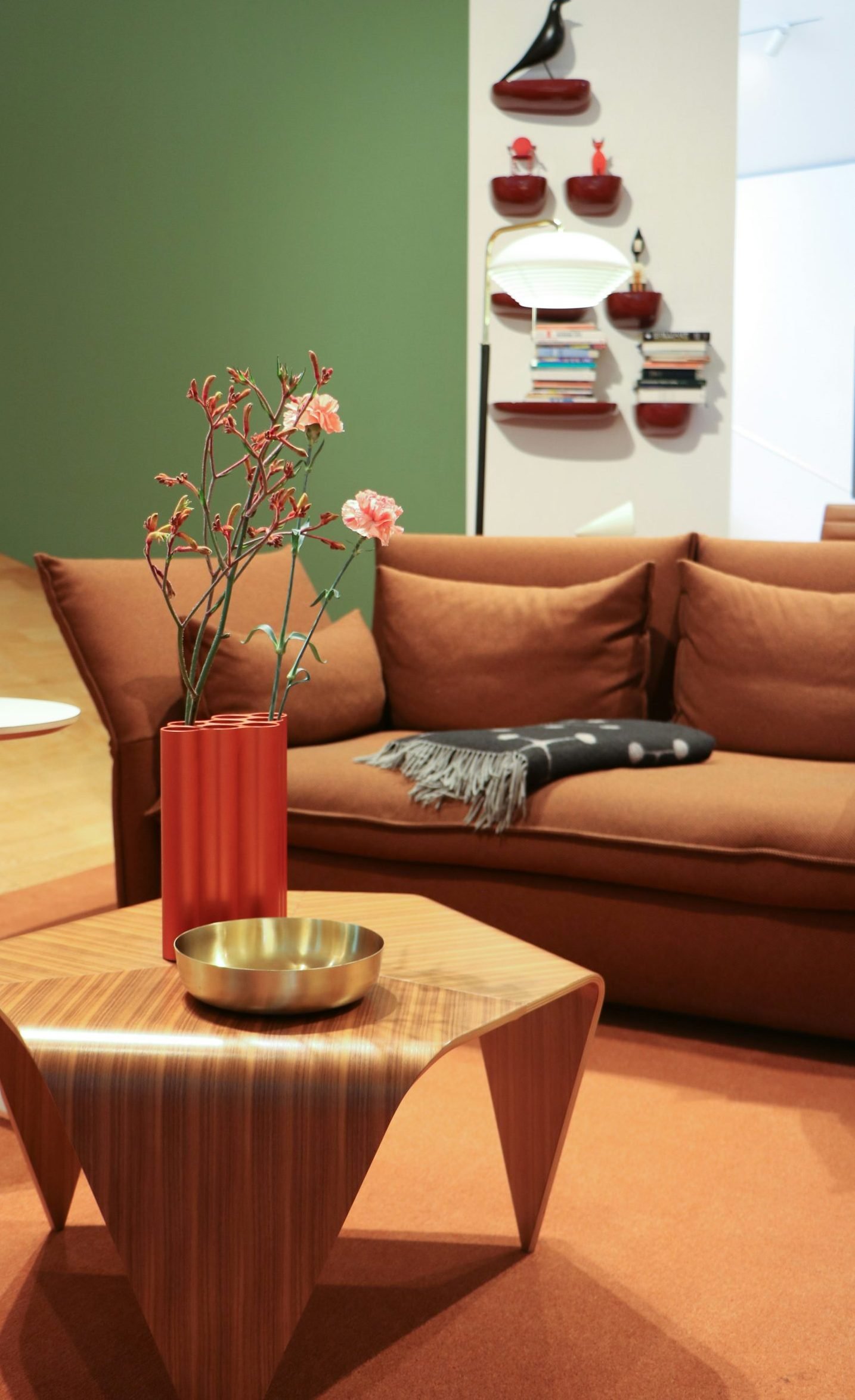
Color choices range from warm neutrals to saturated accents, with texture playing a pivotal role. Textured weaves, boucle, faux-fur, velvet, and leather substitutes provide depth and character beyond solid colors. Layering through throw pillows, blankets, and contrasting stitching or piping adds personalization. The choice of color and texture can anchor a room’s palette or serve as a bold focal point, enabling homeowners to refresh interiors with minimal investment.
Trend 5: Tech-Enhanced Comfort
Technology-integrated sofas are moving from novelty to norm. Features such as wireless charging pads, USB-C ports, discreet USB hubs, and built-in speakers enable seamless device use without clutter. Some designs explore adjustable head and footrests with motorized controls, offering customizable relaxation postures. The challenge for designers is to incorporate tech gracefully without compromising clean lines, upholstery durability, or ease of maintenance. The result is a more holistic living environment where furniture supports modern digital lifestyles.
Trend 6: Repairability and Upgradability
Sustainability extends beyond materials to include repairability and upgrade pathways. Sofas designed with modular components—replaceable cushions, seat foams, or fabric swatches—allow customers to refresh a piece without purchasing a new sofa. This reduces waste and aligns with circular economy principles. Brands that provide spare parts, repair services, and easy-to-follow care instructions gain consumer trust and brand loyalty.
Trend 7: Accessible Luxury and Customization
The accessibility revolution in interior design continues. Consumers seek high-end aesthetics at attainable prices, with many brands offering customizable options such as fabric choices, leg finishes, and modular configurations. While some customization comes at a premium, scalable options and transparent pricing help more buyers achieve a polished, designer-inspired look. This trend democratizes style, enabling homely interiors that reflect personal taste without sacrificing quality.
Throughout these trends, the core ideas remain consistent: prioritize comfort, longevity, and personal expression while adopting materials and designs that minimize environmental impact. The 2026 sofa landscape blends traditional comfort with modern technology, sustainability, and adaptable forms to suit diverse living spaces and lifestyles.

*圖片來源:Unsplash*
Perspectives and Impact
The evolution of sofa design in 2026 signals broader shifts in consumer behavior and industry practice. First, as living spaces increasingly function as multi-purpose environments, furniture must perform across a wider range of activities, from work to leisure to entertainment. This elevates the importance of modular and flexible designs that can morph with the user’s day. Second, environmental awareness continues to steer choices. Consumers are more likely to favor pieces with transparent supply chains, durable construction, and repairability, leading brands to invest in sustainable materials, third-party certifications, and take-back programs. Third, technology integration reflects a normalization of connected living rooms. The fusion of comfort and convenience—via charging surfaces, smart features, and wireless interfaces—affects product architecture and how people interact with furniture. Fourth, social media and influencer-driven trends amplify visibility for certain silhouettes, textures, and color palettes, accelerating adoption cycles and shaping retailer assortments. Yet, the best-performing designs simultaneously balance trendiness with timelessness; long-term value comes from pieces that age gracefully and remain relevant in evolving spaces.
Spatially, the emphasis on modularity supports diverse housing typologies, including small urban apartments and large family homes. For homeowners, rental tenants, and interior designers alike, modular sofas offer the flexibility to reconfigure layouts without rethinking entire room schemes. This adaptability can also influence interior decorating timelines, enabling quicker room makeovers aligned with seasonal shifts, renovations, or changing occupant needs.
Economically, the trend toward affordable luxury and customization broadens market access. More consumers can achieve a high-end look through curated material choices and modular options that scale in price. Designers and retailers may see increased demand for curated starter configurations that customers can personalize over time, rather than owning a single, fixed piece. Environmentally minded practices—such as repair services and modular components—can drive long-term cost savings for households and reduce landfill waste.
From a design education perspective, these trends challenge professionals to communicate value beyond aesthetics. Clients increasingly expect furniture to prove its worth in terms of comfort, durability, sustainability, and practical integration with technology. Educators and manufacturers alike are called to provide clear guidance on material performance, care expectations, and life-cycle considerations to support informed consumer decisions.
Future implications suggest continued convergence of sustainability, technology, and modular design. As urban living evolves and climate-conscious consumption intensifies, the sofa—once a simple seating solution—will continue to be a focal point for how homes are used, loved, and shared.
Key Takeaways
Main Points:
– Modular sofas enable flexible room layouts and scalable configurations.
– Durable, sustainable materials are central to modern purchasing decisions.
– Bold silhouettes and comfortable ergonomics deliver practical luxury.
– Color, texture, and layered upholstery contribute to personalized aesthetics.
Areas of Concern:
– Balancing trend-driven aesthetics with long-term durability and ease of cleaning.
– Ensuring technology integrations remain reliable and maintainable.
– Addressing potential higher costs associated with sustainable and modular options.
Summary and Recommendations
In 2026, sofas act as multifunctional centers for living spaces, combining comfort, adaptability, and ecological responsibility with striking design. The seven viral trends identified—modularity, sustainable materials, bold silhouettes, expressive color and texture, tech-enabled comfort, repairability, and accessible customization—reflect a shift toward furniture that can evolve with occupants’ needs and values. For consumers, the practical strategy is to prioritize pieces that offer modular configurations, durable fabrics, and easy maintenance while selecting colors and textures that endure changes in décor. For designers and retailers, the opportunity lies in delivering modular systems with repair and upgrade pathways, transparent sustainability credentials, and technology that enhances daily use without compromising timeless appeal.
Ultimately, the most successful 2026 sofa selections will balance current aesthetics with longevity, ensuring that furniture remains comfortable, functional, and cherished for years to come.
References
- Original: https://abeautifulspace.co.uk/7-viral-sofa-trends-in-2026/
- Additional references:
- https://www.dezeen.com/2026/02/soft-sofas-trends-2026/
- https://www.housebeautiful.com/interiors-accessories/furniture/g3881/furniture-trends-2026/
- https://www.architecturaldigest.com/story/furniture-trends-2026-sofas-ideas

*圖片來源:Unsplash*