TLDR
• Core Points: In 2026, sofas serve as style anchors, combining comfort, sustainability, and tech-forward design to redefine living spaces.
• Main Content: Expect multifunctional, modular designs; bold colors and textures; sustainable materials; integrated tech; and versatile silhouettes that adapt to evolving lifestyles.
• Key Insights: The trend shift emphasizes personalization, responsible sourcing, and social-media-driven aesthetics that blend practicality with statement-making visuals.
• Considerations: Balance bold trends with durability, maintenance, and space constraints; consider fabric performance, cleaning, and long-term aesthetics.
• Recommended Actions: Assess room layout, select modular components, prioritize durable textiles, and explore sofas with built-in tech or smart features for future-proofing.
Content Overview
The furniture and interior design landscape in 2026 marks a clear departure from traditional, single-purpose sofas toward adaptable, experience-driven pieces. Sofas are no longer merely about seating; they are the central stage for daily living, social interaction, and personal expression. The rise of social media as a design influencer accelerates the popularity of visually striking sofas that can be styled for photo-ready moments while maintaining comfort and practicality for everyday use. Sustainability remains a core consideration, with manufacturers offering eco-friendly materials, recycled fillings, and responsible production processes. The convergence of technology with upholstered seating introduces smart features that enhance convenience without compromising aesthetics. Consumers increasingly seek modular configurations that can be rearranged to fit changing space requirements, from compact apartments to open-plan living areas. This report synthesizes current trends, practical implications, and considerations for selecting sofas that align with 2026’s design ethos.
In-Depth Analysis
Sofas as Design Anchors
In 2026, the sofa is less about occupying space and more about anchoring a room’s personality. Designers emphasize silhouette, scale, and proportion to ensure that the sofa complements a wide range of interior schemes, from minimalist to maximalist. The sofa’s presence often dictates furniture grouping, lighting, and decor accents, making it a focal point in living spaces.
Multifunctionality and Modularity
Modular sofa systems are gaining popularity for their adaptability. Consumers favor configurations that can be rearranged to fit different room shapes, seating needs, or entertaining scenarios. Sectional pieces, ottomans, and modular arms can be reconfigured to create intimate seating nooks or expansive social zones. This flexibility is ideal for open-plan layouts where traffic flow and room usage evolve over time.
Bold Colors, Textures, and Proportions
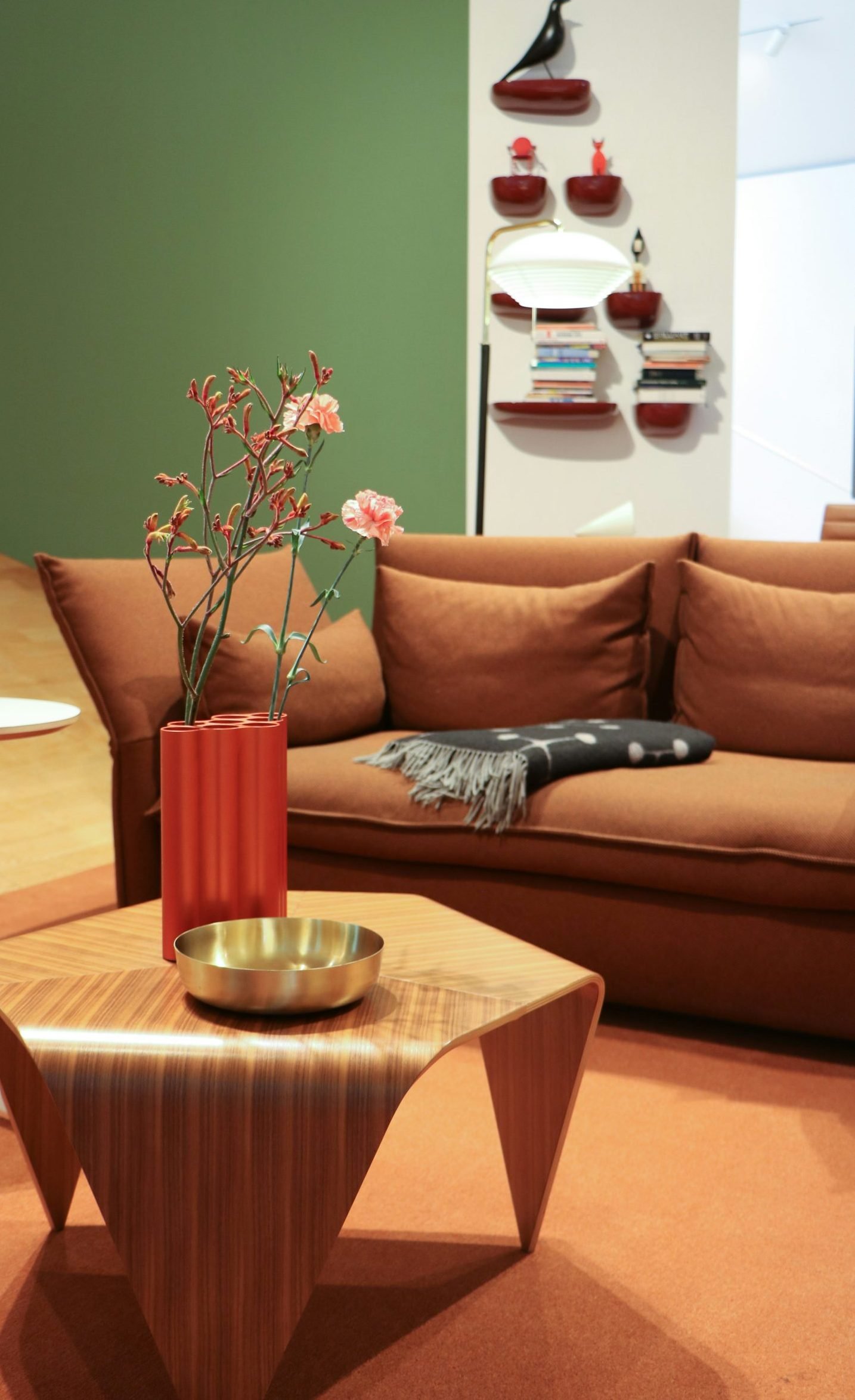
Color and texture play a significant role in today’s sofa trends. Vibrant hues, tactile fabrics (such as boucle, velvet, and nubby weaves), and mixed-material finishes add depth and visual interest. Designers also celebrate oversized cushions, plush armrests, and deep seating to maximize comfort while delivering a strong design statement. Balanced use of color—whether as the sofa’s main hue or as a contrasting accent—helps define room mood and style.
Sustainable Materials and Responsible Production
Eco-conscious choices remain prominent. Brands highlight sustainably sourced woods, recycled metals, plant-based foams, and responsibly produced fabrics. The increasing transparency around supply chains helps consumers make informed decisions about durability, recyclability, and end-of-life disposal. The emphasis is not only on the materials but also on the longevity of the sofa, reducing waste through durable construction and timeless styling.
Integrated Technology and Smart Features
Smart sofa concepts are entering more homes, with features designed to blend seamlessly into living spaces. Examples include wireless charging pads embedded in arms, USB-C outlets, built-in speakers, and compatibility with smart home ecosystems. These innovations aim to enhance convenience without compromising comfort or aesthetics. Designers are careful to ensure tech elements are discreet and modular, so they can be upgraded or removed as needed.
Textile Performance and Maintenance
Fabric choices balance luxury with practicality. Performance textiles that resist stains, pilling, and fading are increasingly favored, especially for households with children or pets. Cleanable fabrics, removable covers, and easy-care treatments add value by extending the sofa’s lifespan and maintaining its appearance with minimal effort.
Sustainability Beyond Materials
Beyond materials, manufacturers are focusing on circular design principles. This includes repairability programs, replacement parts, and take-back schemes to extend product life. The industry is moving toward more transparent manufacturing processes, with labels and documentation that help consumers understand ecological impact and total cost of ownership.
Sizing for Different Living Environments
Urban living often requires compact, space-efficient designs, while larger homes benefit from expansive modular setups. The trend is toward sofas that offer flexible footprint—low-profile bases for rooms with limited height, or elevated silhouettes that create a sense of airiness in smaller spaces. Inventory approaches also consider storage-friendly features, such as hidden compartments or integrateable ottomans.
Color Storytelling and Personalization
The rise of mass customization enables buyers to tailor upholstery colors, textures, and leg finishes. Designers encourage experiments with color blocking and contrasting laminates to create cohesive yet dynamic interiors. Because sofas are central to room aesthetics, personalized fabrics and finishes help align seating with broader decor narratives.
Durability and Return on Investment
As with any major furniture purchase, durability remains a critical consideration. Prospective buyers assess frame construction, joinery, spring systems, and fabric performance. While fashion-forward designs are appealing, timeless silhouettes often offer better long-term value. Consumers are increasingly seeking warranties and service commitments that provide reassurance over decades of use.
Accessibility and Inclusivity
A growing segment of the market focuses on accessibility, with sofas designed for easy entry and exit, supportive seating, and inclusive height and depth dimensions. This ensures comfort and usability for a broader range of body types and abilities, aligning with broader societal expectations for universal design.

*圖片來源:Unsplash*
Aesthetics vs. Practicality
The central tension in 2026 remains balancing bold aesthetics with everyday practicality. Consumers seek statement-making pieces that also function well in daily life. This balancing act drives innovations in comfort engineering, fabric resilience, and modular versatility, enabling consumers to curate living spaces that feel both fashionable and livable.
Market Dynamics and Consumer Behavior
The influence of design influencers, showrooms, and e-commerce continues to shape consumer expectations. Fast-paced social media trends can propel a specific sofa into viral status, while durable performance and brand reputation sustain long-term interest. The marketplace additionally reflects a pivot toward local production, shorter supply chains, and regional design nuances that respond to climate, culture, and living norms.
Future Outlook
Looking ahead, 2026 trends suggest a continued blend of technology, sustainability, and modular adaptability. As remote work and hybrid living persist, home offices and living areas will increasingly rely on seating that adapts to different activities—lounge, work, and entertainment. The integration of smart features is likely to grow, but designers will prioritize seamless interfaces and timeless design to avoid rapid obsolescence. Consumers will continue to value responsible production, repairability, and the ability to customize, ensuring that sofas remain both visually compelling and practically enduring.
Perspectives and Impact
Personalization and expression: The shift toward modular, customizable sofas supports individual styling while enabling households to adapt as needs change. This personalization strengthens emotional connections to living spaces and can influence overall home value.
Social media as a design catalyst: Platforms that highlight visuals and quick-pick trends amplify the popularity of certain sofa styles and colors. Brands increasingly align launches with digital campaigns, showroom experiences, and influencer partnerships to maximize reach.
Sustainability as a competitive differentiator: Environmentally conscious consumers increasingly demand transparency and responsible practices. Brands that communicate clear material sourcing, repair options, and end-of-life programs may gain preference in a crowded market.
Health, accessibility, and comfort: The focus on ergonomic design, supportive cushions, and accessible dimensions reflects broader commitments to wellbeing. Seating that accommodates a range of body types and abilities contributes to more inclusive home environments.
Technology integration without compromise: The appetite for smart features persists, yet designers emphasize subtle integration that preserves comfort and aesthetics. This balance is likely to guide future product development, with emphasis on modular tech that can be upgraded or removed.
Economic considerations: While premium, designer sofas remain aspirational for many, consumers are increasingly weighing cost-per-year of use. Durable frames, quality upholstery, and service programs can improve total value and satisfaction.
Future implications for retailers and manufacturers include expanding modular lineups, investing in durable fabrics and repair infrastructure, and building education around sustainable choices. As consumer expectations evolve, the market will reward products that offer flexibility, responsible production, and a compelling narrative about style and function working in harmony.
Key Takeaways
Main Points:
– Sofas act as central design anchors, guiding room aesthetics and usage.
– Modularity and flexibility are essential for adapting to changing spaces and needs.
– Sustainability, ethical production, and repairability influence purchasing decisions.
– Tech integration should be discreet, upgradeable, and compatible with smart home ecosystems.
– Comfort and accessibility remain critical for broad usability and appeal.
Areas of Concern:
– Potential trade-offs between bold styling and long-term durability.
– Maintenance challenges with high-performance fabrics in busy households.
– Ensuring that smart features remain relevant as technology evolves.
Summary and Recommendations
For 2026, selecting a sofa involves balancing trend-forward aesthetics with enduring practicality. Prioritize modular configurations that can be reconfigured as space needs shift, ensuring the base structure and upholstery offer durability under daily use. Choose fabrics with stain resistance, easy cleaning, and color fastness to maintain a fresh look over time. If you value technology, seek discreet integrations—such as built-in charging or audio—crafted to be easily upgraded or removed without compromising comfort or design. Sustainability should be a core criterion: check material provenance, manufacturing practices, and after-sales options like repair or take-back programs. Finally, consider your lifestyle and accessibility needs, opting for seating that accommodates diverse body types and activities, from lounging to working to entertaining guests.
By following these guidelines, you can curate a sofa that not only aligns with 2026’s viral trends but also remains a reliable, stylish centerpiece for years to come.
References
- Original: https://abeautifulspace.co.uk/7-viral-sofa-trends-in-2026/
- Additional references:
- Interior design publications and trend reports on modular sofas and sustainable upholstery
- Manufacturer guides on durable, stain-resistant textiles
- Smart home integration best practices for furniture and electronics

*圖片來源:Unsplash*