TLDR
• Core Points: In 2026, sofas are becoming statement anchors in homes, blending comfort, technology, and sustainable design to redefine living spaces.
• Main Content: The top seven sofa trends center on modular configurations, sustainable materials, bold colors, tech integration, multifunctional designs, artisanal details, and wellness-inspired comfort.
• Key Insights: Trends emphasize flexibility, longevity, and personal expression, with an emphasis on responsible production and inclusive design.
• Considerations: Balance trend-driven choices with space, budget, maintenance, and resale value; consider fabric durability and ergonomic support.
• Recommended Actions: Assess living space needs, test modular setups, prioritize materials with durability and eco-certification, and plan for tech-ready outlets and easily cleanable textiles.
Content Overview
Sofas in 2026 are more than places to sit; they are core design statements that influence the entire ambiance of a room. As interiors shift toward more flexible living, sofa design mirrors broader lifestyle trends such as hybrid work, social gathering, and wellness. The era is defined by a move away from rigid, single-purpose furniture toward versatile, resilient, and expressive pieces that adapt to changing routines and styles. This article distills seven viral sofa trends anticipated to shape interiors in 2026, drawing on design forecasts, product rollouts, and consumer behavior patterns observed by industry observers and interior platforms. Each trend integrates form with function, aiming to deliver comfort, practicality, and aesthetic impact without compromising sustainability or accessibility.
In-Depth Analysis
The sofa has evolved from a purely functional seating option into a multi-faceted centerpiece that anchors room design. The seven trends highlighted for 2026 each reflect a broader push toward adaptability, tactile richness, and responsible consumption, while still delivering on the emotional appeal of a well-chosen piece.
1) Modular and Flexible Configurations
Modular sofas continue to surge in popularity because they adapt to evolving living arrangements. Whether hosting a party, accommodating overnight guests, or supporting a home office setup, modular pieces offer customizable layouts that can be reconfigured with ease. Consumers are gravitating toward sections that can be rearranged to create intimate nooks or expansive social zones. The trend is reinforced by products that feature easy-to-move components, hidden connectors, and redesigned sectional shapes that maximize seating without overwhelming footprints. For designers, modular systems support future-proof interiors that can transform with minimal waste or replacement, aligning with sustainable consumption objectives.
2) Sustainable Materials and Responsible Craftsmanship
Environmental considerations remain central to purchase decisions. Recycled, plant-based, and responsibly sourced materials are increasingly prioritized alongside durable construction. Fabrics labeled as low-chemical or performance-enhanced (stain resistance, fade resistance) help maintain an aesthetic over time while minimizing environmental impact. Wood and metalframes with certified sourcing (for example, FSC-certified wood or similarly recognized standards) provide longevity and reduced ecological footprints. Brands are also highlighting artisanal techniques and local or small-batch production to support communities and reduce shipping carbon footprints. The result is a cohort of sofas that balance beauty with a commitment to sustainability.
3) Bold Colors, Mixed Textures, and Visual Drama
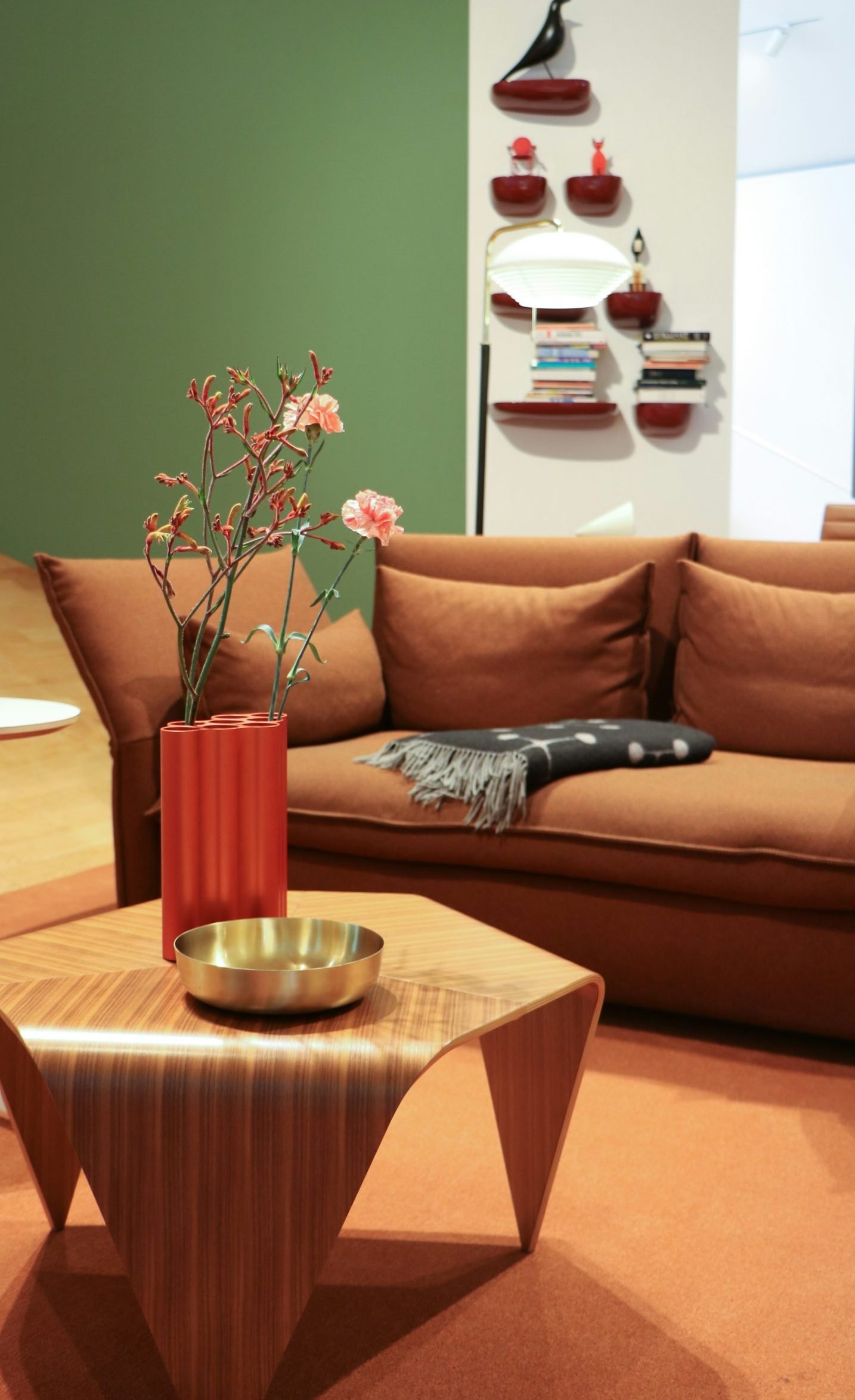
Color is playing a decisive role in 2026 sofa design. Expect bolder hues, such as deep greens, saturated blues, warm terracotta, and statement neutrals, to anchor rooms. The interplay of texture—velvet, boucle, leather, and woven fabrics—adds dimensionality and tactile interest. Designers are using color-blocking and contrasting pillows to create focal points, while neutrals serve as versatile backdrops for evolving accessorizing. This trend supports personal expression and can elevate a space with minimal furniture changes, offering a high-impact aesthetic without requiring a complete redesign.
4) Tech-Integrated and Connected Comfort
The intersection of seating and technology is becoming more seamless. Sofas with integrated charging pads, wireless speakers, ambient lighting, and hidden charging ports are increasingly common. Some designs incorporate haptic feedback or adaptive backrests that respond to seating posture, enhancing comfort for long sessions of remote work, streaming, or gaming. The emphasis is on unobtrusive tech that blends into the sofa’s silhouette rather than competing with it. This trend reflects a broader shift toward smart homes where comfort, convenience, and connectivity co-exist within a single piece of furniture.
5) Multifunctionality and Space-Saving Solutions
Urban living and smaller homes drive demand for multifunctional furniture. Sofas that convert into beds, incorporate storage drawers, or integrate shelving systems help maximize square footage. Clean lines and streamlined silhouettes remain popular for small spaces, while added features like chaise lounges with hidden compartments or ottomans that double as coffee tables provide practical benefits without sacrificing style. The focus is on versatility—sofa designs that can adapt to changing routines, from daytime lounging to overnight guests, with minimal clutter.
6) Artisanal Detailing and Craft-Inspired Aesthetics
Even as technology and modularity rise, there is a parallel appreciation for handcrafted details. Visible stitching, curved silhouettes, hand-tufted upholstery, and exposed joints celebrate craftsmanship and bring a sense of warmth and personality to a room. These details offer a tactile narrative that helps a sofa feel unique rather than mass-produced. Artisanal touches pair well with contemporary forms, striking a balance between modern efficiency and traditional charm. Consumers are willing to invest in pieces that reflect skilled workmanship and a story, adding depth to interior styling.
7) Wellness-Driven Comfort and Ergonomics
Comfort remains paramount, with an emphasis on ergonomic support, deep seating, and breathable fabrics. The wellness focus extends to seat depth, back support, and cushioning that maintain form over time. Fabrics that stay cool or breathable in warmer climates, combined with cushions that strike a balance between plushness and support, help occupants feel relaxed during long hours of use. This trend reflects heightened awareness of physical health in interior design, encouraging purchases that support well-being and prolonged comfort without sacrificing style.

*圖片來源:Unsplash*
Across these trends, one overarching theme is clear: the modern sofa is designed to be resilient, adaptable, and expressive. Consumers want seating that can grow with their needs, reflect their values, and align with more sustainable and technologically integrated living environments. The best options balance style with durability, ensuring that a sofa remains a cherished element of a home for years to come.
Perspectives and Impact
The evolving sofa trends of 2026 have implications across multiple facets of the design world and consumer behavior. For manufacturers, there is a push toward modular systems that reduce waste and allow for easier upgrading. This supports sustainability goals by enabling consumers to refresh aesthetics without replacing entire units. For retailers, the emphasis on color, texture, and customizable configurations creates opportunities for immersive showrooms and online configurators that let customers visualize modular layouts in context. The fashioning of bold color palettes and tactile materials allows for more experiential marketing, encouraging shoppers to engage with fabrics and finishes in a multi-sensory way.
From a cultural standpoint, these trends reflect shifting lifestyles: flexible work arrangements, social dining at home, and a preference for spaces that can be adapted for different activities. Wellness considerations, including ergonomic design and breathable fabrics, illustrate how comfort and health are increasingly integrated into home interiors. Sustainability remains a core driver, with consumers seeking materials that are not only durable but responsibly produced. This synergy of comfort, practicality, and ethics is shaping a more intentional approach to furniture purchases, where the long-term value of a piece extends beyond immediate aesthetics.
The long-term implications include a design ecosystem that rewards versatility. As housing stock and urban layouts vary widely, modular and multifunctional sofas offer a practical path to adaptable interiors that can be reconfigured to accommodate changing family needs, relocations, or evolving design preferences. The continued demand for artisanal detailing suggests that even in a high-tech, high-function world, there is value in craftsmanship and personal storytelling through furniture. Lastly, the emphasis on wellness and comfort may influence related categories, prompting innovations in cushioning technology, antimicrobial fabrics, and heat- or moisture-management materials that enhance the daily experience of sitting.
In sum, 2026 sofa trends point toward lasting pieces that are both expressive and practical. The most successful sofas of the year will be those that strike a balance between modular adaptability, sustainable materials, bold yet timeless aesthetics, integrated technology, and ergonomic, wellness-centered comfort. This combination supports not only beautiful interiors but also more efficient, comfortable, and environmentally responsible living environments.
Key Takeaways
Main Points:
– Sofas are central design anchors, combining function with expressive style.
– Modularity, sustainability, bold color and texture, tech integration, multifunctionality, artisanal detailing, and ergonomic comfort define 2026 trends.
Areas of Concern:
– Balancing trendiness with space, budget, and maintenance considerations.
– Ensuring fabric durability and long-term comfort beyond initial appeal.
– Evaluating environmental impact across production and disposal.
Summary and Recommendations
Looking ahead, 2026 sofa trends encourage a thoughtful approach to furniture selection. Consumers should prioritize adaptable configurations that can evolve with changing needs, choose materials and fabrics with durable performance and environmental credentials, and embrace bold colors or textures as a way to express personality without committing to a complete room overhaul. When shopping, consider modular options that can expand or reconfigure as space allows, and seek pieces that integrate technology in a seamless, unobtrusive manner. For small spaces, prioritize multifunctional designs that provide storage or sleeping functionality without creating clutter. For larger rooms, experiment with color and texture to create a focal point while maintaining balance with rest of the decor. Above all, emphasize comfort and sustainability to ensure that a new sofa remains a beloved centerpiece for years to come. By aligning purchases with these principles, homeowners can achieve interiors that are visually compelling, highly usable, and responsibly sourced—worthy of the evolving demands of modern living.
References
- Original: https://abeautifulspace.co.uk/7-viral-sofa-trends-in-2026/
- Additional references:
- Trends in modular furniture design for 2026: industry white papers and design reports
- Sustainability certifications for furniture materials (e.g., FSC, OEKO-TEX)
- Articles on tech-integrated furniture and ergonomic sofa design

*圖片來源:Unsplash*