TLDR
• Core Points: In 2026, sofas are evolving into more than seating; they’re focal points for comfort, sustainability, and technology.
• Main Content: The seven trends blend bold silhouettes, modular versatility, sustainable sourcing, tactile textures, and smart features that enhance everyday living.
• Key Insights: Design language prioritizes adaptability, wellness, and social interaction, with careful attention to scale, color, and material durability.
• Considerations: Assess living space, budget, maintenance, and environmental impact when adopting these trends.
• Recommended Actions: Identify a few trends that fit your lifestyle, invest in timeless pieces, and pair them with adaptable accessories.
Content Overview
The year 2026 marks a shift in how we perceive sofas within interior design. No longer merely practical furniture, sofas have become style anchors that shape room dynamics, influence color palettes, and determine how we live in our spaces. This article synthesizes seven viral sofa trends observed across design publications, showrooms, and social media conversations. The emphasis is on practicality and aesthetics: sofas that accommodate diverse activities—from lounging and working to entertaining—without compromising comfort or durability. The trends reflect broader movements toward sustainability, personalization, and technology-enabled living. They also consider various room sizes, architectural styles, and budgets, ensuring ideas that are accessible to a wide audience.
In presenting these trends, the goal is not to prescribe a single look but to offer a framework for evaluating which trends best align with a homeowner’s needs. Readers will find a mix of classic and contemporary directions, with recommendations on how to integrate them through modular configurations, color pairings, and fabric choices. The overarching message is that a sofa should be inviting, adaptable, and long-lasting, while still serving as a vehicle for personal expression.
In-Depth Analysis
1) Bold, Sculptural Silhouettes
Sofas with distinctive shapes—curved backs, oversized arms, or sculptural legs—are gaining prominence in 2026. The visual impact of a sculptural sofa can define a room’s mood and act as a central piece for conversation. Designers emphasize balance: a bold silhouette should be anchored by softer surrounding textures and neutral wall colors to avoid overwhelming the space. Functional considerations include seat depth, cushion construction, and ease of cleaning. For smaller rooms, choose compact versions with clean lines that preserve the sculptural intent without dominating the footprint. For larger spaces, a statement sofa can anchor a seating arrangement, complemented by auxiliary pieces with simpler profiles.
2) Modular and Flexible Configurations
Modularity remains a cornerstone of current sofa design. Sectionals, armless modules, and modular sofas with reconfigurable layouts offer adaptability for changing needs—guest accommodations, evolving family sizes, or evolving tastes. The advantage lies in versatility: pieces can be rearranged to create intimate nooks or expansive social setups. In selecting modular systems, attention should be paid to connector hardware, slipcovers or upholstery compatibility, and the ease of reconfiguration. Materials that resist sagging and retain shape over time are critical to maintain a cohesive look as configurations shift.
3) Sustainable Materials and Craftsmanship
Sustainability continues to influence fabric, foam, and wood choices. Consumers show preference for natural, low-emission materials, durable upholstery, and responsibly sourced timber. Recycled or upcycled fabrics, plant-based foams, and certifications (such as FSC or GRS) provide transparency about environmental impact. Beyond materials, craftsmanship matters: sofas built with reinforced frames, durable joinery, and high-density cushions tend to endure longer, reducing the need for frequent replacement. Shoppers are encouraged to seek longevity and timeless design—pieces that age gracefully rather than following fleeting trends.
4) Texture-forward Surfaces
Tactile variety is central to 2026 sofa design. Textured fabrics—bouclé, chenille, tweed, or suede-like finishes—add depth and warmth, enhancing a room’s coziness. Layering textures with throws, cushions, and rugs creates visual interest without relying on loud colors. Performance fabrics that resist pilling, staining, and wear are increasingly favored in high-traffic areas or family households with children and pets. For durability, consider slipcovers or modular covers that can be refreshed or replaced without buying a new sofa.
5) Color Narratives and Material Pairings
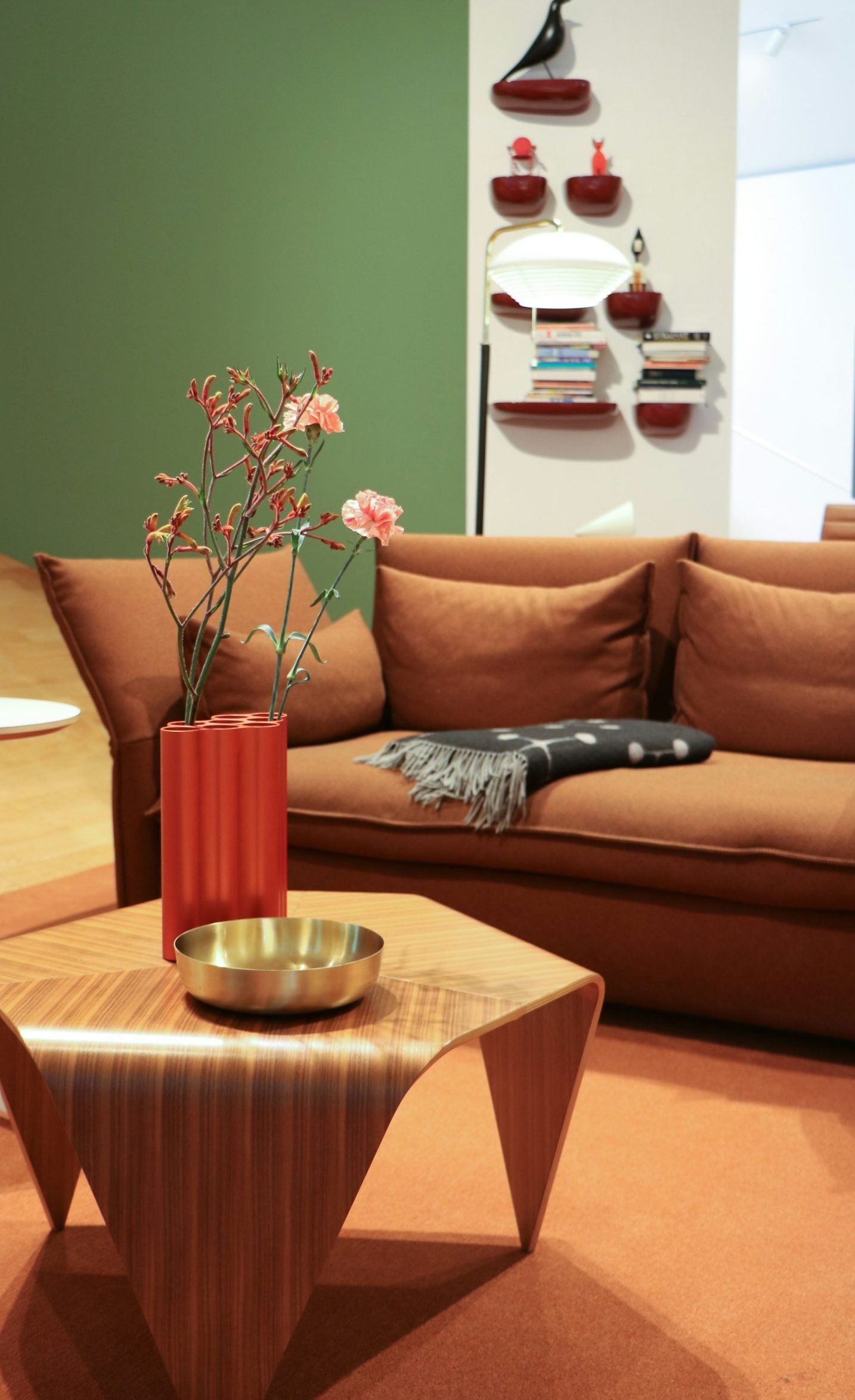
Color continues to be a powerful tool to define a space, with sofas offering bolder hues or nuanced neutrals. Rich earth tones, deep greens, and smoky blues are popular choices that pair well with wood furniture and natural textures. Neutral bases—gray, ivory, taupe—provide versatility, while accent colors can be introduced through cushions, throws, and surrounding decor. Material pairings, such as a wool textile with a sleek leather on a contrasting section, create dynamic contrasts that remain harmonious over time. The trend favors color depth and surface interest, balanced by careful coordination with lighting and architectural features.
6) Integrated Tech and Smart Features
Smart-enabled sofas are moving from novelty to practicality. Features may include built-in wireless charging pads, USB-C ports, integrated USB hubs, and subtle cable management. Some designs offer modular seating with adaptable power options for work devices, tablets, and entertainment systems. While technology adds convenience, it should be discreet enough to preserve the sofa’s aesthetic. Designers caution against integrating electronics that compromise comfort or upholstery longevity. The aim is to enhance daily routines—streaming, remote work, or easy device charging—without creating visual clutter or maintenance burdens.
7) Wellness-Driven Comfort
Ergonomic considerations and comfort-focused engineering are increasingly prioritized. Cushions with responsive foams, lumbar support regions, and air-permeable covers contribute to long-term comfort, particularly for those who spend extended periods seated. Adjustable headrests and reclining options may be incorporated into certain models, offering customizable lounging angles. Wellness-centric designs also look at scale: appropriate seat depth and back height align with a range of body types to prevent strain. Materials chosen for breathability and temperature regulation help maintain comfort in various climates and seasons.
Perspectives and Impact
The seven trends collectively signal a broader shift in how households approach their living spaces. Sofas are no longer isolated furniture pieces; they are integrative elements that influence room layout, lighting, acoustics, and even behavior. The rise of modular systems reflects a desire for adaptability in homes that are used for multiple purposes, including work-from-home setups and social gatherings. This flexibility aligns with changing family structures and urban living where space efficiency matters without sacrificing comfort.

*圖片來源:Unsplash*
Sustainability in sofa design mirrors growing environmental awareness among consumers. With longer-lasting materials, responsibly sourced components, and repair-friendly construction, the life cycle of a sofa is extended. This reduces waste and aligns with circular economy principles that many homeowners now value. As fashion cycles shorten, the durability and timelessness of a well-chosen sofa become more important than chasing the latest trend.
Textural diversity plays a critical role in interior aesthetics. Textures contribute to sensory experience and perceived warmth, influencing how people feel in a space. The emphasis on performance fabrics acknowledges practical realities such as pet ownership or family life, where ease of maintenance is as important as appearance. Meanwhile, color strategies provide a language for mood setting, allowing households to craft environments that reflect personal taste while remaining adaptable to changing seasons and accents.
The integration of technology into seating is a clear signal of converging design and everyday utility. As homes become smarter, furniture that can support charging needs and connectivity without visual clutter becomes valuable. Designers recognize the importance of maintaining a clean, inviting aesthetic while delivering hidden conveniences.
Wellness-driven comfort highlights a broader cultural focus on health and well-being within interior spaces. Ergonomic design and breathable materials contribute to daily comfort and long-term well-being, which can be especially meaningful for home offices, family living rooms, and shared spaces.
Future implications include continued experimentation with sustainable materials, modular innovations, and comfort-focused engineering. Manufacturers may invest in repairable components and modular upgrades to extend the life of sofas. Retailers could offer more transparent information about material sourcing and durability, helping consumers make informed choices. The intersection of design and wellness may lead to spaces that support restful lounging, focused work, and social interaction in a single, adaptable piece of furniture.
Key Takeaways
Main Points:
– Sculptural silhouettes create bold room anchors that pair best with softer surrounding textures.
– Modular configurations offer flexible layouts for varying needs and spaces.
– Sustainability and craftsmanship matter for longevity and environmental responsibility.
– Texture-forward fabrics provide warmth and tactile interest with durable performance.
– Color and material pairings enable versatile, timeless aesthetics.
– Integrated tech adds convenience without compromising comfort or style.
– Wellness-driven comfort prioritizes ergonomics and breathable materials.
Areas of Concern:
– Balancing bold designs with room scale to avoid visual overwhelm.
– Ensuring modular components maintain alignment and durability over time.
– Selecting performance fabrics that resist wear while remaining comfortable.
– Managing technology integration to prevent clutter and maintenance issues.
Summary and Recommendations
Sofas in 2026 are more than seating; they are adaptable focal points that reflect evolving living patterns, environmental awareness, and technological integration. The seven trends identified—bold sculptural forms, modular versatility, sustainable materials, tactile textures, nuanced color pairings, smart features, and wellness-centered comfort—offer a comprehensive framework for selecting and styling sofas that fit diverse homes and lifestyles.
For readers seeking practical guidance, the following approach is recommended:
– Start with a clear assessment of space and lifestyle. Consider the room size, traffic patterns, and how the sofa will be used (family life, work-from-home, entertaining).
– Choose a core piece that embodies one or two of the trends you value most (for example, a modular sectional in a durable fabric with a sculptural profile) and build around it with complementary, less dominant elements.
– Prioritize longevity over trend-chasing. Opt for high-quality frames, reinforced joints, and durable upholstery. Favor neutral bases with the option to introduce color and texture through cushions and throws.
– Consider sustainability as a decisive criterion. Look for certifications, responsibly sourced materials, and repairable designs to minimize environmental impact.
– Evaluate comfort and ergonomics. Ensure seat depth, back support, and cushioning suit a wide range of body types, particularly if the sofa will be used extensively for lounging or work tasks.
– Plan for maintenance. Choose fabrics that are easy to clean and look for removable, washable covers if possible, especially in busy households.
By integrating these considerations, homeowners can select sofas that remain stylish and functional for years to come, while aligning with contemporary design values and practical living needs.
References
- Original: https://abeautifulspace.co.uk/7-viral-sofa-trends-in-2026/
- Additional references:
- Design week and interior design publications discussing 2026 sofa trends and sustainable practices
- Industry reports on modular furniture growth and ergonomic seating design
- Textile and material certification resources (FSC, GRS, OEKO-TEX) for sustainability claims
(Note: The references provided are indicative. Please substitute with specific, credible sources as needed to support the article’s claims.)

*圖片來源:Unsplash*