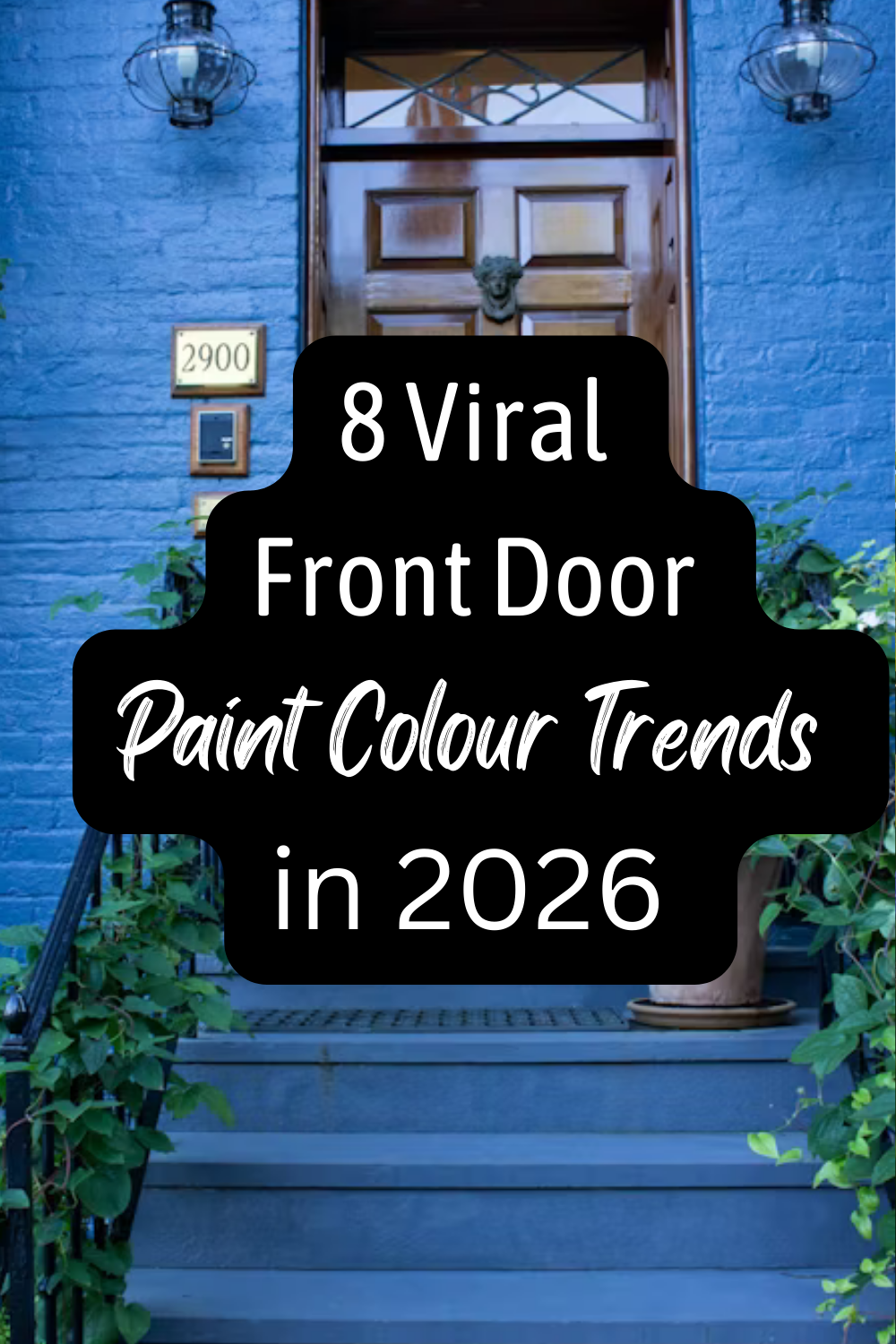
TLDR
• Core Points: 2026 front door trends emphasize bold, welcoming colors, durable finishes, and expressive styling to boost curb appeal in the UK.
• Main Content: Homeowners are embracing vibrant hues, matte and satin sheens, and protective coatings, while balancing heritage charm with contemporary flair.
• Key Insights: The year blends traditional palettes with adventurous tones, supported by practical considerations like durability, weather resistance, and maintenance.
• Considerations: Color longevity, neighborhood harmony, and accessibility implications should guide choices and refinishing plans.
• Recommended Actions: Choose a statement color or dual-tone scheme, select weather-resistant finishes, and test samples in natural light before painting.
Content Overview
In 2026, front door aesthetics take center stage as homeowners and designers in the UK explore how a carefully chosen door color can anchor an entire facade, signal personality, and increase perceived home value. Following a year when many homeowners played it safe with neutrals, the trend is shifting toward confident, expressive palettes that celebrate both tradition and modernity. The front door, once a subtle architectural detail, is now a focal point for curb appeal, branding a home’s identity, and even influencing buyer perception in a competitive market.
Trends this year go beyond color alone. The finish, durability under UK weather, and the door material all play a crucial role in making a color choice practical. Matte, satin, and eggshell finishes are popular for their sophisticated appearance and ability to hide minor imperfections, while high-gloss options are reserved for more formal entries or doors with decorative elements. The top color families span bold jewel tones, warm earthy hues, and refined neutrals, with special attention given to contrast and complementary trim. Additionally, digital inspiration and social media discourse contribute to rapid adoption of new looks, as homeowners seek quick, photogenic transformations that can be achieved with relative ease and cost efficiency.
This article synthesizes these evolving best practices, offering guidance on how to select colors that resonate with the home’s architecture, climate, and neighbor considerations, while outlining practical steps to maintain beauty and longevity. It also highlights how the door color can set the tone for interior design choices, from foyer lighting to exterior hardware, and how homeowners can leverage color theory to maximize impact without over committing to a single experiment.
In-Depth Analysis
The 2026 movement in front door color and finish is characterized by a deliberate shift toward personalization without sacrificing curb appeal or structural integrity. Here are the core dimensions shaping this trend:
1) Color Philosophy: Bold and Balanced
– Expect a broader palette beyond traditional black, white, and wood tones. Deep blues, emerald greens, terracotta reds, rich maroons, and lacquered jewel tones are popular choices for doors that serve as a statement piece.
– Yet, the trend also values harmony with surrounding architecture. For period homes, designers encourage color selections that respect heritage—such as muted versions of bold hues or historically inspired palettes—while modern homes are encouraged to experiment with saturated hues that echo interior accents.
– Two-tone doors—where the door itself is one color and the surrounding trim or sidelights are a contrasting shade—are increasingly common. This approach can add depth and architectural interest while remaining cohesive with the house’s exterior.
2) Finish and Texture: Sheen Levels and Durability
– Matte and satin finishes dominate the market due to their sophisticated look and ability to minimize surface imperfections. They also hide minor scuffs better than high-gloss finishes, which can show fingerprints and weathering more prominently.
– Exterior paints with added UV protection, weather resistance, and fade-inhibiting pigments are prioritized for longevity in the UK climate. Finishes with self-priming properties or enhanced adhesion are valued for easier maintenance on porous or challenging substrates.
– Textured and faux-finish options are used selectively to add character to doors with flat panels or decorative details, but many homeowners opt for smooth finishes on doors with glass inserts to avoid glare and fingerprint visibility.
3) Materials and Application: Practicality Matters
– Wood remains a preferred material for its warmth and traditional appeal, but composite and fiberglass doors are increasingly common due to superior weather resistance and lower maintenance. These materials often accept color more evenly and resist warping, swelling, and cracking.
– Preparation is critical: cleaning and thoroughly sanding the door surface, repairing any damage, and applying a high-quality exterior primer set the stage for lasting color. In damp climates, ensuring the door is completely dry before painting prevents blistering and adhesion failure.
– Multiple coats are often necessary for true color depth and even coverage. Designers emphasize the importance of testing color swatches on the actual door surface (or a comparable substrate) to observe how lighting changes the perceived hue throughout the day.
4) Harmonizing with Hardware and Surroundings
– Front door color interacts with hardware finishes (knocker, hardware handles, house numbers) and lighting fixtures. Coordinating metal tones (brushed brass, matte black, chrome) with the door color can elevate the overall look.
– The entryway lighting can dramatically alter color perception. Warm lighting can soften saturated hues, while cool lighting can intensify blues and greens. It’s advisable to observe samples under the same lighting conditions as the entryway to predict the final appearance.
– Surrounding architectural elements—porch flooring, trim, brick, stone, or siding—should guide color decisions to avoid clashes and ensure the door is a cohesive focal point rather than a discordant element.
5) Curb Appeal Psychology: How Color Affects Perception
– Color choices are influenced by psychological associations and neighborhood norms. Developers and designers advise selecting a color that communicates approachability and warmth for welcoming entryways, while doors in high-traffic urban settings may lean toward more resilient, easy-to-clean finishes.
– The door color can impact property value and perceived condition. A well-executed color refresh can refresh the entire exterior, create a sense of updated style, and offer a relatively low-cost upgrade compared with full facade renovations.
6) Maintenance and Longevity: Sustaining Freshness
– Regular cleaning and inspection of the painted surface prevent erosion and peeling. Delegating maintenance to seasonal checks helps identify early signs of wear, especially in areas exposed to harsh weather, heavy rainfall, or salt spray.
– Sealing and properly priming surfaces contribute to color longevity. For doors with glass details, ensuring the seal around glass is intact prevents moisture ingress that could affect the finish.
– Repainting cycles vary by climate, exposure, and color choice. Darker, highly pigmented colors may require more frequent touch-ups or a base refresh, whereas lighter and mid-tones can last longer between reapplications.
7) Accessibility and Visibility: Inclusive Design Considerations
– Door color can influence accessibility by improving contrast with mail slots, address numbers, and door hardware, aiding visitors with visual impairments.
– Designers suggest selecting colors with sufficient luminance contrast against trim and surrounding surfaces to improve visibility from the street, particularly for entry points used by visitors and service professionals.
8) Trends in Adoption: Speed of Change and Inspiration Sources
– Social media, interior design blogs, and professional portfolios accelerate trend diffusion. Front-door color ideas are often tested via digital mood boards and quick DIY projects that demonstrate before-and-after impact.
– While some trends favor quick, affordable updates, others emphasize long-term commitment to a chosen color family. Homeowners are increasingly attracted to durable, easily maintainable finishes that can withstand the UK climate while remaining visually striking.
The overarching takeaway is that 2026 front door paint trends encourage homeowners to foreground personality and hospitality through color, while balancing aesthetic ambition with practical considerations such as durability, maintenance, and architectural compatibility. The door acts as a canvas that can reflect seasonal palettes, echo interior design themes, and contribute to a refreshed home identity without requiring a full exterior renovation.
Perspectives and Impact
The front door, historically a modest architectural element, has evolved into a powerful design statement with potential ripple effects across the entire home’s appearance and marketability. Several perspectives and potential future implications emerge from the 2026 trends:

*圖片來源:Unsplash*
Architectural Cohesion vs. Personal Expression: The push toward bolder doors reflects a broader architectural conversation about balancing individuality with neighborhood context. While unique doors can differentiate a property in a crowded market, it remains essential to maintain harmony with surrounding features to avoid diminishing curb appeal or creating visual fatigue.
Marketability and Home Value: A strategic front-door color and finish can increase perceived value and interest from potential buyers. A well-executed color refresh can be a cost-effective upgrade, attracting attention in a competitive housing market. However, overly experimental choices may deter some buyers, so the decision often weighs taste against broad appeal.
Climate-Adaptive Materials: The UK climate’s variability—rain, humidity, and seasonal temperature shifts—drives demand for adaptable materials and finishes. Future innovations may yield colorants and coatings with enhanced weather resistance, faster curing times, and easier maintenance, enabling more homeowners to experiment with vibrant hues.
Sustainability Considerations: As homeowners and manufacturers emphasize environmental responsibility, color choices may also align with sustainability goals. This could include low-VOC (volatile organic compound) paints, durable finishes that extend repaint cycles, and materials with improved longevity, reducing the need for frequent refreshes and waste.
Digital Visualization and Decision-Making: The role of digital tools in previewing color outcomes will likely grow. Augmented reality apps, 3D renderings, and real-time lighting simulations enable homeowners to visualize door colors under various lighting conditions and across different seasons, reducing misgivings about bold choices.
Accessibility and Inclusion: Greater attention to contrast and visibility will shape future color recommendations. Designers may provide standardized guidelines for ensuring doors remain accessible to visitors with visual impairments, aligning aesthetics with universal design principles.
Home Identity and Street Presence: A distinctive front door can become part of a home’s recognizable street presence, complementing architectural storytelling and interior design. The trend toward purposeful entryway design signals a move from purely functional to expressive exterior design.
In summary, 2026 trends position the front door as a strategic design instrument with practical underpinnings. The evolving dialogue among homeowners, designers, and manufacturers focuses on achieving a balance between bold self-expression and longevity, while considering neighborhood context, accessibility, and environmental responsibility. The next wave is likely to bring even more durable finishes, smarter color testing tools, and a broader acceptance of color-led façades as a standard element of modern home design.
Key Takeaways
Main Points:
– Front door color and finish are central to curb appeal in 2026, combining bold expression with practical durability.
– Two-tone and bold jewel tones are popular, but heritage-friendly palettes remain important for certain architectural styles.
– Finishes with weather resistance and UV protection are prioritized to address the UK climate.
Areas of Concern:
– Longevity vs. trendiness: Color choices may require maintenance if trends shift quickly.
– Neighbor acceptance: Outlier colors may clash with adjoining homes in established streets.
– Accessibility: Color choices should consider visibility and contrast for all visitors.
Summary and Recommendations
For homeowners seeking to update their entryway in 2026, the front door presents an accessible and impactful opportunity to refresh the entire exterior without a full facade renovation. Start by assessing the door’s architectural context and the surrounding palette, then select a color family that aligns with both personal taste and the home’s character. If you intend to make a bold statement, consider a two-tone approach or a saturated jewel tone that complements brick, stone, or siding while maintaining balance with trim and hardware.
Prioritize durability and maintenance when choosing finishes. Look for exterior paints with proven weather resistance, fade protection, and easy-clean properties appropriate for the UK climate. Plan for proper surface preparation, including cleaning, sanding, priming, and possibly sealing, to maximize color longevity. Test color samples on or near the door in natural lighting at different times of day to observe how the hue shifts with sunlight and shadows.
Consider hardware and lighting as integral parts of the design. Ensure that the chosen color harmonizes with door hardware finishes, house numbers, and porch lighting, which can alter color perception and overall impact. Finally, think about accessibility and neighborhood context—select colors that offer sufficient contrast for visibility while remaining respectful of surrounding homes.
A thoughtful approach to 2026 front door trends can deliver a refreshed, inviting entrance that communicates personality, improves perceived value, and withstands the test of time and weather.
References
- Original: https://abeautifulspace.co.uk/8-viral-front-door-paint-trends-in-2026/
- Additional references:
- Color psychology and curb appeal: https://www.houzz.co.uk
- Exterior paint durability and weather resistance: https://www.paintquality.org
- Front door hardware and color harmony guidelines: https://www.housebeautiful.com
Forbidden:
– No thinking process or “Thinking…” markers
– Article must start with “## TLDR”

*圖片來源:Unsplash*