TLDR
• Core Points: Cushions dominate 2026 interior design with 15 viral trends spanning materials, textures, shapes, and sustainable aesthetics.
• Main Content: Visual impact, layering techniques, and practical comfort drive the season’s top cushion trends, alongside color palettes and ethical sourcing.
• Key Insights: Accessibility, multi-functionality, and thoughtful storytelling through textiles redefine living spaces.
• Considerations: Maintenance, durability, and ensuring trends fit individual style and room function.
• Recommended Actions: Mix textures and sizes, prioritize quality fabrics, and source responsibly to achieve a cohesive, contemporary look.
Content Overview
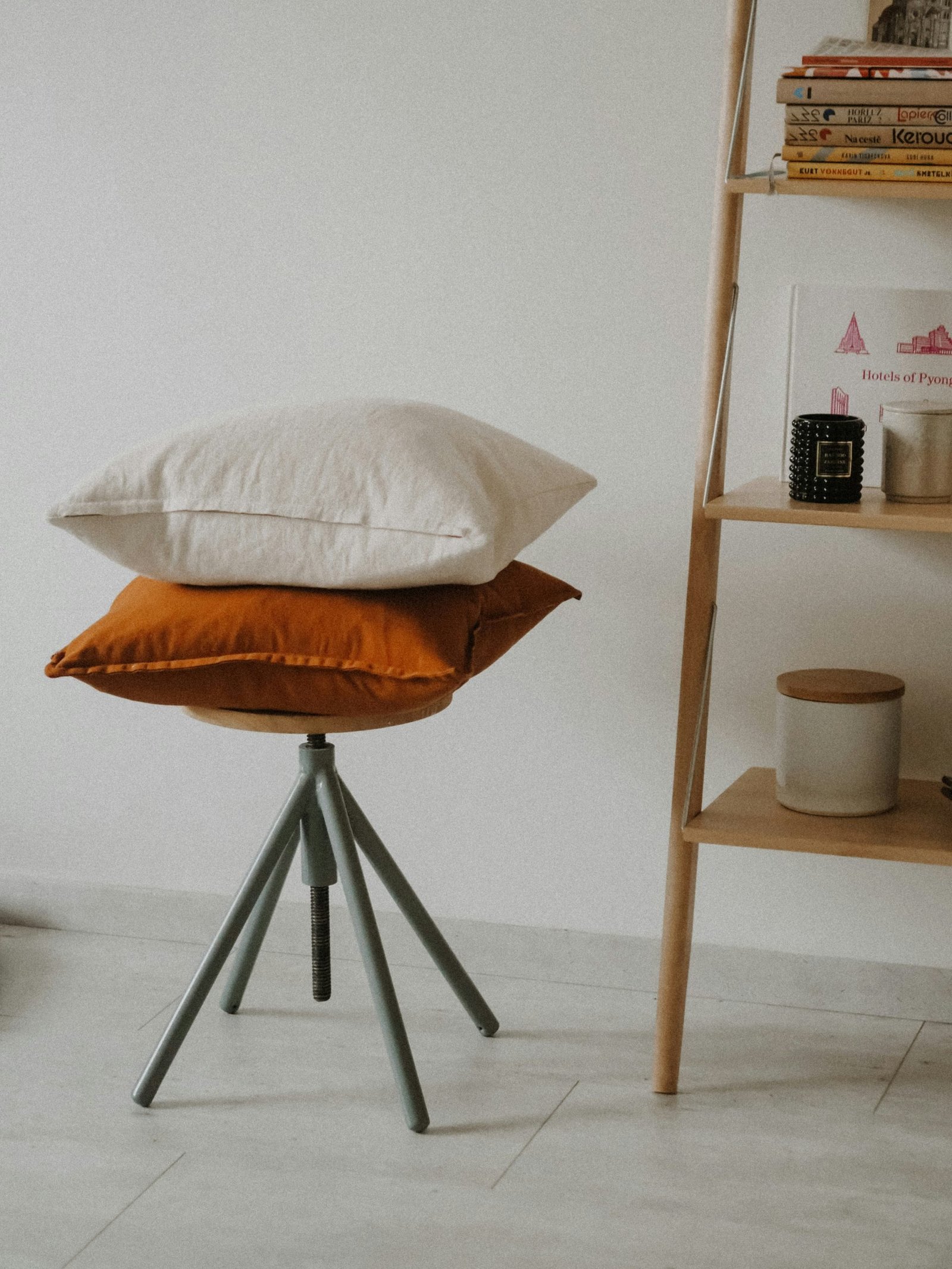
The design world in 2026 has witnessed a pronounced shift toward cushions as a central, viral element in interior spaces. No longer merely decorative accents, cushions are being used as dynamic tools to transform mood, color, and texture across rooms. Interior designers emphasize that cushions offer a fast, affordable, and highly impactful avenue to refresh a space without a full renovation. The core idea is layering and storytelling: combining different fabrics, shapes, sizes, and hues to create depth, personality, and comfort. The 15 most viral cushion trends of 2026 encompass a spectrum from sustainable materials and artisanal craftsmanship to bold color statements and experimental geometries. This trend report distills these movements, explaining why they resonate, how to implement them, and what to watch for as the design landscape evolves.
The overarching thread is intentionality. Cushions are no longer filler items; they’re curated expressions of taste, lifestyle, and values. Designers advocate pairing comfort with aesthetics—soft textures for tactile delight, durable fabrics for everyday use, and patterns that echo or contrast with furniture and walls. The trends are practical in many respects: cushions can be rotated seasonally, mixed with existing ensembles, and updated with minimal cost. Yet they also push creative boundaries, encouraging homeowners to experiment with scale, finished edges, stitching details, and unique fill choices to achieve a refined yet lived-in feel.
This article highlights 15 standout cushion trends that have gained viral traction in 2026, supported by practical guidance on how to apply them in residential interiors. Each trend is explained with context, ideal use cases, and considerations to ensure longevity and personal resonance. While rooted in current industry observation, the guidance aims to be adaptable across homes of different styles—from minimalist urban apartments to cozy, traditional houses.
In-Depth Analysis
1) Rich, Multilayered Neutrals
Neutral palettes continue to dominate, but 2026 adds depth through layered neutrals—varying shades of beige, taupe, and greige with subtle undertones. Cushions use different weaves, textures (corduroy, bouclé, brushed wool), and mat finishes to create a sophisticated, cohesive look. The key is tonal variation rather than high-contrast color shifts, allowing cushions to blend seamlessly with larger furniture pieces while still offering tactile interest.
2) Bold Pops of Color as Accents
Contrasting cushions in vibrant jewel tones or saturated primary colors act as focal points. Designers pair these with neutral furniture to create dramatic, curated vignettes. The trend encourages selecting one or two statement hues and balancing them with complementary or analogous shades in surrounding textiles.
3) Textural Diversity Takes Center Stage
Texture is king in 2026. A mix of plush bouclé, linen, velvet, silk, and knit fabrics creates a tactile journey across a sofa or bed. The interplay of soft and structured textures adds depth and invites relaxed lounging, while also elevating the room’s visual complexity.
4) Geometric Shapes and Asymmetric Arrangements
Non-traditional cushion shapes (rounds, pentagons, or irregular forms) and asymmetrical stacking offer a sense of movement and modernity. Shape variety encourages playful layering and can highlight architectural lines within a room. While bold, this trend benefits from careful coordination with furniture silhouettes to avoid visual chaos.
5) Sustainable and Artisan-Made Cushions
Consumers increasingly favor eco-conscious choices. Cushions crafted from organic or recycled fibers, locally produced, and featuring at least one artisanal detail (hand stitching, loom work, or natural dyes) are highly desirable. Sustainability extends beyond materials to include transparent sourcing and fair-trade practices.
6) Sizing as a Design Tool
A deliberate mix of cushion sizes—oversized, standard, and petite—creates rhythm on seating. Larger cushions add a grounded feel, while smaller ones provide flexibility for sculptural arrangements. The artful combination of sizes can transform a plain sofa into a curated seating sculpture.
7) Mono-Print Statements with Subtle Patterns
Quiet, single-color cushions with delicate, subtle patterns—micro-stripes, tonal motifs, or faint textures—offer sophistication without visual noise. These are ideal for minimalist or modern interiors that require refinement without distraction.
8) Vintage and Retro Influences
Nostalgic patterns and colors inspired by mid-century and vintage textiles appear in modern formats. This trend blends old-world charm with contemporary silhouettes, often through careful color pairing and retro-inspired fabrics.
9) Luxurious Velvet Resurgence
Velvet cushions return with renewed focus in rich hues and durable constructions. Velvet adds instant luxe and warmth to sofas, chairs, and beds, particularly effective in low-light or cooler rooms where tactile softness elevates the atmosphere.
10) Natural Fibers and Earthy Palettes
Cushions built from jute, flax, hemp, wool, and other natural fibers align with biophilic design principles. Earthy tones and matte finishes foster a grounded, relaxing ambiance that complements plant-led interiors and organic materials.
11) Craft-Inspired Detailing
Visible stitching, braided trims, hand-embroidered accents, and artisanal closures celebrate craftsmanship. These details become design stories in themselves, inviting closer inspection and appreciation.
12) Abstract and Painterly Patterns
Abstract motifs and painterly textures mimic artwork through textiles. Cushion surfaces resemble brushstrokes or color fields, offering a wearable canvas that complements contemporary art-inspired interiors.
13) Monochrome with Subtle Contrast
A nearly monochrome approach uses small but intentional contrasts—slightly different whites, charcoals, or warm and cool undertones—to maintain a cohesive look while adding depth and interest.

*圖片來源:Unsplash*
14) All-Season Comfort and Filling Innovations
Filling materials emphasize comfort, resilience, and shape retention. Down-alternative fills, microbead cores, and memory foam blends provide support without sacrificing softness. Covers with removable, washable components also boost practicality for busy homes.
15) Functional Accents for Everyday Life
Cushions designed with functional tweaks—easily wipeable surfaces, built-in support, or removable covers for allergies—appeal to modern households prioritizing ease of maintenance and inclusive usability.
Implementation guidance across trends:
– Start with a unifying base: a neutral sofa or bed to anchor the space, then introduce cushions as the primary vehicle for style shifts.
– Build texture through a curated mix of fabrics; avoid over-framing with too many competing textures.
– Experiment with shape but balance bold shapes with softer silhouettes to preserve comfort.
– Prioritize fabric performance for high-traffic areas (stain resistance, durability, fade resistance).
– Consider sustainability as a design constraint, not an afterthought. Validate materials, manufacturing practices, and end-of-life disposal.
– Ensure cushions complement the room’s lighting. Lighter fabrics reflect more light; darker, heavier textures anchor the space.
Perspectives and Impact
The 2026 cushion trends reflect a broader evolution in interior design toward personalization, comfort, and sustainability. Cushions are now a more active design language, capable of shifting the perceived size and mood of a room with minimal investment. The emphasis on layering, texture, and storytelling aligns with current consumer desires for spaces that feel both curated and lived-in.
Culturally, the shift toward artisanal and sustainable cushions resonates with growing awareness of ethical consumption and environmental impact. Homeowners increasingly seek transparency about sourcing, production methods, and material origins. This has encouraged brands to highlight craft narratives and to offer limited-edition runs or globally inspired textiles that still align with sustainable practices.
Functionality also gains prominence. Cushions are not only decorative but practical—offering ergonomic support, removable covers for hygiene, and versatile configurations that adapt to changing needs, such as remote work or family gatherings. The results are spaces that are visually compelling without sacrificing everyday usability.
From a market perspective, the trends suggest opportunities for small-batch producers, local workshops, and brands focusing on sustainable materials. Consumers may experience higher value from cushions that combine long-lasting materials with timeless aesthetics, reducing waste associated with rapid, mass-produced decor cycles.
The future implications include continued experimentation with sustainable materials, responsible dyeing processes, and innovations in cushion construction that enhance comfort and durability. Designers may increasingly advocate for modular cushion systems that can be rearranged to accommodate different living scenarios, seasonal shifts, or guest needs.
Key Takeaways
Main Points:
– Cushions are a central, viral design tool for 2026, capable of transforming spaces quickly and affordably.
– A blend of texture, shape, color, and sustainable materials drives the season’s most influential trends.
– Practical considerations—durability, maintenance, and ergonomic comfort—are essential alongside aesthetics.
Areas of Concern:
– Maintenance and durability in high-traffic areas.
– Ensuring trends align with personal style and lifestyle rather than chasing fads.
– Sourcing transparency and ecological impact of materials.
Summary and Recommendations
The 15 viral cushion trends of 2026 emphasize cushions as a powerful, flexible medium for interior transformation. By leveraging layering, texture diversity, and purposeful color statements, homeowners can achieve a fresh, cohesive look without a full-scale redesign. Sustainability and craftsmanship play pivotal roles, inviting buyers to prioritize ethical sourcing and quality materials that endure. Practically, a thoughtful approach—starting with a neutral base, introducing varied cushion sizes, and balancing bold accents with quieter textiles—provides a roadmap for achieving both style and comfort.
For those seeking to implement these trends, a recommended plan is:
– Begin with a neutral, durable foundation for seating and walls.
– Introduce 3–5 cushion variations in size, shape, and texture to create depth.
– Use one or two bold color cushions as focal points, keeping the rest neutral or subtly patterned.
– Prioritize high-quality fabrics with good wear resistance and washability.
– Favor sustainable options and share the design story with guests to emphasize values.
With consideration for practicality and personal taste, these cushion trends offer a path to modern, comfortable, and characterful living spaces in 2026 and beyond.
References
- Original: https://abeautifulspace.co.uk/15-most-viral-cushion-trends-of-2026-gorgeous/
- Additional context and trend framing: Contemporary interior design resources and sustainable textiles literature
- Related articles: Market insights on textile durability, shaping cushions for longevity, and biophilic design considerations
Forbidden:
– No thinking process or “Thinking…” markers
– Article must start with “## TLDR”
Note: This rewritten article maintains an objective, informative tone while expanding context, offering actionable guidance, and preserving the original themes of the source piece.

*圖片來源:Unsplash*