TLDR
• Core Points: Embrace renewal with fresh, nature-inspired mantel decor using greenery, soft colors, natural textures, seasonal accents, and balanced arrangements.
• Main Content: A guide to decorating mantels for spring with practical styling tips, beginner-friendly ideas, and cohesive design principles.
• Key Insights: Lightweight palettes, botanical elements, varied heights, and texture elevate spring mantels while maintaining elegance.
• Considerations: Space constraints, maintenance of live greenery, seasonality in color choices, and item longevity beyond spring.
• Recommended Actions: Gather greenery and floral elements, plan a balanced focal arrangement, and rotate decor with ongoing seasonal updates.
Content Overview
Spring marks a time of renewal and brighter days, inviting fresh energy into our homes. The mantel—a natural focal point in living rooms and family spaces—serves as an ideal stage for reflecting the season’s lighthearted mood. A well-curated spring mantel balances color, texture, and proportion, creating a sense of airiness without clutter. This article distills practical ideas for decorating mantels in spring, drawing on principles of color psychology, natural textures, and versatile styling that works for various home aesthetics—from modern-minimal to cottage-inspired.
To begin, consider the mantel’s dimensions and the room’s overall styling. The goal is to craft a cohesive scene that feels intentional yet effortless. Start with a neutral base and layer in spring colors and natural elements. Fresh greenery, airy florals, and seasonal textures—such as woven baskets, wood tones, and linen fabrics—create a sense of renewal without overpowering the space. Lighting is also important: soft, warm illumination, or a couple of candles can extend the ambiance into the evening.
The following ideas offer varied approaches, suitable for different levels of DIY interest and budget. Whether you favor a minimalist statement or a lush, full arrangement, these spring mantel ideas help guide you toward a refreshed focal point that aligns with your home’s personality.
In-Depth Analysis
1) Fresh greenery as a centerpiece
– Why it works: Greenery signals new growth and pairs well with spring palettes. It’s versatile and often fresher-scented than artificial accents.
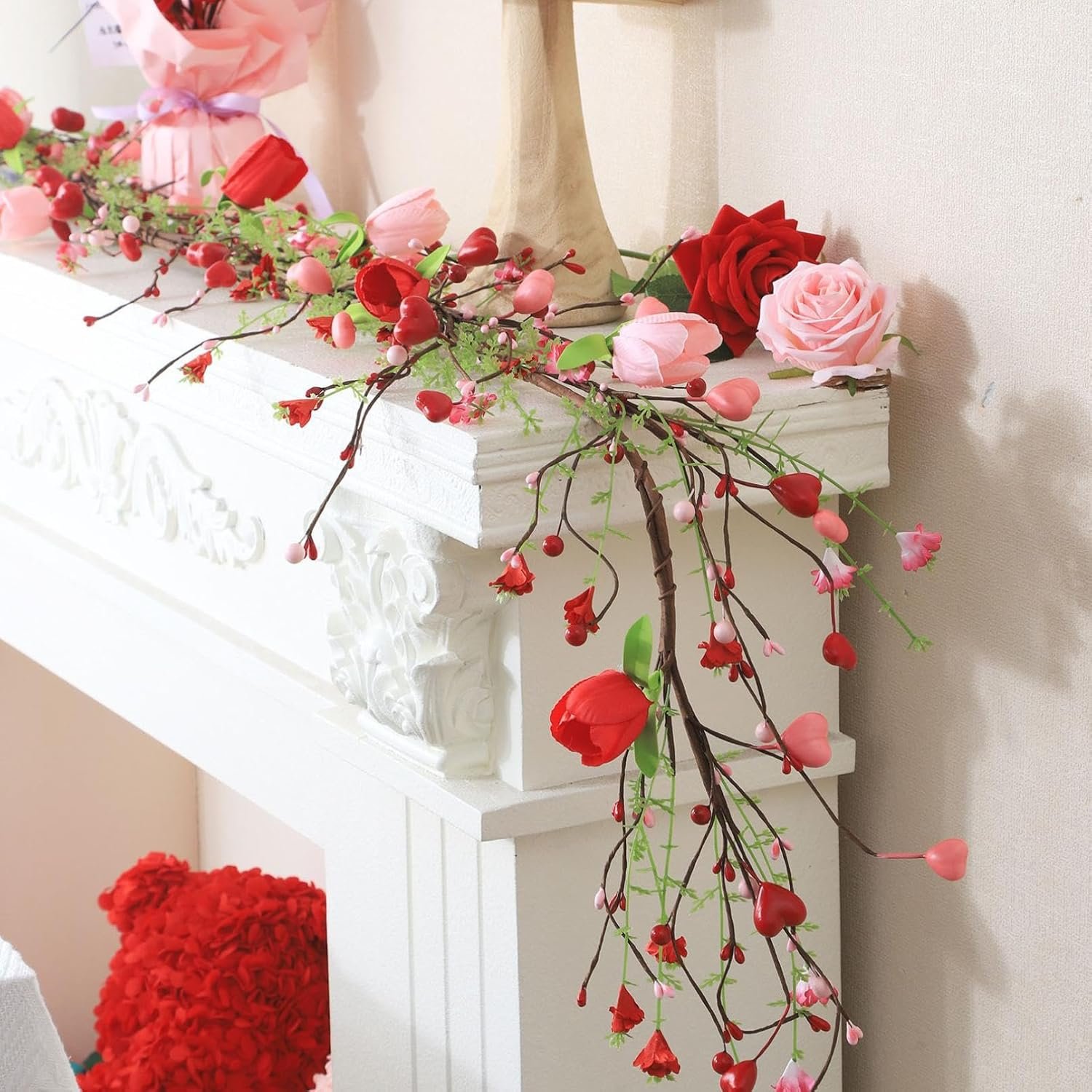
– How to implement: Use a low, long focal piece—such as a garland or a tray filled with clipped stems—across the mantel’s length. Intermingle eucalyptus, ferns, or boxwood for texture. For over-the-fireplaces or higher mantels, a vertical arrangement on one side can add height balance.
– Materials and maintenance: Real greenery requires regular watering and trimming. For low-maintenance options, select high-quality faux greenery with realistic texture, or preserve a few fresh stems in a vase for a short period.
2) Light, airy color palette
– Why it works: Spring decor thrives on soft, airy tones that reflect daylight and keep the space feeling open.
– How to implement: Choose a base of whites, creams, and pale neutrals. Introduce pastel accents—blush pinks, pale yellows, lavender, or mint—through accessories like cushions, vases, or framed prints. Avoid heavy, saturated colors that can feel wintery when paired with spring greens.
– Materials and maintenance: Light colors show dust more easily; wipe surfaces regularly and rotate textiles seasonally.
3) Textural contrasts
– Why it works: Texture adds depth and warmth without adding weight to the visual field.
– How to implement: Mix smooth surfaces (glass, ceramic) with natural textures (jute, linen, wood, woven baskets). A woven tray or rattan elements can ground the display, while ceramic vases or metal accents provide a hint of polish.
– Materials and maintenance: Natural textures can collect dust; use a microfiber cloth for quick maintenance.
4) Floral accents with seasonal flowers
– Why it works: Fresh or dried flowers align with spring’s blooms and bring color without overpowering the mantel.
– How to implement: Add a single vase of seasonal flowers as a focal point, or place small bud vases at each end for balance. Dried florals like pampas grass or lavender can provide lasting texture. If you include live blooms, rotate weekly to keep the display fresh.
– Materials and maintenance: Real flowers may require watering or replacement; dried arrangements offer longer-term options.
5) Minimalist approach: one bold element
– Why it works: A restrained, modern look can be striking and sophisticated for contemporary interiors.
– How to implement: Choose one standout piece—such as a tall vase with a single verdant stem, a sculptural object, or a framed spring-themed artwork—and keep the rest simple. Use negative space to emphasize the highlight.
– Materials and maintenance: Choose durable materials that require little upkeep; clean the focal piece occasionally.
6) Layered symmetry with a twist
– Why it works: Symmetry fosters balance; adding a twist prevents predictability and keeps it interesting.
– How to implement: Place two complementary items on either side of the mantel—mirrors, candleholders, or vases—and introduce an offset element (a taller plant or sculpture) on one side to create visual intrigue.
– Materials and maintenance: Mirrors and metal accents can collect fingerprints; wipe with a soft cloth.
7) Natural materials and organic shapes
– Why it works: Nature-inspired elements connect indoors with the outdoors, reinforcing a spring mood.
– How to implement: Incorporate wood, stone, or clay objects with organic shapes. Consider a live-edge wooden tray, a stone sculpture, or pottery with soft curves. Pair with greenery for a cohesive natural theme.
– Materials and maintenance: Wood may require occasional oiling; stone and ceramic are generally low maintenance.

*圖片來源:Unsplash*
8) Seasonal seasonal shift: swap-out strategy
– Why it works: Keeping a mantel dynamic preserves interest as seasons change.
– How to implement: Build a modular display by using a few core pieces (e.g., a tray, a pair of vases, a greenery garland). Swap in seasonal items like pastel eggs for spring, then berries and pine for late winter holidays, etc.
– Materials and maintenance: Store seasonal pieces neatly in labeled bins to simplify rotation.
9) Incorporating personal touches
– Why it works: Personal items give the mantel a story and make the space feel inviting.
– How to implement: Display a favorite framed photo, a travel memento, or a handmade craft alongside seasonally appropriate pieces. Ensure the personal items integrate with the color palette rather than clashing.
– Materials and maintenance: Use lightweight frames and non-slip mats to keep objects secure.
10) Lighting as a spring accent
– Why it works: Lighting enhances mood and highlights the mantel’s decor.
– How to implement: Use a couple of candles, a small lamp, or string lights to add warmth. If you have a mantel with a shelf or niche, consider backlighting or LED strip lights for subtle glow.
– Materials and maintenance: Candles require caution and monitoring; battery-powered options can reduce risk.
Design tips for cohesive spring mantels
– Proportions and balance: Aim for a central focal point with two supporting elements on either side, ensuring that taller pieces don’t overwhelm the mantel.
– Height gradation: Vary heights across the arrangement to create visual interest. Use pedestals, books, or stands to raise elements subtly.
– Negative space: Allow for breathing room between objects to avoid a crowded feel.
– Consistency in finish: If you lean toward metallic accents, choose a single metal family (brushed brass, antique copper, or matte black) to unify the display.
– Seasonal adaptability: Consider modular pieces that can be rearranged or swapped for different seasons without a complete overhaul.
Maintenance and practicality
– If using live greenery or flowers, plan for regular trimming and watering, or opt for high-quality faux greenery to reduce upkeep.
– For busy households, choose hardy plants and durable materials that withstand minimal care.
– Keep a small toolkit handy for quick adjustments (a level, a glue dot set, and a soft cloth).
What to avoid
– Overloading the mantel: Too many items can look cluttered and distract from the overall theme.
– Competing colors: Avoid pairing too many bold hues that clash with the spring palette.
– Inconsistent styles: Mixing wildly different decor styles without a unifying thread can feel disjointed.
Conclusion
Spring mantel decorating offers an opportunity to refresh a central living space with light, nature-inspired style. By combining greenery, soft color palettes, texture, and thoughtful layering, you can craft a mantel that feels renewed and welcoming. The key is to balance visual interest with a sense of airiness, ensuring the mantel complements the room rather than dominating it. With a few carefully chosen pieces and a readiness to rotate elements as the season evolves, your mantel can become a year-round focal point that captures the essence of spring.
Key Takeaways
Main Points:
– Fresh greenery and natural textures anchor a spring mantel.
– Soft color palettes and varied heights create balance and invite light.
– A modular, rotating display keeps the mantel refreshed across the season.
Areas of Concern:
– Maintenance for live plants and the risk of clutter with too many items.
– Ensuring color harmony and staying aligned with the room’s overall style.
Summary and Recommendations
To achieve a successful spring mantel, start with a clean slate in a light, neutral base, layer in greenery and a few pastel accents, and maintain balance through height variation and negative space. Use personal touches sparingly to add warmth and character. Rotate pieces as seasons shift to preserve freshness without requiring a complete redo.
References
- Original: https://abeautifulspace.co.uk/10-gorgeous-spring-mantel-decorating-ideas/
- Additional references:
- https://www.thespruce.com/spring-m mantel decor ideas
- https://www Apartment Therapy.com/spring mantel styling tips

*圖片來源:Unsplash*