TLDR
• Core Points: Garden trends for 2026 emphasize sustainable design, mixed-use spaces, plant diversity, low-maintenance infrastructure, and tech-assisted gardening.
• Main Content: Expect drought-smart planting, edible landscaping, outdoor rooms, pollinator-friendly landscapes, and enhanced outdoor living with sustainable materials and smart automation.
• Key Insights: The year marks a shift toward resilience, biodiversity, accessibility, and climate-conscious choices across both urban and rural gardens.
• Considerations: Balance aesthetics with water use, maintenance needs, and local climate; ensure inclusivity and safety in outdoor spaces.
• Recommended Actions: Plan a resilient, multi-use garden with native and edible plants, water-wise irrigation, and modular outdoor living zones.
Content Overview
As we move further into 2026, garden design continues to evolve beyond mere aesthetics toward functional, resilient landscapes that support biodiversity, climate resilience, and everyday joy. This year’s trends reflect a growing emphasis on sustainable materials, water-efficient planting, and the integration of outdoor spaces as extensions of the home. Whether you manage a compact urban balcony or a sprawling rural plot, the 2026 trends encourage gardeners to think holistically about how outdoor spaces can nourish people and ecosystems alike.
The core idea driving these trends is resilience: gardens that thrive with less water, fewer chemical inputs, and minimal ongoing maintenance, while still delivering beauty, produce, and a sense of sanctuary. At the same time, there is a rising appetite for diversity—of plant species, microhabitats, and user experiences—so gardens become havens for pollinators, wildlife, and social life. The following sections unpack the top ten large garden trends anticipated to shape outdoor spaces in 2026, with context on why they matter and how to implement them.
In-Depth Analysis
1) Water-Wise and Drought-Resilient Plantings
With changing rainfall patterns and hotter summers, gardeners are prioritizing drought-tolerant plant selections and efficient irrigation. Native species adapted to local climates are increasingly favored, along with Mediterranean perennials, grasses, and succulent varieties that require less water once established. Grouping plants by similar water needs (hydrozones) helps minimize waste, while mulching reduces evaporation and suppresses weeds. Smart irrigation systems, rain barrels, and soil moisture sensors let households monitor and manage water use more precisely. Expect plants chosen for long-season interest, low maintenance, and wildlife value to dominate landscapes, reducing the need for frequent irrigation.
2) Edible and Food-Producing Landscapes
Edibility continues to blend with aesthetics as more gardens feature fruit trees, berry bushes, perennial vegetables, and herb spirals integrated into ornamental beds. Edible landscaping emphasizes season-long harvests, compact varieties for small spaces, and productive edges along pathways. Techniques such as espalier-trained fruit trees, kitchen gardens disguised as decorative borders, and pollinator-friendly herb patches are popular. The shift toward local food production aligns with concerns about food security, carbon footprints, and a desire for hands-on, rewarding gardening experiences.
3) Pollinator-Friendly and Biodiverse Plantings
Gardens are increasingly designed to support pollinators, beneficial insects, and birds. A diverse palette of flowering natives and well-timed blooms across spring, summer, and autumn provides nectar and pollen when pollinators need it most. Incorporating layered planting—ground cover, mid-story shrubs, and canopy trees—creates microhabitats and shelter. A multiyear planting plan helps ensure continuity of bloom, while reducing pesticide requirements through habitat-based pest management. The result is healthier ecosystems and more resilient gardens.
4) Outdoor Rooms and Multi-Functional Spaces
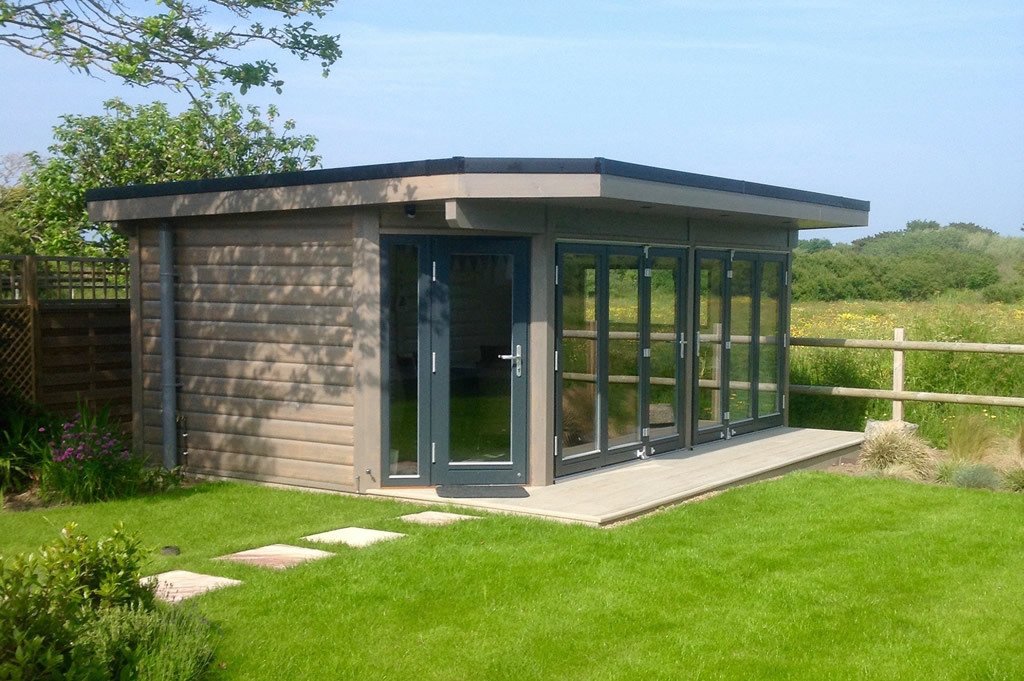
The boundary between indoors and outdoors continues to blur. Outdoor living rooms, kitchens, and workspaces are now common features in many designs, reflecting a desire to extend living areas and socialize outdoors for longer seasons. Durable, weather-resistant furniture, shaded zones, and weatherproof lighting create inviting, usable spaces. Flexible layouts—modular seating, movable planters, and retractable canopies—allow hosts to adapt spaces for entertaining, relaxation, or work-from-home setups. The goal is comfort, accessibility, and seamless integration with the home’s interior.
5) Low-Muss, Low-Muss Maintenance Garden Systems
Gardeners increasingly value simplicity and longevity. Low-maintenance foundations include hardy perennial borders, self-sowing species, and resilient groundcovers that reduce weeding and feeding. Automated care, such as smart irrigation and timed lighting, minimizes manual tasks. Durable materials for paths and furniture—composite decking, powder-coated metals, and recycled-content composites—offer longevity with reduced upkeep. The overall aim is a garden that remains attractive with less ongoing labor.
6) Climate-Resilient Infrastructure
Sustainable infrastructure, including permeable paving, bioswales, and well-designed drainage, helps manage heavy rainfall, reduce runoff, and protect soil health. Rain gardens, swales, and green roofs are becoming more common in both new builds and renovations. These elements improve resilience to extreme weather and contribute to biodiversity by creating microhabitats. Choosing durable, locally sourced materials also reduces environmental impact and supports regional economies.
7) Native Plants as the Backbone
Native species are favored for their compatibility with local ecosystems, lower maintenance needs, and resilience to regional climate patterns. Native planting supports local wildlife, including pollinators and birds, and often requires less fertilizer and pest control. Garden designers increasingly curate plant palettes that reflect regional biodiversity while still providing year-round interest through varied textures, colors, and seasonal structure.

*圖片來源:Unsplash*
8) Smart Gardening and Data-Driven Decisions
Technology is stepping into the garden in practical ways. Soil sensors, weather data, and smartphone apps help gardeners monitor moisture, nutrient levels, and microclimates. Robotic lawnmowers and automated irrigation systems optimize labor and resource use. Data-driven decisions enable more precise plant selection, timely interventions, and scalable maintenance plans, making garden care more efficient and accessible.
9) Resilient, Accessible Design
Gardens are becoming more inclusive and accessible, with design elements that accommodate different ages and physical abilities. Wide pathways, seating at multiple heights, and functional zones allow people of varying mobility to enjoy outdoor spaces. Climate resilience, shade, wind protection, and seasonal lighting contribute to safe and comfortable use year-round. The result is spaces that are welcoming to families, older adults, and guests with diverse needs.
10) A Focus on Aesthetics with Purpose
While sustainability is central, aesthetics remain essential. Designers balance form and function so that beauty aligns with ecological goals. The rise of color-rich plant palettes, sculptural forms, and textural contrasts enhances visual appeal while still supporting biodiversity and sustainability. The trend emphasizes that a garden can be visually stunning and ecologically responsible at the same time.
Perspectives and Impact
The trends for 2026 reflect a broader movement toward gardens that serve multiple roles: producers of food, sanctuaries for mental well-being, habitats for wildlife, and functional outdoor living spaces. This shift has several implications:
- Environmental: Water efficiency, soil health, and biodiversity take center stage. Sustainable practices reduce runoff, conserve resources, and support pollinators and wildlife.
- Social and cultural: Outdoor spaces become extensions of the home for gatherings, work, and play, strengthening social ties and improving quality of life.
- Economic: Resilient, low-maintenance gardens may lower long-term maintenance costs and increase property value, while prioritizing locally sourced materials can support regional economies.
- Technological: Simple digital tools can empower even casual gardeners to make data-driven decisions, improving outcomes and reducing waste.
Future implications include broader adoption of climate-adaptive plant palettes, increased use of water-harvesting and stormwater strategies, and a continued emphasis on inclusive, accessible outdoor spaces. As urban environments intensify and climate variability persists, the role of the garden as a sustainable, restorative, and productive ecosystem becomes ever more critical.
Key Takeaways
Main Points:
– Water-wise, drought-resilient planting dominates plant choices and irrigation strategies.
– Edible landscapes and pollinator-friendly plantings blend food production with biodiversity.
– Outdoor rooms and multi-functional spaces extend living areas and social opportunities.
– Low-maintenance systems, durable infrastructure, and native plants drive resilience.
– Smart gardening tools enable data-driven care and resource optimization.
Areas of Concern:
– Balancing aesthetic goals with water usage and maintenance requirements.
– Ensuring accessibility without compromising design and wildlife habitat.
– Avoiding over-reliance on technology that may require updates or maintenance.
Summary and Recommendations
For 2026, approach garden design with resilience, versatility, and ecological thinking at the forefront. Start with a water-efficient foundation: assess your site, implement hydrozones, and incorporate rainwater harvesting where feasible. Integrate edible elements into ornamental spaces to create productive landscapes that are still beautiful. Prioritize native and pollinator-friendly species to support local ecosystems and reduce pesticide needs. Design outdoor spaces as true rooms—comfortable, functional, and adaptable for entertaining, work, or rest. Favor durable, low-maintenance materials and furniture, and consider smart tools that enhance care without adding complexity. Finally, ensure pathways, seating, and zones are accessible to all users, creating inclusive outdoor spaces that enrich daily living. By combining these principles, you can create a garden in 2026 that is beautiful, resilient, and deeply integrated into your lifestyle and environment.
References
- Original: https://abeautifulspace.co.uk/10-large-garden-trends-everyone-will-be-trying-in-2026/
- Additional references:
- https://www.rhs.org.uk/advice/garden-design/garden-trends
- https://www.greenmatters.com/life-garden-trends
- https://www.bbcgoodfood.com/howto/guide/garden-trends-2026

*圖片來源:Unsplash*