TLDR
• Core Points: Tesla adds a lower-priced AWD Model Y variant with 294 miles range, 125 mph top speed, 4.6s 0-60 mph, pricing positioned between base RWD and Performance.
• Main Content: The new AWD Model Y expands the lineup, offering mid-range performance and range to broaden affordability within the SUV/crossover segment.
• Key Insights: The move resembles recent Standard Range offerings, aiming to balance price, range, and capability for a broader customer base.
• Considerations: The added variant highlights Tesla’s strategy to segment trims for market breadth, with potential implications for resale value, incentives, and fleet adoption.
• Recommended Actions: Prospective buyers should compare total cost of ownership, available incentives, and charging infrastructure impact when choosing between the new AWD option and existing trims.
Content Overview
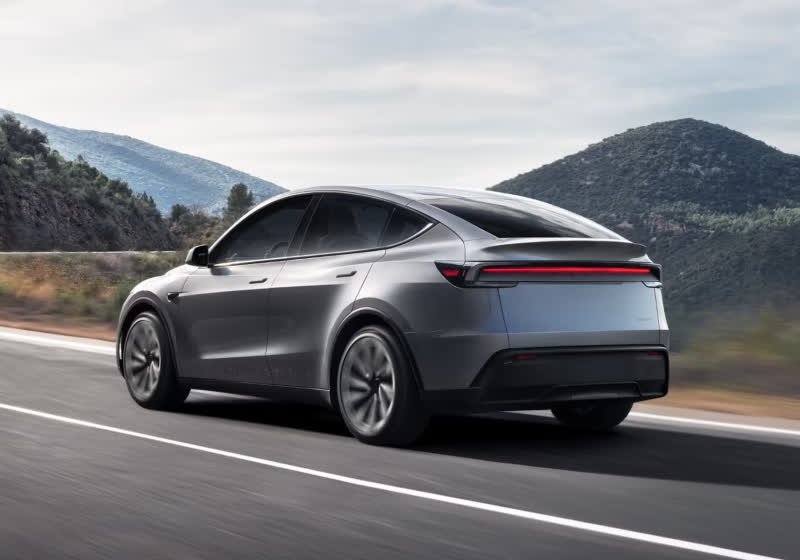
Tesla recently expanded its Model Y lineup by introducing a new all-wheel-drive (AWD) variant that slots between the rear-drive base model and the higher-end Performance trim in both capability and price. While the exact price tag for the new AWD model isn’t specified in the summary materials, the positioning suggests a strategic move to broaden affordability for buyers who want all-wheel traction without stepping up to the top-tier Performance package. The refresh mirrors Tesla’s broader product strategy in recent years, where the company has offered mid-range variants that emphasize a balance of range, acceleration, and cost. This approach has been evident across several Tesla lineups, where standard and mid-range configurations are designed to appeal to a larger portion of the market while maintaining overall performance benchmarks. The new model’s stated figures—294 miles of EPA-estimated range, a top speed of 125 mph, and a 0-60 mph time of 4.6 seconds—fit into a mid-range category that can attract customers who prioritize practicality and value. The development reflects ongoing demand for electric crossovers and SUVs that deliver everyday usability, long-range confidence, and familiar Tesla software features, including the company’s navigation, Autopilot, and standard connectivity ecosystems.
In-Depth Analysis
Tesla’s introduction of an AWD Model Y variant is a clear signal of the company’s continued effort to optimize its product ladder without diluting brand perception or performance expectations. By placing this variant between the base rear-drive model and the Performance trim, Tesla creates a more continuous spectrum of options, allowing customers to trade off price for range, speed, and driving dynamics in a more granular way. The 294-mile range, while not the longest in the Model Y family, provides a practical daily driving radius for many owners, especially with Tesla’s robust Supercharger network that supports long-distance trips and easy in-service charging.
The 125 mph top speed and 4.6-second 0-60 mph sprint place the AWD variant squarely within the “everyday performance” category. For many buyers, this combination offers a compelling balance: sufficient acceleration for highway merging and overtaking, while still preserving efficiency and range that are characteristic of modern electric crossovers. The AWD configuration is particularly relevant for regions with inclement weather or variable road conditions, where all-wheel traction adds a meaningful layer of confidence and safety.
From a value perspective, the new variant sits between the base RWD Model Y, which starts at $39,990 in the current pricing landscape, and the higher-end Performance trim. Although the exact price of the AWD option is not enumerated in the initial summary, this placement implies a mid-tier price point that appeals to buyers who want the added traction without the premium associated with the Performance package. Tesla’s pricing strategy for Model Y often emphasizes a balance of total cost of ownership, long-term efficiency, and capability. In practice, that means buyers can expect competitive value through improved range, standard features, and access to Tesla’s software ecosystem and over-the-air updates.
Importantly, the AWD option aligns with Tesla’s recent trend of offering “Standard Range” or mid-range configurations that emphasize practicality and value, rather than merely chasing top speeds or maximum range. By delivering a mid-tier AWD option, Tesla reduces the pressure on customers who might otherwise consider a different brand or model due to perceived performance gaps between trims. It also helps Tesla capture a broader customer base, including smaller households or individuals who require all-wheel traction for winter climates or regional weather patterns.
The introduction can have several broader implications. For one, it reinforces the brand’s emphasis on software-based value propositions, where a significant share of the car’s experience is delivered through software and ecosystem features rather than purely mechanical performance metrics. It may also influence the used-car market, as a broader range of trims creates more reference points for depreciation curves and resale values. Additionally, this model expansion could affect incentives and financing offers, as more trims can lead to more targeted promotions designed to move high-inventory periods or respond to regional demand patterns.
From a consumer perspective, prospective buyers should evaluate how this AWD option compares with other trims not only in price, but in terms of real-world efficiency, maintenance needs, and feature sets. While all Model Y variants benefit from Tesla’s software-driven features such as Autopilot (where available) and regular software updates, the AWD variant’s added traction could translate to better winter handling and traction control in snowy regions. The trade-off often centers on range and efficiency; all-wheel drive configurations introduce additional weight and mechanical complexity, factors that can influence overall energy consumption. Therefore, it is important for buyers to consider their daily driving habits, climate, and charging availability when deciding whether the AWD model is the right fit.
Another dimension is the potential impact on the broader EV market. As other automakers introduce or refine their own mid-range AWD crossovers, Tesla’s approach with the Model Y could set a benchmark for offering diverse trims that meet a wider array of customer needs. This could intensify competition in the compact SUV/crossover segment, particularly among battery-electric options, and push competitors to refine their own range-per-dollar metrics, all-wheel drive capabilities, and charging network integrations.

*圖片來源:Unsplash*
Finally, the new variant can be seen as part of Tesla’s ongoing effort to maintain momentum in a rapidly evolving EV landscape. With the electric vehicle market’s growth trajectory and the expansion of charging infrastructure, more consumers are likely to consider a crossover that blends practicality with performance. Tesla’s strategy to introduce variants that balance range, speed, and price is consistent with industry demand for flexible, scalable options that allow buyers to tailor a vehicle to their budgets and daily needs.
Perspectives and Impact
- Market breadth: The addition of a lower-priced AWD Model Y expands the addressable market by accommodating customers who prioritize all-wheel drive for weather conditions, safety, and everyday usability, while avoiding the more expensive Performance tier.
- Consumer economics: A mid-range AWD option can improve perceived value by delivering practical range and acceleration without the premium price, potentially influencing lease and financing dynamics as well as total cost of ownership calculations.
- Brand strategy: By continuing to offer mid-range trims, Tesla reinforces its software-driven value proposition and its ability to segment its lineup to meet diverse customer requirements, rather than relying solely on high-end performance variants.
- Competitive landscape: The move increases pressure on rivals to deliver compelling value propositions in the mid-range EV crossover space, potentially accelerating advancements in battery efficiency, charging speed, and driver-assistance features.
- Operational considerations: Wider trim availability can affect production planning, inventory management, and regional pricing strategies, as demand for different configurations can vary with climate, market maturity, and incentives.
Future implications include how this AWD variant interacts with upcoming updates, potential powertrain refinements, and software enhancements that could further differentiate trims through features such as enhanced Autopilot capabilities, improved navigation, or energy management improvements. The ongoing evolution of charging networks, vehicle-to-grid potential, and residual value considerations will also shape how buyers perceive and utilize the AWD option over time.
Key Takeaways
Main Points:
– Tesla adds an affordable AWD Model Y variant positioned between RWD and Performance.
– The new trim delivers 294 miles of range, 125 mph top speed, and 0-60 mph in 4.6 seconds.
– The move mirrors Tesla’s broader strategy of offering mid-range, value-oriented configurations.
Areas of Concern:
– Exact pricing for the AWDrange and long-term depreciation implications are not specified in the initial release.
– Real-world efficiency and range can differ from EPA estimates based on driving conditions and climate.
– Competition in the mid-range EV crossover space is intensifying, potentially affecting resale value and incentives.
Summary and Recommendations
Tesla’s expansion of the Model Y lineup with a new AWD option reflects a deliberate effort to broaden the model’s appeal by offering a mid-range configuration that balances range, performance, and price. This approach can attract buyers who desire all-wheel traction without paying for the Performance upgrade, aligning with consumer demand for versatile, practical EVs that perform well in everyday driving scenarios. For prospective buyers, careful consideration of how the AWD variant aligns with individual driving patterns, climate, and charging access is essential. Conduct a thorough total cost of ownership comparison across trims, including insurance, maintenance, and potential incentives, to determine the best fit. As Tesla and the broader EV market continue to evolve, this mid-range strategy could influence competitor offerings and shape the next phase of affordable, capable electric crossovers.
References
- Original: https://www.techspot.com/news/111174-tesla-expands-model-y-lineup-lower-priced-awd.html
- Additional references:
- Tesla official Model Y product page and pricing updates
- Industry analyses on mid-range EV trims and pricing strategies
- Market reports on EV crossovers, range, and AWD performance considerations
Forbidden:
– No thinking process or “Thinking…” markers
– Article must start with “## TLDR”
Ensure content is original and professional.

*圖片來源:Unsplash*