TLDR
• Core Points: In 2026, homeowners will favor sustainable, low-maintenance landscapes, edible gardening, tech-assisted planning, wildlife-friendly habitats, and outdoor living enhancements.
• Main Content: The year brings an emphasis on eco-conscious design, resilient plant selections, modular spaces, water-wise practices, and social, multi-season gardening experiences.
• Key Insights: Trends reflect climate awareness, urban-to-rural transitions, and a desire for wellness-focused outdoor spaces that blend beauty with practicality.
• Considerations: Profitability and maintenance vary by climate; selecting adaptable plants and scalable features is essential; plan for water and energy efficiency.
• Recommended Actions: Start with a garden audit, choose drought-tolerant perennials, install smart irrigation, create pollinator habitats, and design flexible outdoor zones.
Content Overview
As 2026 unfolds, garden design is entering a era driven by sustainability, resilience, and lifestyle integration. Gardeners are increasingly prioritizing ecosystems that require less water, fewer inputs, and less ongoing maintenance while delivering beauty, function, and sustainability. This shift is not just about ornamentation; it reflects broader environmental awareness and a desire to cultivate spaces that support wildlife, food production, and personal well-being. Trends this year emphasize practical, scalable solutions that can adapt to changing weather patterns, urban constraints, and evolving household needs. The result is a holistic approach to outdoor living that blends aesthetics with efficiency and ecological responsibility. In short, the garden of 2026 is a living space: versatile, resilient, and integrative.
In-Depth Analysis
1) Eco-Conscious, Low-Maintenance Plant Selections
Home landscapes are increasingly built around hardy, drought-tolerant species that require minimal irrigation and care. Native plants, native-hybrid cultivars, and Mediterranean-inspired perennials are popular choices. Gardeners prioritize soil health, mulching routines, and minimal chemical inputs. The objective is to achieve lasting beauty with reduced maintenance while supporting local biodiversity.
2) Edible and Food-First Gardens
The return of edible landscapes is pronounced. Fruit trees, berry shrubs, vegetable beds, and perennial edibles become central features rather than afterthought add-ons. Bountiful harvests align with a broader trend toward self-sufficiency and seasonal eating. Designers integrate edible elements into ornamental spaces, ensuring accessibility and year-round harvest opportunities.
3) Water-Wise Design and Irrigation
Water conservation remains a priority. Garden planners emphasize efficient irrigation systems, such as smart controllers, drip irrigation, rain barrels, and mulch-heavy beds to minimize evaporation. Drought-tolerant plant palettes combine with xeriscaping principles in many regions, enabling lush appearances without excessive water use.
4) Pollinator Corridors and Wildlife Habitats
Wildlife-friendly gardens continue to gain traction. Native nectar plants, shallow water features, and sheltering plantings support pollinators and birds. A focus on habitat diversity—layered plantings, deadwood, and shelter areas—encourages a resilient ecosystem around the home.
5) Climate-Resilient Planting Schemes
Gardens adapt to shifting climate patterns by selecting resilient varieties with broad temperature tolerance and disease resistance. Mixed borders, container gardens, and layered plantings provide flexibility to adjust to seasonal extremes while maintaining visual interest.
6) Outdoor Living and Flexible Spaces
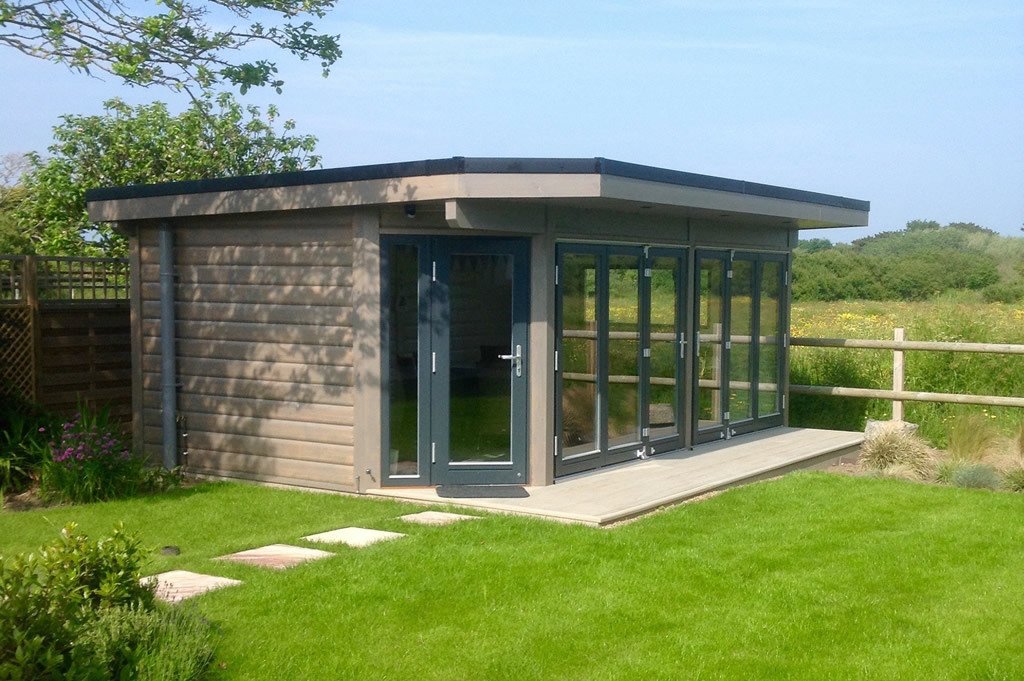
Outdoor rooms, shade structures, and weatherproof furnishings extend living space beyond four walls. Multi-purpose zones—entertaining areas, quiet retreats, and play spaces—are designed for year-round use. Built-in seating, fire features, and adaptable furniture contribute to a seamless transition between inside and outside living.
7) Modular and Scalable Garden Features
Garden plans emphasize modularity: planters, raised beds, and removable borders allow for quick reconfiguration as needs evolve. This approach makes gardening accessible to a broad audience, including younger generations and urban dwellers with limited space.
8) Soil Health and Regenerative Practices
There is a growing focus on soil as the foundation of garden health. Practices such as composting, cover crops, and no-till methods improve fertility and resilience. Healthy soil supports robust plant growth, reduces pest pressure, and enhances carbon sequestration.
9) Tech-Integrated Garden Design
Technology plays a larger role in planning and maintenance. Digital design tools, garden sensors, and data-driven plant selection help homeowners optimize performance and resource use. Apps can assist with irrigation schedules, weather-aware planting, and plant care reminders.

*圖片來源:Unsplash*
10) Sustainable Hardscapes and Local Materials
Hardscape choices emphasize permeability, heat management, and local sourcing. Recycled or reclaimed materials, permeable pavements, and natural stone or timber create durable, low-impact outdoor spaces. The combination of sustainable hardscapes with soft landscaping reduces environmental footprint.
Implications for Gardeners and Designers
– Climate awareness shapes plant palettes and irrigation strategies. Local guidelines and seasonal patterns should guide plant choices and maintenance plans.
– The boundary between ornamental beauty and practical function continues to blur. Gardens that also produce food, support wildlife, or provide wellness benefits are increasingly valued.
– Affordability and scalability matter. Beginners and seasoned gardeners alike favor approachable starter projects with room to expand as confidence and resources grow.
– Education and community aspects rise. Sharing knowledge on drought-treatable practices and edible landscaping fosters wider adoption and communal resilience.
Challenges to anticipate include validating the long-term performance of newer cultivars, aligning garden plans with local water restrictions, and balancing upfront costs with anticipated savings over time. While trends emphasize sustainability and usability, individual climate, soil, and space will greatly influence which elements succeed in any given garden.
Perspectives and Impact
The 2026 garden trends reflect a broader shift toward sustainable living and ecosystem-friendly design embedded in everyday spaces. Urban dwellers seek ways to recreate the benefits of nature within compact lots and balcony setups, while suburban and rural homeowners look for resilience against droughts and heat waves. Edible landscapes promote healthful nutrition and reduce grocery bills, particularly when combined with community gardening initiatives or home-preserving practices such as canning and fermenting.
From an environmental perspective, the emphasis on soil health and pollinator support contributes to biodiversity and ecosystem services. Water-wise irrigation and rainwater harvesting lessen the burden on municipal systems and help conserve a precious resource in many regions. The integration of technology enables more precise garden care, reducing waste and improving plant performance. The modular approach to design democratizes access to gardening, encouraging beginners and renters to participate in a sustainable outdoors lifestyle.
Economic considerations include initial investments in smart irrigation, drought-tolerant plant stock, and durable outdoor furniture. However, long-term savings come from lower water usage, reduced fertilizer input, and extended outdoor living opportunities that can boost property value and quality of life. Education and access to resources will be key drivers for adoption, particularly in communities facing water restrictions or limited gardening space.
Cultural and lifestyle implications point toward gardens that support mindfulness, physical activity, and social connection. Backyard spaces become venues for cooking, entertaining, and family time, while edible gardens reconnect people with growing food. Design professionals may see a rising demand for consultative services that balance aesthetics, practicality, and environmental stewardship.
Future research and development could explore improved drought-tolerant cultivars, more efficient irrigation technology, and innovative modular garden systems. Cross-disciplinary collaboration among horticulture, landscape architecture, and urban planning can help scale these trends from individual homes to neighborhoods and communities, enhancing resilience and sustainability.
Key Takeaways
Main Points:
– Emphasis on drought-tolerant, low-maintenance plantings that support biodiversity.
– Growth of edible gardens integrated into ornamental landscapes.
– Water-wise irrigation and sustainable hardscapes become standard.
– Outdoor living spaces expand into year-round usable rooms.
– Technology and modular design empower broader participation in gardening.
Areas of Concern:
– Potential higher upfront costs for smart systems and durable materials.
– Availability of climate-appropriate plant varieties across regions.
– Need for ongoing education to maximize sustainable practices and avoid misapplication.
Summary and Recommendations
For 2026, the garden landscape centers on sustainable, versatile, and wellness-oriented outdoor spaces. Homeowners should begin with a practical garden audit to identify climate constraints, soil health needs, and space opportunities. Prioritize drought-tolerant perennials and edible plants that suit your climate, and consider starting with a few scalable features that can grow with you over time.
Invest in a smart irrigation system and efficient mulch strategies to conserve water. Create pollinator-friendly habitats and ensure you have diverse plant layers to support wildlife. Design outdoor areas as flexible spaces that can function for dining, entertaining, relaxation, and play across seasons. Embrace modular garden components—raised beds, planters, and adaptable seating—to allow easy reconfiguration as your needs evolve. Finally, integrate technology for planning and maintenance, while remaining mindful of energy and resource use.
By adopting these practices, gardeners can enjoy beautiful, productive, and sustainable outdoor spaces in 2026 and beyond, while contributing to broader environmental resilience.
References
- Original: https://abeautifulspace.co.uk/10-large-garden-trends-everyone-will-be-trying-in-2026/
- Additional references:
- https://www.kovachwater.com/blog/2023/04/robust-drought-tolerant-plants
- https://www.landscapeindustry.com/2024-trends/eco-friendly-hardscapes
- https://www.extension.iastate.edu/Publications/PM2184.pdf

*圖片來源:Unsplash*