TLDR
• Core Points: Urban living drives compact balcony gardening, modular setups, sustainable materials, and sensory experiences with greenery, seating, and lighting.
• Main Content: In 2026, balcony gardens emphasize space optimization, low-maintenance plant palettes, multifunctional furniture, and integrated tech and sustainability.
• Key Insights: Trends blend aesthetics with practicality, offering flexible, scalable solutions for small outdoor spaces in cities worldwide.
• Considerations: Budget, local climate, and building rules shape trend adoption; ongoing maintenance remains essential.
• Recommended Actions: Start small with scalable planters, choose durable materials, and prioritize water-efficient systems and versatile seating.
Content Overview
Balcony gardens are enjoying a significant moment in 2026 as urban dwellers seek to expand their living space, soften concrete environments, and bring nature closer to home. With terraces and small outdoor areas becoming more central to daily life, designers, homeowners, and renters are exploring ways to maximize limited square footage without sacrificing style or comfort. This year’s trends highlight practical approaches to creating lush, green escapes that are resilient, easy to maintain, and visually compelling. The core idea is to transform balconies into year-round retreats that function as outdoor rooms—perfect for relaxing, dining, working, or growing fresh herbs and small vegetables.
The evolution of balcony gardening reflects broader shifts in urban planning and consumer preferences. Demand for sustainable, low-impact materials and water-wise irrigation systems aligns with growing environmental awareness. At the same time, the desire for personalized, Instagram-worthy spaces pushes designers to blend natural textures, warm lighting, and modular furniture into cohesive micro-environments. Across locations—from high-rise apartments to mid-rise condominiums—balcony gardens are becoming more than decorative add-ons; they are practical, adaptable extensions of the home.
This article distills ten prominent trends that are shaping garden balconies in 2026. While these trends can be adopted individually, many homeowners find the most value in combining several into a single, cohesive design that suits their climate, sun exposure, and lifestyle. The common thread is thoughtful curation: selecting plants and materials that thrive in a compact space, choosing furniture that serves multiple purposes, and incorporating ambiance-enhancing elements that elevate the outdoor experience.
In-Depth Analysis
1) Space-Saving Planting Strategies
With limited balcony real estate, gardeners prioritize vertical and layered planting. Wall-mounted planters, trellises, railing gardens, and hanging baskets allow for a verdant display without consuming precious floor space. Compact varieties such as dwarf tomatoes, miniature peppers, herbs, and compact flowering perennials are favored for their productivity and ease of care. For shade-challenged balconies, shade-tolerant ferns and ornamental grasses offer texture and movement. The emphasis is on smart design rather than sheer volume: shelves, corner units, and modular planters create a tiered, lush effect that feels full without overcrowding.
2) Modular and Flexible Furniture
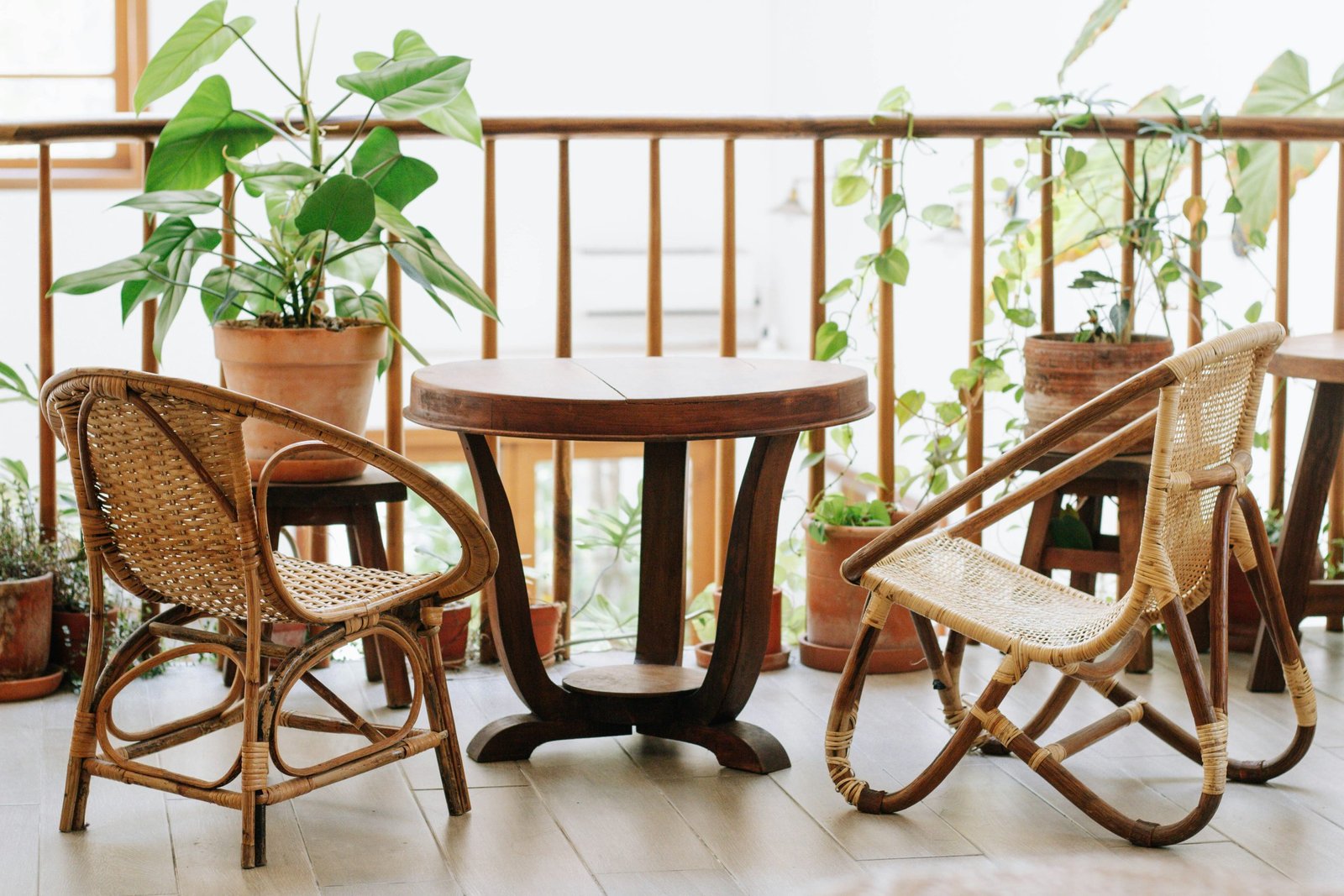
Multi-functional, weather-resistant furniture remains central to balcony usability. Folding tables, stackable chairs, and modular seating systems enable owners to reconfigure layouts for dining, lounging, or work-from-home tasks. Storage-aware pieces—benches with hidden compartments, planter boxes with integrated seating—reduce clutter and maximize usable space. Neutral tones with natural textures (rattan, teak, aluminum) provide versatility, while cushions and textiles in sun-resistant fabrics introduce color and comfort without sacrificing durability.
3) Low-MMaintenance Plant Palettes
Plant selection prioritizes resilience and ease of care. Drought-tolerant, native, or climate-appropriate species reduce watering and maintenance demands. Consider drought-tolerant succulents, hardy herbs, and perennial flowering plants that rebloom across seasons. In urban environments with variable light, gardeners choose plant combinations that can tolerate a range of sun exposure, pairing sun-loving varieties with shade-tolerant companions. Self-watering planters and drip irrigation contribute to a hands-off approach, especially for busy residents.
4) Sustainable Materials and Eco-Friendly Practices
Sustainability informs both materials and rituals. Recycled or reclaimed wood, FSC-certified lumber, and recyclable plastics help minimize environmental impact. Composite decking, powder-coated metal, and rot-resistant plastics increase longevity in outdoor conditions. Water conservation through rain barrels, smart irrigation, and soil moisture sensors supports responsible gardening. Composting on a balcony—using compact, odor-controlled bins—turns kitchen scraps into valuable soil amendments and reduces waste.
5) Lighting That Extends the Day
Outdoor lighting transforms balcony usability after sundown. Warm, layered lighting creates a cozy atmosphere while ensuring safety. LED string lights, weatherproof lanterns, and integrated step or rail lighting add drama and functionality. Lighting plans consider energy efficiency and color temperature to complement plant health and furniture finishes. Dimmable options and smart controllers enable ambience shifts from intimate dinners to productive evening work sessions.
6) Bio-Diverse Micro-Ecosystems
Even on small scales, balcony gardens can support biodiversity. Plant selections that attract pollinators—such as bees and butterflies—provide ecological benefits while enhancing the garden’s vitality. Adding a shallow water feature, bird-friendly elements, or insect hotels can promote a lively, biodiverse balcony. A diverse plant palette enhances resilience by reducing the risk of pests and disease spreading through a monoculture.
7) Wellness-Focused Design
Balconies are increasingly seen as spaces for mental and physical well-being. Comfortable, ergonomic seating invites rest and mindfulness, while greenery reduces noise perception and improves air quality. Aromatic herbs like basil, mint, and lavender provide uplifting scents and culinary options. The overall design prioritizes comfort, reducing clutter, and creating a sanctuary that supports daily wellness routines.

*圖片來源:Unsplash*
8) Seasonal Transitions and Year-Round Use
Designs now emphasize continuity across seasons. Wind-resistant arrangements, evergreen textures, and protective covers extend balcony usability throughout the year. In colder climates, wraparound fencing, windbreaks, or removable enclosures help retain warmth and shelter plants during harsher months. Color and texture choices—such as evergreens for winter structure and vibrant annuals for summer bursts—keep the balcony attractive year-round.
9) Outdoor-Indoor Hybrid Experiences
The line between indoor and outdoor living continues to blur. Balcony spaces are styled to echo the indoors: matched furniture, cohesive color schemes, and indoor-grade textiles that tolerate outdoor exposure. Outdoor rugs and weatherproof artwork provide a homey atmosphere. Large sliding doors or Juliet balconies connect the interior with the exterior, reinforcing the feeling of an integrated living environment.
10) Smart, Connected Balcony Environments
Technology enhances balcony management without demanding constant attention. Smart irrigation systems monitor soil moisture and weather to optimize watering schedules. Lighting and climate controls—integrated with voice assistants or mobile apps—provide convenience and energy savings. For some, sensors and cameras offer security and peace of mind, particularly on higher floors or in shared-building environments.
Perspectives and Impact
The 2026 balcony gardening movement reflects a broader cultural shift toward more sustainable, space-efficient urban living. As cities densify and outdoor access remains limited, residents are reimagining balconies as vital, multifunctional extensions of the home. This approach supports mental health, seasonal enjoyment, and culinary experimentation, all while prioritizing environmental stewardship.
The emphasis on modularity and adaptability aligns with rental markets and housing designs that favor flexible furniture and removable planters. For property developers and designers, balcony spaces offer opportunities to add value by delivering turnkey garden solutions that require minimal maintenance. The integration of smart technology with landscaping demonstrates a growing convergence between home automation and exterior environments, enabling personalized experiences with lower energy footprints.
Nevertheless, challenges persist. Balconies in older buildings may have weight and structural limitations that constrain plant choices and furniture. Building codes and HOA regulations can affect what materials are permissible or whether water features and certain irrigation systems are allowed. Maintenance remains an ongoing consideration, especially for urban climates with pollution, limited sunlight, or strong wind exposure. Cost considerations also factor into trend adoption, as high-quality materials, durable furniture, and smart systems can require significant upfront investment.
Looking ahead, the continued evolution of balcony gardens will likely emphasize even greater automation, more resistant plant varieties, and adaptive designs that accommodate changing life circumstances—from work-from-home needs to evolving family sizes. Designers may experiment with modular, scalable balcony ecosystems that can be expanded or contracted as residents relocate or as balconies are refurbished. As climate resilience becomes increasingly critical, water-efficient technologies and drought-tolerant landscapes will be essential components of sustainable balcony gardening.
Key Takeaways
Main Points:
– Space-saving design is essential for balcony gardening, using vertical greenery and modular planters.
– Flexible furniture and smart technology enable multifunctional outdoor spaces.
– Sustainable materials and water-wise practices are central to contemporary balcony gardens.
– Plant palettes favor resilience, low maintenance, and seasonal interest.
– Lighting and ambience transform balconies into usable outdoor rooms.
Areas of Concern:
– Structural constraints and building regulations may limit certain installations.
– Upfront costs for quality materials and smart systems can be substantial.
– Maintenance intensity can increase with high-growth or complex ecosystems.
Summary and Recommendations
Balcony gardening in 2026 centers on turning small outdoor spaces into functional, stylish, and sustainable extensions of the home. The interplay of vertical planting, modular furniture, and eco-conscious choices creates versatile environments suitable for eating, relaxing, and growing edible plants. To implement these trends effectively, start with a modest, scalable plan: assess sun exposure, weight limits, and local climate; select durable, weather-resistant materials; and choose a plant palette that aligns with maintenance capacity and water availability. Incorporate smart irrigation and energy-efficient lighting to minimize ongoing effort and environmental impact. Finally, design with a cohesive theme in mind—whether rustic, modern, or tropical—so that all elements harmonize to create a balanced, inviting outdoor room.
References
- Original: https://abeautifulspace.co.uk/10-garden-balcony-trends-in-2026-youll-see-everywhere/
- Additional references:
- https://www.housebeautiful.com/room-decorating/outdoor-ideas/g3285/balcony-garden-ideas/
- https://www.apartmenttherapy.com/balcony-garden-ideas-367719
- https://www.bhg.com/gardening/yard-and-garden/porches-balconies/porch-balcony-garden-ideas/

*圖片來源:Unsplash*