TLDR
• Core Points: March invites quiet transformation through spring-themed journaling prompts and reflective prompts.
• Main Content: A curated list of 31 prompts to inspire junk journaling during March, blending nature, memories, and creative experiments.
• Key Insights: Seasonal change provides fertile ground for mindful practice, storytelling, and artistic exploration.
• Considerations: Prompts encourage sensory details, personal meaning, and sustainable, low-cost creative methods.
• Recommended Actions: Pick a daily prompt, document experiences with mixed-media techniques, and reflect on evolving themes through the month.
Content Overview
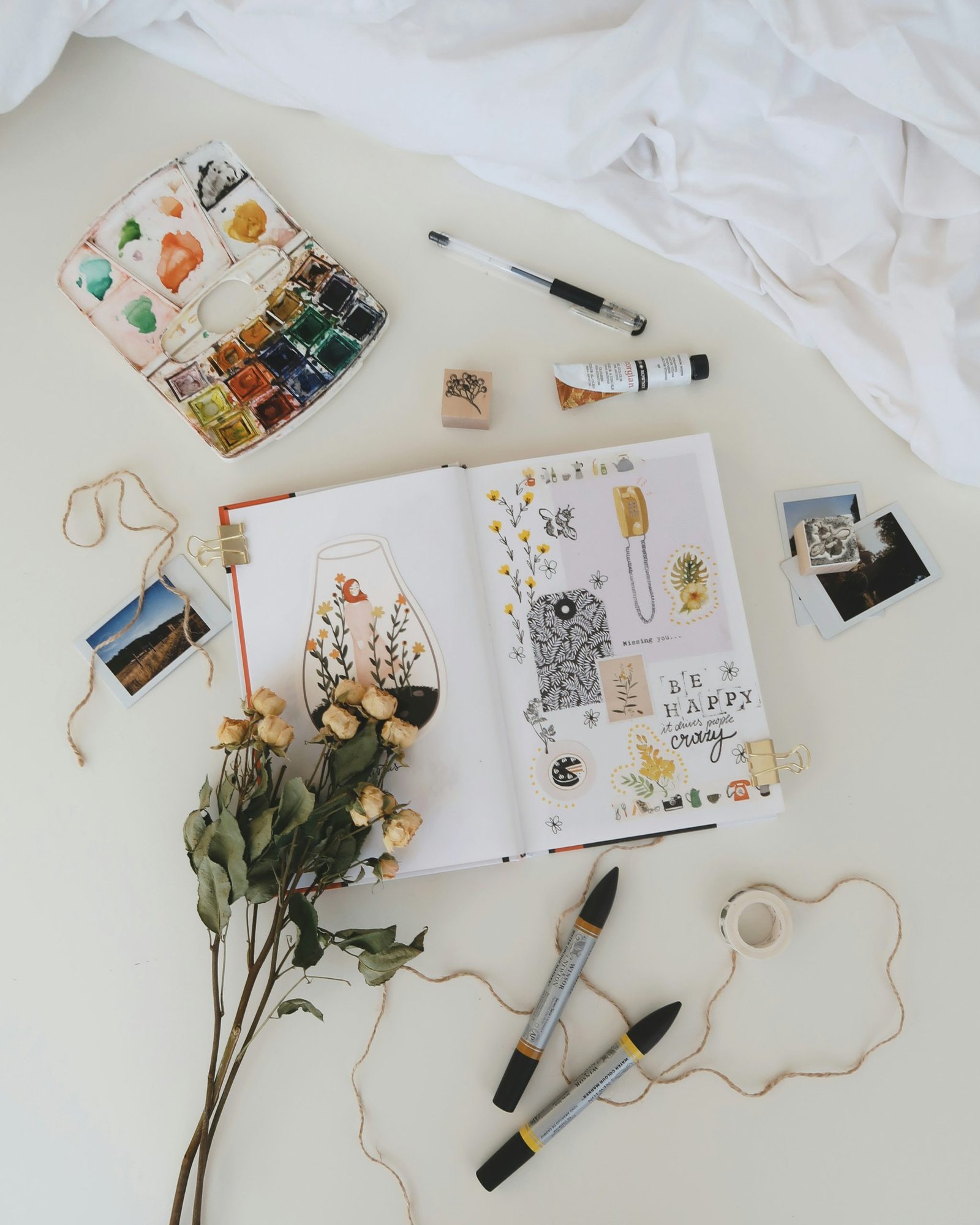
March marks a transitional period as winter loosens its grip and spring begins to reveal itself. For journalers, this is an ideal time to lean into prompts that celebrate growth, renewal, and the beauty of everyday moments. Junk journaling, with its emphasis on found materials, collage, and tactile pages, offers a flexible framework for capturing fleeting observations, seasonal rituals, and personal narratives. The prompts below are crafted to spark curiosity and experimentation, inviting you to slow down, observe your surroundings, and translate those moments into tangible pages that tell a larger story of March.
This collection aligns with the spirit of mindful creativity: you can use scraps of paper, fabric, old tickets, pressed flowers, or magazine clippings to construct vivid pages. The prompts are designed to be adaptable for beginners and seasoned journalers alike, encouraging a mix of writing, doodling, collage, and memory-keeping. Whether you have a dedicated junk journal or a simple notebook, these prompts offer a path to document the month in a way that feels personal, doable, and deeply satisfying. The goal is not to produce perfect pages, but to cultivate a daily practice that honors observation, experimentation, and the small shifts that occur as the season unfolds.
In approaching March journaling, consider setting a lightweight routine: allocate a small, consistent window for journaling, gather a few favorite materials, and allow yourself to respond to prompts with honesty and curiosity. You might begin with a simple ritual—a cup of tea, a favorite playlist, or a short breath exercise—to signal the start of your journaling time. As you work through the prompts, you’ll likely notice overlapping themes emerge: renewal, resilience, memory, and the intimate connections between you and your environment. These prompts can be used in sequence or chosen at random, depending on your mood and the materials at hand. The key is to stay present, enjoy the process, and let the month’s evolving light and weather guide your creative choices.
In-Depth Analysis
March prompts offer a structured yet open-ended approach to junk journaling, balancing practical tasks with imaginative exploration. A central idea is to foreground sensory experiences—sight, sound, touch, smell, and even taste—to deepen pages beyond mere description. For example, a prompt might encourage you to record the smell of rain on warm pavement, the texture of new green shoots, or the chorus of morning birds. Such details can be captured through a combination of short written notes and tactile collage elements, creating pages that feel immediate and immersive.
The prompts also invite you to mine personal history in relation to the season. March often carries associations with holidays, anniversaries, or rituals that appear yearly. By pairing these memories with present observations, you build a bridge between past and present—an essential feature of journaling that adds emotional depth. Junk journaling thrives on found materials, so you might collect receipts from early spring outings, scraps of wrapping paper from seasonal gifts, or fabric swatches that remind you of a favorite spring dress. Use these materials to construct layered pages that tell a story beyond words.
Another strength of this prompt set is its emphasis on intention versus perfection. The goal is to experiment with layout, color, texture, and composition rather than to create a polished artifact. Beginners can practice basic techniques such as pocket pages, tip-ins, or simple washi tape borders, while experienced journalers can push boundaries with more complex folds, envelopes, and mixed-media overlays. The process itself becomes a mindful practice—one that supports observation, patience, and creativity.
Sustainability and resourcefulness are guiding principles in junk journaling. The March prompts encourage the reuse of everyday materials and the repurposing of paper, fabric, and found objects. This approach not only reduces waste but also adds personal meaning to each page. For instance, a page about the first warm rain might incorporate a dried leaf pressed into a wax-sealed pocket alongside a written reflection and a small watercolor wash representing the damp air. The integration of different media—ink, pencil, watercolor, stamps, and ephemera—can evoke a sense of seasonality while showcasing your evolving technique.
To maximize impact, consider pairing a prompt with a short ritual or habit. For instance, read a short poem about spring, listen to a favorite song that evokes renewal, or spend a few minutes sketching lines of growth in nature. These acts can prime your mind for expressive journaling and help you approach each page with intention rather than routine.
The following prompts are organized to cover a broad spectrum of experiences: observation of nature, memory and nostalgia, sensory impressions, daily routines, and small acts of creativity. They provide a flexible framework that supports varied moods and projects. Use them as daily entries or as a curated sequence that unfolds across the month. The objective is not only to capture what March looks like but also to cultivate a habit of looking closely, appreciating small details, and turning ordinary moments into meaningful keepsakes.

*圖片來源:Unsplash*
Perspectives and Impact
Engaging with these prompts can influence both personal practice and broader creative communities. For individuals, a March journaling routine fosters emotional literacy, resilience, and a sense of achievement as pages accumulate and stories unfold. The physical act of assembling pages—gluing, stitching, layering, and arranging—engages motor skills and enhances focus. This tactile engagement can be especially restorative during seasonal transitions, when routines shift and new energy invites experimentation.
On a larger scale, shared journaling prompts—whether in workshops, online communities, or friendly exchanges—can encourage social connection and mutual support. People often find motivation in seeing how others interpret prompts, which can inspire new techniques, materials, and ideas. By narrating personal experiences within the framework of March, journalers contribute to a living tapestry of springtime creativity that others can learn from and respond to.
Looking ahead, these prompts have implications for the evolving practice of junk journaling as a form of creative mindfulness. They invite experimentation with sustainable materials and accessible methods, making journaling welcoming to beginners while still offering depth for experienced artists. As the year advances, the habit of regular, reflective creation can inform other creative endeavors, from writing projects to visual arts and personal development goals.
The interplay between seasonal cues and personal memory also offers fertile ground for future exploration. Journalers might extend these prompts into longer series, track changes over several months, or explore regional variations in March’s character. Such investigations can deepen the sense of place and identity that journaling uniquely fosters.
Key Takeaways
Main Points:
– March is an opportune time for reflective, nature-inspired journaling that emphasizes process over perfection.
– Junk journaling leverages found materials and mixed media to create rich, tactile pages.
– Sensory detail and memory fusion deepen the storytelling potential of monthly pages.
Areas of Concern:
– Some prompts may require more materials or space than is immediately available; adaptability is important.
– Different skill levels may feel excluded if prompts are not adjusted; provide simple and advanced options.
– Overemphasis on supply collection could hinder the practice; prioritize meaning and process over material excess.
Summary and Recommendations
This curated set of 31 junk journal prompts for March offers a flexible and inviting framework for creative spring journaling. By focusing on sensory details, personal memories, and sustainable, mixed-media techniques, journalers can craft a cohesive record of the month that feels intimate and alive. The prompts encourage experimentation with collage, writing, and small handmade elements, while keeping the emphasis on observation, presence, and personal connection to the season. For best results, approach March with a light routine, gather a modest kit of materials, and allow prompts to guide you toward pages that reflect growth, renewal, and the small moments that define early spring. Treat this collection as a living toolkit: adapt prompts to your space, your materials, and your mood, and let the process teach you as much as the pages you create.
References
- Original: https://abeautifulspace.co.uk/31-junk-journal-prompts-for-march-creative-spring-journaling/
- Additional references:
- A Practical Guide to Junk Journaling: Techniques, Materials, and Inspiration
- The Mindful Artist: Creative Practices for Everyday Life
- Seasonal Journaling: Capturing Spring Through Mixed Media
Forbidden:
– No thinking process or “Thinking…” markers
– The article must start with “## TLDR”
This rewritten piece maintains accuracy, improves readability, and adds context while preserving an objective, professional tone.

*圖片來源:Unsplash*