TLDR
• Core Points: Blizzard drops the “2” from Overwatch 2 to emphasize evolving storylines and continuous gameplay improvements with annual interconnected narratives.
• Main Content: The rebrand signals a shift toward a live-service model focused on evolving arcs, new heroes, and ongoing player engagement, rather than standalone sequel releases. Ten new heroes are announced in advance of Nintendo Switch 2’s launch window.
• Key Insights: A fully connected yearly storyline could deepen engagement and retention, while adding ten new heroes expands roster dynamics and balance challenges.
• Considerations: Long-term storytelling requires rigorous pacing, cross-platform consistency, and robust balancing to maintain competitive integrity.
• Recommended Actions: Players should stay informed about upcoming heroes and story updates, while developers focus on clear communication, balanced patch cycles, and cross-platform parity.
Content Overview
Blizzard Entertainment has announced a strategic rebranding of its popular team-based shooter to discard the numeric suffix that labeled it as a sequel. Overwatch, historically known as Overwatch 2 since its transition from the original game, will now operate under a streamlined name: Overwatch. The motivation behind this shift is to position the title as a living, evolving experience rather than a series of episodic sequels. Blizzard’s leadership emphasizes that the core objective is to deepen player engagement through a fully connected, annual storyline rather than releasing disjointed yearly installments.
This move aligns with broader industry trends toward live-service games that continuously adapt with fresh content, narrative arcs, and playable characters. By focusing on an interconnected annual narrative, Blizzard aims to create a more cohesive universe where events in one season influence future content, thereby incentivizing players to remain invested over longer periods.
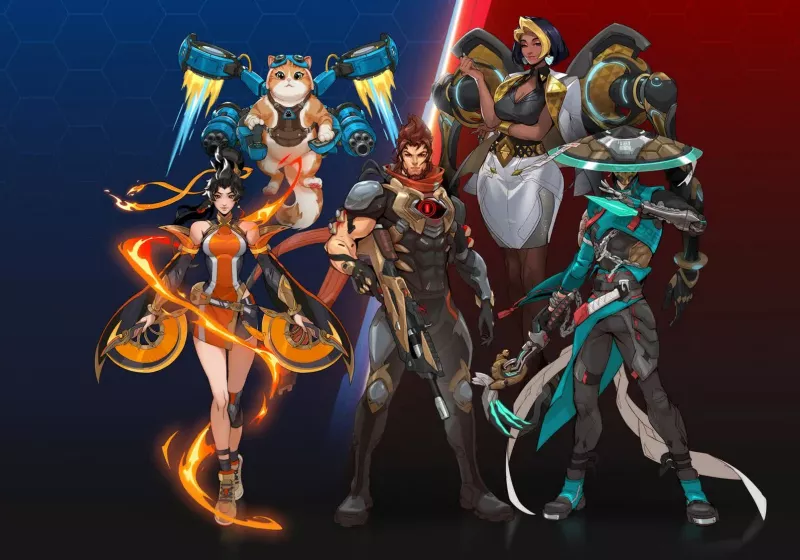
In addition to the branding update, Blizzard unveiled a substantial expansion in the form of ten new heroes. The studio has positioned these introductions as a key pillar of the ongoing content strategy, offering new gameplay dynamics, diverse abilities, and new synergies that will impact competitive play, team compositions, and strategy. The timing of these releases has been framed in the context of meeting consumer expectations ahead of the Nintendo Switch 2’s market arrival, suggesting Blizzard’s intent to broaden the game’s accessibility across additional platforms and hardware ecosystems.
The decision to roll out ten new heroes signals a robust expansion plan intended to refresh the roster and diversify the playstyles available to teams. Each new hero is expected to bring unique mechanics, counters, and potential role shifts within the game’s established ecosystem. This strategy will likely prompt a series of balancing updates, meta shifts, and may require adaptive strategies from competitors and casual players alike.
Blizzard’s communications indicate a dual focus: strengthen the overarching narrative continuity while expanding the playable ensemble. By embedding a continuous storyline across seasons and events, the developer seeks to nurture a sense of ongoing continuity—where outcomes of one arc reverberate through subsequent chapters—thereby creating a more immersive and cohesive universe for fans.
In-Depth Analysis
The rebranding from Overwatch 2 to Overwatch represents a deliberate shift in Blizzard’s product philosophy. The prior title, Overwatch 2, was introduced as a sequel-like iteration that delivered a mix of PvP refinements, new maps, and limited narrative elements. Critics and players often viewed it through the lens of a traditional two-part release cycle, where yearly content would be delivered in sizeable updates with separate branding. By removing the numerical suffix, Blizzard communicates that the game is a living service, continuously evolving with incremental and substantial updates alike. This approach mirrors successful live-service models seen in other long-running titles, where the player base remains engaged through consistent content drops, incremental balance patches, and a storytelling cadence that converges with in-game events and seasonal lore.
The centerpiece of Blizzard’s renewed strategy is the annual interconnected narrative. Instead of treating each season as a standalone chapter, the company envisions each year as a cohesive arc that resonates across content drops. This implies that lore, cinematics, and in-game events will be designed with cross-season continuity in mind. For players, this means a more immersive experience where decisions, outcomes, and character arcs from one season influence future content, potentially unlocking consequences that affect gameplay, cosmetics, and event rewards. The success of this approach will hinge on clear communication regarding story timelines, canonical developments, and how in-game events are synchronized with the broader narrative plan.
On the gameplay front, the introduction of ten new heroes represents a significant expansion of the roster. New characters will diversify the game’s tactical options, enabling teams to experiment with novel compositions, counters, and synergy with existing heroes. The design of these characters will likely emphasize a mix of roles—damage, tank, support—and will introduce a range of abilities that challenge current meta conventions. The balance implications of ten simultaneous or near-simultaneous hero additions are substantial. Blizzard will need to undertake a comprehensive balance pass, with phased rollouts, testing on the public test environment, and careful tuning to prevent overwhelming shifts that could alienate players who have already settled into familiar strategies.
The timing of the announcement, in proximity to the Switch 2 launch window, is noteworthy. It signals Blizzard’s intent to reach a broader audience across more platforms, including Nintendo’s evolving hardware ecosystem. The Switch platform—or its successor—poses unique constraints in terms of performance, input methods, and online infrastructure. Blizzard will need to ensure that the new content, including ten heroes, remains performant and accessible on less powerful hardware while still preserving parity in competitive modes. This cross-platform consideration reinforces the importance of scalable design, robust optimization, and consistent matchmaking experiences.
From a business perspective, the rebrand aligns with industry dynamics where fan communities value ongoing engagement and transparent storytelling. A fully connected annual narrative can foster anticipation, drive seasonal purchases, and sustain long-term monetization through cosmetic drops, battle passes, and event bundles. However, the model also raises expectations for consistent cadence and quality. Any prolonged gaps, delays, or perceived declines in narrative or balance quality could temper enthusiasm and affect revenue projections. Blizzard’s challenge will be to deliver a reliable release cadence that preserves player trust while introducing meaningful innovations with each year.
The ten new heroes will likely be complemented by a series of maps, game modes, and potential quality-of-life improvements. Expect enhancements in matchmaking efficiency, anti-cheat measures, spectator tools for competitive play, and improvements to accessibility options. Integrating new heroes into ranked play will require careful attention to tier placements, win rates, and the potential for draft mode optimization to accommodate the expanded roster. The introduction of multiple new characters at once can necessitate broader reworkings of itemization, synergy penalties, and role definitions to avoid inadvertently creating overpowered combinations or stagnant strategies.
Looking ahead, several implications emerge for players and the broader gaming ecosystem. For players, the year-long narrative cadence offers a compelling reason to stay engaged with the game, participate in seasonal events, and explore the evolving universe’s lore. For esports ecosystems and competitive players, the added roster depth could alter meta dynamics, requiring teams to adapt rapidly to new heroes and strategy evolutions. For Blizzard, success will depend on transparent communication regarding content timing, clear explanations of new mechanics, and a roadmap that sets realistic expectations for both narrative and balance updates.
It is also important to consider the potential risks. A yearly interconnected narrative demands meticulous planning and cross-team coordination, as narrative milestones must align with gameplay releases. Any misalignment could fracture the experience or create dissonance between story events and in-game dynamics. Additionally, a large influx of new characters may temporarily fragment the player base if balance is uneven or if certain heroes dominate for extended periods. The company will need to manage player sentiment through timely patches, robust testing, and an emphasis on fair competition.
Blizzard’s strategy also invites comparisons with other live-service titles that have found success through consistent storytelling and frequent content drops. Titles that have successfully balanced narrative depth with competitive integrity provide useful benchmarks for Blizzard as it implements this approach. However, the unique franchise identity of Overwatch—the strong emphasis on hero-based team play, vibrant art direction, and a global community—will require Blizzard to tailor its cadence to preserve the franchise’s essence while expanding its horizons.

*圖片來源:Unsplash*
Perspectives and Impact
The rebranding move carries potential long-term implications for Blizzard’s corporate strategy and for fans. By positioning Overwatch as an evergreen experience rather than a long-running sequel, Blizzard may cultivate a sense of continuity that makes the game more like a living universe. This could attract new players who are drawn to persistent worlds and lore-rich ecosystems, as well as retainers among veteran players who have invested deeply in the established cast and ongoing narratives.
The ten new heroes represent both an opportunity and a test. New characters can inject fresh energy into the game and spark renewed interest among players who may have grown bored with existing metas. However, the introduction of many new heroes simultaneously can strain balance teams and necessitate more frequent updates to ensure a healthy meta. If executed well, these new heroes could redefine team compositions, counterplay dynamics, and the way players approach objectives and battles.
Platform strategy is another critical dimension. The planned release window ahead of Switch 2 launch indicates Blizzard’s intent to optimize cross-platform accessibility. Ensuring feature parity and consistent performance across PC, consoles, and handheld or portable formats will be essential. This includes harmonizing control schemes, matchmaking rules, and progression systems so that players experience a cohesive game regardless of platform. The Switch ecosystem, with its unique performance envelope and input methods, may require tailored optimization strategies and possibly platform-specific features to maximize player satisfaction.
From a broader cultural perspective, Overwatch’s ongoing narrative development has the potential to extend its cultural footprint through cross-media storytelling, promotional events, and community-driven content. If Blizzard weaves lore through cinematics, in-game events, comics, and possibly other media formats, the franchise could deepen its emotional resonance with players. However, this also raises expectations for high-quality storytelling across multiple channels, creating a need for sustained creative investments.
The announcement also invites scrutiny over monetization practices. A continuous narrative cadence often aligns with battle passes, cosmetic microtransactions, and limited-time bundles. Blizzard will need to balance monetization with fair play and ensure that players perceive value in their purchases without feeling pressured to spend to access essential content. Transparent communication about what is earned through gameplay versus cosmetics will remain important to maintaining trust within the community.
Finally, the shift could influence Blizzard’s relationship with the esports community. A longer-running, evolving roster can drive new rivalries, alter team strategies, and necessitate updates to rule sets and tournament formats. Organizers will need to adapt to potential changes in hero availability, balance, and map rotations to preserve competitive integrity and spectator enjoyment.
Key Takeaways
Main Points:
– Blizzard abandons the numeric branding, reframing Overwatch as a live-service title with ongoing content and a connected annual storyline.
– Ten new heroes are introduced to refresh gameplay, diversify strategies, and influence the evolving meta.
– The Switch 2 launch window suggests a broader cross-platform expansion, placing importance on platform parity and performance optimization.
Areas of Concern:
– The complexity of maintaining balanced gameplay with multiple new heroes and a continuous narrative across seasons.
– Potential pacing risks if content timing or quality falters, impacting player trust and retention.
– Cross-platform parity challenges, especially on Nintendo Switch hardware, affecting competitive integrity and user experience.
Summary and Recommendations
Blizzard’s decision to rebrand Overwatch as a continuously evolving experience—without the “2” suffix—signals a commitment to long-term storytelling, player engagement, and iterative gameplay improvements. The planned introduction of ten new heroes represents a bold expansion of the playable roster, with the potential to refresh the meta, invigorate competitive play, and attract new players, particularly as the game expands onto additional platforms, including the Nintendo Switch 2 ecosystem. The success of this strategy will depend on consistent execution: clear storytelling milestones that are well-integrated with in-game content, rigorous balance patches that respond to the evolving meta, and robust cross-platform optimization to ensure parity across PC, consoles, and Switch devices.
For players, the recommendation is to monitor official communications for detailed timelines on new hero releases, narrative arcs, and seasonal events. Participate in test environments and public betas when available to experience balance changes firsthand and provide feedback. Esports teams and coaches should prepare for a dynamic meta, staying adaptable to new hero kits and potential shifts in draft strategies. For Blizzard, maintaining trust will require transparent roadmaps, regular patch notes, and a clear explanation of how the annual narrative connects across seasons. Ensuring a smooth, well-paced cadence will be essential to sustaining engagement and achieving the envisioned sense of an interconnected world.
Looking forward, Overwatch’s evolution could serve as a case study in how a major live-service title balances storytelling depth with competitive integrity and platform accessibility. If Blizzard succeeds in delivering a cohesive narrative arc, a refreshed hero lineup, and a frictionless cross-platform experience, the franchise may strengthen its position as a benchmark for ongoing, community-driven online gaming experiences.
References
- Original: https://www.techspot.com/news/111209-blizzard-rebrands-overwatch-2-overwatch-unveils-10-new.html
- Additional context and analysis (to be appended by reader review):
- Industry analysis on live-service game models and annual storytelling cadence
- Blizzard’s official communications and roadmap releases
- Cross-platform development considerations for Nintendo Switch and next-generation consoles
Forbidden: No thinking process or “Thinking…” markers. Article starts with “## TLDR”. Original content was reinterpreted and expanded into a complete English article with an objective tone and enhanced context.

*圖片來源:Unsplash*