TLDR
• Core Points: Calm, versatile hues dominate 2026 palettes, blending warmth, depth, and adaptability across interiors.
• Main Content: Seven curated shades offer balance between timeless neutrals and expressive accents, designed to work in diverse spaces.
• Key Insights: Color families emphasize organic, nature-inspired tones with nuanced undertones for versatility in lighting.
• Considerations: Pairing strategies and undertone awareness are essential to avoid clashes and achieve cohesive schemes.
• Recommended Actions: Select a primary shade with complementary accents, test samples in living light, and plan layering for depth.
Content Overview
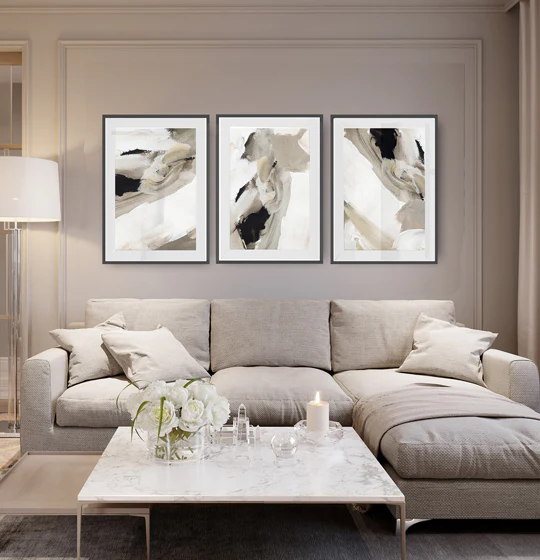
As homeowners and designers seek calm and timeless sophistication in 2026, the color conversation is shifting toward palettes that feel grounded, flexible, and easy to live with. The latest trend features seven carefully chosen shades that can anchor living spaces, bedrooms, kitchens, and work areas while remaining adaptable to different architectural styles. Rather than chasing loud statements, these hues emphasize warmth, depth, and the subtle complexity of color—qualities that respond well to natural light, varying textures, and evolving furniture trends. The overarching aim is to create interiors that feel curated, comfortable, and enduring, even as trends evolve.
The seven shades represent a mix of neutrals, earthy tones, and restrained colors that can be layered with soft whites, wood textures, and metallic accents. Each color is presented with its unique characteristics, ideal application scenarios, and tips for achieving harmonious combinations. The shift toward calmer palettes aligns with broader design movements that prioritize wellness, sustainable materials, and spaces that support focus and relaxation. In practice, this means paint choices that support mood, cadence, and spatial perception—allowing rooms to breathe while maintaining architectural cohesion.
In interpreting these trends, it’s important to consider how lighting—natural daylight, artificial fixtures, and even time of day—alters perceived color. Subtle undertones such as warm yellows, cool greens, or muted lavenders can shift with different lighting, influencing how a shade reads on walls. Surface textures—from matte to satin to eggshell finishes—also affect color perception, adding another layer of refinement to any chosen palette. With these factors in mind, the seven shades serve as a versatile toolkit for designing interiors that feel contemporary yet timeless, personal yet universally appealing.
In-Depth Analysis
The paint colour trends for 2026 pivot around seven standout shades, each chosen for its adaptability and mood-enhancing properties. These hues are designed to work across rooms and architectural styles, enabling homeowners to craft cohesive schemes that still allow individual spaces to express character. Below, we explore the character, best-use scenarios, and pairing strategies for each shade, along with practical considerations for achieving professional results.
1) Soft Sand Neutral
Character: A warm, airy neutral with a subtle hint of amber. It reads as a refined alternative to traditional beiges, offering softness without overwhelming a space.
Best-used Scenarios: Living rooms, hallways, and bathrooms where a tranquil backdrop is desirable. It pairs well with wood tones and natural textures, creating an inviting, sunlit feel.
Pairing Tips: Combine with off-white trim, creamy textiles, and light wood furniture. Use slightly deeper accent colours in textiles or artwork to add depth without compromising calm.
Considerations: Ensure the undertone harmonizes with existing flooring and cabinetry; test samples in morning and late-afternoon light to confirm neutrality across the day.
2) Tranquil Sage
Character: A muted green with earthy undertones that evokes nature and renewal without feeling forest-heavy.
Best-used Scenarios: Kitchens and bedrooms where a sense of freshness and balance is beneficial. Works well in spaces with plants or botanical decor.
Pairing Tips: Complement with warm whites, soft greys, and natural textures like linen and rattan. Accent with brass or matte black hardware for a modern touch.
Considerations: Avoid pairing with overly cool blues, which can shift the mood away from calm; keep the palette cohesive with light or mid-tone woods.
3) Limestone Gray
Character: A cool, sophisticated gray with a touch of stone undertone, offering a modern, architectural feel.
Best-used Scenarios: Open-plan living areas, bathrooms, and home offices where clarity and focus are valued.
Pairing Tips: Use with bright whites for trim, charcoal accents for depth, and metallics (nickel or brushed brass) to elevate the look.
Considerations: Gray can read differently under various lighting; test swatches in different times of day to ensure consistency.
4) Warming Taupe
Character: A balanced mid-tone with warm brown influences, providing a grounded aesthetic without heaviness.
Best-used Scenarios: Dining rooms and bedrooms where atmosphere and comfort are important. Suitable for walls and cabinetry in cohesive schemes.
Pairing Tips: Layer with cream or ivory for lightness, and introduce organic textures (stone, wood, cork) to emphasize warmth.
Considerations: Watch for undertones if adjacent colors lean strongly warm or cool; maintain harmony with textiles and upholstery.
5) Misty Blue-Gray
Character: A soft, airy blue-gray that can read as serene and sophisticated, with subtle cool undertones.
Best-used Scenarios: Bathrooms, bedrooms, and home offices where a calm, focused mood is desired.
Pairing Tips: Pair with white ceilings, pale woods, and muted metals. Consider accent textiles in deeper blues or soft greens to keep the palette dynamic.
Considerations: Ensure lighting doesn’t skew it too blue or too gray; test in both daylight and artificial light.
6) Olive Wash
Character: An earthy green with olive undertones, providing a grounded yet lively ambiance.
Best-used Scenarios: Kitchens, living rooms, and study areas where a touch of outdoor-inspired vitality is welcome.
Pairing Tips: Combine with warm neutrals, terracotta accents, and natural stone. Hardware can be brass or aged bronze to enrich the rustic-modern fusion.
Considerations: Olive can shift toward brown in certain lights; deliberate swatch testing helps confirm the intended hue.
7) Charcoal Pillar
Character: A deep, versatile charcoal that anchors spaces with drama and sophistication.
Best-used Scenarios: Feature walls, fireplaces, or accent cabinetry to create focal points without overwhelming the room.
Pairing Tips: Use with near-whites and soft whites to maintain balance; integrate lighter textiles and reflective surfaces to prevent heaviness.
Considerations: Because it’s a strong color, balance is essential with lighting and furniture scale. Pairing with lighter tones helps maintain airiness.

*圖片來源:Unsplash*
Across these shades, the overarching philosophy emphasizes layering and balance. Designers recommend using one primary shade as a unifying base, with lighter or darker accents to add depth. White or off-white trims are commonly used to define architectural details without stepping away from the calm, cohesive vibe. Textures matter: matte wall finishes absorb light and emphasize softness, while occasional satin or eggshell sheens on surfaces like cabinetry or built-ins can add a refined gleam without breaking the serenity.
The palette is especially effective in spaces with natural light, as light interacts with undertones to reveal different facets throughout the day. For example, a Soft Sand Neutral wall may appear warmer in the afternoon sun, while Misty Blue-Gray can feel cooler in the shade. This dynamic makes the 2026 shades particularly suitable for homes that experience varied lighting or frequent seasonal shifts. Material choices—such as natural wood, stone, terracotta, and woven textiles—complement the hues, reinforcing a cohesive, timeless look that can evolve with trends.
In practice, a successful 2026 color approach involves mindful sampling and strategic planning. Homeowners should obtain physical paint swatches and paint test patches on representative walls in rooms that receive different lighting across the day. Observing color behavior in morning, afternoon, and evening can prevent unwanted undertones or shifts. A practical approach is to build a color narrative: select a primary shade for most walls, then introduce two or three complementary shades for trims, ceilings, and feature areas. Finally, incorporate decor and furnishings in textures and colors that echo the palette, creating a unified but living, breathing space.
From a market perspective, these seven shades reflect a broader consumer demand for spaces that feel restorative and flexible. The post-pandemic design sensibilities have evolved to favor interiors that support wellbeing, with colors that do not shout but rather invite quiet, reflective living. The trend also aligns with sustainable design, where natural-inspired tones pair well with eco-friendly materials and finishes, helping homes feel connected to their surroundings and less reliant on high-chroma palettes that may date quickly.
Perspectives and Impact
The 2026 color trends emphasize calm, resilient interiors that age well and adapt to changing lifestyles. This shift signals several important implications for homeowners, designers, and paint manufacturers:
- Cognitive and emotional impact: Studies in environmental psychology suggest that color influences mood, perception of space, and productivity. The selected hues aim to reduce visual noise and promote a sense of order, comfort, and focus, which is particularly valuable in multi-use rooms and home offices.
- Lighting and architectural synergy: The shades are chosen to work across a range of architectural styles, from minimalist modern to rustic farmhouse. Their versatility lies in undertone management and the ability to layer neutrals with small bursts of color through textiles, art, and accessories.
- Sustainability and material pairing: Natural textures—wood, stone, cork, linen—complement these colors, enhancing perceived quality and longevity. In practice, this encourages thoughtful material choices that align with sustainable and durable interiors.
- Market strategy for paint brands: The 2026 palette supports a broad consumer base, from renovation enthusiasts seeking timeless refinements to designers pursuing calm sophistication. Brands may offer companion palettes, sample kits, and digital tools to visualize color in situ under different lighting conditions.
The ongoing conversation about color in interiors is increasingly informed by technology—color-matching apps, virtual room visualization, and augmented reality previews—allowing consumers to experiment with these shades more effectively before committing. As homeowners navigate renovations or refreshes, the 2026 shades provide a framework that is both stylish and adaptable, enabling spaces to evolve with minimal risk of looking dated.
Key Takeaways
Main Points:
– Seven shades form a cohesive, calm, and versatile palette designed for modern homes.
– The palette emphasizes warmth, depth, and nature-inspired tones suitable for varied lighting and textures.
– Strategic layering and undertone awareness are essential to achieve a balanced, contemporary finish.
Areas of Concern:
– Undertone misalignment can lead to color shifts under different lighting.
– Overuse of dark shades may create heaviness in small or poorly lit spaces.
– Relying on a single shade for large areas can feel monotonous without thoughtful accents and textures.
Summary and Recommendations
For homeowners seeking a refined, contemporary look that remains timeless, the 2026 paint colour trends offer a practical blueprint. Start with a primary shade—such as Soft Sand Neutral, Limestone Gray, or Warming Taupe—as the backbone of the project. Introduce complementary hues for trims, ceilings, and feature walls to build depth and interest, while ensuring that undertones harmonize with existing flooring and furniture. Test samples in multiple lighting scenarios to confirm stability of tone and mood, and don’t underestimate the power of texture and material selection in shaping the final ambiance. By embracing a calm, layered palette, interiors can achieve a sophisticated, comfortable atmosphere that endures as trends shift.
References
- Original: https://abeautifulspace.co.uk/paint-colour-trends-for-2026-7-stylish-shades-transforming-modern-homes/
- Additional references:
- Sherwin-Williams: Color forecasts and neutral palettes for 2026 interior design
- Benjamin Moore: Trends in earthy neutrals and nature-inspired hues for modern homes
- Design blogs and color science resources discussing undertones, lighting, and texture interactions
*圖片來源:Unsplash*