TLDR
• Core Points: March prompts inspire quiet transformation, seasonal imagery, and mindful reflection for junk journaling.
• Main Content: A curated set of 31 prompts to spark a creative, spring-themed journal throughout March.
• Key Insights: Emphasis on texture, color, memory, and everyday magical details to enrich journals.
• Considerations: Balance prompts with free-form reflection and technique experimentation.
• Recommended Actions: Pick a prompt a day or cluster prompts by theme, document process, and revisit entries.
Content Overview
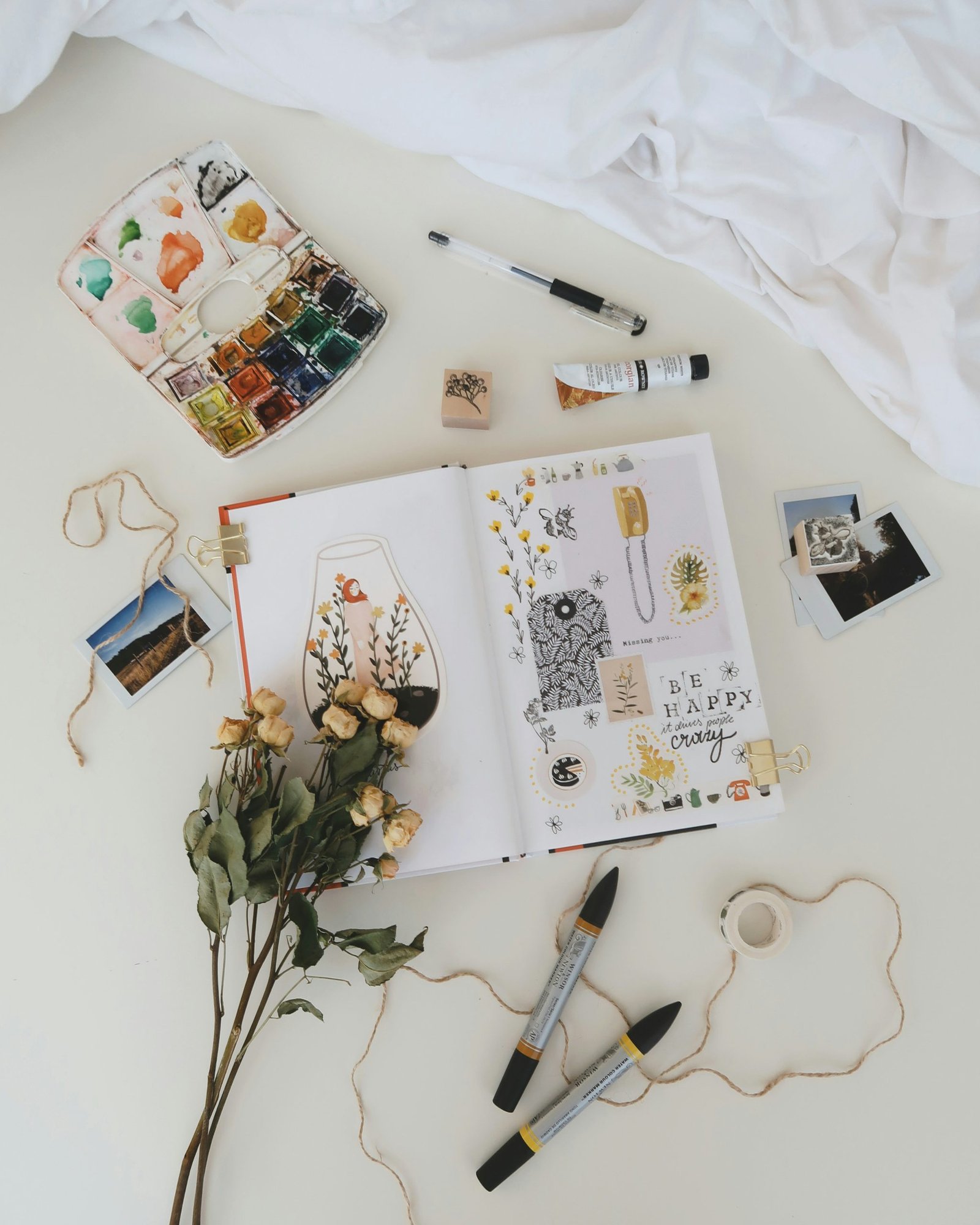
March marks a transition from the hush of late winter to the budding energy of spring. This period invites a slower pace, where the natural world begins to reveal small, meaningful changes: the first crocus breaking through the soil, the scent of damp earth after or before a rain, and the way daylight lengthens, inviting longer moments of pause for reflection. In the realm of junk journaling—a creative practice that blends found papers, textures, and ephemera with handwritten notes—March offers a fertile backdrop for experimentation. The following 31 prompts are designed to accompany a month of spring journaling. They encourage you to notice, collect, and respond to the world as it awakens, while maintaining an objective, accessible tone that can be adapted to diverse styles and skill levels.
Each prompt blends observational prompts with techniques common in junk journaling, such as layering, collage, color swatches, and tactile elements. You’ll be invited to capture personal responses to seasonal changes, document small rituals, and explore memory through a spring lens. The curated list avoids prescriptive rules, instead offering flexible directions to help you stay motivated and engaged through the month. Whether you’re a longtime junk journaler or trying this approach for the first time, these prompts aim to spark creative momentum without becoming overwhelming.
In-Depth Analysis
The collection of prompts is organized to support a gradual creative arc across March. Early prompts focus on noticing and gathering—the so-called “found” components of daily life: scraps of paper from receipts, dried flowers pressed from a recent walk, or a painting you did during a quiet afternoon. As the month progresses, prompts invite deeper reflection: pairing sensory impressions with memories, recording seasonal rituals, and experimenting with color palettes that mirror the changing landscape.
A core principle behind these prompts is accessibility. They assume no expensive materials or specialized techniques. Instead, they emphasize the value of simple supplies—old book pages, fabric remnants, ticket stubs, postcards, and envelopes—combined with your handwriting, handwriting style, and natural curiosity. The prompts encourage you to document not only what you see but how you feel about what you see, how a texture feels in the journal, or how a color makes you respond emotionally. This approach helps to ground journaling in lived experience while still inviting artistic experimentation.
From a technique standpoint, the prompts can be implemented as single-page exercises or as multi-page mini-projects. For example, one prompt may involve creating a layered collage that juxtaposes a winter memory with a spring image, using torn edges to symbolize transition. Another might ask you to create a color key for the month, collecting small color swatches from magazines, packaging, or paint chips, and annotating them with a few words about mood or memory associated with each shade.
The prompts also encourage rhythm and cadence. Some days you might devote a short, sentences-only entry to capture a fleeting moment—the scent after a rain, the way birdsong sounds at a particular hour—while other days invite longer narratives or more elaborate design work. The goal is not to require complex artistry but to foster consistency and curiosity. By documenting daily life through a junk journal lens, you can observe how your perspective shifts with the seasons.
In practice, the prompts can be adapted to a wide range of journals and layouts. If you prefer a minimalist, clean look, you can keep a simple grid or a few strategic pockets for ephemera. If you enjoy a more tactile format, you might layer fabrics, ribbons, or textured papers to produce a richly dimensional page. The flexibility of the prompts means you can tailor each page to your personal style, time constraints, and mood on any given day.
The themes within the prompts span several motifs likely to resonate in March. Expect prompts tied to growth and renewal, such as documenting budding plants, reorganizing a workspace to reflect a spring reset, or capturing small acts of self-care that signal a shift toward lighter, more energetic days. Others invite attention to weather patterns—the way rain sounds on a window, the feel of damp air on skin, the way wind nudges branches—and the stories those sensations can tell when paired with a short narrative or a pasted image.
As with any journaling practice, the benefit lies not only in the finished pages but in the process. The prompts encourage you to slow down, observe closely, and preserve details that might otherwise drift away. They also foster a sense of play and experimentation, inviting you to try new paper textures or to revisit a page after a few days with fresh eyes. If you choose to share your work or trace your progress, you might gain new insights from others’ interpretations and techniques, creating a communal sense of creative momentum for the spring season.
In summary, this collection of 31 junk journal prompts for March is designed to be accessible, flexible, and seasonally resonant. It provides a structure to help you stay engaged throughout the month while honoring the simplicity and beauty of everyday moments. Whether you’re journaling to capture the ambience of early spring or to establish a routine of creative practice, these prompts offer a reliable scaffold for a month of thoughtful, hands-on exploration.
Perspectives and Impact
Embracing a March-focused junk journaling practice can have several practical and psychological benefits. First, it encourages a mindful approach to daily life. By paying attention to subtle seasonal shifts—the way light changes, the texture of the air, or the color of the sky—you cultivate heightened awareness. This awareness can translate into a broader capacity for observation in other areas of life, enhancing overall attentiveness and gratitude.

*圖片來源:Unsplash*
Second, the prompts support memory-making and personal narrative. Journaling about everyday experiences helps preserve sensory details that might otherwise fade over time. This is especially valuable for families and individuals who want to create a tactile chronicle of seasonal moments, celebrations, or quiet routines. The act of selecting and arranging ephemera—tickets, dried flowers, scraps—also creates a physical record that complements digital photo journals and social media.
Third, there is a developmental aspect to the prompts. They encourage experimentation with materials and layout, which can strengthen creative skills over time. Even readers with limited art experience can benefit from the emphasis on texture, layering, and color. The prompts act as gentle scaffolding that invites risk-taking in a low-stakes context, thereby increasing confidence to try new techniques in future projects.
From a cultural perspective, spring journaling taps into long-standing human practices of recording seasonal change. The ritual of documenting weather, holidays, and personal rituals is a way to connect with communal traditions while maintaining a personal voice. The prompts can thus serve as a bridge between individual expression and shared cultural memory, contributing to a sense of continuity and belonging as seasons shift.
Looking ahead, the practice of monthly prompts can evolve with the user. Some may prefer to combine March prompts with April’s themes for a broader spring arc, while others may integrate prompts into existing planner or project-life routines. Digital adaptations—such as scanning pages, creating a digital collage, or sharing micro-journals on a blog or social platform—offer additional avenues for expression and reach. The key is to preserve the core intention: to observe, collect, reflect, and create in a way that honors the present moment and preserves it for future reflection.
In terms of potential impact, sustained journaling can influence well-being. The regular act of slowing down and creating can reduce stress, foster mindfulness, and provide a sense of accomplishment as pages accumulate. For educators or community groups running workshops, these prompts can be used to facilitate creative sessions that emphasize tactile learning, collaboration, and self-expression, reinforcing the value of handmade, low-cost art practices.
Finally, the prompts are adaptable to various contexts, including classrooms, hobby circles, mindfulness groups, or personal solo practice. Their flexibility ensures accessibility for beginners while still offering opportunities for more advanced experimentation. By embracing March as a time of quiet change and creative exploration, junk journaling can become a meaningful companion throughout the month, culminating in a tangible, seasonal record that captures both external shifts and inner growth.
Key Takeaways
Main Points:
– March prompts encourage noticing subtle seasonal changes and collecting relevant ephemera.
– The prompts emphasize texture, color, memory, and tactile experimentation.
– Practice is flexible and accessible, suitable for beginners and seasoned journalers.
– Journaling supports mindfulness, memory preservation, and creative confidence.
– The approach can be adapted for both physical and digital journaling workflows.
Areas of Concern:
– Over-reliance on ephemera availability may constrain prompts for those with limited access to materials.
– Time management could be challenging for busy readers attempting daily entries.
– The need to balance artistic experimentation with personal reflection to maintain engagement.
Summary and Recommendations
The 31 Junk Journal Prompts for March offer a practical, seasonally resonant framework for a month-long journaling practice. By blending observation, memory, and hands-on technique, the prompts provide a flexible toolkit for creating meaningful pages that reflect the transition from winter to spring. The content emphasizes accessibility and adaptability, encouraging writers and artists to tailor prompts to their own materials, pace, and stylistic preferences. Implementing these prompts can foster a steady creative routine, deepen engagement with daily life, and yield a tangible seasonal record that can be revisited in future years.
For readers seeking to maximize value, an effective approach is to treat March as a cohesive arc rather than a set of isolated tasks. Start with prompts that focus on noticing and collecting, then gradually incorporate reflective and narrative elements. Consider weaving in small “process notes” detailing your technique choices, such as why you chose a particular color palette or how a texture felt on the page. This not only enriches the journal but also provides a meta-narrative about your creative growth throughout the month.
If time is limited, you can complete the month by selecting one prompt per week and completing a mini-collection of three to four pages per week. Alternatively, you can cluster prompts by theme—such as weather, memory, and technique—and devote a dedicated spread to each theme. Regardless of the chosen approach, the essential aim remains the same: to embrace the quiet change of March through a tactile, reflective, and imaginative journaling practice.
As you close March, you will likely notice a sense of continuity between the pages you created and the changing season outside. The final entries can serve as a personal archive of spring’s onset, highlighting both the small details you observed and the broader shifts in mood, activity, and environment. The practice may also inspire others in your circle to begin their own journaling journey, promoting a shared appreciation for handmade, thoughtful documentation of seasonal life.
References
- Original: https://abeautifulspace.co.uk/31-junk-journal-prompts-for-march-creative-spring-journaling/
- Additional references:
- The Art of Junk Journaling: Techniques, Materials, and Inspiration (general guide)
- Seasonal journaling resources: spring prompts and reflective journaling ideas
- Mindful journaling practices for beginners and seasoned journalers
Note: This rewritten article preserves the core themes and prompts structure while expanding for readability and context, maintaining an objective, informative tone throughout.

*圖片來源:Unsplash*